
Review · POLAND
Gdansk Private WWII Tour with Museum of the Second World War
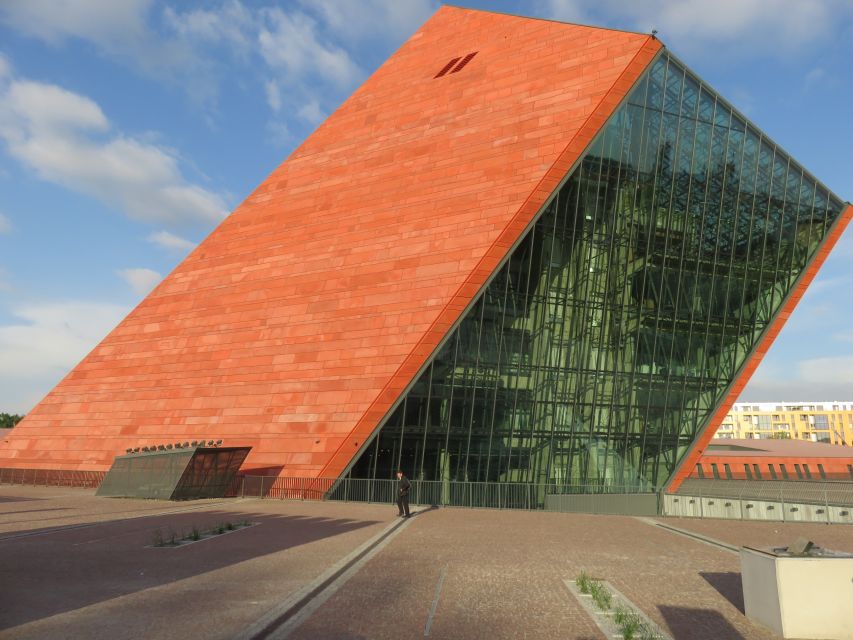
Gdansk’s Museum of the Second World War tells Poland’s wartime story with unusual force, and a private guide helps you make sense of its enormous collection. You’ll move from the Nazi invasion of Poland to resistance, occupation, civilian suffering, and the uneasy years after 1945.
I like the skip-the-line ticket and the chance to ask direct questions throughout the museum. I also like the four-hour route, which links the exhibitions to real places such as the Polish Post Office and the shipyard memorials. The main caution is time: the museum is so large that a long visit can crowd out the walking portion.
Key points at a glance
- A serious museum made easier: Your licensed guide leads you through the permanent exhibition, with entry arranged for a pre-booked time.
- Two tour lengths: Choose two hours for the museum alone, or four hours for the museum plus wartime and communist-era sites.
- Gdansk’s role comes into focus: The Polish Post Office, shipyard memorials, BHP Hall, and Imperial Shipyard connect national events to local places.
- Private means flexible: You can ask questions, set the pace, and focus more closely on Poland, resistance, civilians, or post-war politics.
- Strong guide feedback: Krzysztof, Małgorzata, Margaret, Luca, Elvira, and Magdalena are among the guides praised for clear explanations and friendly service.
- Plan for walking: The four-hour route includes uneven surfaces and steps, so comfortable shoes matter.
Why Gdansk is the right place for this WWII tour
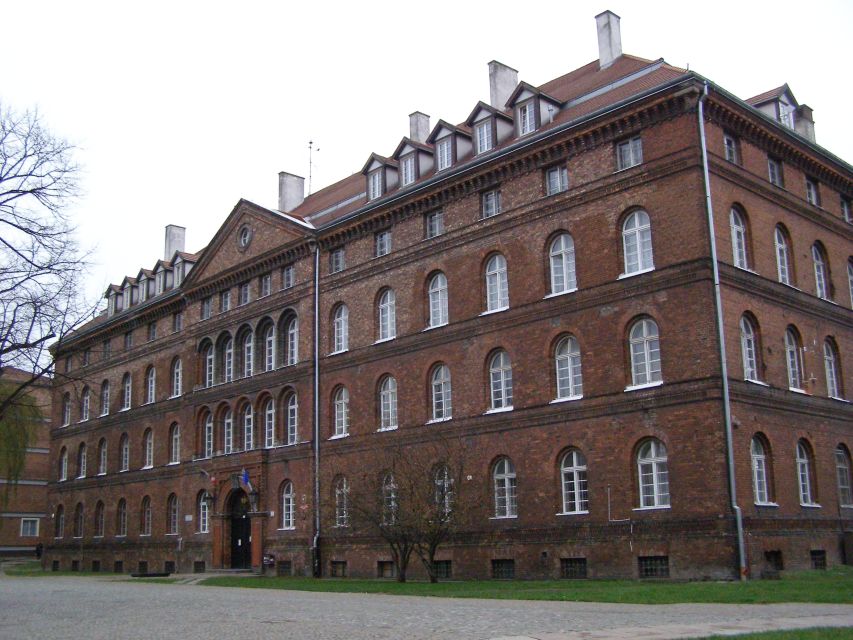
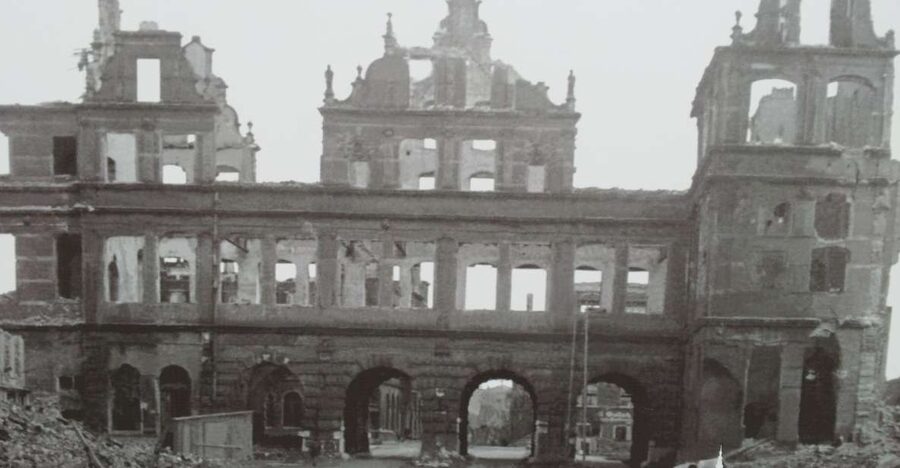
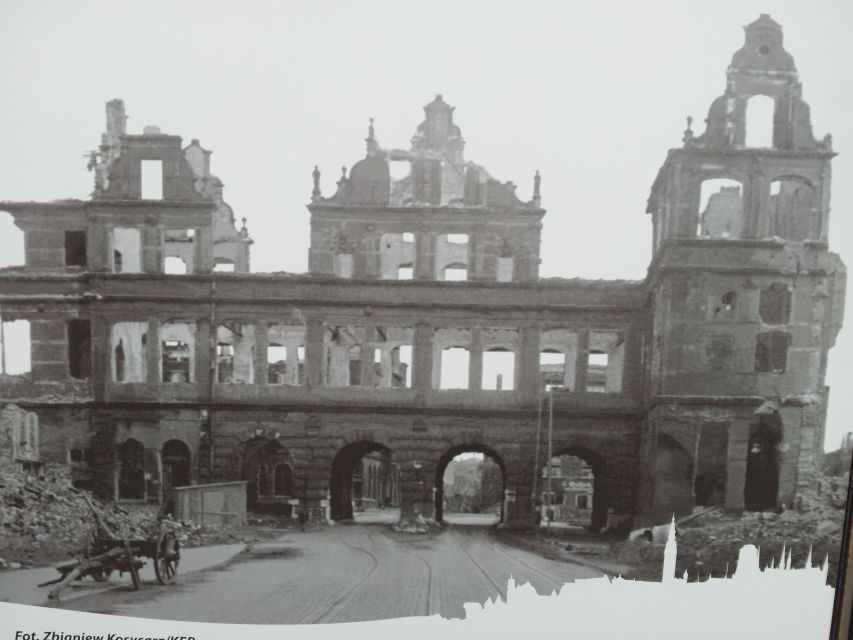
World War II began in and around Gdansk, then known as the Free City of Danzig. That fact gives this tour a firm sense of place. You are not only looking at photographs and objects behind glass. You are connecting them with streets, memorials, workplaces, and buildings tied to the city’s wartime and post-war story.
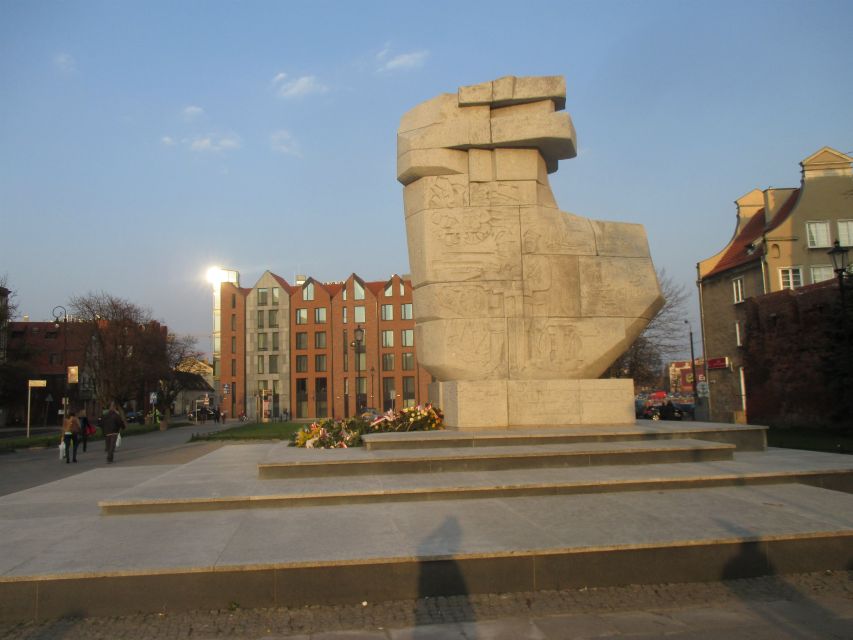
The tour begins at the Museum of the Second World War, in front of the monument to Witold Pilecki. Pilecki is a powerful figure in Polish wartime history, and meeting there gives the experience a serious tone before you even enter the building.
You can book a two-hour museum tour or a four-hour extended route. Both include a private, licensed guide and skip-the-line admission to the museum’s permanent exhibition. The longer option adds a walking tour focused on the war, resistance, the communist period, and Poland’s later fight for freedom.
That choice matters. If you have limited time in Gdansk, the two-hour option gives you a focused museum visit. If this is one of your main reasons for coming to the city, the four-hour version gives you a much wider picture.
More private museum tours in Poland:
- Warsaw: Ghetto, Jewish Cemetery & POLIN Museum Private Tour
★ 4.8 · 132 reviews - Krakow: Skip-the-line Oskar Schindler’s Museum Private Tour
★ 4.7 · 34 reviews - Gdansk: Private Communism Tour with Solidarity Center Museum
★ 5.0 · 28 reviews
Inside the Museum of the Second World War
The museum is large enough to overwhelm you if you visit without a plan. Its permanent exhibition covers the outbreak of war in 1939, the Nazi invasion of Poland, occupation, resistance, the wider global conflict, and the years after the fighting ended.
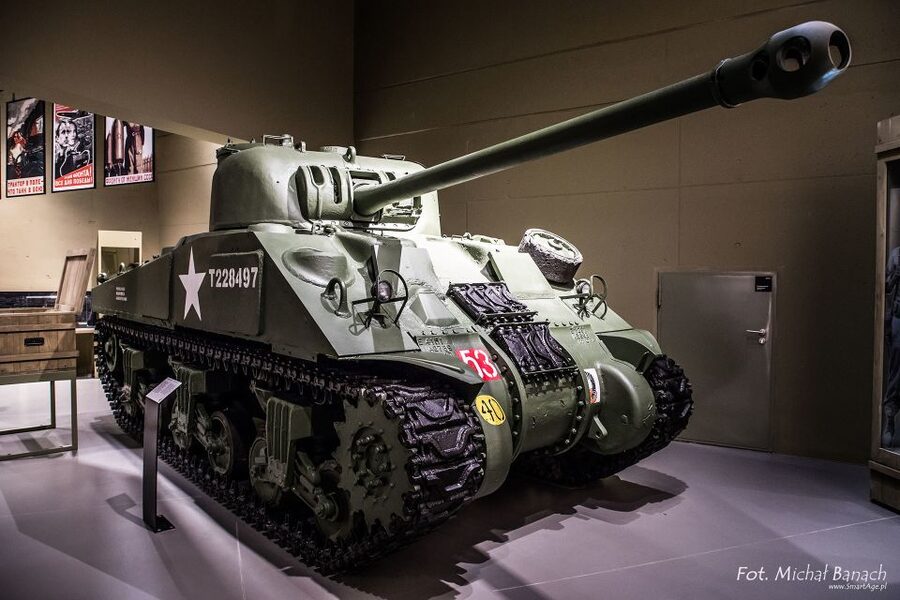
Your guide helps sort the material into a clear story. You can expect original weapons, uniforms, photographs, documents, personal objects, and interactive displays. Reconstructed wartime spaces help show how the conflict affected ordinary people, not just commanders and governments.
The strongest part of a guided visit is the focus on Poland. World War II is a global subject, but Poland’s experience was especially brutal. The guide explains the destruction caused by occupation, the choices faced by civilians, and the different forms of resistance that developed under Nazi rule.
You will also learn how Gdansk fits into the opening chapter of the war. The city’s location and political status made it an early flashpoint. The museum gives you the wider setting, while the extended walk takes you to places where the local story becomes more concrete.
I would not expect to see every corner of the museum in two hours. Even a three-hour museum visit may leave sections unexplored. That is not a failure of the tour. It is simply the scale of the exhibition. If you prefer to read every caption and study every object, you may want to return on your own after the guided visit.
The guide is most useful here as an interpreter. You can ask why a particular object matters, how an event affected Poland, or what happened after the war. Past guides including Krzysztof, Małgorzata, Margaret, Luca, Elvira, and Magdalena have been praised for explaining the subject clearly and responding well to questions.
Language choice is broad. Tours are offered in English, German, Russian, Polish, Spanish, French, Italian, Norwegian, and Swedish. The quality of communication can vary by guide, so if exact historical wording in English matters greatly to you, it is sensible to state your preference clearly when booking.
The two-hour option: a focused museum visit
The two-hour tour is the cleanest choice for a short city break. You meet your guide at the monument to Witold Pilecki in front of the museum, then enter at the reserved time.
The guide takes you through selected parts of the permanent exhibition rather than leaving you to wander without direction. You will cover the invasion of Poland, occupation, resistance, the wider war, and the aftermath, while seeing the material through a Polish lens.
This option suits you if:
- You have only part of a day in Gdansk.
- You want the museum’s main story without a longer walking route.
- You are visiting with family or a mixed-interest group.
- You plan to explore the city independently afterward.
- You prefer a shorter activity with fewer outdoor sections.
The drawback is that the two-hour tour does not include the extended communist-history walk. You also may find the museum itself too large for the allotted time. The guide can help you choose what matters most, but you will still see only part of the exhibition.
For many people, that is a fair trade. The museum contains more material than one visit can comfortably absorb, and a focused introduction may be better than a rushed attempt to cover everything.
The four-hour route from the Polish Post Office to the shipyard
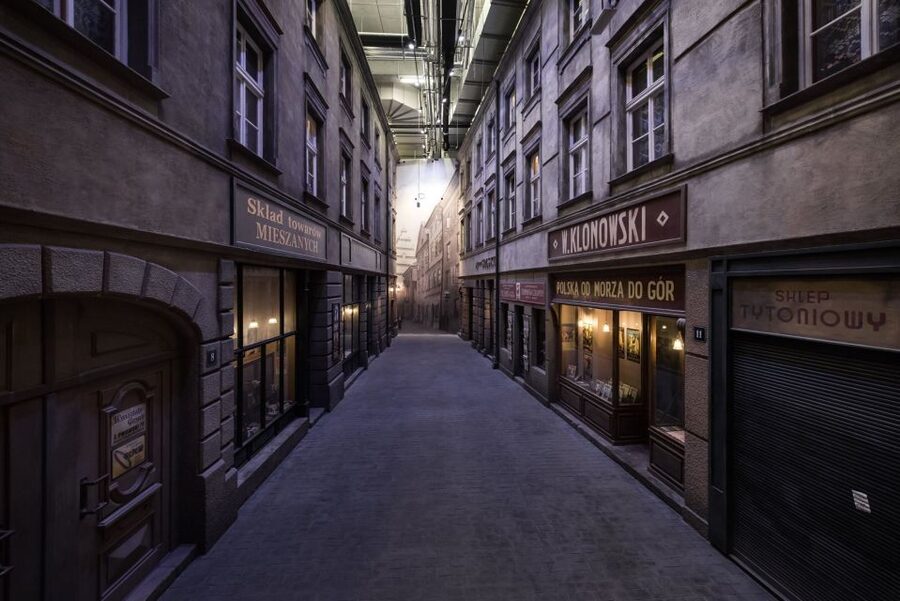
The four-hour option adds a walking tour after or around the museum visit, depending on the scheduled plan. The exact order can be adjusted, and the operator may modify the route to fit pickup arrangements or timing.
The first important stop is the Defenders of the Polish Post Office memorial. The Polish Post Office became a site of early fighting during the German attack on Poland. Here, the events of September 1939 move from museum displays to a specific building and memorial connected with people who resisted the invasion.
The route also includes the Church of St. James. The supplied itinerary links this stop with the story of occupation and resistance. It gives the walk a quieter pause between larger memorials and industrial sites.
You then visit the Monument to the Fallen Shipyard Workers. This is one of the key places for understanding Gdansk after World War II. The monument honors workers killed during protests, and the guide connects it with Poland’s later struggle against communist rule.
That connection is one of the tour’s best features. The war did not simply end Poland’s fight for freedom. The four-hour experience shows how the city’s story continued through political control, protest, and the eventual push toward independence.
The European Solidarity Centre is included in the extended route. It is dedicated to Poland’s path toward independence and helps explain why Gdansk became so important in the later history of the country.
You also see the BHP Hall, where the August Agreements were signed. This gives the post-war section a specific setting rather than treating communism as an abstract political topic. Your guide can connect the hall to the labor movement and the wider fight for political change.
The route includes the Obrońca mural, a tribute to those who defended Poland, and a preserved World War II air raid shelter. These smaller stops add texture. They show how the tour is not limited to grand monuments and major museums.
The final stop is the Imperial Shipyard. The shipyard ties together wartime industry, post-war labor, and Gdansk’s political identity. It is a fitting place to end because the city’s industrial past is closely tied to both conflict and resistance.
Expect a moderate walk with some uneven ground and steps. The tour runs in rain or shine, so wear practical shoes and bring clothing suited to the weather. The guide can adjust the pace, but this is not a sit-down sightseeing activity.
A few more museum visits around Poland worth comparing
- Auschwitz-Birkenau Museum and Memorial Guided Tour from Krakow
★ 4.5 · 1,510 reviews - Warsaw: POLIN Museum of the History of Polish Jews Ticket
★ 4.7 · 1,142 reviews - Krakow: Rynek Underground Museum Guided Tour
★ 4.6 · 1,122 reviews - Warsaw: Polish Vodka Museum Tour with Tasting
★ 4.6 · 788 reviews
What the private format adds
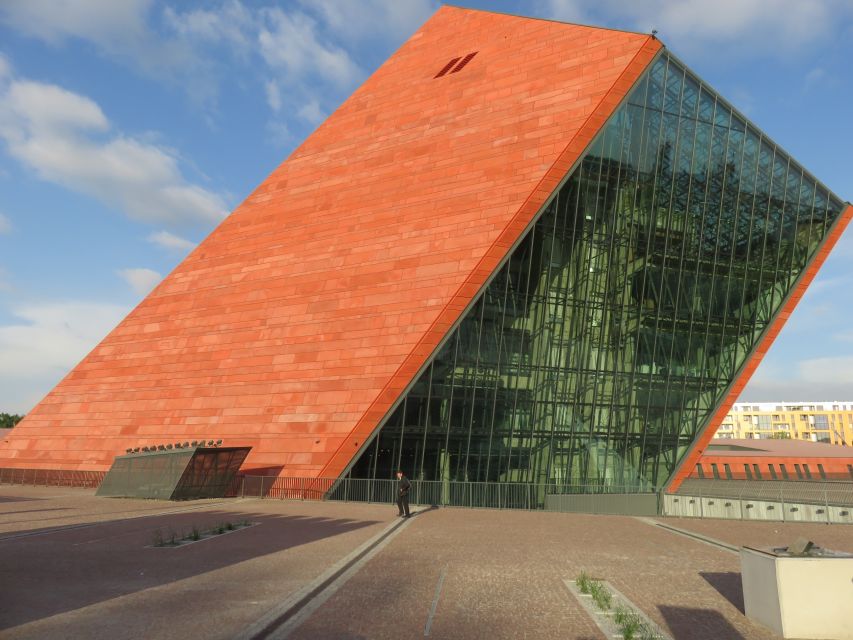
A private tour is most valuable here because the subject is dense and personal. You do not have to save questions for a scheduled pause or follow a fixed group pace. If your family wants more on resistance movements, you can ask for that. If you are especially interested in communist-era history, the guide can give that section more attention.
The private setup also helps with sensitive subjects. The war and occupation affected Poland on a massive scale, and the museum presents difficult material. A good guide can provide context without turning the visit into a list of dates and battles.
Guide quality remains important. Past guide names associated with especially positive experiences include Krzysztof, Małgorzata, Margaret, Luca, Elvira, and Magdalena. They have been described as friendly, patient, enthusiastic, and able to answer detailed questions. One English-language experience received a lower assessment because the guide’s English was somewhat broken, so communication is worth considering when selecting your language.
The private format does not guarantee that you will see every part of the museum. It gives you control over the discussion, not extra hours in the day. If you spend three hours inside, as one particularly museum-focused itinerary did, there may be little time left for the city walk.
Price, timing, and practical value
The listed price is $153 per person, with the final total depending on the booking details and group size. That is not a budget museum admission, but you are paying for a private licensed guide, reserved museum entry, and, with the four-hour option, a guided route through several significant sites.
The value is strongest for couples, families, or small groups who want personal attention. If you are already comfortable reading museum displays and researching Gdansk’s wartime story, a standard museum visit may cost less. If you want someone to connect the objects, places, and political history, the private format is easier to justify.
The museum ticket is pre-booked for a specific date and time. You skip the ticket-office queue, but not necessarily every entrance check, so arrive on time. The meeting point is the monument to Witold Pilecki in front of the museum at plac Władysława Bartoszewskiego 1.
Hotel pickup is available for accommodations within 1.5 kilometers of the meeting point, including hotels in Gdansk Old Town. Pickup outside that area is not included. If pickup applies to you, the route may be adjusted, so check the details before the day of the tour.
You can cancel up to 24 hours before the activity for a full refund, and you can reserve now and pay later. Check your email the day before, since the operator sends important timing and meeting information then. One past booking had its start time changed the day before, forcing a change to other plans, so I would avoid placing another fixed activity immediately afterward.
Who should choose the four-hour version
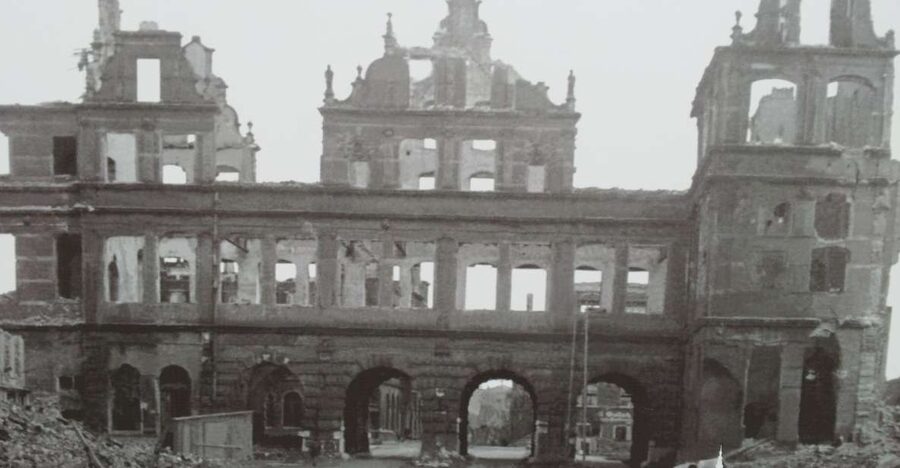
Choose four hours if you want the war and communist period treated as one connected story. The museum explains the conflict on a broad scale, while the Polish Post Office, monuments, BHP Hall, air raid shelter, and shipyard show how those events affected Gdansk itself.
This version suits history-focused visitors, first-time visitors to Gdansk, and anyone interested in Poland’s long struggle for independence. It is also useful if you do not know the city well and want a guide to connect places that might otherwise seem unrelated.
The main tradeoff is stamina and time. The museum alone can fill several hours, and the outdoor route requires walking. If you want a relaxed day with plenty of café stops and unplanned wandering, the four-hour tour may feel tightly packed.
Accessibility and pace
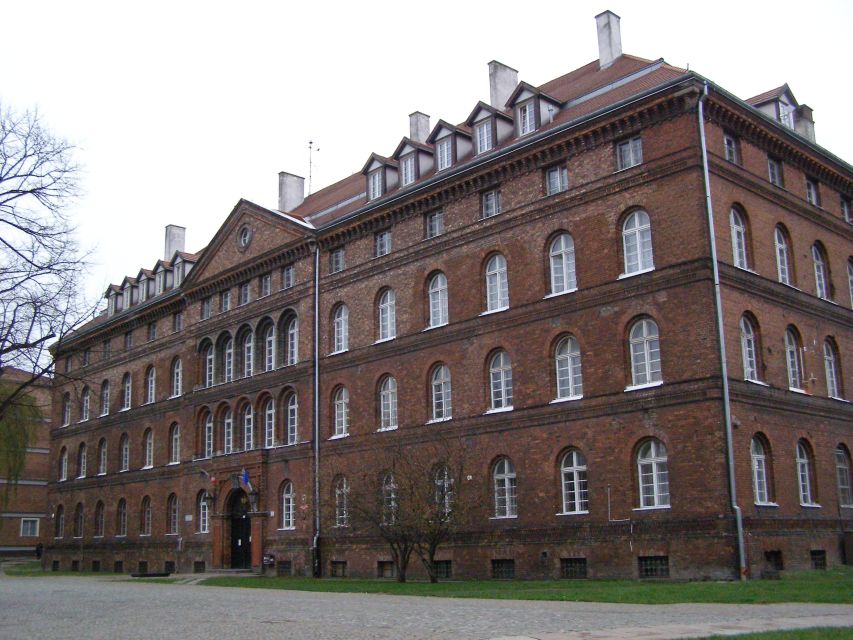
The activity is listed as wheelchair accessible, and special requests can be discussed with the operator in advance. The four-hour route includes uneven surfaces and steps, so accessibility needs may vary by section.
Tell customer support about mobility, language, or other needs before the tour. The guide can adapt the pace, but the outdoor route runs in changing weather and includes historic locations that may not have perfectly smooth surfaces.
Should you book this Gdansk WWII tour?
I would book the two-hour option if the Museum of the Second World War is your priority and you have other plans in Gdansk. It gives you a clear introduction, reserved entry, and the freedom to continue exploring the museum or city on your own.
I would choose the four-hour option if you want the museum placed in the streets and buildings of Gdansk. The Polish Post Office, shipyard memorials, BHP Hall, air raid shelter, and Imperial Shipyard add the local meaning that museum displays alone cannot provide.
Book it if you value a guide who can answer questions and shape the visit around your interests. Think twice if you prefer to explore museums alone, need a very loose schedule, or want to read every display without a time limit.
For most history-minded visitors, the four-hour route offers the better picture. Just wear good shoes, protect the rest of your day from last-minute timing changes, and remember that Gdansk’s wartime story does not fit neatly into a single museum visit.
FAQ
How long is the Gdansk WWII tour?
You can choose a two-hour or four-hour private tour. The two-hour option focuses on the Museum of the Second World War, while the four-hour option adds wartime and post-war communist-history sites.
What does the two-hour tour include?
It includes a private guided visit to the Museum of the Second World War, skip-the-line admission to the permanent exhibition, and a licensed guide in your chosen language.
What does the four-hour tour add?
The four-hour option adds an extended walking route with sites such as the Polish Post Office memorial, Church of St. James, Monument to the Fallen Shipyard Workers, European Solidarity Centre, BHP Hall, Obrońca mural, air raid shelter, and Imperial Shipyard.
Does the tour include skip-the-line museum entry?
Yes. The ticket lets you skip the line at the museum ticket office. It is tied to a pre-booked date and time, and you may still need to wait at the entrance.
Where does the tour meet?
The meeting point is the monument to Witold Pilecki in front of the Museum of the Second World War, plac Władysława Bartoszewskiego 1, Gdansk.
Is hotel pickup available?
Pickup is available from hotels and accommodations within 1.5 kilometers of the meeting point, including locations in Gdansk Old Town. Pickup outside that area is not included.
Which languages are available?
The tour is offered in English, German, Russian, Polish, Spanish, French, Italian, Norwegian, and Swedish.
Is the tour suitable for wheelchair users?
The activity is listed as wheelchair accessible. The four-hour outdoor route includes some uneven surfaces and steps, so discuss specific needs with the operator in advance.
Can I cancel or pay later?
You can cancel up to 24 hours before the tour for a full refund. Reserve now and pay later is also available.
Just added around Poland
- Schindler’s Factory Skip-the-line Museum Ticket★ 4.9 · 15 reviews
- Schindler’s Factory Museum Guided Tour – Krakow★ 4.5 · 15 reviews
- Krakow: Schindler’s Factory Museum Guided Tour★ 4.1 · 86 reviews
- Schindler’s Factory Museum in Krakow – Guided Tour★ 4.3 · 33 reviews
- Krakow: Rynek Underground Museum Skip-the-line Guided Tour★ 4.7 · 138 reviews
- Krakow: Vodka Factory Museum Entry Ticket and Tasting★ 4.3 · 75 reviews
- Krakow: Rynek Underground Museum Guided Tour & Stories★ 4.8 · 26 reviews
- Krakow: Skip-the-Line Rynek Underground Museum Guided Tour★ 4.7 · 26 reviews
Museum Tours in Poland, compared.

Schindler’s Factory in Krakow: Guided Tour & Skip the Line Ticket
Read our review →
Auschwitz-Birkenau Museum and Memorial Guided Tour from Krakow
Read our review →
POLIN Museum of the History of Polish Jews Ticket
Read our review →


Krakow Schindler’s Factory Museum Guided Tour in English
Read our review →Browse the lists this tour appears in