
Review · THE NETHERLANDS
Amsterdam: Rembrandt House Museum Entrance Ticket
The most revealing thing here is not a famous painting. It is the house itself: Rembrandt’s studio, collection room, living spaces, and steep stairways show how an ambitious artist lived before debts forced him out. The multimedia audio tour ties each room to his work and personal story.
I especially like the live demonstrations of paint making and etching, held in the same house where Rembrandt worked. I also like the near-complete collection of his etchings, plus works by friends, pupils, and artists he influenced. The main drawback is practical: this is a historic house with several steep stairs, and crowded rooms can make it hard to linger.
Key points to know before you go
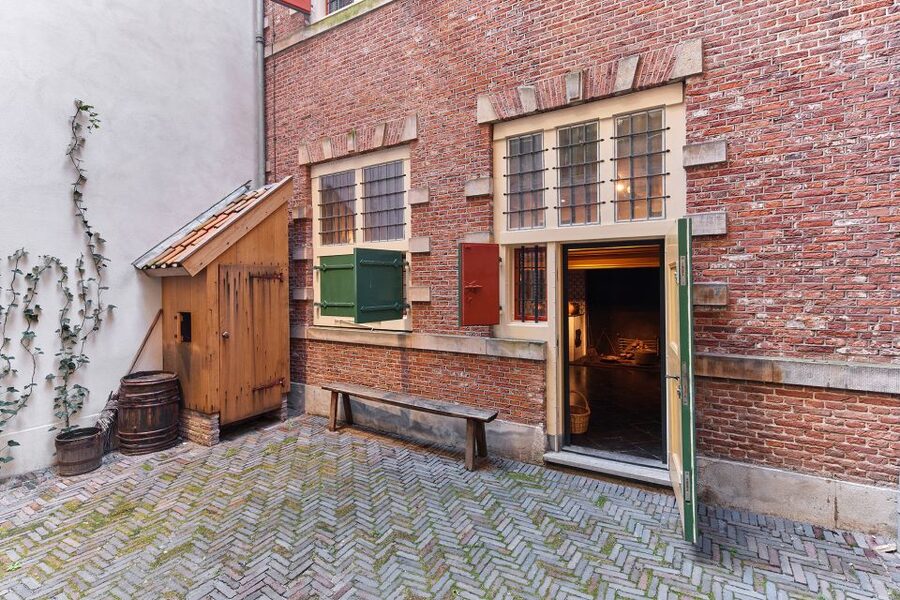
- You visit Rembrandt’s actual former home and studio, not a modern gallery devoted only to his paintings.
- The audio tour is included and comes in English, Dutch, Spanish, French, German, Italian, and Russian.
- Live demonstrations explain old techniques, including paint making, etching, and printing.
- The museum focuses on Rembrandt’s life and working methods, so you will see fewer major paintings than at a large art museum.
- The visit can take two to three hours if you listen to the full audio material and study the rooms.
- Steep stairs and limited mobility access matter, so this is not a good choice for wheelchair users or people who struggle with stairs.
Entering Rembrandt’s Amsterdam house
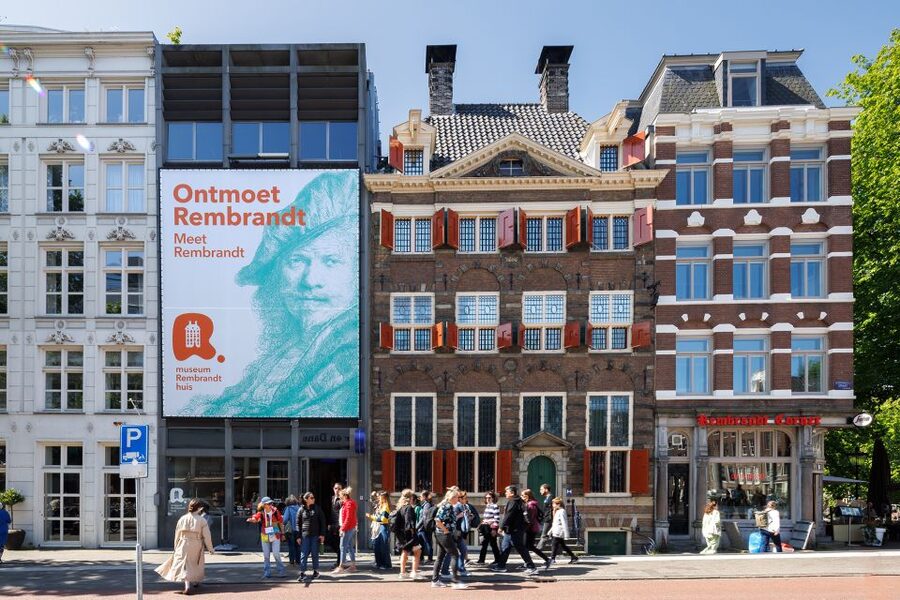
The Rembrandt House Museum sits at Jodenbreestraat 4, in central Amsterdam. Your ticket is valid for one day, and the visit is self-guided rather than a fixed group tour. You enter, collect the included multimedia guide, and move through the house at your own pace.
That format suits this museum well. You can stop for a full explanation in the studio, move quickly through a less interesting room, or return to an etching that catches your eye. The audio includes room-by-room material, short videos, and explanations of Rembrandt’s life, family, pupils, objects, and techniques.
The opening rooms can feel slightly confusing. One visitor found it difficult to match the audio sections to the right rooms at the start, since the route is not always obvious. I would take a moment to check the guide and room layout before pressing ahead. The upper floors are easier to follow.
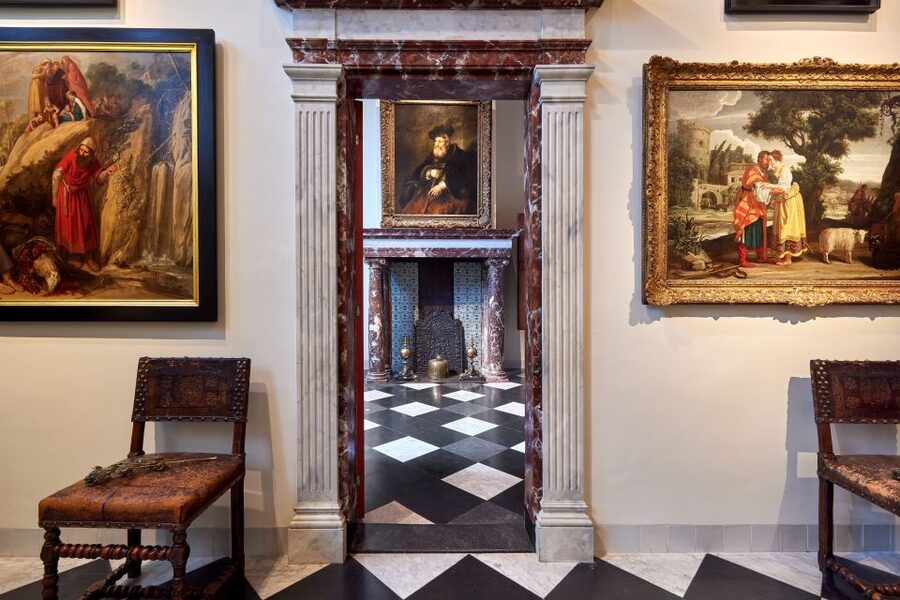
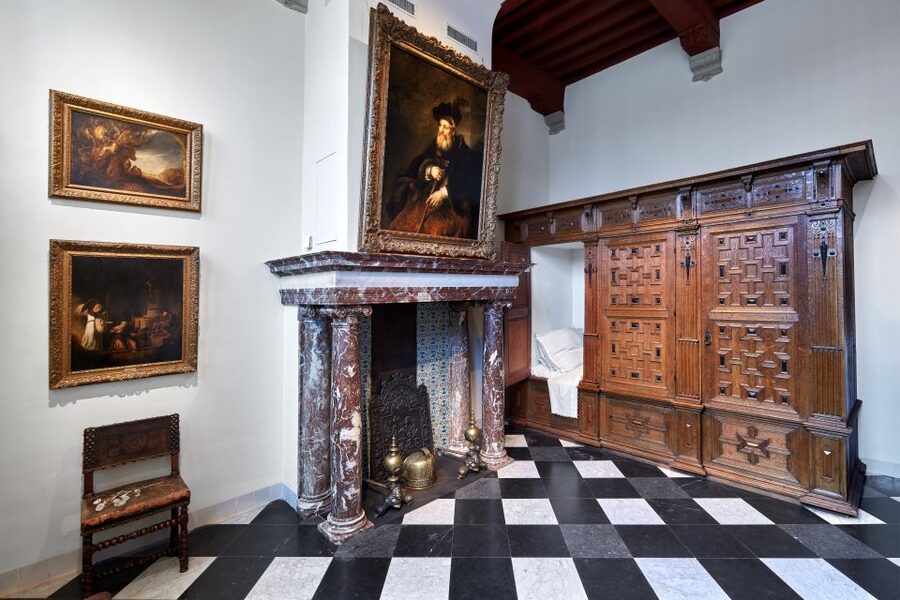
The building itself is the first major exhibit. You climb through a 17th-century Amsterdam house where the rooms are furnished and arranged to suggest how Rembrandt and his household lived. Some objects are original, while others are carefully sourced replicas. That distinction matters: you are not looking at a perfectly preserved time capsule, but the house gives a convincing sense of space, work, and domestic routine.
A few more museum visits around the Netherlands worth comparing
- Amsterdam: Van Gogh Museum Ticket
★ 4.7 · 52,054 reviews - Moco Museum Amsterdam Entrance Tickets with Banksy & More
★ 4.4 · 10,088 reviews - Amsterdam: The Upside Down Museum Entrance Ticket
★ 4.4 · 9,506 reviews
Rembrandt’s rise, debts, and forced departure
The audio tour follows Rembrandt’s life from his arrival in Amsterdam as an ambitious young artist to his success as a celebrity painter and printmaker. It then explains the financial problems that led to bankruptcy and his departure from the house.
This personal thread gives the visit its shape. You are not simply walking through a series of old rooms. You are watching the connection between artistic success, collecting habits, family life, and money. Rembrandt bought art, objects, and curiosities, and his home reflected both his taste and his appetite for collecting.
I like this approach because it makes the artist easier to understand. You see the genius, but also the practical problems of living beyond his means. The story is less polished than a simple tale of triumph, which makes it more human.
The museum does not pretend that every item belonged to Rembrandt. Displays identify the objects and explain their relationship to the house or period. For anyone interested in how museums rebuild a historic interior, this careful approach adds another layer to the visit.
The studio where Rembrandt made paint
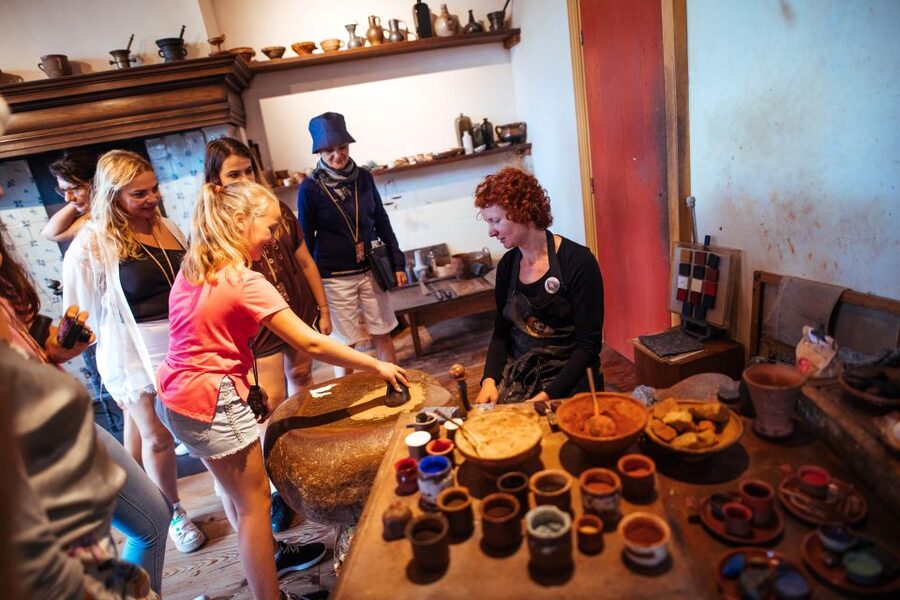
The studio is one of the strongest rooms in the museum. This is where the audio explains how Rembrandt worked, and where demonstrations show how artists made paint in the 17th century.
The paint-making presentation is a real highlight. You see the basic process behind oil paint instead of treating a painting as a mysterious finished object. The demonstrations explain the pigments and materials used in Rembrandt’s time, helping you understand why making art required both artistic judgment and practical skill.
The live presentation is especially useful for younger visitors and anyone who does not spend much time in art museums. A 14-year-old can follow the hands-on process more easily than a long discussion of style or attribution. It also gives art students and practicing artists something concrete to study.
Look closely at the studio setting. The value comes from being in the room associated with Rembrandt’s daily work, not from seeing a wall filled with his most famous canvases. If your main goal is to see large original Rembrandt paintings, this museum alone will not meet it. The Rijksmuseum and other Amsterdam collections are better suited to that purpose.
Here, the focus is the making of art. That is the reason to visit.
Etchings in the attic

Rembrandt’s etchings receive unusually strong attention. The museum has an almost complete collection of his etchings, giving you a chance to follow his printmaking across subjects, moods, and techniques.
The new etching attic adds a practical explanation of how the process worked. A daily demonstration shows how an image could be scratched into a plate, inked, and printed. Seeing the technique helps explain the distinctive qualities of Rembrandt’s prints: fine lines, dark shadows, rough marks, and changes that could be made from one state of a print to another.
I find this part especially valuable because etchings are easy to overlook beside large oil paintings. They are smaller, but they reveal Rembrandt experimenting with light, faces, landscapes, and everyday scenes. The display also shows how prints helped spread an artist’s work beyond a single wealthy owner.
The museum’s collection includes work by Rembrandt’s contemporaries and by artists he inspired. That wider setting keeps the visit from becoming a shrine. You can compare different hands and see how Rembrandt’s ideas circulated among pupils and fellow artists.
If you have limited time, do not skip the attic. It is one of the places where the museum moves from biography to technique.
Same city, a completely different collection:
- Amsterdam: Red Light Secrets Museum Entry Ticket
★ 4.2 · 5,722 reviews - Amsterdam’s Weirdest Museum: Ripley’s Believe It or Not!
★ 4.5 · 4,920 reviews - Amsterdam: Van Gogh Museum Ticket and City Canal Cruise
★ 4.6 · 3,899 reviews - Amsterdam: Van Gogh Museum Ticket & Canal Cruise
★ 4.5 · 3,304 reviews
The collection room and daily life
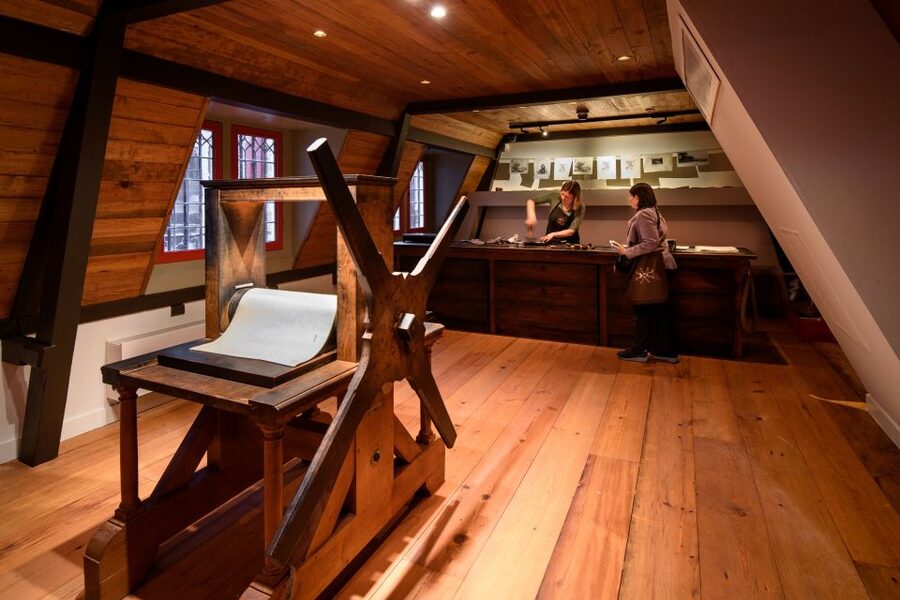
Rembrandt’s collection room helps explain his interests beyond painting. The house presents objects connected with the world around him, along with material about his family, pupils, and artistic circle.
The domestic rooms are smaller and more intimate than the grand halls of Amsterdam’s major museums. That scale changes the way you look. You notice doorways, staircases, storage, work surfaces, and the close relationship between household life and artistic production.
The audio guide is worth using here. Several rooms have about five minutes of material, while the living room, studio, and collection room receive longer treatment. If you race through with only a quick glance, you will miss much of what makes the house worthwhile.
The guide is available in English, Dutch, Spanish, French, German, Italian, and Russian. The spoken presentation is clear and detailed, and you can listen without joining a scheduled group. Host and greeter assistance is available in English and Dutch.
One small issue is volume. A large guided group can make the narrow rooms noisy, and that can interfere with the audio. If you encounter a crowded room, move on and return later rather than trying to compete with a loud explanation.
The new museum spaces and Rembrandt’s Masterclass
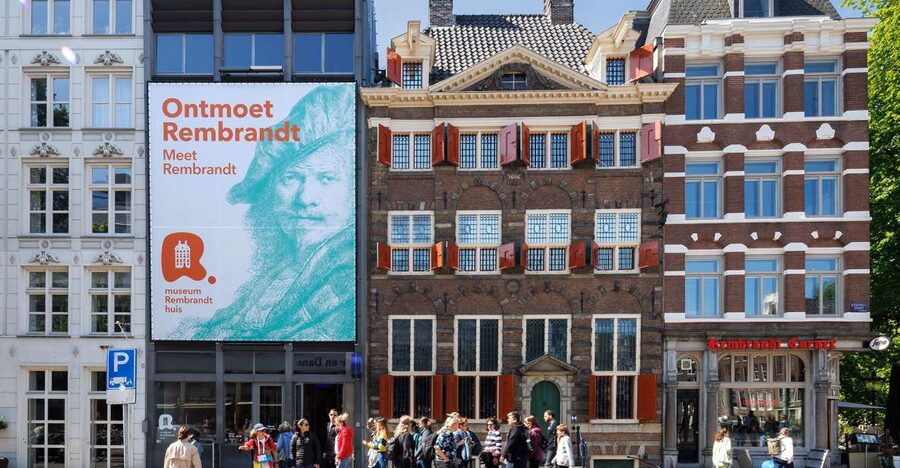
The museum has added five spaces, including an epilogue room, the etching attic, and a third exhibition room. These additions give the visit more room to explain Rembrandt’s legacy and working methods.
From January 30 to May 25, 2026, the temporary exhibition Rembrandt’s Masterclass examines how the artist developed his skill. Its five themes are Looking, Technique, Emotion, Experimenting, and Selling.
This is a useful way to present Rembrandt because it treats artistic ability as a set of choices and habits, not as a magical gift. You can study how he looked, tested ideas, handled feeling, and presented his work to buyers. The exhibition also invites you to draw an elephant, identify a genuine Rembrandt, practise posing for a self-portrait, and try other small exercises.
The final section places you face to face with The Anatomy Lesson of Jan Deijman. A slow-watching room breaks down the painting step by step, showing how Rembrandt combined observation, drama, and technique.
If your visit falls within those dates, allow extra time for the temporary exhibition. It is more interactive than a standard display and should work well for families, artists, and anyone who wants more than a biography.
What the audio tour adds
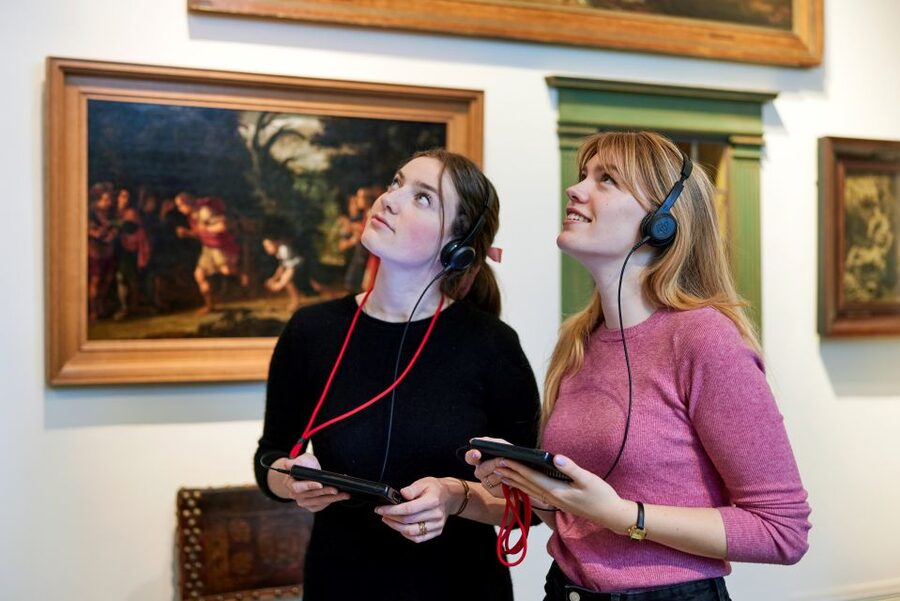
I would not treat the audio guide as optional here. It explains what you are seeing and gives the house its narrative order.
Without it, you may notice old furniture, narrow rooms, and framed prints, but you will have less context for why each space matters. With it, the studio becomes a place of production, the collection room becomes evidence of Rembrandt’s interests, and the stairways become part of the experience of moving through his home.
The guide also helps you understand what is original, reconstructed, or connected with the period. That is important in a historic house where the atmosphere is part of the attraction.
You do not need to listen to every track. For a quick visit, choose the studio, paint demonstration, etching attic, collection room, and life story. If you have two or three hours, listen to the full route. One visitor spent two and a half hours, while another stayed for three, which gives you a sensible range for a careful visit.
The only consistent practical weakness is orientation at the beginning. Pay attention to the room order, and do not assume the audio will always tell you exactly where to stand.
How much time and money should you allow
The listed price is $23 per person. That is fair value if you use the audio tour, watch the demonstrations, and take time with the house and temporary displays. It is less compelling if you plan to rush through in 30 minutes or if you want a large collection of original Rembrandt paintings.
The museum is not a full-day attraction by itself, despite the ticket being valid for one day. Most people should plan about two hours, with two and a half to three hours for the full audio route, demonstrations, and temporary exhibition.
You may find that buying ahead saves a little compared with paying at the museum. One visitor reported a difference of about $3 and found the advance ticket accepted without trouble. The ticket also allows free cancellation up to two days before the visit, which is useful when your Amsterdam plans are still changing.
The price works best as part of an art-focused day. Pair the house with a larger museum where you can see Rembrandt’s paintings, then return to the house with a better sense of how his work developed. The museum itself tells you more about the man, his tools, his home, and his prints than about large-scale finished canvases.
Stairs, crowds, and practical comfort
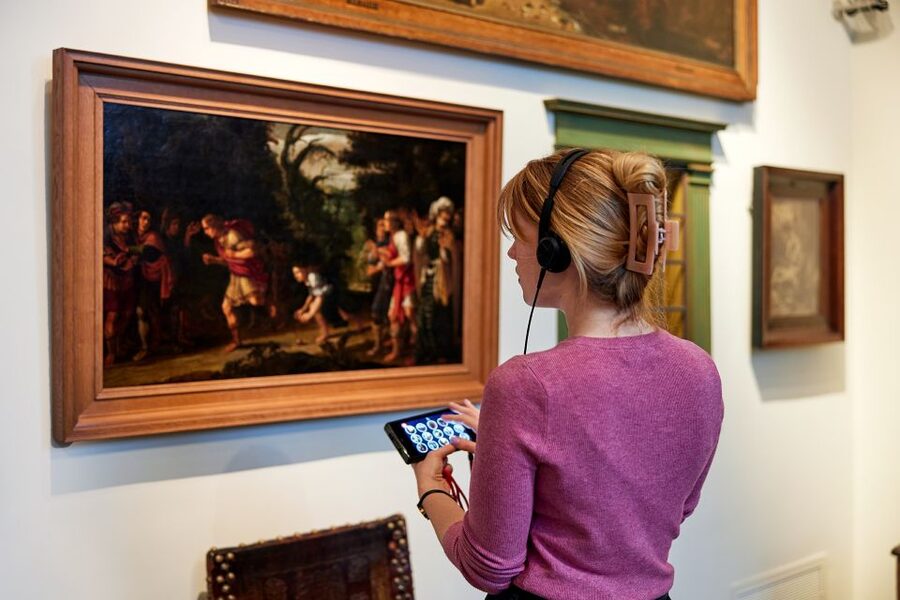
This is a historic house, so expect several floors and steep stairs. Handrails are available, but the climb may be tiring or uncomfortable. The experience is not suitable for wheelchair users or people with mobility impairments.
The rooms are often compact. On a busy day, you may need to wait before entering a small space or move around a group. I would visit early if you want the quietest possible audio experience, though the supplied information does not guarantee a particular crowd level at any time.
Photography is allowed with care, but flash should be turned off. Lockers are available downstairs, and it is worth asking staff how they work if the system is not immediately clear.
Staff can help identify rooms, explain the route, and take a photo for you. Most of the interaction is light and practical, since the visit is self-guided rather than led by a single named guide. Live demonstrations provide the human element.
Who will enjoy Rembrandt House Museum most
I recommend this museum to anyone interested in Rembrandt, Dutch art, historic houses, printmaking, or the everyday work behind famous paintings. It is also a good choice for families with older children, especially during the interactive Masterclass exhibition.
You do not need to be an art specialist. The audio explains the main ideas clearly, and the demonstrations make old techniques easy to grasp. The museum also works for architecture and social-history fans who care as much about how people lived as about what they painted.
I would be more cautious if you have limited time in Amsterdam and want only major masterpieces. You will see sketches, etchings, works by related artists, and a temporary exhibition, but this is not the place for a long wall of Rembrandt oil paintings.
I would also skip it if steep stairs are a serious problem. The house is the experience, and its historic layout cannot be separated from the visit.
Should you book this experience?
Book it if you want to understand Rembrandt as a working artist and a complicated man, not just as a name attached to famous paintings. The studio, paint-making demonstration, etching attic, and excellent audio tour make the $23 ticket worthwhile for most art and history fans.
Skip it if you need step-free access or if your main aim is to see major Rembrandt canvases. For everyone else, give it at least two hours, use the audio, and slow down in the studio and etching attic. Those rooms provide the clearest sense of how Rembrandt actually made his art.
FAQ
Where is the Rembrandt House Museum?
The museum is at Jodenbreestraat 4 in Amsterdam, in North Holland, Netherlands.
How much does admission cost?
The listed price is $23 per person.
How long is the ticket valid?
The ticket is valid for one day.
Is an audio guide included?
Yes. A new multimedia tour is included with admission.
Which languages are available for the audio guide?
The audio guide is available in Spanish, Dutch, English, French, German, Italian, and Russian.
Which languages are available from the host or greeter?
Host or greeter assistance is available in English and Dutch.
Are demonstrations included?
Yes. The museum offers daily demonstrations related to etching, printing, and making paint in the style of Rembrandt’s period.
Does the museum contain Rembrandt paintings?
The museum displays Rembrandt’s etchings, sketches, and other works, along with art by his contemporaries and artists he influenced. The experience focuses on his home, life, and working methods rather than a large collection of major paintings.
Is the museum suitable for wheelchair users?
No. The experience is listed as unsuitable for wheelchair users and people with mobility impairments. The house has several steep stairs.
Can I cancel the ticket?
Yes. You can cancel up to two days in advance for a full refund.
Just added around the Netherlands
- Van Gogh Museum Tour excluding Entrance Tickets★ 5.0 · 16 reviews
- Van Gogh Museum Entry Ticket and Guided Tour★ 4.5 · 48 reviews
- Van Gogh Museum with Audio Guide★ 3.5 · 80 reviews
- Amsterdam: Explore the Van Gogh Museum & His Masterpieces★ 3.5 · 64 reviews
- Van Gogh Museum Skip the Queue with Audio Guide★ 4.0 · 261 reviews
- Amsterdam Van Gogh Museum with Audio or Guided Tour★ 4.0 · 266 reviews
- Van Gogh Museum, Rijks Museum & Walking Tour – Private Day Tour★ 5.0 · 17 reviews
- Van Gogh Museum Ticket with Audio Guide and Unlimited Access Time★ 5.0 · 25 reviews
Museum Tours in the Netherlands, compared.

Moco Museum Amsterdam Entrance Tickets with Banksy & More
Read our review →

Amsterdam’s Weirdest Museum: Ripley’s Believe It or Not!
Read our review →


Browse the lists this tour appears in