
Review · ITALY
Florence: Private Uffizi Gallery Tour
The Uffizi is the place to meet the Italian Renaissance face to face, and this private two-hour tour gives you a direct route to its best-known works. I like the personal format, which lets you set the pace, and I like that you can remain inside after the guided visit instead of being hurried toward the exit.
The tour also uses an express security check, a useful advantage at a museum where queues can eat into your day. The main consideration is mobility: this experience is not suitable for people with mobility impairments, and two hours will cover the highlights rather than every room.
Key points at a glance
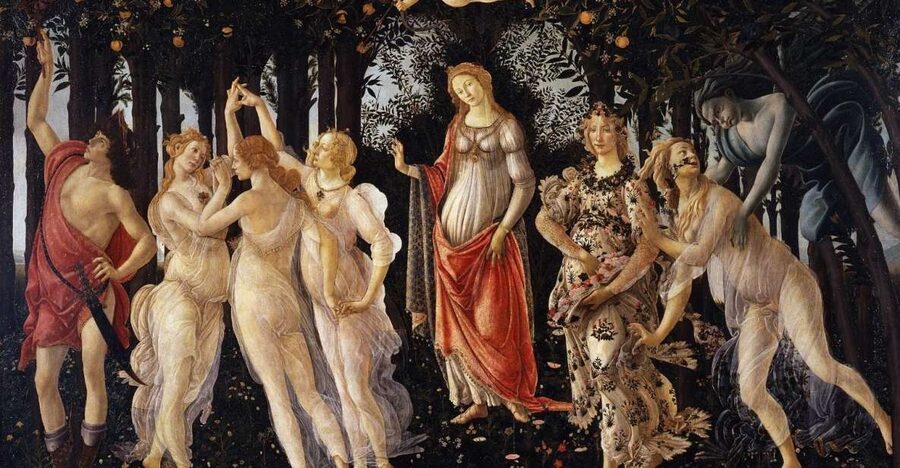
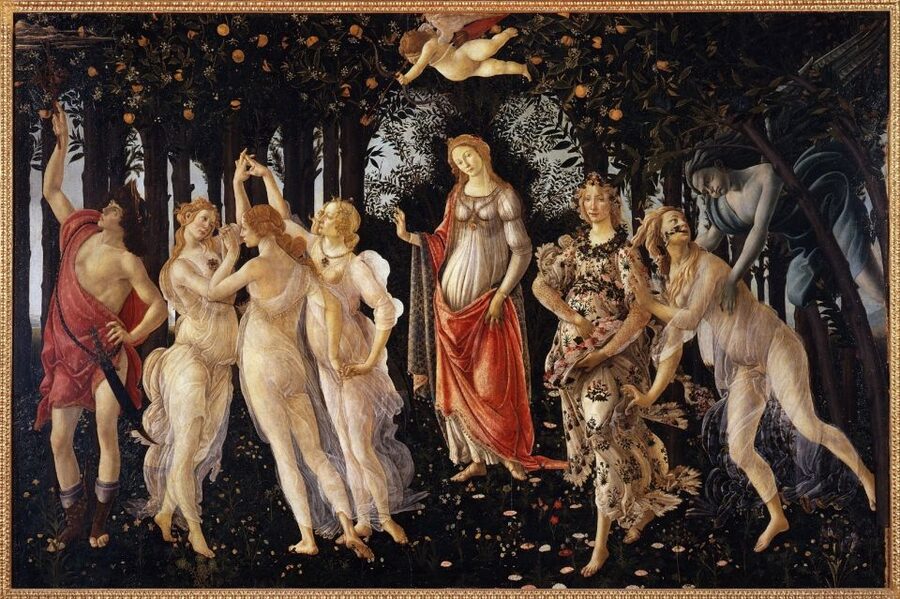
- Botticelli’s famous masterpieces: See The Birth of Venus and The Spring, two of the Uffizi’s essential Renaissance paintings.
- A truly private visit: Your guide is at your disposal, so you can adjust the pace and ask questions that fit your interests.
- Major names in two hours: The route includes works linked to Michelangelo, Leonardo da Vinci, Raffaello, Caravaggio, Giotto, Vasari, and Donatello.
- Several guide languages: Tours are offered in English, German, Italian, Portuguese, Russian, French, and Spanish.
- Time to continue alone: After the guided portion, you may stay in the gallery for as long as you like.
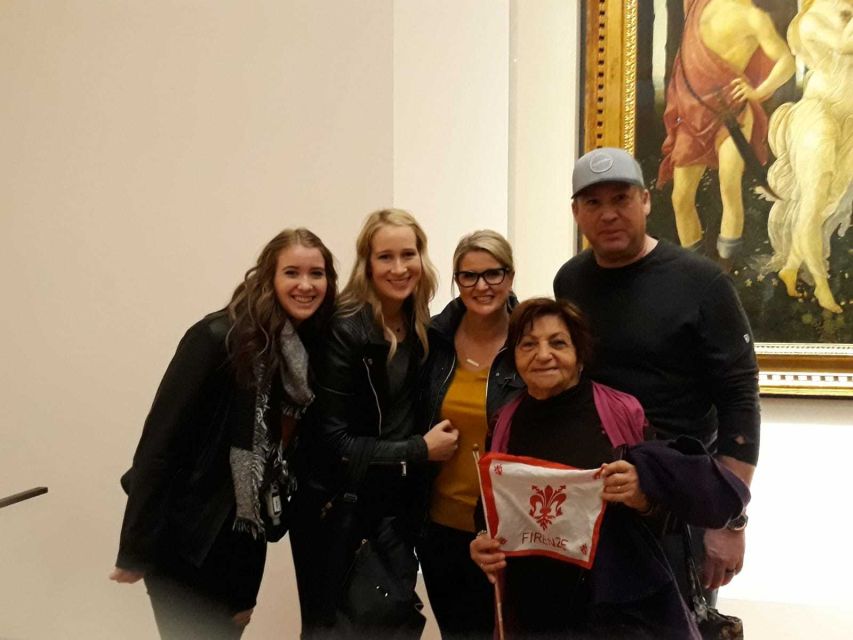
- Good for families with older children: Nicola praised a guide who explained the art well for children, while Tracy liked being able to move at her own pace.
Why a private Uffizi tour can make sense
The Uffizi is not simply a room full of famous pictures. It is a long progression through changing ideas about art, from medieval religious panels to the human-centered art of the Renaissance and later dramatic works by Caravaggio.
That sequence can be hard to follow on your own. A private guide can explain why one painting matters, point out details that are easy to miss, and connect the artists rather than leaving you to read a string of wall labels.
I especially like the private setup for this museum. If Botticelli is your main reason for coming, you can spend more time with The Birth of Venus and The Spring. If you care more about Leonardo, Michelangelo, or Caravaggio, you can steer the conversation in that direction.
The two-hour length is another strength. It is long enough to form a clear picture of Renaissance art, but short enough to keep the visit from becoming a test of endurance. Nicola’s experience with a guide who worked well with children points to an important benefit: a good pace can keep younger minds interested without turning the museum into a classroom.
The tradeoff is simple. You will not see every gallery in two hours. The Uffizi is large, and this format is built around key works and explanation, not a room-by-room survey.
More Uffizi tours and tickets:
- Florence: Skip-The-Line Uffizi Gallery Timed Entry Ticket
★ 4.5 · 27,832 reviews - Uffizi Gallery: Renaissance Masterpieces Guided Tour
★ 4.6 · 6,070 reviews - Uffizi Gallery Small Group Tour with Guide
★ 4.5 · 4,923 reviews
Finding the meeting point on Via De’ Castellani
You meet at the local partner’s office at number 18/red on Via De’ Castellani, next to number 14 and directly in front of the Uffizi’s general exit. The listed coordinates are 43.7681999206543, 11.256505012512207.
Florence’s red street numbers can confuse first-time visitors, so allow enough time to locate the office. The useful landmark is the general exit of the Uffizi Gallery, not a separate museum entrance.
This arrangement is practical because the meeting point is close to the museum itself. Still, I would not arrive at the last second. You need to find the office, meet your guide, and be ready for the security process.
Bring a passport or identity card. For children, an ID document is required as well, and a copy is accepted. You may still face a security check even with the express entry arrangement, so skip the idea that priority means no screening at all.
The first rooms: setting up the Renaissance story
Your guide will use the opening part of the visit to give the museum’s art a clear frame. The Uffizi’s strength is not just its star paintings. It is the way you can watch Italian art change over time.
Giotto is one of the important early names included in the tour. His work helps show the move away from flatter, more formal medieval images toward figures with greater weight, feeling, and presence.
That background matters once you reach the Renaissance rooms. Paintings by Botticelli, Michelangelo, Leonardo da Vinci, and Raffaello become easier to appreciate when you understand what earlier artists were trying to solve.
A live guide also lets you stop for questions. You can ask why a figure is posed in a certain way, how a mythological subject fits a Christian city, or why a particular painting became famous. A recorded audio guide cannot respond to your curiosity, which is the main reason to choose this private option over a self-guided visit.
Botticelli’s Venus and Spring
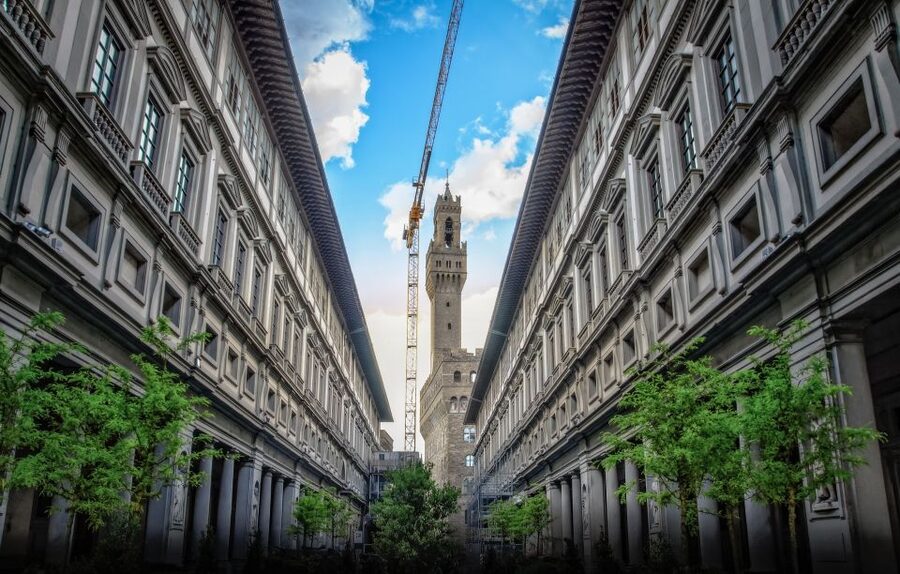
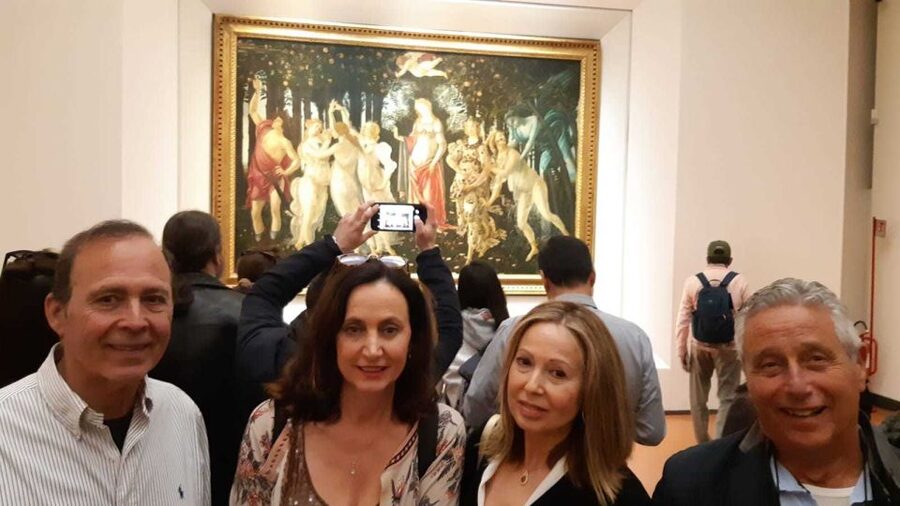
For many people, Botticelli’s two large paintings are the heart of the visit. The Birth of Venus is instantly recognizable, but a guide can help you look past the famous outline and notice the symbolism, gestures, and unusual handling of the mythological subject.
The Spring offers a different kind of challenge. Its crowded group of figures and layers of meaning reward a slower explanation. This is exactly where having a guide at your disposal can add value. You do not have to pretend that every detail makes sense at first glance.
These paintings also show why a two-hour route needs focus. If you simply walked through the rooms, you could spend a great deal of time waiting for a clear view or reading labels without understanding how the pieces relate to one another.
I would expect this stop to be one of the busiest points of the tour. The supplied information does not promise an empty viewing area or a fixed amount of time in front of each work, so your guide’s ability to manage the pace will matter.
If Botticelli is your priority, say so early. The private format gives you a better chance of shaping the visit around your interests than a large group tour would.
More private museum tours in Italy:
- Private Vatican Museums and St. Peter’s Basilica Early Bird Tour
★ 5.0 · 980 reviews - Florence: Uffizi Gallery Discovery Private Guided Tour
★ 4.5 · 658 reviews - Vatican City: Sistine Chapel, Museums, Basilica Private Tour
★ 4.8 · 158 reviews - Turin: Egyptian Museum Skip-the-Line Private Guided Tour
★ 4.8 · 95 reviews
Michelangelo, Leonardo, and Raffaello
Michelangelo’s Tondo Doni brings the Renaissance idea of the holy family into a vivid, highly finished circular composition. It is a useful reminder that Michelangelo’s work in Florence was not limited to sculpture or the Sistine Chapel.
Leonardo da Vinci’s The Annunciation is another major stop. Leonardo’s careful observation and interest in nature, space, and human expression make this painting especially worthwhile when someone points out what to examine.
Raffaello adds another version of Renaissance balance and grace. The tour description includes his work among the major artists covered, though it does not name a specific Raffaello painting. Your guide can place him within the wider story rather than treating each artist as an isolated genius.
This part of the tour works best for people who want connections. You can compare how different artists handle the body, perspective, movement, and emotion. The guide’s job is not just to identify a painting but to show you what changed from one generation to the next.
The language choice can also shape this portion of the visit. You can book in English, German, Italian, Portuguese, Russian, French, or Spanish. The German-language experience was praised for clear historical explanations, and the English-language guides Manuela and Steffi were singled out for strong teaching and flexible pacing.
Caravaggio’s Medusa and the later galleries
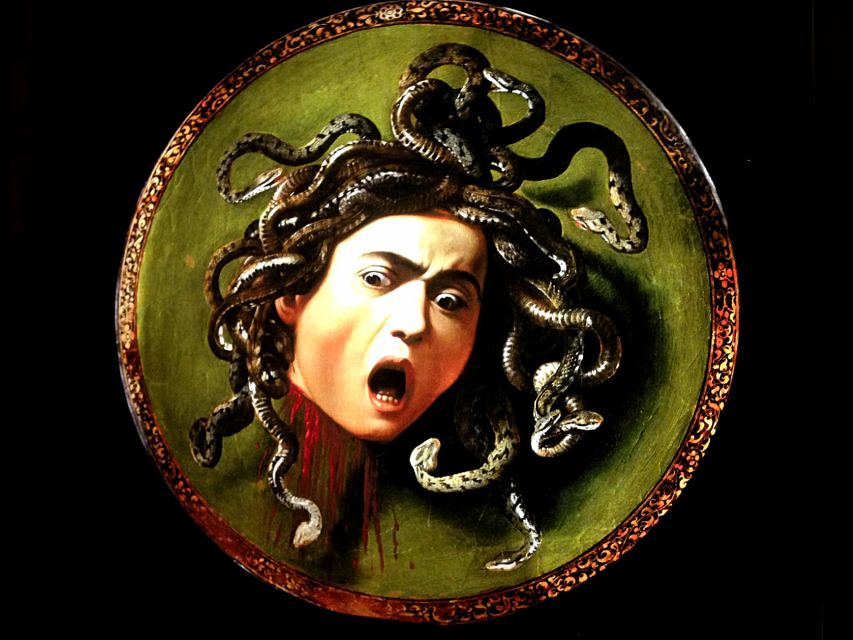
Caravaggio’s The Shield With the Head of Medusa changes the mood. The painting is immediate and theatrical, with a subject that seems to confront you rather than sit quietly on a wall.
It also gives the guide a chance to explain how later artists pushed away from the calm balance associated with earlier Renaissance painting. Caravaggio’s forceful light, realism, and emotional shock make a useful contrast with Botticelli’s graceful mythological scenes.
The tour also includes Vasari and Donatello among the artists discussed. Vasari is important for understanding Florence’s artistic story and the way artists and their achievements were later described. Donatello helps broaden the visit beyond painting and show the part sculpture played in the city’s artistic culture.
You will not get an exhaustive study of all these figures in 120 minutes. What you get is a guided selection, with enough context to help the major works feel connected rather than random.
For me, that is the strongest argument for this experience. The Uffizi can be tiring when every room seems to contain another famous name. A guide helps you decide what deserves your attention and when it is time to move on.
What the private format changes
A private tour is most useful when your group has a shared interest or a mixed level of art experience. You can ask basic questions without worrying about holding up a large group, and a serious art lover can ask for more detail without losing everyone else.
The pace can also suit families. Nicola found the guide’s approach appropriate for children, while Tracy valued the freedom to move at the pace of her own interests. Those two points belong together: children may need shorter explanations and more movement, while adults may want to stop at one painting for several minutes.
The private format is less useful if you only want a quick entrance and a general orientation. In that case, a priority ticket with an audio guide may cost less, depending on the price offered for your date.
Since no tour price is provided here, I cannot judge the exact financial value. I can say what you are paying for: a professional guide reserved for your group, live explanation, language choice, express security access, and the option to stay afterward. Compare that package with a small-group tour or a self-guided ticket before booking.
If the price difference is modest and art is a major reason for your Florence visit, I would lean toward the private tour. If you are traveling alone or watching every euro, a ticket with an audio guide may be the better fit.
Staying inside after the two-hour visit
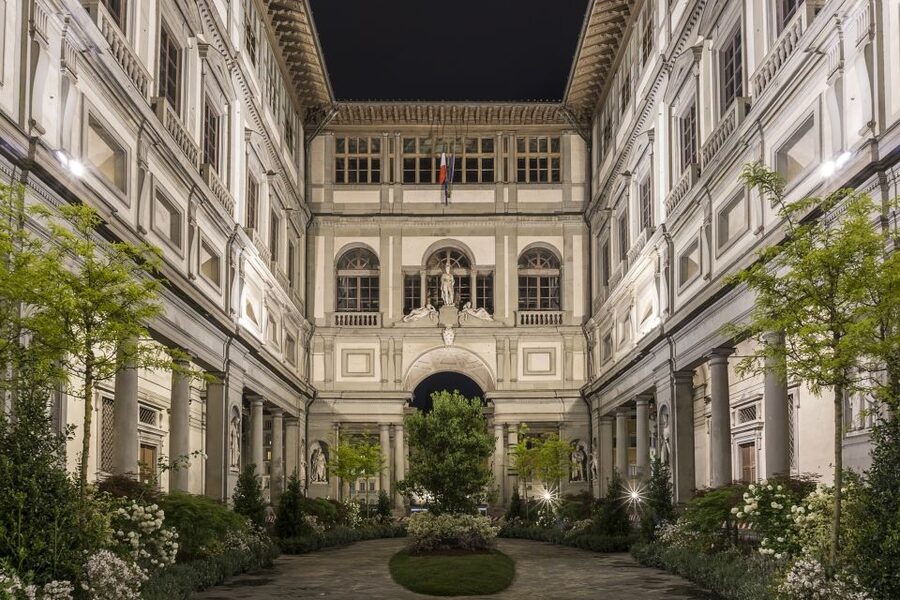
One of the best practical details is that the guided portion does not force you to leave the building. After the tour, you can remain in the gallery for as long as you like.
That changes the rhythm of the day. You can let the guide lead you through the essential works first, then return to a favorite room or continue at your own speed. You are not trying to absorb every label while also keeping up with the group.
This is especially useful if you want to see more than the highlights. The guide gives you a foundation, then you can use the remaining time for your own interests. I would plan to stay longer if you still have energy, since the museum visit itself does not end when the spoken tour does.
Remember that headsets must be returned at the end of the tour. That is a small point, but it matters if you plan to continue inside. You will need to hand back the equipment before exploring alone.
Who will get the most from this tour
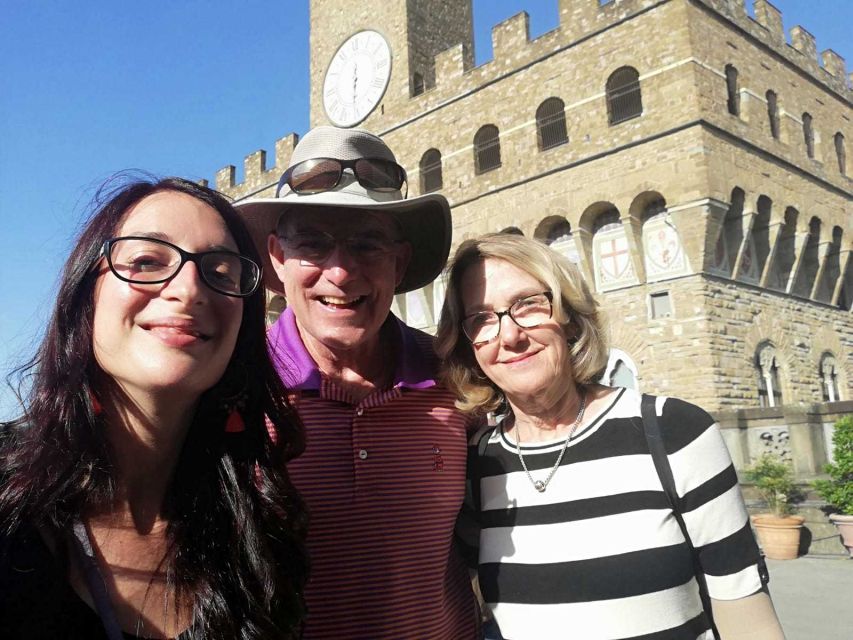
I would choose this experience for:
- First-time Uffizi visitors who want the major works explained in a clear order.
- Families who need a flexible pace and a guide able to keep children involved.
- Couples or friends with a specific interest in Botticelli, Michelangelo, Leonardo, Raffaello, or Caravaggio.
- Art lovers who want to ask questions rather than follow a fixed speech.
- People who want guided highlights but also time to explore the museum independently.
I would think twice if you have limited mobility, since the experience is not suitable for people with mobility impairments. I would also reconsider if you prefer to wander alone from the start or want a full day devoted to every gallery.
The first Sunday of each month has free entrance, but tickets cannot be reserved ahead of time and entry is not guaranteed. That makes this tour a less certain choice on that particular day, since the free-entry arrangement may not secure admission.
You can cancel up to 24 hours in advance for a full refund, and the reserve-now, pay-later option keeps your plans flexible. Those terms are useful in Florence, where weather, train schedules, and changing plans can affect a busy day.
Should you book the private Uffizi tour?
Book it if you want the Uffizi’s major works to make sense, not just to see them and move on. The strongest features are the private guide, the flexible pace, the seven language choices, the express security check, and the chance to stay inside after the two-hour route.
The highly praised guides include Manuela, Steffi, and a German-speaking guide noted for clear historical explanations. Nicola’s family-friendly experience also makes this a reasonable option for parents who want art explained without forcing children through an overly long visit.
Skip it if your main aim is the lowest-cost entry or if you already know the museum well. In that case, a timed ticket or digital audio guide may give you enough freedom.
For most first visits, I like the balance: you get the famous paintings, a clear story about Renaissance art, and enough time afterward to follow your own interests. Just arrive early at the Via De’ Castellani meeting point, bring ID, and treat the two hours as a focused introduction rather than the complete Uffizi experience.
FAQ
How long does the private Uffizi tour last?
The guided tour lasts two hours. Afterward, you may remain in the Uffizi Gallery for as long as you like.
Which languages are available?
The live guide is available in English, German, Italian, Portuguese, Russian, French, and Spanish.
Where is the meeting point?
Meet at the local partner’s office at 18/red Via De’ Castellani, next to number 14 and in front of the general exit of the Uffizi Gallery. The coordinates are 43.7681999206543, 11.256505012512207.
Can I skip the security line?
The experience includes an express security check, but you may still be subject to security checks at the museum.
What identification should I bring?
Bring a passport or ID card. Children also need identification, and a copy is accepted.
Can I cancel the booking?
Yes. You can cancel up to 24 hours in advance for a full refund. The activity also offers a reserve-now, pay-later option.
Just added around Italy
- Oil museum and oil mill in Tuscany: tour and tasting★ 5.0 · 16 reviews
- Enchanted Castle of Sciacca – Museum Tickets★ 3.5 · 63 reviews
- Torino: FIAT Historic Museum and Lingotto District Tour★ 4.9 · 14 reviews
- Torino: The Car Museum Skip-The-Line Tour★ 4.7 · 22 reviews
- Timed Entry Ticket to the Uffizi Gallery★ 4.5 · 498 reviews
- Florence: Accademia Gallery Entry Ticket with Audio Guide★ 4.1 · 88 reviews
- Vatican City: Sistine Chapel, Museums, Basilica Private Tour★ 4.8 · 158 reviews
- Rome: Capitoline Museums and Centrale Montemartini Tickets★ 4.4 · 328 reviews
Museum Tours in Italy, compared.
Vatican: Museums & Sistine Chapel Entrance Ticket
Read our review →
Vatican Museums, Sistine Chapel & St. Peter’s Basilica Tour
Read our review →
Vatican Museums, Sistine Chapel & St Peter’s Basilica Guided Tour
Read our review →
Skip-The-Line Uffizi Gallery Timed Entry Ticket
Read our review →
Vatican Museums, Sistine Chapel and Basilica Tour
Read our review →
Vatican Museums & Sistine Chapel Skip-the-Line Entry Ticket
Read our review →
Vatican Museums, Sistine Chapel & Basilica Tour
Read our review →
Browse the lists this tour appears in