
Review · AMSTERDAM
Amsterdam: ARTIS-Micropia Microbe Museum Entry Ticket
The most surprising thing about ARTIS-Micropia is that it makes an invisible world feel real. Microbes live in your air, on your skin, in your gut, and throughout nature, yet you rarely get a chance to see them. Here, living microbes, microscopes, and clear displays turn bacteria, fungi, and other tiny organisms into the main event.
I like the body scanner, which shows the microbes living on and inside you, and I like the stamp hunt that gives children a reason to keep moving from one exhibit to the next. The museum is also only about a 10-minute walk from Amsterdam’s city center and sits beside ARTIS Zoo, making it easy to fit into a day around Plantage Kerklaan.
The main drawback is value. At $21 per person, Micropia may feel expensive if you move quickly and finish in 45 minutes. If you read the displays, try the interactive stations, and attend a lab talk, you can stay close to two hours. It suits curious adults and children age 8 and older best.
Key points to know before you go
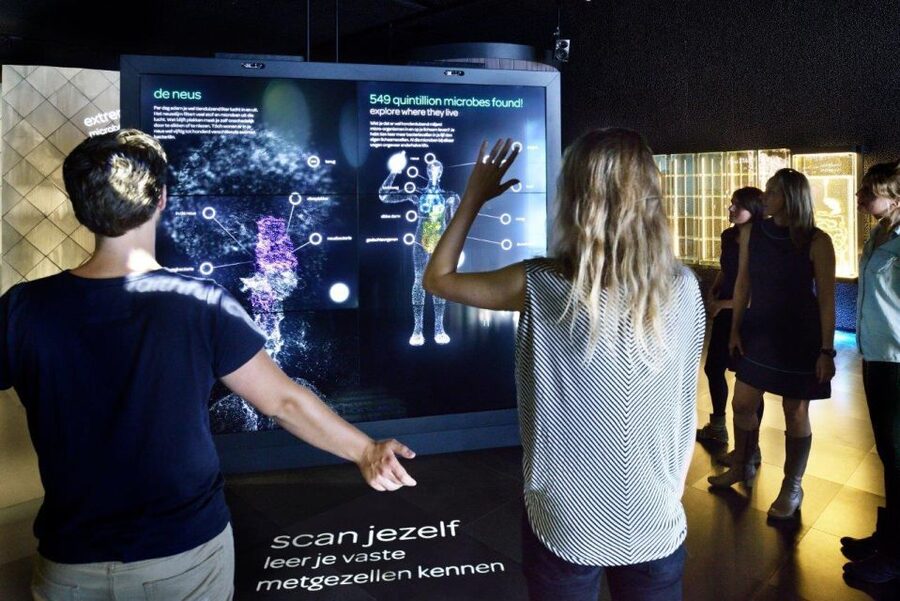
- The body scan is the star attraction: Discover how many microbes may live on and inside your body.
- This is a real museum, not a simple science display: Expect microscopes, living cultures, lab views, animations, models, and hands-on stations.
- Children have built-in activities: Collect microbe stamps, and during spring break, pick up the free Micro Mission.
- Plan 45 minutes to 2 hours: Your visit depends on how much you read and how long you wait at the interactive exhibits.
- ARTIS Zoo is right next door: A combination ticket can add the zoo or ARTIS-Groote Museum to your day.
- It is practical for many visitors: Micropia is wheelchair accessible, open daily, and offers Dutch and English information.
Why a microbe museum works in Amsterdam
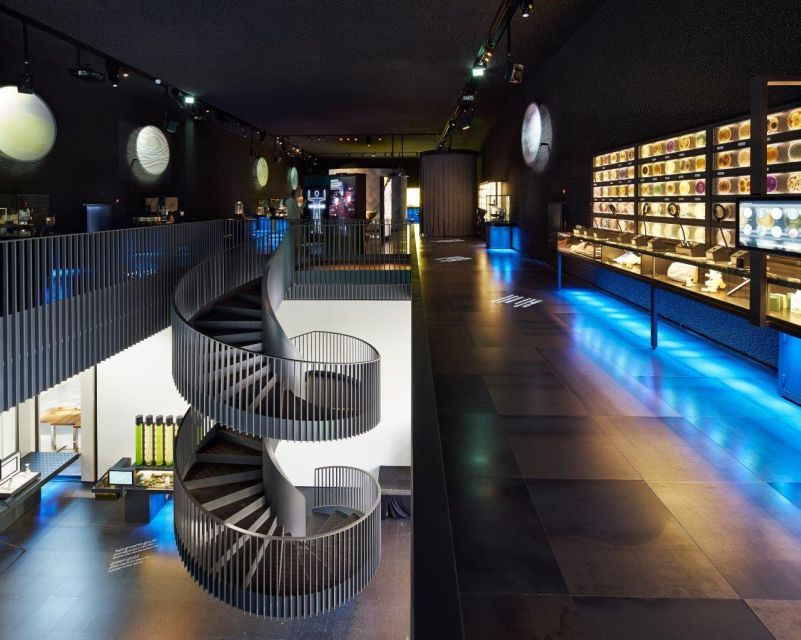
Amsterdam has plenty of grand museums, but Micropia offers a different kind of sightseeing. You are not looking at paintings, royal rooms, or historic ships. You are looking at the small organisms that help produce food, support digestion, and keep natural systems in balance.
That idea gives the museum a useful focus. Microbes are often treated as something unpleasant or dangerous, yet many are essential to daily life. Micropia shows both sides without making the subject too technical. You learn that microbes can affect health, food, animals, plants, and the wider natural world.
The museum’s location helps. It is at Plantage Kerklaan 38-40, about a 10-minute walk from central Amsterdam. You can combine it with a walk through the Plantage area, coffee near ARTIS, or a longer visit to the zoo.
I would not make Micropia your only museum stop in Amsterdam. It is a focused attraction rather than a huge institution. But that focus is also its strength. You can understand the basic idea quickly, then spend more time at the stations that catch your interest.
More Museum Tours in Amsterdam
- Amsterdam: The Upside Down Museum Entrance Ticket
★ 4.4 · 9,506 reviews - Amsterdam: Red Light Secrets Museum Entry Ticket
★ 4.2 · 5,722 reviews - Amsterdam’s Weirdest Museum: Ripley’s Believe It or Not!
★ 4.5 · 4,920 reviews
The opening displays: seeing what normally stays invisible
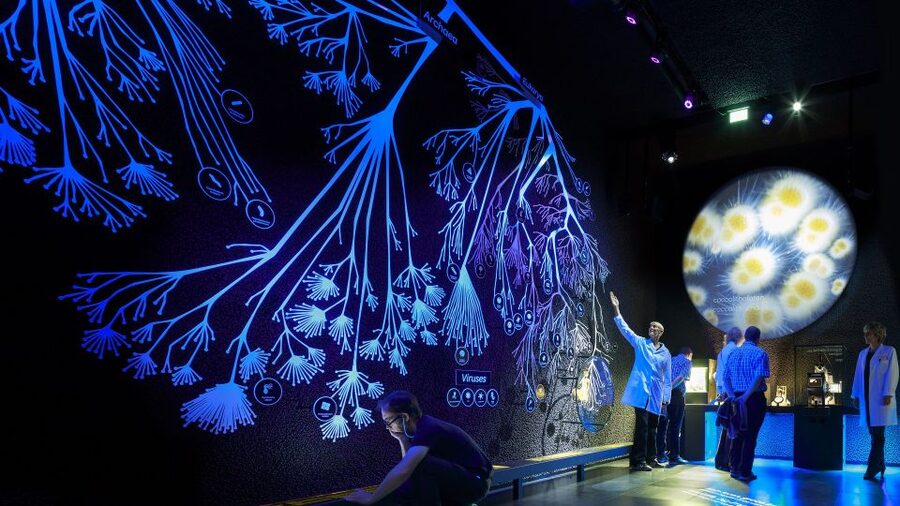
Micropia begins with a simple challenge: look at the world around you and remember that it is full of life too small for your eyes to see. The museum uses microscopes, enlarged models, animations, and interactive screens to give these organisms shape and character.
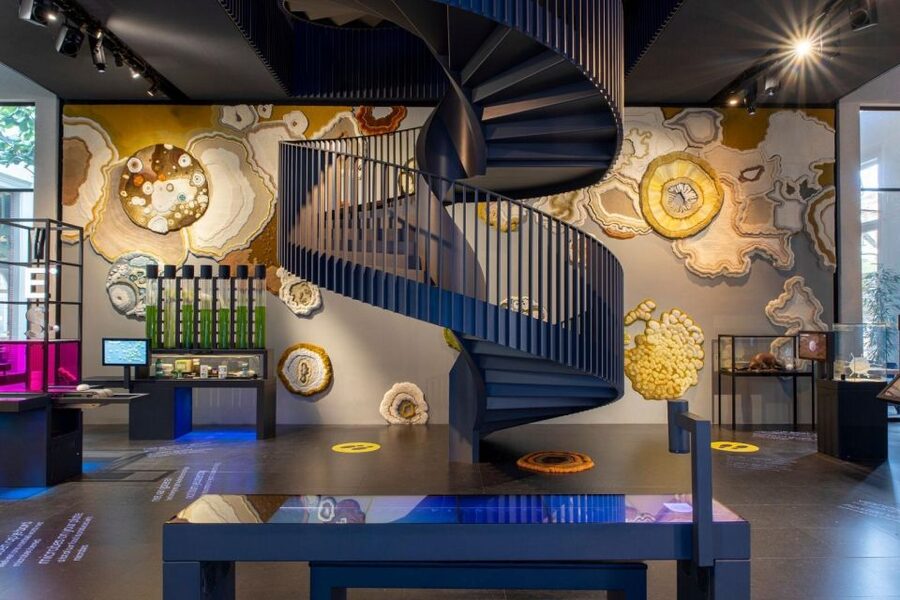
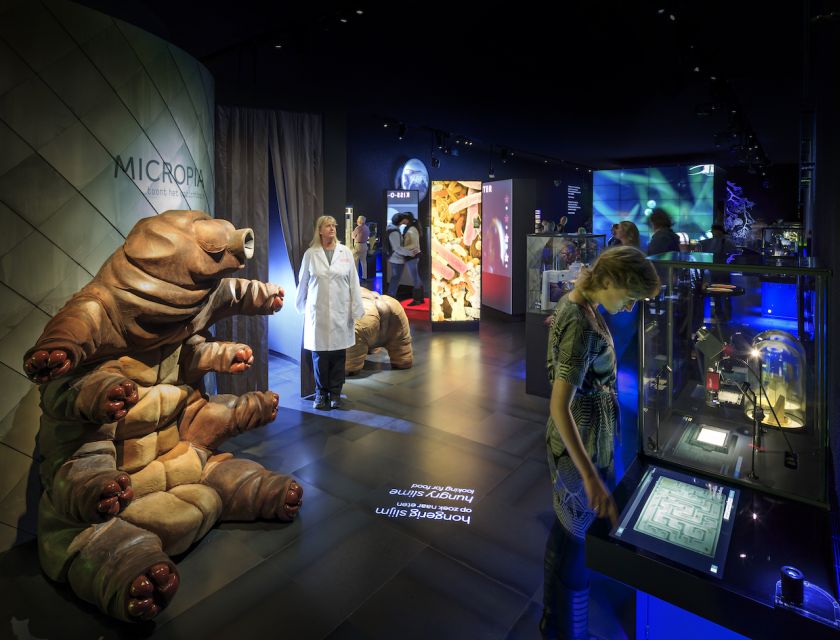
The visual side is one of the strongest parts of the visit. Large sculptures of bacteria and viruses help you grasp scale, while animated displays explain what these organisms do. The result is more approachable than a wall of scientific text.
You will find information about bacteria, fungi, and other microscopic life. Some displays focus on organisms that live in or on the human body. Others explain how microbes affect plants, animals, food, and natural systems.
I recommend taking your time here rather than rushing toward the more dramatic machines. The short explanations provide the context you need later. If you are visiting with children, this is also where the museum’s basic message becomes clear: tiny organisms are not all harmful, and many are part of a healthy system.
The body scanner and the personal side of microbiology
The body scanner is one of Micropia’s most memorable activities. It lets you explore the microbes associated with your body, both on the surface and inside you.
This station gives the subject a personal twist. It is one thing to hear that microbes live on human skin or help digest food. It is another to see a display connected directly to your own body. The results can look alarming at first, but the point is not that you are dirty or unhealthy. The point is that human life includes a large microbial community.
For children, this can be a useful way to make biology less abstract. For adults, it may be the exhibit that turns a general museum visit into a real lesson about digestion, health, and balance.
Do not expect a medical diagnosis. The scanner is an educational display, not a health test. Think of it as a visual explanation of how closely humans and microbes are connected.
Microscopes, living cultures, and the working-lab feel
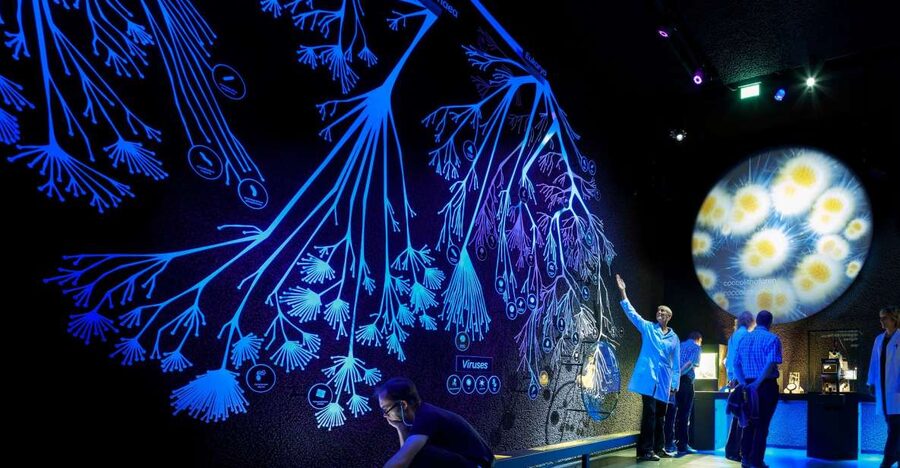
Micropia does not rely only on pictures. You can look at microbes through microscopes and see living material presented in ways that make the subject more immediate.
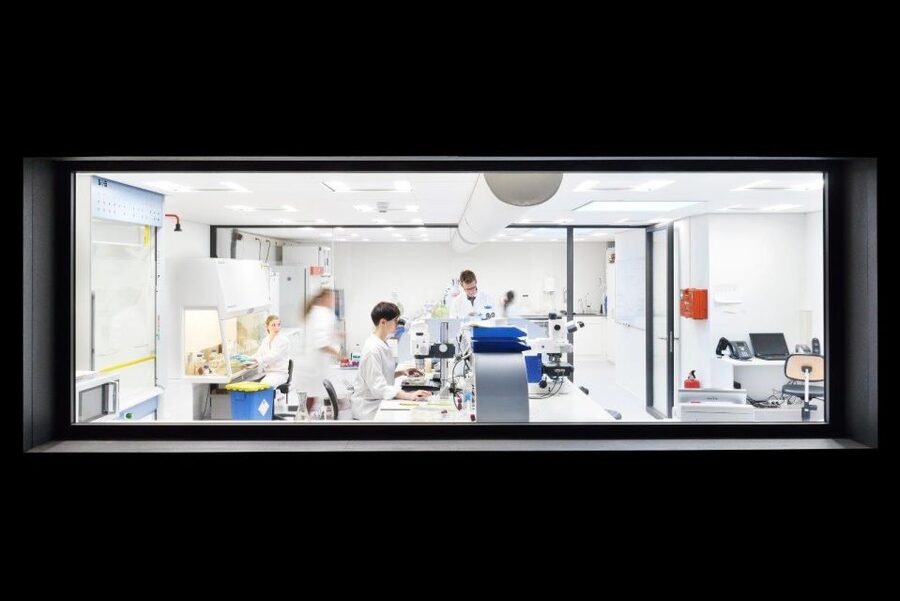
A visible laboratory adds to the atmosphere. You can see where the science behind the displays takes place, rather than treating the exhibits as finished objects with no process behind them. Daily lab talks take place in front of the Laboratorium, giving you a chance to learn more about what you are seeing.
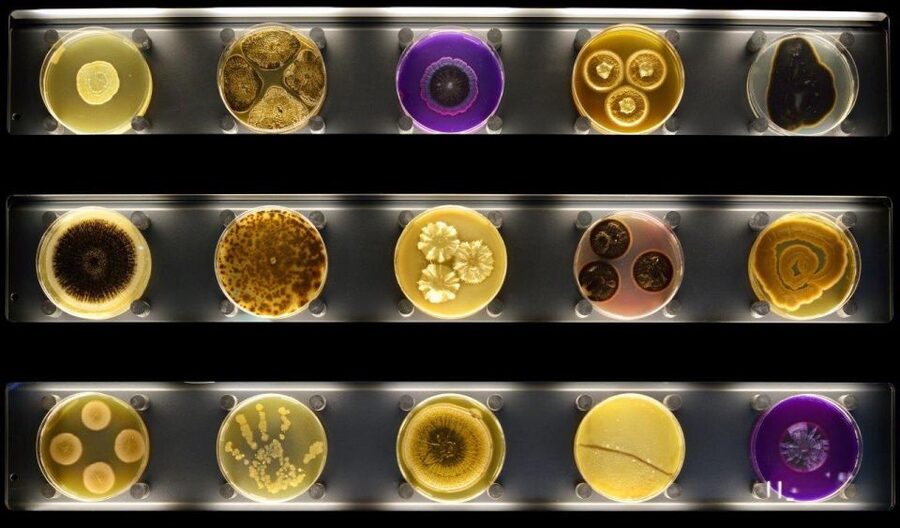
The museum also includes plates with growing moulds. These displays may not be beautiful in the usual museum sense, but they are effective. They show change and growth rather than presenting microbes as static diagrams.
The amount of detail depends on your level of interest. A biology student or scientist can spend a long time reading and comparing organisms. A casual visitor can focus on the main ideas and finish in under an hour. That flexibility is useful, but it also explains why some people may feel the $21 ticket is high for a short visit.
A few more museum visits around Amsterdam worth comparing
- Amsterdam: Van Gogh Museum Ticket and City Canal Cruise
★ 4.6 · 3,899 reviews - Amsterdam: Van Gogh Museum Ticket & Canal Cruise
★ 4.5 · 3,304 reviews - Amsterdam: NEMO Science Museum Ticket
★ 4.4 · 2,979 reviews - Moco Museum Amsterdam Admission Ticket with Banksy and more
★ 4.0 · 1,745 reviews
The stamp hunt and Micro Mission for children
Micropia works particularly well for families with children around 8 to 12. Younger children can enter free up to age 12, while the recommended age for the museum is 8 and older.
The stamp activity gives children a clear purpose. As you move through the museum, you can collect microbe stamps at different points. It turns the visit into a small quest and encourages children to stop at exhibits they might otherwise pass.
During spring break, children can also collect the free Micro Mission from the ticket desk. The activity looks at how plants, animals, and microbes depend on one another. One example explains how gut microbes help with digestion.
The Micro Mission is available each day during spring break from 10 a.m. to 5 p.m. If you are visiting outside that period, the stamp hunt remains the main child-focused activity mentioned for the museum.
I would still explain the subject to children before entering. The museum is interactive, but it is not a large play center. Children who enjoy science, animals, puzzles, and hands-on learning should get the most from it.
How long to allow, and how to judge the price
Allow at least 45 minutes for a brisk visit. If you read the information, wait for interactive stations, watch a lab talk, and explore the displays carefully, plan on roughly 90 minutes to two hours.
That range matters when judging the $21 price. Micropia is not cheap for a small museum, especially if you are visiting as a family and paying for adults. Children from birth through age 12 can enter free, which improves the value for families.
The ticket makes more sense if you are genuinely interested in biology or want a compact indoor activity near ARTIS. It makes less sense if you expect a large museum with many rooms and a full half-day of entertainment.
You can also consider a combination ticket that includes the ARTIS-Groote Museum or ARTIS Zoo. The nearby attractions make it easier to build a fuller day, and one visitor found that a Micropia visit led to a discount on the zoo. Check the current combination offer before booking, since the supplied ticket information confirms the option but not a fixed discount or price.
Pairing Micropia with ARTIS Zoo and the Groote Museum
Micropia is next to ARTIS Amsterdam Royal Zoo, so it fits neatly into a broader day. The museum ticket itself does not include zoo admission or entry to the ARTIS-Groote Museum.
The zoo gives you a very different experience, with animals and outdoor spaces. The Groote Museum focuses on connections among humans, animals, plants, and microbes. That makes it the most natural companion if you want to continue the museum’s main idea about interdependence.
You do not need to visit all three attractions. Micropia works on its own, especially if you have a limited schedule. But if you want a full day around science and nature, the combination offers more value than Micropia alone.
The ARTIS setting also gives you somewhere to pause before or after your visit. The area includes a garden and nearby cafes, and you may find it pleasant to have a coffee or sandwich while looking toward the zoo grounds.
Practical details for a smoother visit
Micropia is open daily from 10 a.m. to 5 p.m. Special holiday hours apply: it opens from 9 a.m. to 5 p.m. on December 24, 25, and 26, from 9 a.m. to 4 p.m. on December 31, and from 10 a.m. to 5 p.m. on January 1.
The ticket is valid for one day, with starting times shown when you check availability. Since the museum is compact, timed entry can affect how quickly you reach the most popular stations.
Dutch and English are supported, and the activity includes a Dutch or English host or greeter. The museum is wheelchair accessible. Free lockers have been available for bags and coats, which is useful because several exhibits work better when you have both hands free.
A few practical points are worth keeping in mind:
- Go early if you want a quieter look at the individual displays.
- Give yourself extra time during school holidays.
- Ask about the daily lab talk when you arrive.
- Collect the children’s stamp materials at the ticket desk.
- Check the current opening hours around public holidays.
- Cancel up to 24 hours in advance for a full refund if your plans change.
- A reserve-now, pay-later option is available, which can help if your Amsterdam schedule is still shifting.
One facility issue has been noted: the toilets may not be as clean as you would expect from a museum about microbes. That is a small point, but worth knowing.
Who will enjoy Micropia most
I would recommend Micropia to adults who enjoy biology, medicine, food science, or the natural world. A scientist or microbiologist may want to read nearly every panel, study the mould displays, and ask questions during the lab talk.
Families with children around 8 and older are another strong match. The scanner, stamp hunt, and interactive screens give children several ways to take part. Free entry for children up to 12 also helps with the cost.
Couples and solo visitors can enjoy it too. You do not need a science background, and the visual displays make the subject accessible. Still, you should have some curiosity about how living systems work. If your ideal museum visit involves art, architecture, or major historic objects, Micropia may feel too specialized.
Should you book ARTIS-Micropia?
Book it if you want a short, unusual museum visit that explains how microbes affect your body, food, and nature. The body scanner, laboratory setting, microscopes, mould cultures, and strong visual displays give the visit more substance than a simple collection of science posters.
For families, the free child admission, stamp hunt, and spring-break Micro Mission make the experience easier to recommend. For adults, the decision depends on your interest level and pace. At $21, I would book Micropia as part of a day near ARTIS, especially if you plan to add the zoo or Groote Museum.
Skip it if you only have time for Amsterdam’s biggest museums or if you are unlikely to spend more than 45 minutes inside. But if you are curious about the tiny organisms that keep your body and the natural world working, Micropia offers an experience you will not find elsewhere.
FAQ
Where is ARTIS-Micropia located?
ARTIS-Micropia is at Plantage Kerklaan 38-40 in Amsterdam, about a 10-minute walk from the city center.
How much does admission cost?
The listed price is $21 per person. Children from age 0 through 12 can enter free.
How long does a visit take?
A quick visit may take about 45 minutes. If you read the displays, use the interactive stations, and attend a lab talk, you may spend close to two hours.
Is ARTIS Zoo included with the Micropia ticket?
No. Admission to ARTIS Amsterdam Royal Zoo is not included. You can check combination ticket options if you want to visit both.
Is the ARTIS-Groote Museum included?
No. The ARTIS-Groote Museum is not included with standard Micropia admission, but combination tickets may be available.
What age is Micropia suitable for?
The recommended age is 8 years and older. Children up to age 12 can enter free.
What are Micropia’s opening hours?
Micropia is open daily from 10 a.m. to 5 p.m. Special holiday hours apply on December 24, 25, 26, December 31, and January 1.
Is Micropia wheelchair accessible?
Yes. The museum is wheelchair accessible. Information and assistance are available in Dutch and English.
Just added around Amsterdam
- Van Gogh Museum with Audio Guide★ 3.5 · 80 reviews
- Van Gogh Museum Tour excluding Entrance Tickets★ 5.0 · 16 reviews
- Van Gogh Museum Entry Ticket and Guided Tour★ 4.5 · 48 reviews
- Amsterdam: Explore the Van Gogh Museum & His Masterpieces★ 3.5 · 64 reviews
- Van Gogh Museum Skip the Queue with Audio Guide★ 4.0 · 261 reviews
- Amsterdam Van Gogh Museum with Audio or Guided Tour★ 4.0 · 266 reviews
- Van Gogh Museum, Rijks Museum & Walking Tour – Private Day Tour★ 5.0 · 17 reviews
- Van Gogh Museum Ticket with Audio Guide and Unlimited Access Time★ 5.0 · 25 reviews
Museum Tours in Amsterdam, compared.


Amsterdam’s Weirdest Museum: Ripley’s Believe It or Not!
Read our review →


Van Gogh Museum Amsterdam Exclusive Tour w/ Reserved Entry
Read our review →
Moco Museum Amsterdam Admission Ticket with Banksy and more
Read our review →Browse the lists this tour appears in