
Review · PALACE MUSEUM
Taipei: National Palace & Shung Ye Aborigines Museums Ticket
The National Palace Museum holds an extraordinary sweep of Chinese art, from bronze ritual vessels and calligraphy to the famous Jadeite Cabbage and Meat-Shaped Stone. Pairing it with the much smaller Shung Ye Museum gives you two useful views of Taiwan: imperial Chinese traditions on one side, and the island’s Indigenous cultures on the other.
I like the simple one-day ticket and the chance to see two very different museums without paying for a guided tour. I also like that entry is handled by QR code, which can make the start quick. The main drawback is scale: the National Palace Museum can feel overwhelming, while Shung Ye is small enough to see in about 30 minutes.
Key points
- Two museums, one cultural day: Compare Chinese imperial art with Taiwan’s 14 recognized Indigenous tribes.
- Famous objects included: Look for the Jadeite Cabbage, Meat-Shaped Stone, bronze vessels, and calligraphy scrolls.
- A useful audio guide option: An audio guide can help you focus on the most important works at the National Palace Museum.
- Shung Ye is compact: Its displays on clothing, hunting tools, ceremonies, and tribal arts are worthwhile but brief.
- Self-guided and flexible: No guide, meals, or hotel transfers are included, so you set your own pace.
- Good value at $12: The ticket covers admission to both museums and their permanent and special exhibits.
Start with 5,000 years of Chinese art
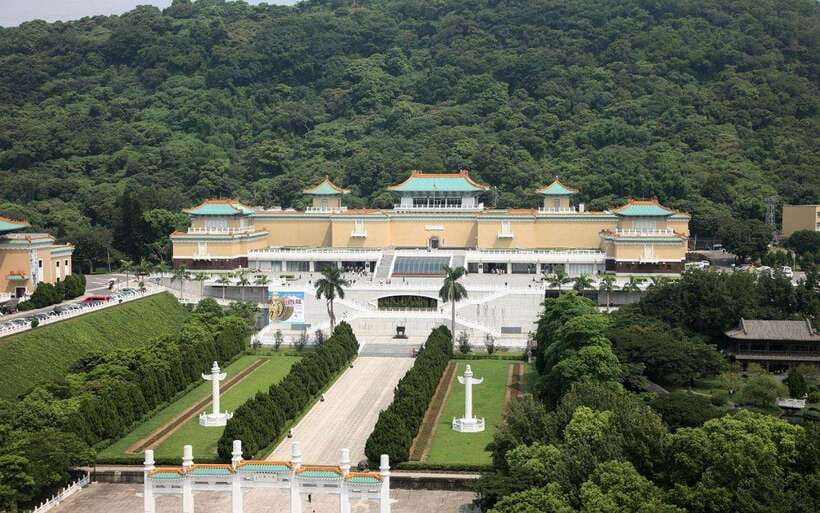
The National Palace Museum is the main event. Its collection reaches across roughly 5,000 years of Chinese art and culture, giving you a chance to see objects connected with several past dynasties and periods.
You are not simply walking through a room of attractive antiques. The displays show how Chinese rulers, scholars, artists, and craftsmen expressed power, religion, taste, and daily life through objects. Bronze ritual vessels point to early ceremonial traditions. Calligraphy scrolls show how writing became an art form. Carved jade reveals the patience and skill required to turn a small stone into a prized object.
The scale is both the museum’s strength and its challenge. You can spend hours looking at works that represent different periods and styles, but the number of objects may eventually blur together. I recommend choosing a few subjects before you begin, such as jade, ceramics, painting, bronze, or calligraphy, then giving yourself permission to pass by the rest.
The museum layout is considered manageable despite the size of the collection. That matters because a huge collection can otherwise feel like a long corridor with no clear end. You can move through the displays at your own pace and return your attention to the pieces that interest you most.
More palace museums in the world:
- Istanbul: Topkapi Palace & Harem Museum Ticket & Audio Guide
★ 4.1 · 3,977 reviews - Venice’s Best: Basilica, Doge’s Palace, Gondola & History Gallery
★ 4.5 · 2,478 reviews - Royal Palace & Prado Museum Skip the Line Guided Tour
★ 4.5 · 1,347 reviews
Finding the Jadeite Cabbage and Meat-Shaped Stone
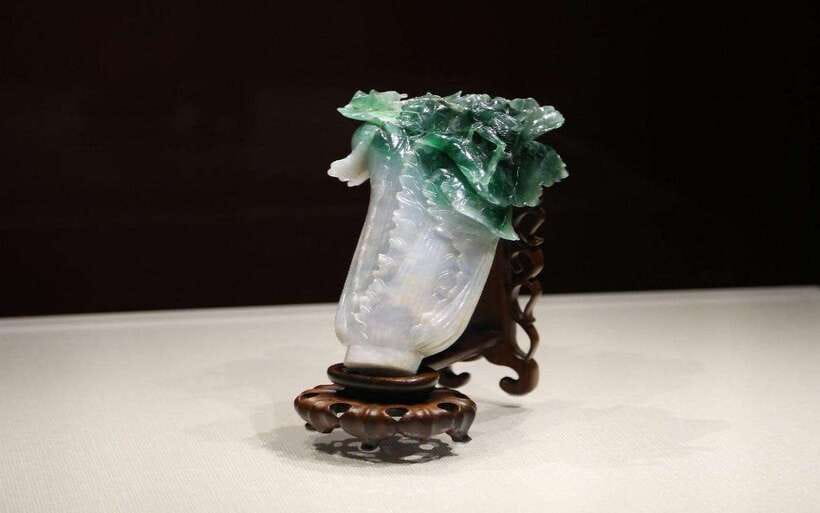
Two small objects receive much of the attention, and it is easy to understand why.
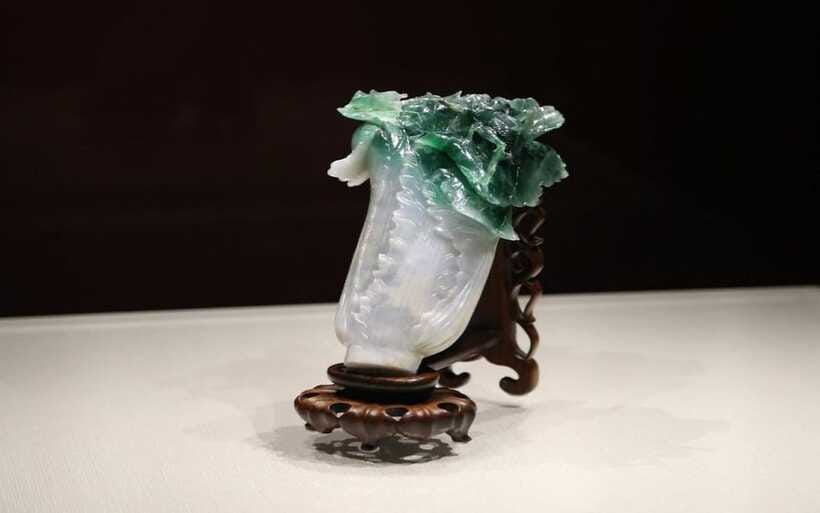
The Jadeite Cabbage is carved from a piece of jadeite chosen for its natural color variation. The pale stone and green section are used to suggest a head of cabbage, while the detailed carving turns the material into something instantly recognizable. Its appeal comes from the contrast between ordinary subject matter and painstaking craftsmanship.
The Meat-Shaped Stone is another famous object. Its appearance is intentionally close to a small piece of cooked pork, showing how far an artist could push the natural qualities of stone. It is an amusing work, but it also makes a serious point about observation and technical skill.
These two objects can attract a crowd, so do not build your entire visit around seeing them in perfect isolation. If one display is busy, continue through the galleries and return later if possible. The museum offers much more than its two celebrity pieces.
A visit is more rewarding when you treat the cabbage and meat-shaped stone as introductions rather than the finish line. They help you notice the wider tradition of carving, close observation, and respect for unusual natural materials.
Why the National Palace Museum benefits from an audio guide
This is a self-guided ticket. You do not receive a personal guide, so the museum’s audio guide can be a sensible extra if it is available during your visit.
The collection covers so much time and subject matter that a little explanation can make a major difference. An audio guide can help you understand why a bronze vessel matters, how a calligraphy scroll should be viewed, or what makes a particular piece unusual.
Without added context, you may remember only the famous objects. With guidance, you are more likely to notice the links between materials, ceremony, writing, craftsmanship, and court life.
I would not try to listen to every explanation. Pick the works that catch your eye, then use the audio guide to add meaning. This keeps the visit from turning into an exhausting lesson and lets you spend more time with objects that genuinely interest you.
Multilingual staff are described as helpful and efficient, which is useful if you need assistance inside the museum. Still, the ticket itself does not include a guided tour, so plan to make your own route.
A different Taiwan at Shung Ye Museum
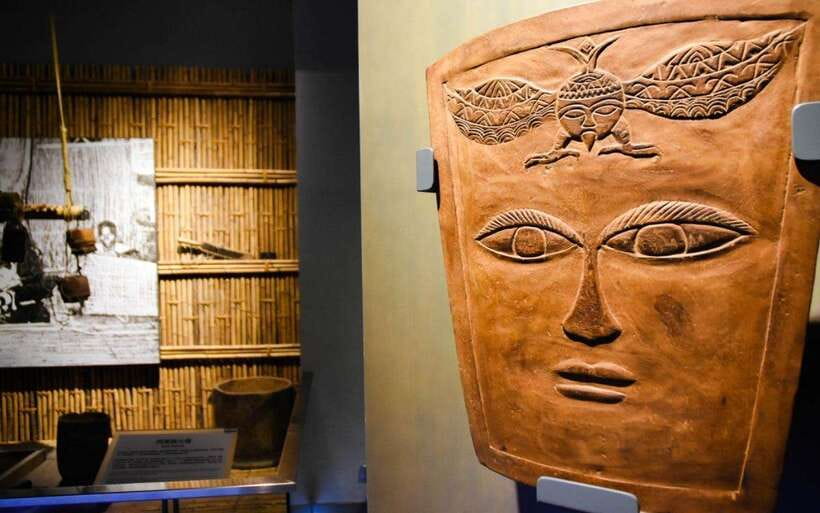
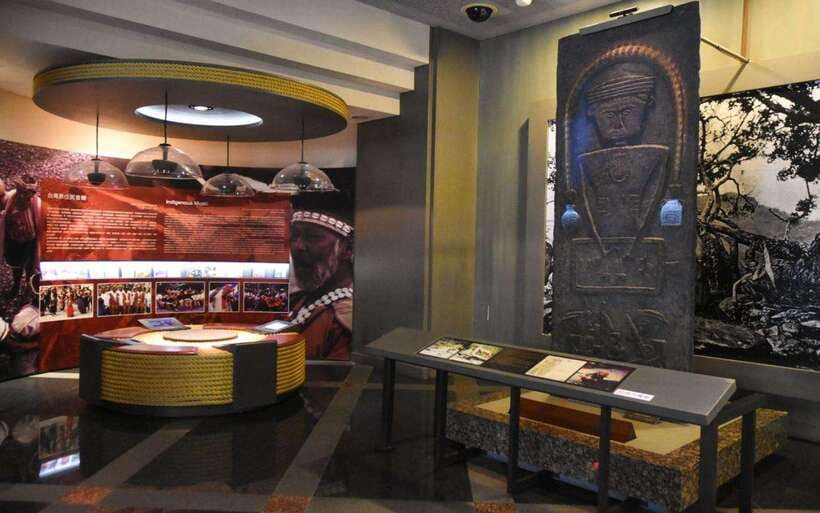
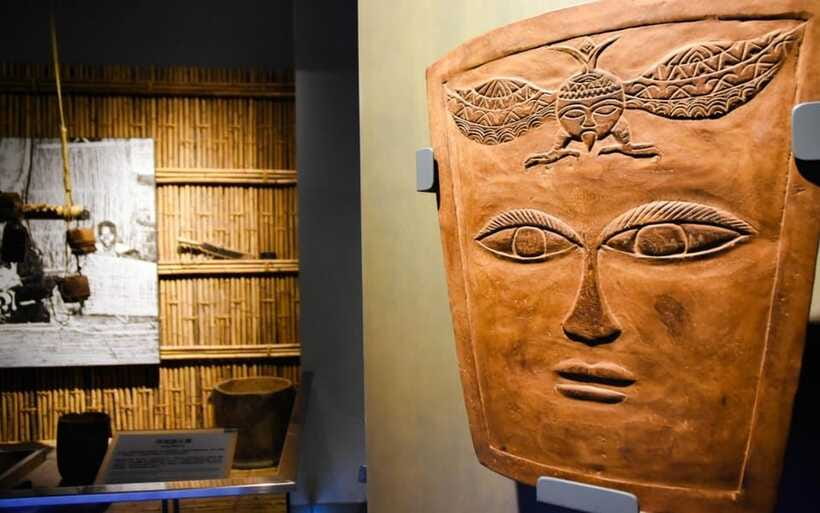
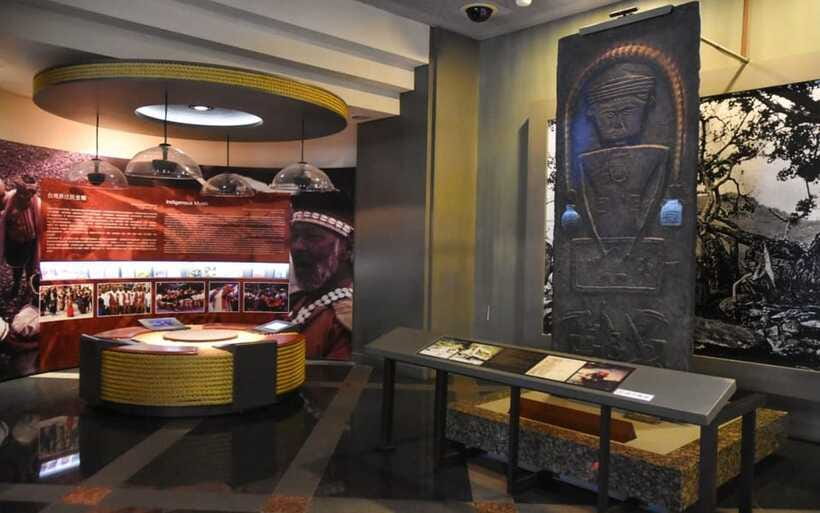
The Shung Ye Museum of Formosan Aborigines changes the subject completely. Instead of focusing on imperial Chinese art, it introduces the history and culture of Taiwan’s 14 recognized Indigenous tribes.
The museum displays traditional clothing, hunting tools, ceremonial objects, tribal arts, and handicrafts. These objects offer a direct way to think about how communities expressed identity, used local materials, prepared for ceremonies, and organized daily life.
Multimedia displays add movement and sound to the visit. They help connect the objects with traditions and ways of life, rather than leaving clothing or tools as isolated museum pieces.
The Shung Ye Museum is much smaller than the National Palace Museum. You may be able to see it in about 30 minutes, especially if you read only selected labels. That short visit is not necessarily a weakness. After several hours of Chinese art, a compact museum can provide a clear change of pace.
Its smaller size does mean you should set your expectations correctly. This is not another vast collection. It is a focused introduction to Taiwan’s Indigenous cultures, and its value comes from the subject matter and the contrast with the National Palace Museum.
A few more museum visits around the world worth comparing
- Vatican: Museums & Sistine Chapel Entrance Ticket
★ 4.5 · 144,003 reviews - Paris: Louvre Museum Timed-Entrance Ticket
★ 4.6 · 71,977 reviews - Amsterdam: Van Gogh Museum Ticket
★ 4.7 · 52,054 reviews - NYC: 9/11 Memorial & Museum Timed-Entry Ticket
★ 4.8 · 31,428 reviews
Why visiting both museums works
The two museums create a useful pairing. The National Palace Museum presents art connected with Chinese civilization and imperial traditions. Shung Ye focuses on the Indigenous peoples who have lived in Taiwan and developed their own languages, customs, objects, and ceremonies.
That contrast makes the day more meaningful than visiting either museum alone. You see that Taiwan’s cultural story is not one single line. It includes Chinese artistic traditions, Indigenous societies, outside influence, colonial rule, occupation, and the continuing effort to understand and preserve distinct identities.
The Shung Ye displays also make a difficult point about the effects of colonialism and occupation on Indigenous peoples. You may find the museum modest in size, but its subject carries real weight. The exhibits provide a useful reminder that Taiwan’s past cannot be understood only through Chinese dynasties and court art.
I especially like the order suggested by the ticket: begin with the National Palace Museum, then visit Shung Ye. Start with the large collection and familiar famous objects. Finish with a narrower, more personal look at Taiwan’s own Indigenous cultures.
Planning your one-day museum visit
The ticket is valid for one day, and you should treat it as a flexible museum pass rather than a fixed tour. No starting time, guide, food, or hotel pickup is included. You are responsible for getting between the two museums and arranging your own meals.
Because the National Palace Museum is the larger stop, give it the greater share of your time. A rushed visit can leave you with only a few photographs and little sense of the collection. If ancient art is a major interest, plan for an unhurried visit and take breaks as needed.
Then allow time for Shung Ye. Even a short visit is worthwhile if you pay attention to the objects and displays instead of treating it as an afterthought.
Food and drinks are not allowed inside exhibit areas. Plan to eat before or after the museum visit, or use an appropriate area outside the galleries. This small detail matters during a full day of sightseeing, especially if you are traveling with children or anyone who needs regular snacks.
Flash photography is not allowed inside either museum. Follow the rule carefully, both to protect the objects and to avoid disturbing other people. The ticket includes access to permanent and special exhibits, but displays can change, so do not assume that every featured object will be in the same place on every visit.
What the $12 ticket is worth
At $12 per person, the ticket offers good value if you genuinely plan to visit both museums. Admission to the National Palace Museum alone gives you access to a major international collection, while the second admission adds a completely different subject at a low extra cost.
The value is less clear if you only want to see the Jadeite Cabbage and Meat-Shaped Stone. Those objects are famous, but a museum visit built around two pieces may feel too short for the price of your time. The National Palace Museum rewards patience, so you should be prepared to look beyond the headline objects.
The ticket also suits independent visitors who do not need a guide. You pay for entry and choose your own pace. If you want detailed historical explanation throughout the day, you will need to use an audio guide if available or make your own arrangements, since guided tours are not included.
The QR code entry is another practical advantage. You can present it at the entrance instead of dealing with a lengthy ticket purchase on site. The ticket also offers free cancellation up to 24 hours in advance and a reserve-now, pay-later option, which can help if your Taipei schedule is still changing.
Who should book this experience
I would recommend this ticket to museum lovers, first-time visitors who want cultural context, and anyone interested in both Chinese art and Taiwan’s Indigenous cultures.
It also works well for a mixed-interest group. One person may prefer jade, bronze, and calligraphy, while another may be more interested in clothing, tools, and ceremonies. The two museums are different enough that both people should find something worth their attention.
Families can use the flexibility to shorten either visit, though young children may tire at the National Palace Museum. Students and history-minded visitors will benefit from taking notes or using an audio guide, especially because the collection spans such a long period.
I would be more cautious if you dislike museums, need a fully guided experience, or have limited time in Taipei. The ticket does not include transportation, meals, or a personal guide, and the two museums require you to manage the day yourself.
Wheelchair users should also take note that accessibility is limited and the experience is not considered suitable for wheelchair users. If mobility access is essential, confirm the current arrangements before booking.
Is this two-museum ticket right for you?
Book it if you want a self-guided cultural day with a strong mix of famous objects and less familiar stories. The National Palace Museum gives you scale, craftsmanship, and thousands of years of Chinese art. Shung Ye adds Taiwan’s Indigenous cultures and prevents the day from being limited to an imperial viewpoint.
Skip it if your schedule is extremely tight or if you want a guided tour with transportation included. The best use of the ticket is an unhurried visit, with enough time to look beyond the Jadeite Cabbage and give Shung Ye more than a quick photograph.
For $12, this is a practical choice for independent visitors. Bring curiosity, plan your time, consider the audio guide, and remember that the smaller museum is important precisely because it covers a subject that many Taipei itineraries leave out.
FAQ
How long is the ticket valid?
The ticket is valid for one day.
What museums are included?
The ticket includes admission to the National Palace Museum and the Shung Ye Museum of Formosan Aborigines.
Does the ticket include the Jadeite Cabbage?
Yes. Admission to the National Palace Museum is included, giving you access to its exhibits, including the famous Jadeite Cabbage when it is on display.
Is the Meat-Shaped Stone included?
Yes. It is one of the well-known objects associated with the National Palace Museum and is included with museum admission when on display.
Does the ticket include a guided tour?
No. Guided tours are not included.
Is an audio guide included?
The ticket information does not state that an audio guide is included. An audio guide is worth considering at the National Palace Museum because the collection is large and covers thousands of years.
What does the Shung Ye Museum cover?
It presents the history and culture of Taiwan’s 14 recognized Indigenous tribes, including traditional clothing, hunting tools, ceremonial objects, tribal arts, and handicrafts.
Are food and drinks allowed inside the exhibits?
No. Food and drinks are not allowed inside the exhibit areas.
Is flash photography permitted?
No. Flash photography is not allowed inside the museums.
Is the experience wheelchair accessible?
Accessibility is limited, and the experience is not considered suitable for wheelchair users.
Just added around the world
- Girona, Figueres, Dalí Museum and Cadaqués Tour from Barcelona★ 4.5 · 36 reviews
- Football Club Barcelona Museum Immersive Tour Guided Visit★ 3.5 · 52 reviews
- Erotic Museum Admission Ticket with Audioguide★ 5.0 · 527 reviews
- Dali Museum and Costa Brava Small Group Day Trip from Barcelona★ 5.0 · 77 reviews
- Madrid by High-Speed Train with Prado Museum Private Tour★ 4.0 · 33 reviews
- Guitar Legends Hall: Entrance to the Immersive Rock Museum★ 5.0 · 25 reviews
- White Rabbit Museum: The Best Immersive Experience in Catalonia★ 5.0 · 538 reviews
- Private Dali Museum, Besalú & Girona Tour from Barcelona★ 5.0 · 15 reviews
Palace Museum Tours, compared.
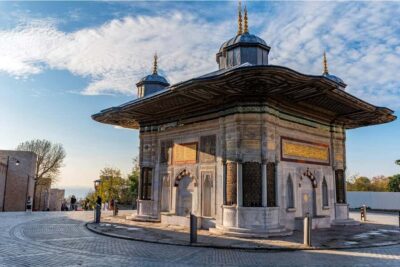
Topkapi Palace & Harem Museum Ticket & Audio Guide
Read our review →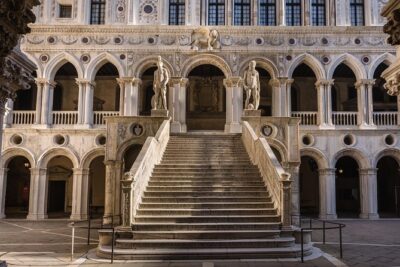
Venice’s Best: Basilica, Doge’s Palace, Gondola & History Gallery
Read our review →
Royal Palace & Prado Museum Skip the Line Guided Tour
Read our review →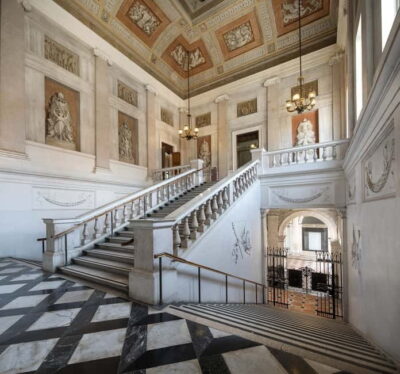
City Pass with Museums including Doge’s Palace
Read our review →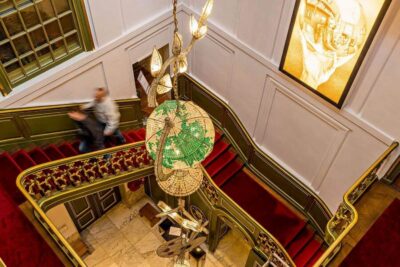
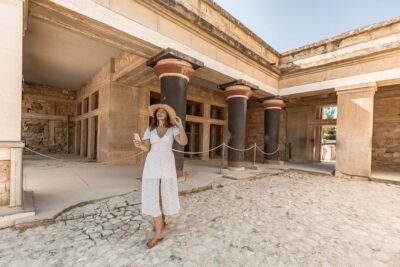
Crete: Knossos Palace and Museum E-Tickets with Audio Guides
Read our review →
Venice Museum Pass & Doge’s Palace Entrance Ticket
Read our review →
Palace, Museum, Madrasa & Medina Highlights Tour
Read our review →Browse the lists this tour appears in