Review · TICKETS
Singapore: Asian Civilisations Museum E-Ticket
The most rewarding part of the Asian Civilisations Museum is its range. In one visit, you can move from Hindu sculpture to Chinese ceramics, from shipwreck pottery to Southeast Asian woodcarving. The displays connect objects to the trade, faith, and cultural exchanges that shaped Singapore and the wider region.
I like the clear mix of history and art, and I like that the $8 ticket keeps this an affordable indoor stop. The main thing to consider is that admission covers the permanent galleries only, so you will pay separately for any special exhibition.
Key points
- Shipwreck ceramics: See pottery recovered from an ancient shipwreck, one of the museum’s most memorable object groups.
- Religious sculpture: Hindu statues and works linked to different Asian faiths show how belief shaped art.
- Textiles and jewelry: Fine fabrics, embroidered work, batik, and ornate adornments reveal both skill and social status.
- Southeast Asian focus: Thai ceramics and Indonesian woodcarving give regional traditions their own space.
- Flexible visit: Go directly to the museum and explore the permanent galleries at your own pace.
- Low entry price: At $8 per person, this is an easy addition to a Singapore sightseeing day.
A $8 introduction to Asia’s connected cultures
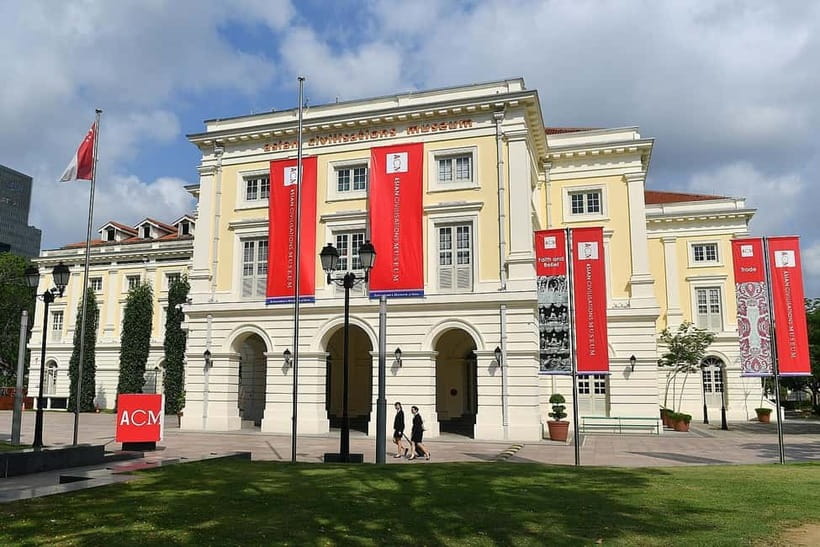
The Asian Civilisations Museum gives you a useful way to read Singapore. The city is not presented as an isolated modern center. Instead, its story is tied to the movement of people, objects, religions, and ideas across Asia.
That approach makes the museum more than a display of old objects. A ceramic bowl is not only a piece of pottery. A statue is not only a religious image. Each object hints at the networks that carried materials, beliefs, artistic styles, and technical skills from one place to another.
The ticket costs $8 per person. That is a modest price for an indoor cultural visit, especially if you want a break from Singapore’s heat or rain. You should remember that the ticket includes the permanent galleries only. If a temporary exhibition interests you, check the current admission details before arriving.
This is a self-guided museum visit rather than a tour with a named guide. You proceed directly to the Asian Civilisations Museum for redemption, then explore on your own. That gives you freedom, but it also means you need to bring your own curiosity and allow enough time to read and compare the displays.
A few more museum visits around the world worth comparing
- Vatican: Museums & Sistine Chapel Entrance Ticket
★ 4.5 · 144,003 reviews - Paris: Louvre Museum Timed-Entrance Ticket
★ 4.6 · 71,977 reviews - Amsterdam: Van Gogh Museum Ticket
★ 4.7 · 52,054 reviews
Start with the story of Asian civilisation
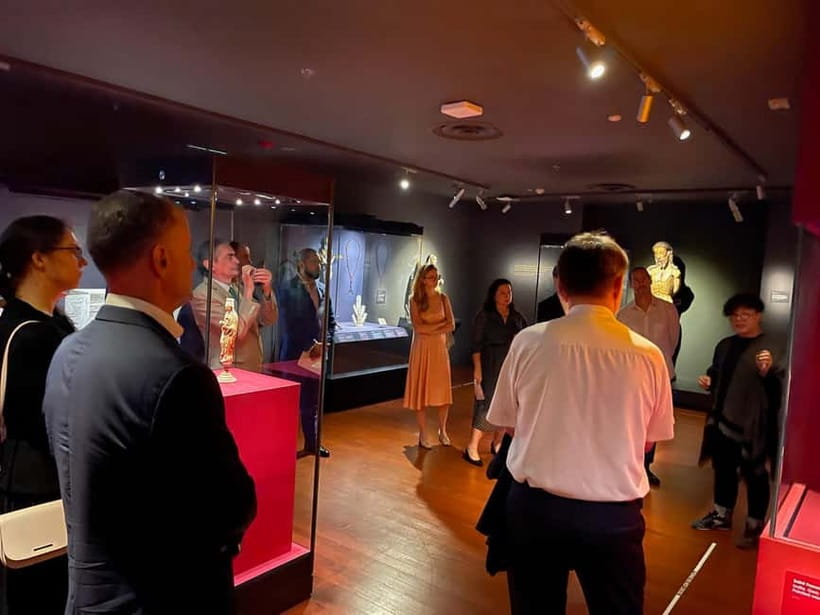
The first gallery takes a chronological approach. It traces the origins and development of Asian civilisations through archaeological finds and older objects.
This is a sensible place to begin because it gives you a broad frame before the displays become more focused. You can see how objects reflect changing technology, religious practice, trade, and artistic taste. The museum covers a large region, so this opening section helps you understand that Asia is not one single cultural block.
Look for the contrast between the objects. Hindu sculptures carry a strong religious and symbolic purpose. Ancient Chinese ceramics show control of shape, surface, and decoration. These differences are useful because they prevent the collection from becoming a blur of old things.
I would take this first area slowly rather than rushing toward the most decorative displays. The museum’s value comes from making connections. Notice the materials, the figures represented, and the level of craftsmanship. Even a short visit feels more rewarding when you ask what an object was made for and what it tells you about the society that produced it.
The chronological format may feel broad if you already know Asian art well. For most visitors, though, it works as a clear introduction. You get the main outline before choosing the parts that deserve more of your attention.
Shipwreck pottery and the movement of goods
One of the collection’s most distinctive features is pottery found in a shipwreck. These ceramics offer a direct link between art and commerce.
A shipwreck collection can show you that beautifully made objects were not always created only for palaces or temples. They could also be packed, traded, transported, and sold across long distances. A broken or recovered cargo can reveal the practical side of Asian history in a way that a single perfect object may not.
The pottery also helps explain Singapore’s place in regional exchange. The museum uses art and material culture to show connections between Asia and the wider world. The objects are therefore valuable for what they look like and for the journeys they represent.
I would give this display extra time if you enjoy ceramics or maritime history. The shapes and decoration may seem quiet compared with the sculpture and jewelry, but the shipwreck context adds a strong human story. These pieces were part of a working trade system, not simply objects made to sit behind glass.
The collection is not presented as a complete history of every trade route, so do not expect a full maritime museum. Instead, treat the pottery as a clear example of how objects moved between cultures.
Religious sculpture with meaning behind the form
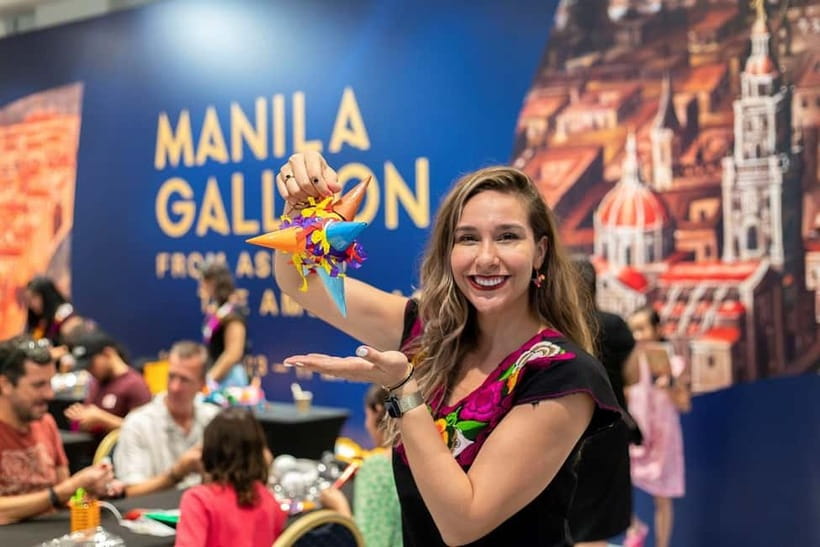
The sculpture displays include Hindu gods and works connected to different religions. These pieces give the museum a strong visual center.
Religious art can be difficult to read if you are unfamiliar with its symbols. The museum’s broad coverage helps by placing different traditions within a larger Asian setting. You can compare posture, clothing, gesture, and decorative detail across works from different cultures.
The Hindu sculptures are especially useful for showing how art can carry a story or belief system. Their forms are not simply decorative. The figures, gestures, and attributes have meaning, and their appearance reflects the religious world in which they were made.
Other religious pieces widen the picture. Instead of presenting one tradition as the main story, the galleries show the range of beliefs that shaped Asian societies. This is one of the museum’s strongest educational features.
If you are visiting with children, this section can work well as a visual stop, but children must remain with an adult at all times. Younger children may respond more to the figures and poses than to the historical detail. You can keep the visit manageable by choosing a few objects to discuss instead of trying to explain every label.
Same city, a completely different collection:
- Vatican Museums, Sistine Chapel & St. Peter’s Basilica Tour
★ 4.3 · 73,970 reviews - Vatican Museums, Sistine Chapel & St Peter’s Basilica Guided Tour
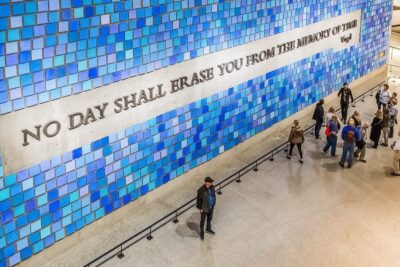
★ 4.5 · 39,149 reviews - NYC: 9/11 Memorial & Museum Timed-Entry Ticket
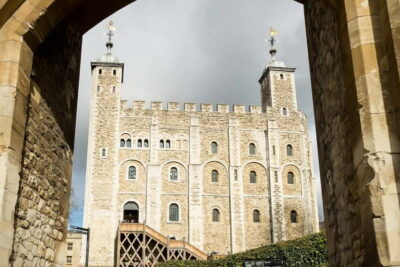
★ 4.8 · 31,428 reviews - London: Tower of London and Crown Jewels Exhibition Ticket
★ 4.6 · 28,769 reviews
Textiles that reward a closer look
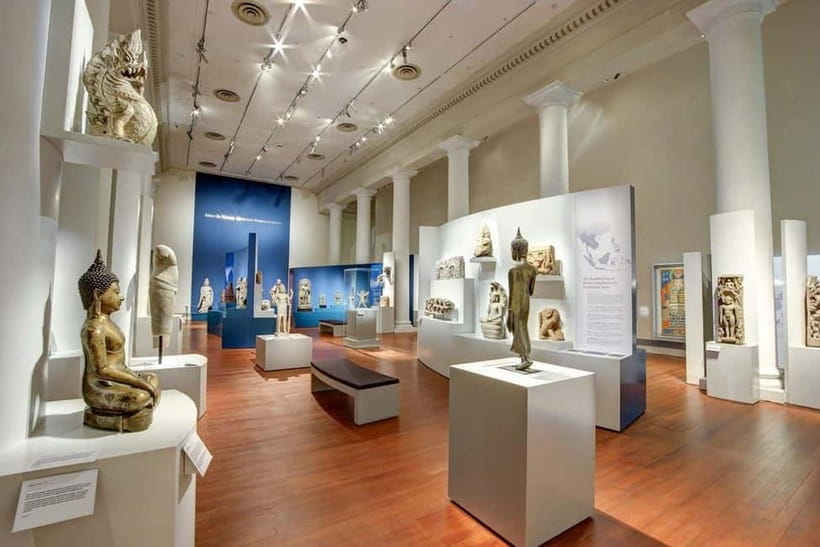
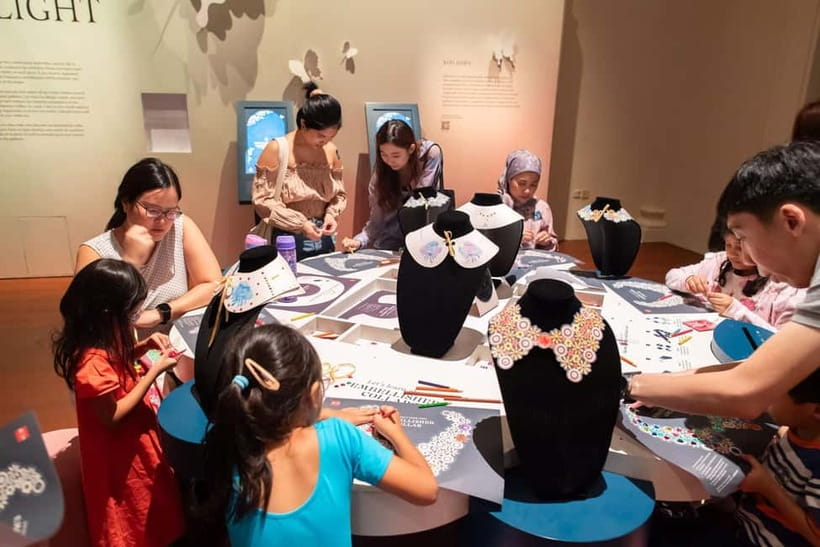
The textiles gallery shifts the focus from stone, clay, and metal to cloth. It includes embroidered fabrics and bright batik prints, showing how much skill can be placed into a soft, practical material.
Textiles often tell stories through pattern, color, and technique. They also offer a glimpse of everyday life, ceremony, clothing, and status. A fabric may be made for use, but its detail can be as careful as that of a sculpture.
I like this section because it broadens your idea of what belongs in an art museum. You are not looking only at monumental objects. You are also seeing the work of weavers and textile makers whose skill was passed through long traditions.
Give yourself time to look at the small details. Embroidery can be easy to skim past, especially after larger sculptures. Batik prints deserve the same attention. Notice how repeated patterns create order, and how color changes the mood of a piece.
This gallery may be less immediately dramatic than the jewelry displays, but it can be one of the most personal. Cloth sits close to the body and often connects art with identity, tradition, and social life.
Jewelry, status, and careful workmanship
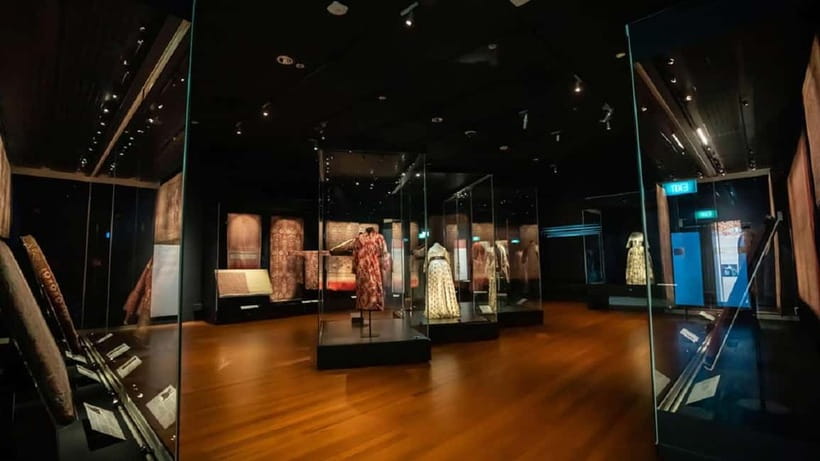
The jewelry gallery brings a little sparkle to the visit. Its ornate adornments show the wealth, taste, and technical ability found in Asian societies over time.
Jewelry is useful historical evidence because it can reveal more than decoration. The materials and designs may suggest social rank, ceremonial use, or personal style. Even without a long guided explanation, the objects make it easy to think about who wore them and on what occasion.
The display also gives you a break from the larger historical story. After looking at ceramics and sculpture, small pieces require a different kind of attention. You will want to move closer and inspect the details rather than taking in the room at a glance.
If you enjoy design, this may be one of your favorite parts of the museum. If you prefer large objects or clear historical narratives, it may feel less substantial. I would still include it because the jewelry helps show how art entered daily and ceremonial life.
Southeast Asian art in its own setting
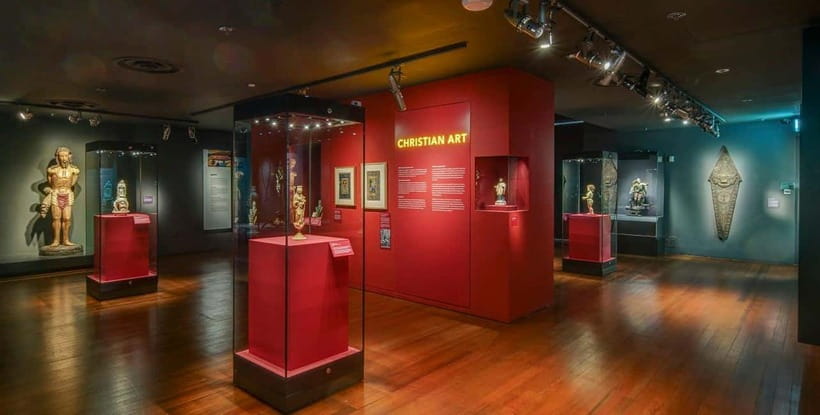
A dedicated gallery focuses on Southeast Asian art and culture. This is important because the region can easily get lost when a museum covers all of Asia.
Here you can find Thai ceramics and Indonesian woodcarvings among other regional works. The gallery shows that Southeast Asian art is not a minor side note to Chinese, Indian, or other traditions. It has its own materials, forms, and artistic habits.
The Thai ceramics offer another chance to compare technique and decoration. The Indonesian woodcarvings bring a different feel, with carved surfaces and strong links to local craft traditions. Putting these works together makes the variety of Southeast Asia easier to grasp.
I would make this gallery a priority if your Singapore visit includes an interest in regional culture. It can give you useful context for the many Asian influences found in Singapore without requiring a separate trip to several countries.
The broad coverage is also the limitation. You get a sample of each tradition rather than a complete account of Thai or Indonesian art. Think of it as a clear introduction, not the final word.
Special exhibitions require a separate decision
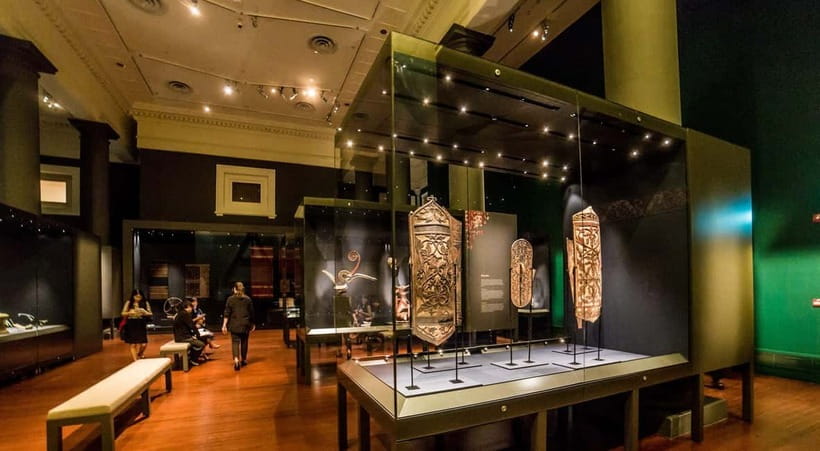
The museum also presents special exhibitions and cultural programs focused on particular parts of Asian art, history, and culture. These may include workshops, lectures, and other activities for different age groups.
Your $8 ticket does not include these special exhibitions. It covers the permanent galleries only. That distinction matters because the temporary show may be the main reason you want to visit on a particular date.
I suggest checking the current program before booking. If the special exhibition does not interest you, the permanent collection still gives you plenty to see. If it does interest you, plan for a separate ticket or admission arrangement rather than assuming it is included.
The special programming can add more detail than a general museum visit. A focused exhibition has room to explore one subject in greater depth, while a workshop or lecture can give you a more active way to learn. The available schedule is not specified here, so confirm the details before relying on a particular event.
Planning your visit at the museum
There is no transport arrangement or guided meeting point to manage. You go directly to the Asian Civilisations Museum for ticket redemption, and the activity ends at the same location.
That simplicity is useful in a city with many paid attractions. You can fit the museum around other plans without coordinating a vehicle or group departure. It also works well when members of your party want different levels of attention. One person can read every label while another moves through the galleries more quickly.
The visit is accessible for wheelchair users and strollers. That makes the museum easier to include in a family or mixed-mobility itinerary. Children aged 6 and under enter the permanent galleries free, while children aged 7 and above need a ticket. Children must stay with adults throughout the visit.
Seniors aged 60 and above need to present valid proof of identity at the Visitor Services counter. A passport or school pass is given as an example of acceptable proof.
No visit duration is provided, so I would avoid packing the museum into an overly tight schedule. The number of galleries and the amount of reading you choose will determine how long you need. If you want only a quick look at the major objects, you can keep it short. If you want to compare the ceramics, sculpture, textiles, jewelry, and Southeast Asian displays, allow more breathing room.
Who will get the most from the $8 ticket
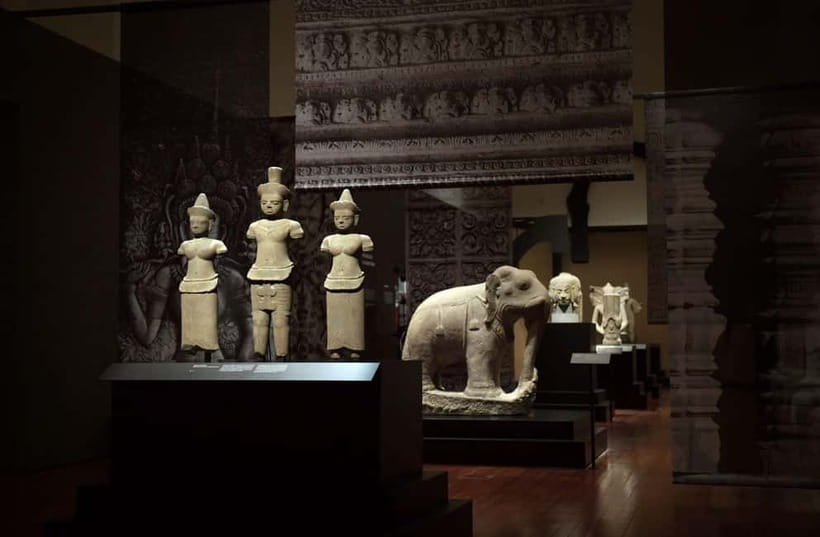
This museum suits you if you want cultural context without committing to a full-day attraction. The price is low, the location is simple to reach by proceeding directly to the museum, and the collection covers many parts of Asia.
It is also a good choice for art lovers who want variety. You can compare materials and techniques across sculpture, pottery, cloth, metalwork, and wood. The permanent galleries offer enough range to keep the visit interesting even if you do not have a specialist interest.
Families can use the museum for a short educational outing, especially because children 6 and under enter the permanent galleries free. Keep in mind that the collection includes historical and religious objects, so younger children may need help staying engaged.
This may not be the best choice if you want a guided tour, a single focused subject, or guaranteed entry to a special exhibition. The ticket is for the permanent galleries, and the experience is self-guided. You need to decide your own pace and choose which objects deserve your attention.
Should you book the Asian Civilisations Museum?
I would book this experience if you want an affordable, flexible museum stop with strong coverage of Asian art and culture. The shipwreck pottery, religious sculpture, textiles, jewelry, and Southeast Asian works give you several different ways into the collection.
The $8 price is particularly fair if you are happy with a self-guided visit and do not need a temporary exhibition. Book with a little more care if a special show is your main reason for going, since that is not included.
You can also reserve now and pay later, which keeps your plans flexible. Cancellation is available up to 24 hours in advance for a full refund. For a low-cost cultural stop that connects Singapore to the wider region, this is an easy choice.
FAQ
How much does admission to the Asian Civilisations Museum cost?
Admission costs $8 per person.
What does the ticket include?
The ticket includes admission to the permanent galleries only.
Are special exhibitions included?
No. The admission described here is for the permanent galleries, so special exhibitions are not included.
Where do I redeem the ticket?
Proceed directly to the Asian Civilisations Museum for redemption.
Do children need tickets?
Children aged 7 and above need a ticket. Children aged 6 and below enter all permanent galleries free, regardless of nationality.
Do Singapore citizens and permanent residents pay admission?
Singapore citizens and permanent residents receive free admission to all permanent galleries.
Is the museum accessible with a wheelchair or stroller?
Yes. The galleries allow wheelchair access and stroller access.
What proof does a senior visitor need?
Visitors aged 60 and above must present valid proof of identity at the Visitor Services counter. A passport or school pass is listed as an example.
Can I cancel or pay later?
You can reserve and pay later, and you can cancel up to 24 hours in advance for a full refund.
Just added around the world
- Girona, Figueres, Dalí Museum and Cadaqués Tour from Barcelona★ 4.5 · 36 reviews
- Football Club Barcelona Museum Immersive Tour Guided Visit★ 3.5 · 52 reviews
- Erotic Museum Admission Ticket with Audioguide★ 5.0 · 527 reviews
- Dali Museum and Costa Brava Small Group Day Trip from Barcelona★ 5.0 · 77 reviews
- Madrid by High-Speed Train with Prado Museum Private Tour★ 4.0 · 33 reviews
- Guitar Legends Hall: Entrance to the Immersive Rock Museum★ 5.0 · 25 reviews
- White Rabbit Museum: The Best Immersive Experience in Catalonia★ 5.0 · 538 reviews
- Private Dali Museum, Besalú & Girona Tour from Barcelona★ 5.0 · 15 reviews
Tickets, compared.
Vatican: Museums & Sistine Chapel Entrance Ticket
Read our review →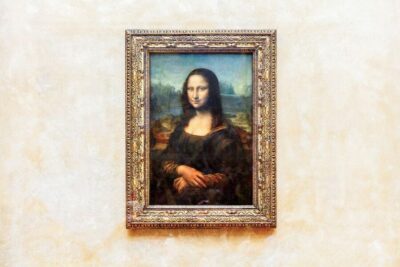
Tower of London and Crown Jewels Exhibition Ticket
Read our review →
Skip-The-Line Uffizi Gallery Timed Entry Ticket
Read our review →