
Review · ROME
Rome: Vatican Museum and Sistine Chapel Tour
Michelangelo’s Sistine Chapel ceiling is the star, but the route getting there gives you much more than one famous room. You’ll move through the Vatican Museums with a Dutch-speaking guide, passing the Popemobile, ancient sculpture, Flemish textile panels, and the remarkable Gallery of Maps before reaching the chapel.
I like the skip-the-line access, which matters greatly at the Vatican, and I like the finish through the Scala Regia and Bronze Gate instead of simply retracing your steps. The main drawback is pace: three hours can feel long for young children, and the single over-ear headset may be hard to hear when the guide speaks softly amid the museum noise.
Key points to know before booking
- Michelangelo’s Sistine Chapel: See the Creation Story ceiling and The Last Judgment altar wall, with time set aside inside the chapel.
- Dutch-speaking guidance: The entire guided portion is conducted in Dutch.
- A wider Vatican route: The tour includes the Carriage Gallery, Momo Staircase, Hall of the Animals, Laocoön Group, Belvedere Torso, Nero’s Bath, and Gallery of Maps.
- A dramatic exit: Leave through the Scala Regia and Bronze Gate, then finish in Saint Peter’s Square.
- Basilica not included: You receive directions to the security line, but entry and touring inside St. Peter’s Basilica are on your own.
- Practical limits: Expect church dress rules, security restrictions, and a route not suited to people with mobility impairments.
Why this Vatican tour works best for first-time visitors
The Vatican Museums can feel like a city built inside a museum. There are long corridors, grand staircases, ancient sculpture, painted rooms, and enough famous names to overwhelm you before you reach the Sistine Chapel.
That is where a guided visit helps. Instead of wandering without a plan, you follow a three-hour route with a clear finish. The guide points out selected works and explains why they matter, helping you save your attention for the places that deserve it.
The tour costs $130.28 per person. That is not a budget ticket, but the price includes the Vatican Museums admission, skip-the-line entry, a professional Dutch-speaking guide, and headsets. If you want Dutch commentary and prefer not to organize the museum on your own, the package has practical value.
You should not book it expecting a private visit or a quiet Vatican. Skip-the-line access means you avoid the regular ticket queue. It does not mean the galleries will be empty. The Vatican remains one of Rome’s busiest sights, so the ability to hear your guide and stay with the group matters.
More Museum Tours in Rome
- Vatican Museums, Sistine Chapel & St. Peter’s Basilica Tour
★ 4.3 · 73,970 reviews - Vatican Museums, Sistine Chapel & St Peter’s Basilica Guided Tour
★ 4.5 · 39,149 reviews - Rome: Vatican Museums, Sistine Chapel and Basilica Tour
★ 4.3 · 16,039 reviews
Meeting at Caffè Vaticano on Viale Vaticano
Your meeting point is at the top of the steps next to Caffè Vaticano, at Viale Vaticano 100. It is opposite the entrance to the Vatican Museums, and the guide will carry a sign with the tour operator’s name.
Arrive with enough time to identify the meeting point and settle your clothing before the group enters. You need to show a passport or identity card, and you should wear comfortable shoes. The museums involve a good deal of walking and standing, so flimsy footwear can make the final hour feel longer.
The route is not suitable for people with mobility impairments. Large bags and luggage are not allowed, and long objects such as umbrellas or selfie sticks are also prohibited. Keep your belongings simple: a small personal bag, identification, water if permitted by the venue, and a camera without using its flash.
The Vatican requires modest dress. Bare shoulders are not allowed, and shorts and skirts should reach the knee. Men should wear knee-length shorts or long trousers. This is not the place to test the limits of summer clothing rules. Dress correctly at the start and you will avoid a needless problem at the entrance.
Inside the Vatican Museums: a carefully chosen route
The guided museum portion lasts about two hours and 10 minutes. That gives you enough time to see a substantial selection, but not every room in the vast museum complex.
The first stops include the Carriage Gallery, sometimes called the Pope’s garage. It contains papal vehicles, including the Popemobile. This is a useful reminder that the Vatican is not only about Renaissance art and ancient marble. Its collections also reflect the practical and ceremonial life of modern popes.
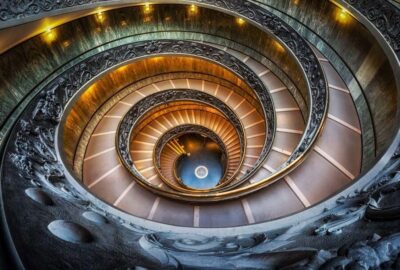
Next comes the Momo Staircase, one of the Vatican’s most recognizable architectural features. Its double-spiral design makes a strong visual opening to the museum route. You may find yourself looking down through its curves as much as looking ahead toward the galleries.
The Hall of the Animals shifts the mood again. Ancient sculpture and decorative displays show how Roman artistic traditions used animals as subjects and symbols. Your guide’s explanations are especially useful here, since a quick walk through the room can otherwise become a blur of marble figures.
Ancient sculpture: Laocoön and the Belvedere Torso
The Laocoön Group is one of the major ancient works on the route. The sculpture shows Laocoön and his sons struggling with serpents, frozen in a moment of intense physical effort and fear.
You do not need a long lecture to appreciate its force, but context makes the stop stronger. The group is famous not just for its subject, but for the way the sculptors handled twisting bodies, strained muscles, and emotional drama in stone.
The Torso of the Belvedere offers a different kind of impact. It is a fragment, yet its powerful pose influenced later artists, including Michelangelo. The missing head and limbs do not make it feel incomplete in the usual sense. The surviving torso carries the weight of the work.
These stops show why a guided route is useful. You are not simply being led toward the Sistine Chapel. You are seeing works that helped shape the art and visual language of the Renaissance.
The route also includes Nero’s Bath. The name links the space to one of ancient Rome’s most notorious emperors and adds another layer to the museum visit, moving you from papal collections to Roman imperial history.
More ways into the Vatican Museums:
- Vatican Museums & Sistine Chapel Skip-the-Line Entry Ticket
★ 4.4 · 13,838 reviews - Rome: Vatican Museums, Sistine Chapel & Basilica Tour
★ 4.7 · 13,217 reviews - Rome: Vatican Museums & Sistine Chapel Guided Tour
★ 4.3 · 12,117 reviews - Vatican Museums & Sistine Chapel Skip-the-Ticket-Line Tour
★ 4.3 · 10,486 reviews
Flemish textiles and the Gallery of Maps
The Gallery of Flemish Tapestries is included in the route, though I would think of it as a textile gallery rather than a quick corridor on the way to Michelangelo. These wall hangings were designed by artists connected to the school of Raphael, and they reward a slower look at their detail.
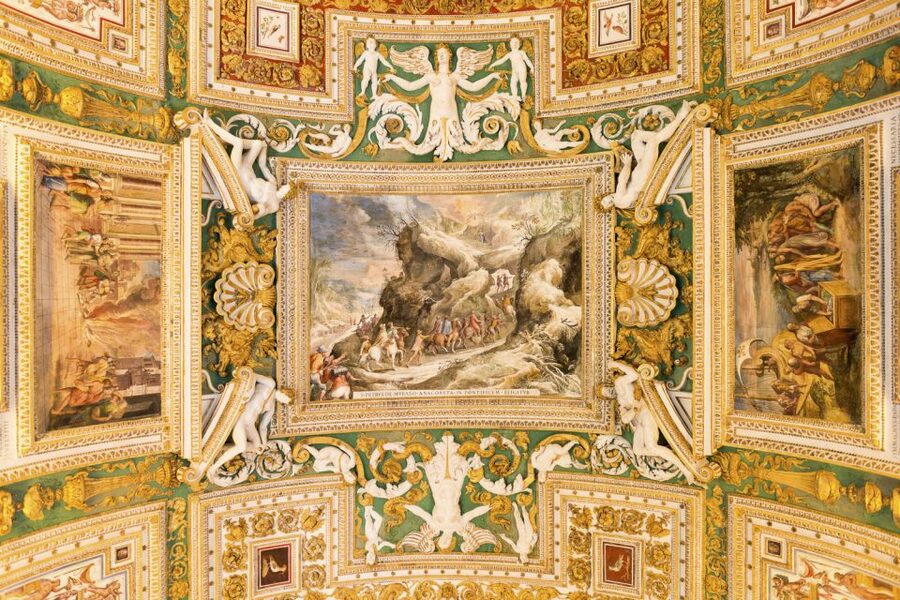
The nearby Gallery of Maps is one of the most memorable sections of the tour. Its long series of painted maps turns geography into decoration. You can look at the maps as works of art, but they also reveal how people once pictured the shape and character of Italy.
This is a place where your guide’s commentary can give the room more meaning. Without context, you may simply see a lavish hall covered in maps. With an explanation of the collection and its purpose, you begin to understand why the gallery is more than a photogenic passage.
The route is selective. You will not see every gallery in the Vatican Museums, and that is probably a benefit during a three-hour visit. Trying to cover the entire complex would leave you tired and leave little time for the Sistine Chapel.
Michelangelo’s ceiling in the Sistine Chapel
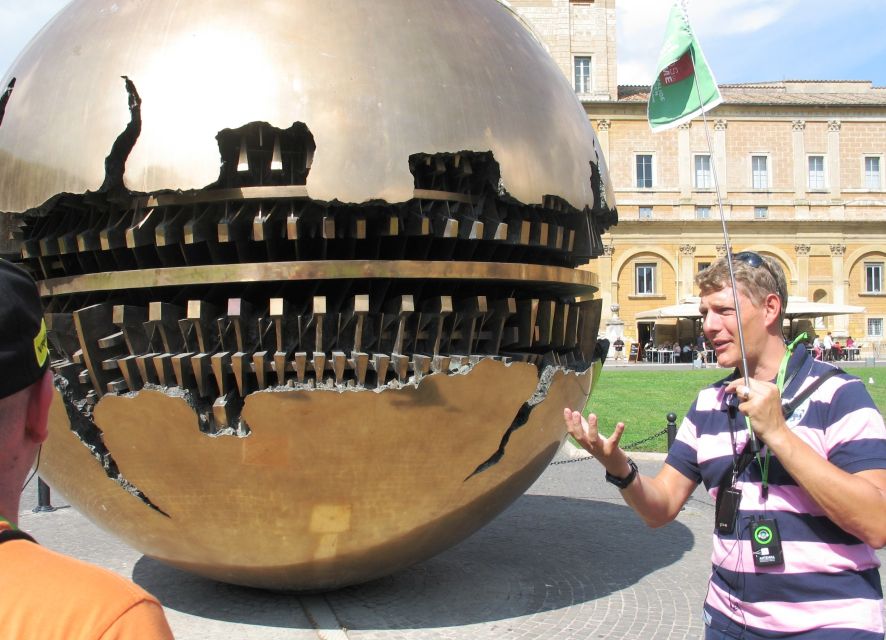
The tour sets aside about 20 minutes for the Sistine Chapel. The chapel is not simply another museum room. It is a functioning religious space, the site of the papal conclave, and one of the most closely watched rooms in the world.
Michelangelo began work on the ceiling in 1508 at the direction of Pope Julius II. The painted program includes more than 300 figures across a ceiling area of more than 500 square meters. The central scenes from the Creation Story are the images most people come to see, but the surrounding figures and architectural details reward attention too.
Your guide cannot continue speaking inside the chapel in the normal way. Silence is required, and photography rules apply. Flash photography is not allowed. Listen closely before you enter, then use the time inside to look up and compare the central scenes with the surrounding figures.
Twenty years after the ceiling was completed, Michelangelo returned to paint the altar wall. The Last Judgment, finished in 1541, presents a much darker and more crowded vision than the ceiling scenes.
It is easy to focus only on the famous image of God reaching toward Adam. Give yourself time to look at the altar wall as well. The chapel visit is short, so you will not study every detail, but the guide’s explanation before entry helps you know where to direct your eyes.
The sound equipment deserves a practical warning. The tour uses headsets, but one over-ear earpiece may not work equally well for everyone. If the guide speaks softly, the surrounding museum noise can make parts of the commentary difficult to catch. Stay reasonably close to the guide and mention the problem promptly if you cannot hear.
Leaving by the Scala Regia and Bronze Gate
After the Sistine Chapel, the tour leaves the museum complex by the imposing Scala Regia, or Royal Staircase. The staircase provides a grand final movement before you reach the Bronze Gate.
The Bronze Gate is associated with the Vatican’s formal entrance area, where you can see the Swiss Guards. These guards are among the most recognizable symbols of the Vatican, and seeing them at close range gives the end of the tour a ceremonial feel.
The route then brings you to Saint Peter’s Square. This is a good place to pause and take in the scale of the colonnade and the basilica frontage after the enclosed museum galleries.
The tour ends in the square, where the guide shows you the way toward the metal detectors for St. Peter’s Basilica. The basilica itself is not included. Entry is free, but you will continue independently and pass through security on your own.
St. Peter’s Basilica and the dome are separate plans
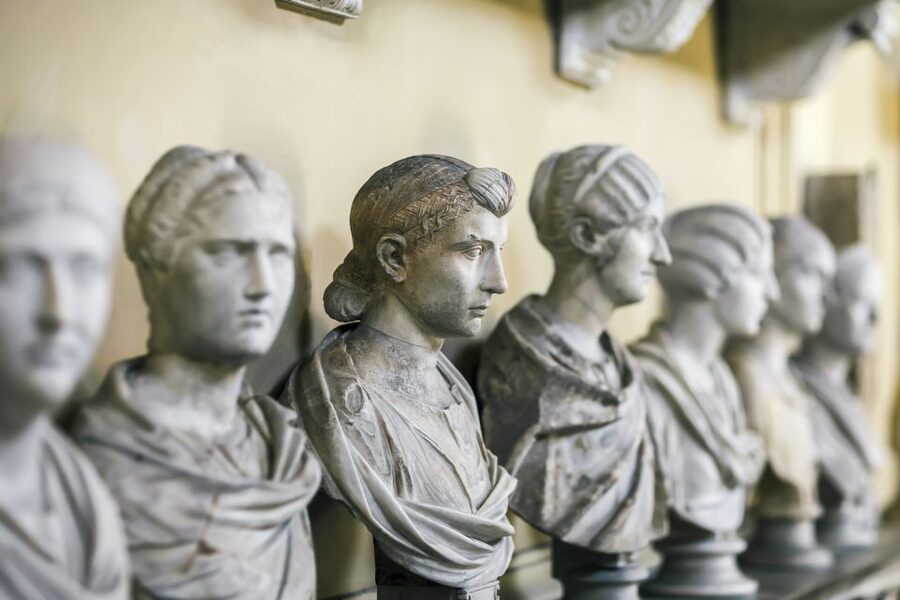
Do not confuse reaching Saint Peter’s Square with visiting the basilica. The tour guide does not provide a guided basilica visit, and the listed experience does not include entry inside.
You can continue to the basilica after the tour by following the instructions to the security line. Plan your energy carefully. After three hours in the museums, you may want a break before joining another line and exploring the church.
The dome is also separate. You can buy a ticket at the ticket office on the spot if you want the view. That suggestion is worth taking seriously if you still have the time and stamina, but it should not be treated as part of the tour price or schedule.
Who will get the most from this $130.28 tour?
I would choose this tour if you want a Dutch-speaking guide, a planned route, and help making sense of the Vatican’s major works. It suits first-time visitors who would rather hear the story of the art than study a museum map and decide where to go at every turn.
It also suits people who place a high value on time. Avoiding the regular ticket line can make the price easier to accept, especially during a crowded period. The route includes several important stops before the Sistine Chapel, so you are paying for more than a short look at Michelangelo’s ceiling.
Families should think about the three-hour length. Children who already enjoy art, sculpture, or Roman history may manage well, but younger children can lose interest before the chapel. The single headset may also be a weak point if your child struggles to follow spoken commentary in noisy rooms.
You should also skip this option if you need a fully accessible route. The activity is specifically not suitable for people with mobility impairments, and the museum visit includes stairs and considerable walking.
Dutch is the only guide language listed. If you want English, Italian, or another language, this is not the right booking.
Timing, cancellation, and what to bring
The tour lasts three hours, but starting times vary. Check the available time before booking and leave room in your day for the basilica only if you are prepared to continue independently afterward.
You can cancel up to 24 hours in advance for a full refund. The reserve-now-and-pay-later option also gives you flexibility, since payment is not required at the time of booking.
Bring your passport or identity card, comfortable shoes, sunglasses, and a camera. Pets, weapons, sharp objects, smoking, large bags, and long objects such as selfie sticks are not allowed. Keep your shoulders covered and your shorts or skirt at knee length.
Should you book this Vatican tour?
Book it if you want the Vatican in Dutch, prefer a guide-led visit, and value skip-the-line access over the lowest possible price. The route covers strong highlights, the Sistine Chapel receives proper attention, and the exit through the Scala Regia gives the experience a memorable finish.
Think twice if you want a quiet visit, need accessibility support, or plan to spend the entire day with a guide. Three hours is a solid introduction, not a full Vatican study. Also remember that St. Peter’s Basilica and the dome are separate activities.
For the right visitor, this is a practical way to see the Vatican’s major sights without losing your bearings. Just wear sensible clothes, keep your bag small, stay close enough to hear the guide, and save some energy for the square and basilica afterward.
FAQ
How long does the Vatican Museums and Sistine Chapel tour last?
The tour lasts three hours. The guided portion in the Vatican Museums is about 2 hours and 10 minutes, the Sistine Chapel visit is about 20 minutes, and the guided time in Saint Peter’s Square is about 30 minutes.
What language is the tour conducted in?
The tour is conducted in Dutch with a live Dutch-speaking guide.
Where does the tour start?
It starts at the top of the steps next to Caffè Vaticano at Viale Vaticano 100, opposite the entrance to the Vatican Museums. The guide will hold a sign with the tour operator’s name.
Is entry to St. Peter’s Basilica included?
No. The tour ends in Saint Peter’s Square, and the guide shows you the way to the metal detectors. You can enter the basilica on your own, and entrance is free.
What should I wear to the Vatican?
You should cover your shoulders. Shorts and skirts should reach the knee, and men should wear knee-length shorts or long trousers.
Can I cancel the booking?
Yes. You can cancel up to 24 hours in advance for a full refund. You can also reserve now and pay later.
Just added around Rome
- Vatican City: Sistine Chapel, Museums, Basilica Private Tour★ 4.8 · 158 reviews
- Rome: Hop-on Hop-off Bus & Vatican Museums Ticket★ 3.5 · 41 reviews
- Rome: Vatican Museums, Sistine Chapel, and St. Peter’s Tour★ 4.5 · 49 reviews
- Skip-The-Ticket Line-Vatican Museum & Sistine Chapel★ 3.9 · 383 reviews
- Skip the line Vatican Museum Sistine & St.Peter Private Tour★ 4.7 · 40 reviews
- Skip-the-Line Vatican Museums and Sistine Chapel Guided Tour★ 4.3 · 130 reviews
- Skip-the-Line Tickets: Vatican Museum and Sistine Chapel★ 3.5 · 114 reviews
- MAXXI – Museum of Contemporary Art of 21st century★ 4.0 · 91 reviews
Museum Tours in Rome, compared.
Vatican Museums, Sistine Chapel & St. Peter’s Basilica Tour
Read our review →
Vatican Museums, Sistine Chapel & St Peter’s Basilica Guided Tour
Read our review →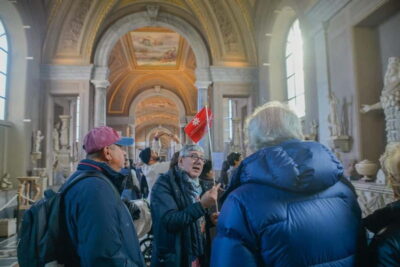
Vatican Museums, Sistine Chapel and Basilica Tour
Read our review →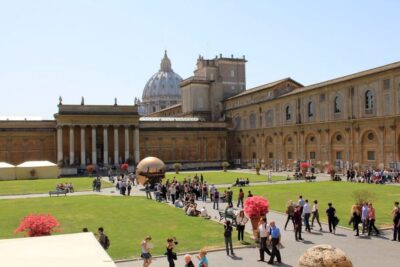
Vatican Museums & Sistine Chapel Skip-the-Line Entry Ticket
Read our review →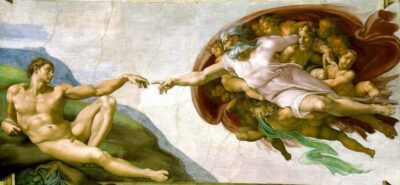
Vatican Museums, Sistine Chapel & Basilica Tour
Read our review →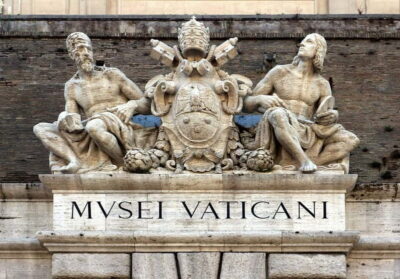
Vatican Museums & Sistine Chapel Guided Tour
Read our review →
Vatican Museums & Sistine Chapel Skip-the-Ticket-Line Tour
Read our review →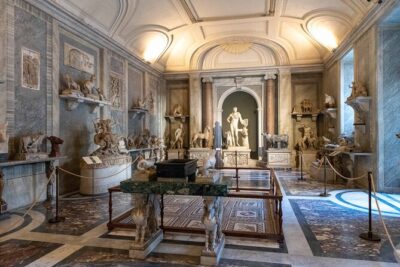
Vatican Museums, Sistine Chapel and St. Peter’s Basilica Tour
Read our review →Browse the lists this tour appears in