
Review · ROME
Rome: Borghese Gallery Guided Tour with Priority Tickets
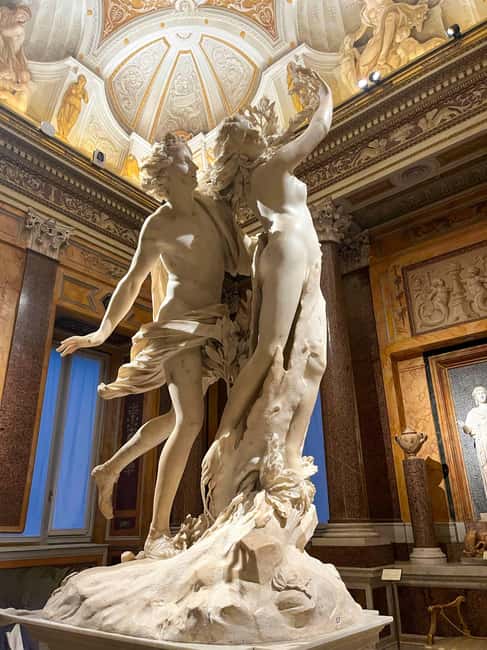
Bernini’s marble is the star here. At the Borghese Gallery, Apollo seems to turn into a tree before your eyes, while Pluto’s fingers press into Proserpina’s flesh. A good guide helps you notice details that are easy to miss when you wander in alone. I especially like the small visitor numbers inside the gallery and the 135-minute guided route, long enough for real context without taking your whole day.
The priority ticket saves you from the main ticket queue, and earphones help you follow the guide even when the group spreads through a gallery room. The main drawback is the meeting point: the gallery sits deep inside Villa Borghese, and Barberini is about a 20-minute walk away. Arrive early, because getting lost in this large park is a very Roman way to miss your tour.
Key points at a glance
- Bernini’s marble masterpieces: See Apollo and Daphne and The Rape of Proserpina with explanations of movement, myth, and technique.
- Caravaggio’s strong light and shadow: Focus on Boy with a Basket of Fruit and David with the Head of Goliath.
- A compact 135-minute visit: The route covers major sculptures, paintings, the building, and the Borghese family story.
- English or Spanish guidance: Guides such as Simona, Alessandra, Susanne, Fabio, and Barbara have led highly praised tours, though your guide will depend on the date.
- A quieter museum experience: The gallery limits the number of people inside, making it calmer than the Vatican Museums.
- A useful Rome pairing: Afterward, walk through Villa Borghese toward the Pincio Terrace, Piazza del Popolo, or the Spanish Steps.
Why the Borghese Gallery deserves a place on your Rome plan
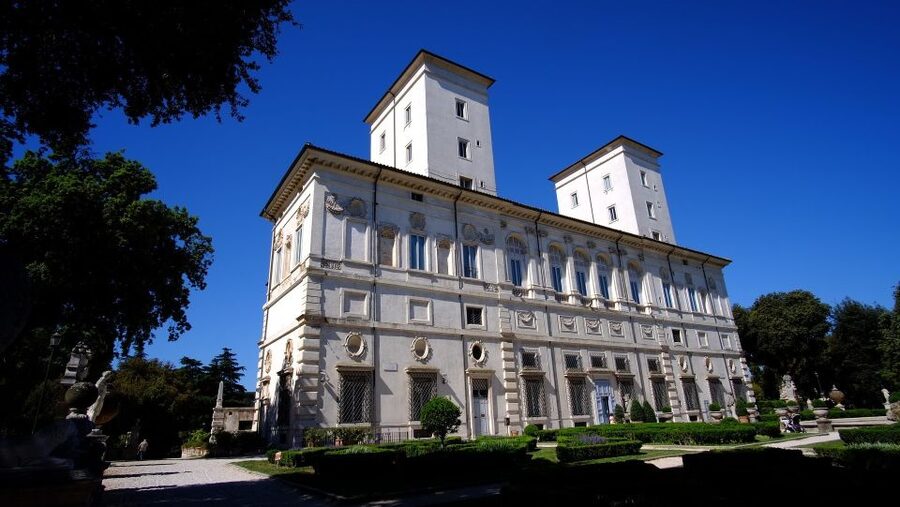
Rome has grand churches, ancient ruins, and museums that can swallow half a day. The Borghese Gallery offers something different: a compact collection in an intimate palace, where major works sit close enough for you to study them without wearing out your shoes.
I like this museum because it rewards attention. You do not need to be an art scholar to enjoy Bernini’s figures, but you will get much more from them when someone points out the twist of a torso, the pressure of fingers on skin, or the way a sculptor suggests movement in solid stone.
The collection covers Renaissance, Baroque, and Neoclassical art, along with ancient sculptures. That range lets you see how artistic taste changed over time. One room may give you Raphael’s calm composition, and the next may confront you with Caravaggio’s dark drama or Bernini’s theatrical motion.
The museum also has a practical advantage. Entry is controlled, so it generally feels less crowded than Rome’s largest museums. That does not mean you get every room to yourself, but it does mean you have a better chance to look closely and hear your guide.
More Museum Tours in Rome
- Vatican Museums, Sistine Chapel & St. Peter’s Basilica Tour
★ 4.3 · 73,970 reviews - Vatican Museums, Sistine Chapel & St Peter’s Basilica Guided Tour
★ 4.5 · 39,149 reviews - Rome: Vatican Museums, Sistine Chapel and Basilica Tour
★ 4.3 · 16,039 reviews
Meeting your guide at Piazzale del Museo Borghese
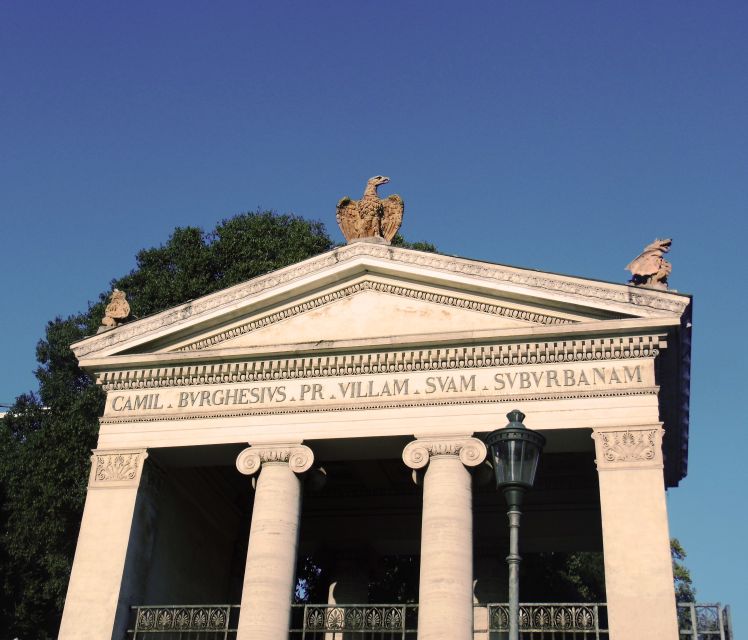
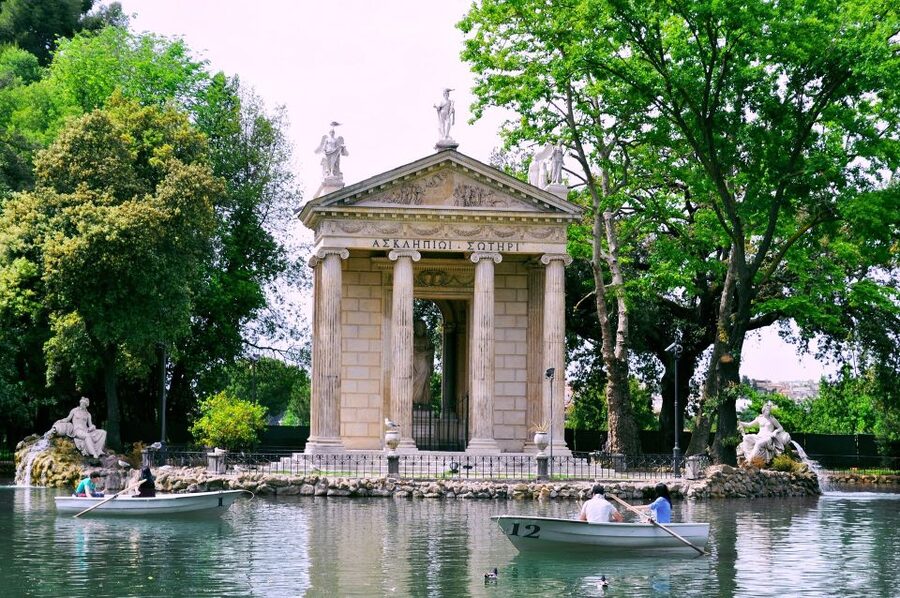
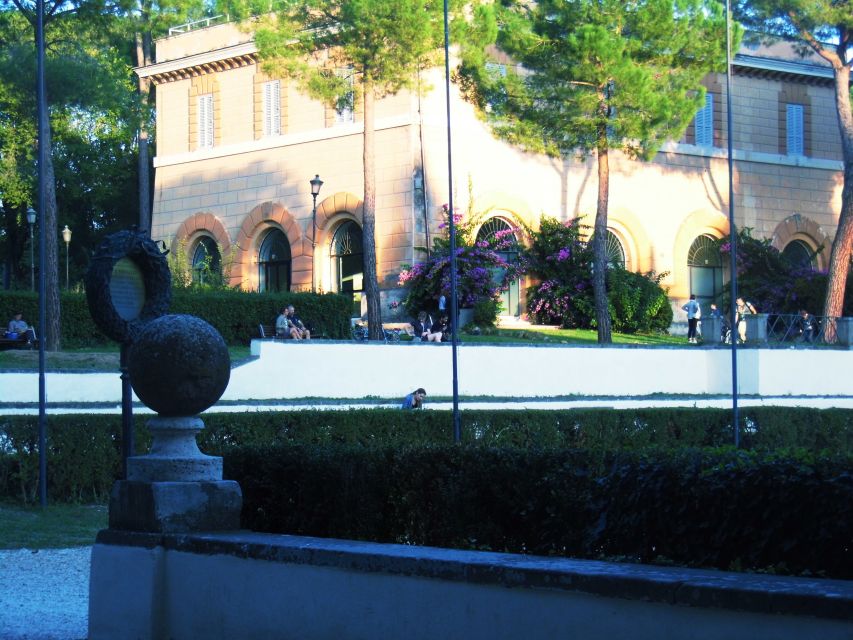
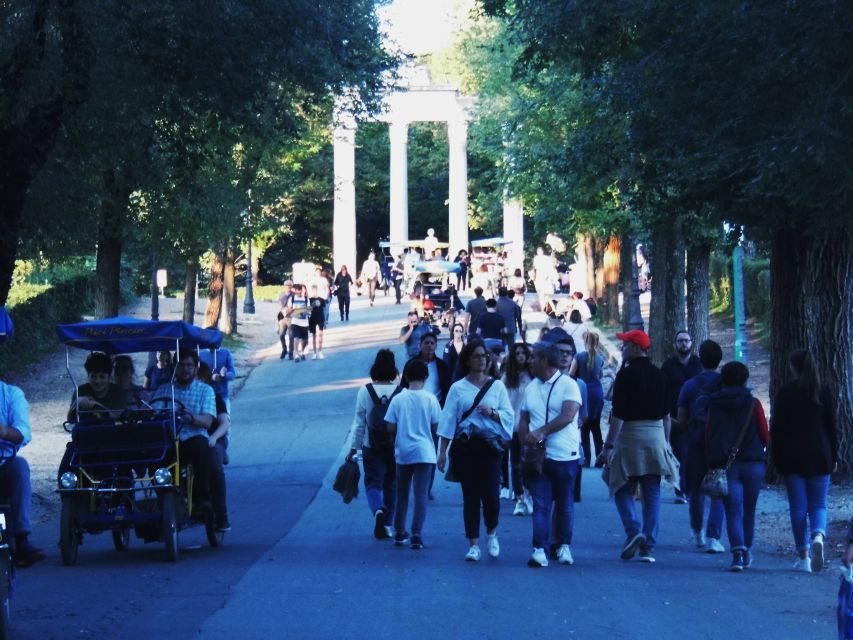
The meeting point is at the entrance of the Borghese Gallery in Piazzale del Museo Borghese. Look for a guide holding a Tourismotion sign. Do not simply aim for Villa Borghese and assume the museum will be easy to find. The park is extensive, and the gallery is at one of its far ends, not right beside the garden entrance.
Barberini is the closest metro station listed for this tour, about a 20-minute walk away. Bus lines 83 and 223 also serve the area. Spagna is not a convenient metro stop for this meeting point, despite its apparent position on the Rome map.
I would allow more than the minimum walking time, especially if you are unfamiliar with the park. You are asked to arrive at least 15 minutes early, and the practical advice is sound. A delayed coffee, a wrong turn, or a slow walk uphill can quickly turn into a missed start.
Bring your passport or ID card and wear comfortable shoes. Backpacks and bags must go into the wardrobe, so travel light. Small personal items are easier to manage than a full daypack.
Priority entry and the 135-minute route
The tour lasts 135 minutes, or two hours and 15 minutes. Your pre-booked ticket lets you avoid the main ticket line, which matters at a museum where timed entry controls the number of people inside.
Priority entry does not mean you should arrive at the last second. You still need to meet the guide, join the group, and pass through the museum’s entry procedures. The time saved is most useful during a busy Rome day, when you want to spend your time with the art rather than waiting outside.
The published route includes the ground-floor sculptures and the Borghese Gallery itself. In practice, the guide’s order can vary as they manage room traffic and the flow of other groups. One useful approach, used by some guides, is to begin in quieter rooms before the larger crowds gather. That can make the first part of the tour feel more relaxed.
You receive single-use earphones, which make a real difference. A guide may be standing several steps away while you examine a painting or sculpture, and without audio equipment you would miss parts of the explanation. You can bring your own earphones if you prefer to avoid disposable ones.
Bernini’s Apollo and Daphne and The Rape of Proserpina
The ground-floor sculpture rooms are the emotional center of the visit. Gian Lorenzo Bernini’s works are not merely statues to inspect from one angle. They are built to be viewed as scenes, with bodies twisting, faces reacting, and surfaces changing as you move around them.
Apollo and Daphne shows the instant in Greek mythology when Daphne transforms into a laurel tree to escape Apollo. Look at the tips of her fingers, which become leaves, and the roots forming around her feet. The effect depends on an impossible combination of delicate detail and hard marble. Your guide can explain how the sculpture turns a fixed block of stone into a moment of action.
The Rape of Proserpina is even more forceful. Bernini captures Pluto carrying Proserpina away, and the tension comes from the contrast between the two bodies. The fingers pressing into her thigh are one of the details that make the marble feel startlingly soft.
These works reward a slower look. You can admire them on your own, but the guide’s story gives you a way into the myths and the artistic choices. You may also hear about Bernini’s place in Baroque Rome, where art was designed to move the viewer both emotionally and physically.
A few more museum visits around Rome worth comparing
- Rome: Borghese Gallery Skip-the-Line Ticket & Audioguide
★ 4.3 · 4,318 reviews - Rome: Borghese Gallery Ticket + Audioguide or Guided Tour
★ 4.6 · 3,219 reviews - Rome: Borghese Gallery Guided Tour with Skip-the-Line Entry
★ 4.8 · 2,649 reviews - Rome: Borghese Gallery Skip-the-Line Tickets with Audioguide
★ 4.6 · 2,562 reviews
Canova, Raphael, and the paintings upstairs
Antonio Canova’s Pauline Bonaparte as Venus Victrix offers a sharp change of mood. Instead of Bernini’s sudden violence and motion, you get polished Neoclassical elegance. Pauline Bonaparte reclines as Venus, and the sculpture reflects ideals of beauty, status, and self-presentation.
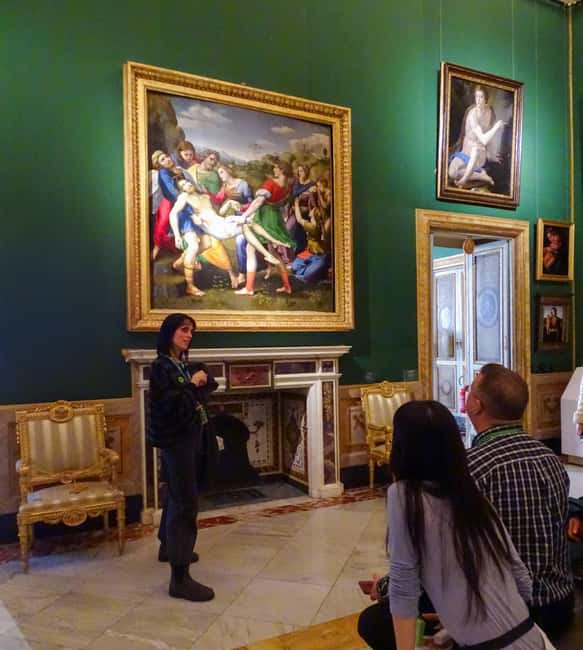
The painting rooms add another layer to the visit. Raphael’s Deposition brings grace and grief to the story of Christ’s burial. The arrangement of bodies and gestures gives the painting a sense of movement, but the mood remains controlled rather than explosive.
Titian’s Sacred and Profane Love is one of the collection’s most discussed paintings. Its meaning remains open to interpretation, which makes it a useful example of how art can raise questions rather than provide one easy answer. A good guide can point out the visual clues and the period’s ideas without pretending the mystery has a simple solution.
The ceilings and interior decoration also deserve a glance. The building is not just a container for paintings. Its rooms were designed to impress, and the setting helps explain how a powerful Roman family displayed its taste and influence.
Caravaggio’s light, faces, and moral drama
Caravaggio gives the painting collection its sharpest edge. In Boy with a Basket of Fruit, the basket and fruit look almost close enough to touch, but the image is more than a still-life exercise. The boy’s expression, the fruit’s condition, and the use of light invite questions about youth, beauty, and decay.
David with the Head of Goliath is darker and more personal. The scene shows David holding the severed head of Goliath, and Caravaggio uses strong contrasts between light and shadow to focus your attention on the faces and gesture.
The guide can also help you compare Caravaggio with the more controlled visual language of Raphael or Titian. That comparison is one of the strongest reasons to take a guided tour. You are not simply collecting famous names. You are seeing different ideas about emotion, beauty, storytelling, and the role of the viewer.
The tour does not give you unlimited time at every painting. Some people would prefer longer pauses, especially for Caravaggio and Raphael. If you already have a favorite work, tell the guide early or return to it after the tour if the museum schedule allows.
The Borghese family and Rome’s art politics
The gallery’s collection makes more sense once you know something about the Borghese family. Their passion for art, wealth, and connections to the papal world helped create one of Rome’s most important private collections.
Your guide may place the artworks within the social and political world that produced them. This is especially useful if you have already seen the Vatican Museums, since the relationship between popes, wealthy families, artists, and patronage runs through much of Rome’s art.
Guides have been praised for making this background accessible rather than turning the visit into a lecture. Simona, Alessandra, Susanne, Fabio, Barbara, and other guides have been described as warm, clear, passionate, and good at telling stories. Names and guiding styles vary by departure, so do not book based on a particular person being guaranteed.
The best guides also connect the building to the collection. You learn not only who painted or carved a work, but why it was commissioned, how it fit the owner’s ambitions, and how the room was meant to affect you.
Villa Borghese Gardens and the Pincio Terrace
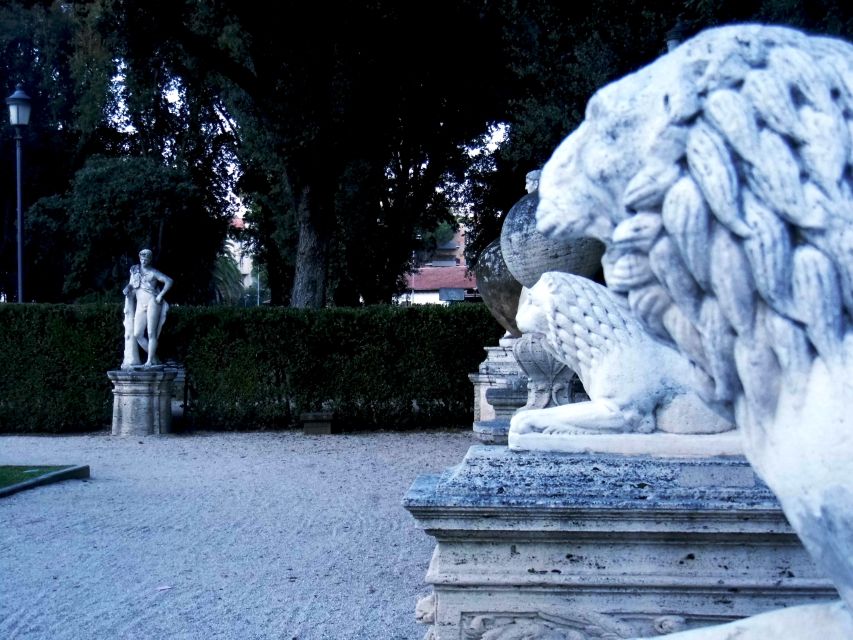
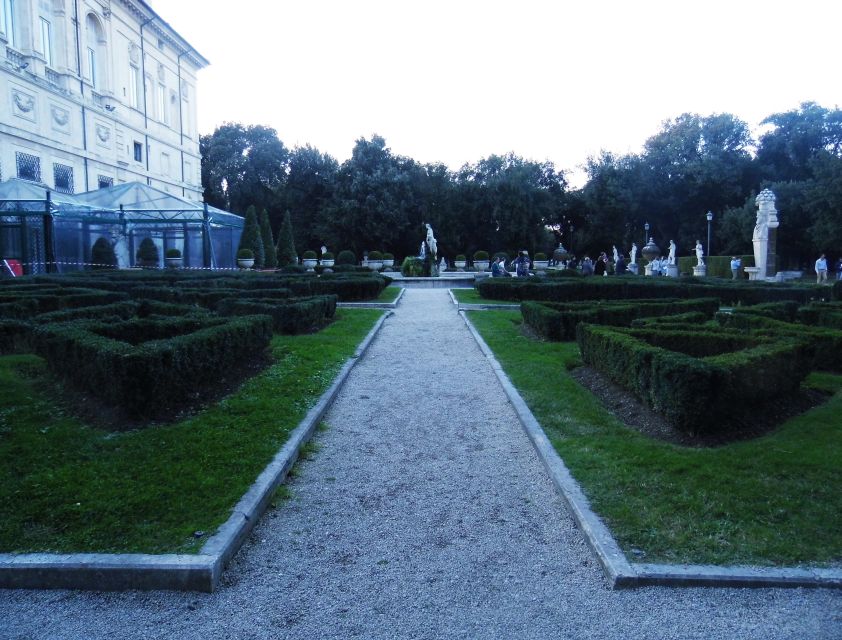
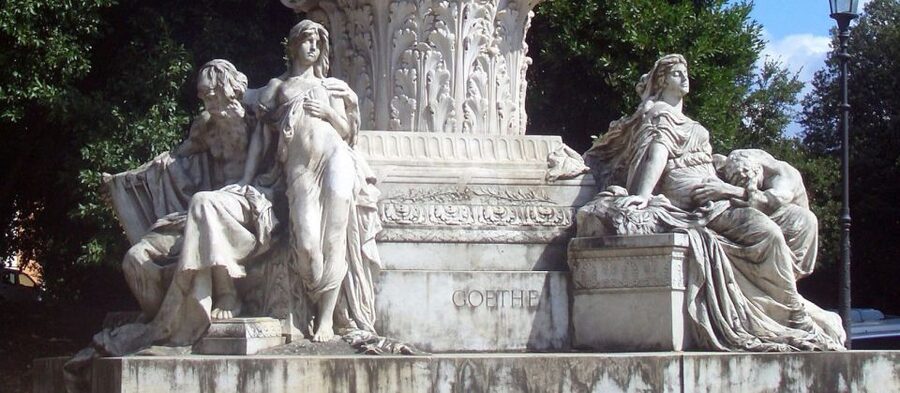
The garden is not formally listed as a full guided stop, but it adds real value to the outing. After the museum, step outside and give yourself time among the trees, fountains, and open-air sculptures.
The Pincio Terrace offers broad views over Rome, including St. Peter’s dome. The garden also gives you a pleasant route toward Piazza del Popolo and the Spanish Steps, as one possible continuation of your day.
This is a good contrast after two hours of concentrated looking. Inside, you are studying marble, pigment, symbolism, and patronage. Outside, you can simply walk, sit, and let your eyes rest.
Do not plan the next appointment too tightly if you want to enjoy the park. The official tour lasts 135 minutes, but the walk afterward is the part you control. If you need to reach another timed attraction, leave enough time to find the correct exit and make your way back into central Rome.
Is $86 good value for this museum visit?
At $86 per person, this is not a cheap museum entry. The value comes from combining the pre-booked ticket, priority access, a live guide, and audio equipment in a museum where the art benefits from explanation.
I think the price is easier to justify if you are visiting Rome for only a few days, if Renaissance and Baroque art are important to you, or if you do not want to spend time researching each work before arrival. The guide gives you a clear route through the most important pieces and adds context about the Borghese family and the artists.
You may find better value in a self-guided visit if you already know the collection well or prefer to linger at one painting for a long time. A group tour has a schedule, and the guide must keep everyone moving. The gallery itself limits attendance, but the experience is still shared.
The strongest value is not the phrase priority ticket by itself. It is the time and attention saved. You enter with a plan, hear the key stories, and leave with a better sense of why the collection matters.
Who will enjoy this guided tour most?
I would recommend it to first-time visitors who want the main works without sorting through a large museum on their own. It also suits people who enjoy stories about artists, myths, patrons, and the social world behind the art.
Art enthusiasts should find plenty to appreciate, especially in Bernini’s sculpture rooms and the Caravaggio paintings. The tour also works for curious beginners because the guides explain visual details in plain language rather than assuming a university course in art history.
Families with young children should consider the two-hour-plus duration and the museum rules. The tour is not suitable for wheelchairs or pushchairs. Backpacks must be checked, and comfortable shoes are a wise choice for the walk through Villa Borghese.
Language choice is limited to English and Spanish. If you are comfortable in one of those languages, the live explanations and earphones make it easier to stay with the group.
Practical verdict: book it or visit alone?
Book this tour if you want Bernini, Caravaggio, Raphael, and Canova explained by a guide who can connect the objects to Roman society and the Borghese family. The combination of controlled entry, limited museum attendance, and a focused 135-minute route makes the visit efficient without feeling rushed from start to finish.
Visit independently if you prefer to set your own pace, take long pauses, or already understand the collection. Either way, plan the meeting point carefully and leave time for the gardens afterward.
For most first visits, I think the guided option earns its price. The statues are extraordinary on their own, but the stories and small details are what turn a beautiful museum stop into a memorable part of Rome.
FAQ
How long does the Borghese Gallery guided tour last?
The tour lasts 135 minutes, or two hours and 15 minutes.
What languages are available?
The live guide is available in English or Spanish.
Where do I meet the guide?
Meet at the entrance of the Borghese Gallery in Piazzale del Museo Borghese. The guide will hold a Tourismotion sign.
How early should I arrive?
Arrive at least 15 minutes before the scheduled start. The park is large, and reaching the gallery can take longer than expected.
Which metro station is closest?
Barberini is the closest listed metro station, about a 20-minute walk from the gallery. Spagna is not recommended for reaching this meeting point.
Are backpacks allowed inside?
No. Backpacks and bags must be left in the museum wardrobe. Bring a passport or ID card, and wear comfortable shoes.
Are food and drinks included?
No. Food and drinks are not included in the tour.
Is the tour suitable for wheelchairs or pushchairs?
No. The tour is not suitable for wheelchairs or pushchairs.
Just added around Rome
- Vatican City: Sistine Chapel, Museums, Basilica Private Tour★ 4.8 · 158 reviews
- Rome: Hop-on Hop-off Bus & Vatican Museums Ticket★ 3.5 · 41 reviews
- Rome: Vatican Museums, Sistine Chapel, and St. Peter’s Tour★ 4.5 · 49 reviews
- Skip-The-Ticket Line-Vatican Museum & Sistine Chapel★ 3.9 · 383 reviews
- Skip the line Vatican Museum Sistine & St.Peter Private Tour★ 4.7 · 40 reviews
- Skip-the-Line Vatican Museums and Sistine Chapel Guided Tour★ 4.3 · 130 reviews
- Skip-the-Line Tickets: Vatican Museum and Sistine Chapel★ 3.5 · 114 reviews
- MAXXI – Museum of Contemporary Art of 21st century★ 4.0 · 91 reviews
Museum Tours in Rome, compared.
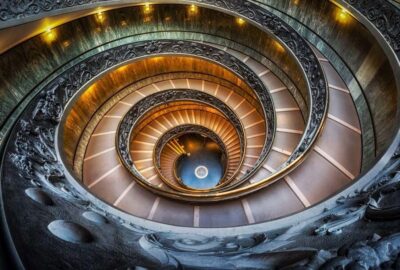
Vatican Museums, Sistine Chapel & St. Peter’s Basilica Tour
Read our review →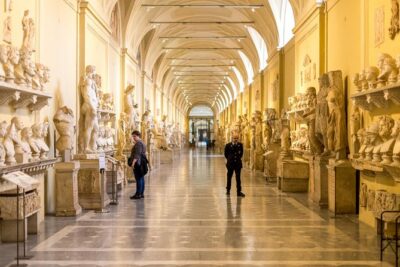
Vatican Museums, Sistine Chapel & St Peter’s Basilica Guided Tour
Read our review →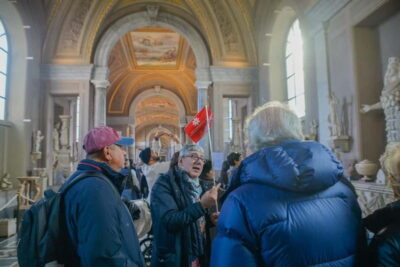
Vatican Museums, Sistine Chapel and Basilica Tour
Read our review →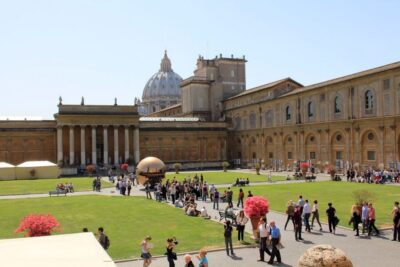
Vatican Museums & Sistine Chapel Skip-the-Line Entry Ticket
Read our review →
Vatican Museums, Sistine Chapel & Basilica Tour
Read our review →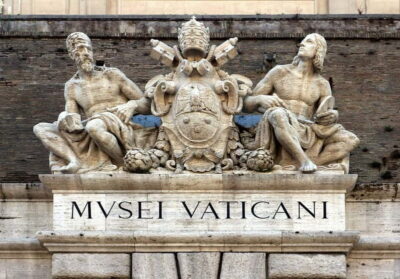
Vatican Museums & Sistine Chapel Guided Tour
Read our review →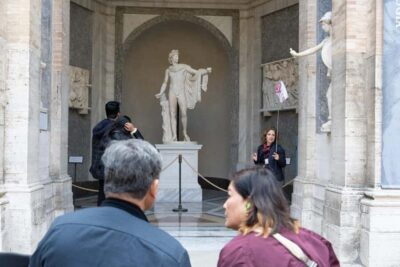
Vatican Museums & Sistine Chapel Skip-the-Ticket-Line Tour
Read our review →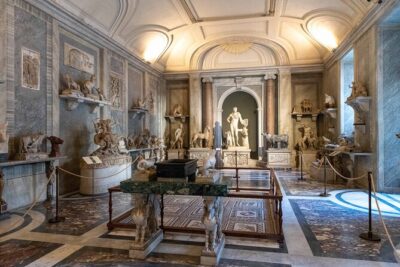
Vatican Museums, Sistine Chapel and St. Peter’s Basilica Tour
Read our review →Browse the lists this tour appears in