Review · GUIDED
River Plate Stadium and Museum Guided Tour
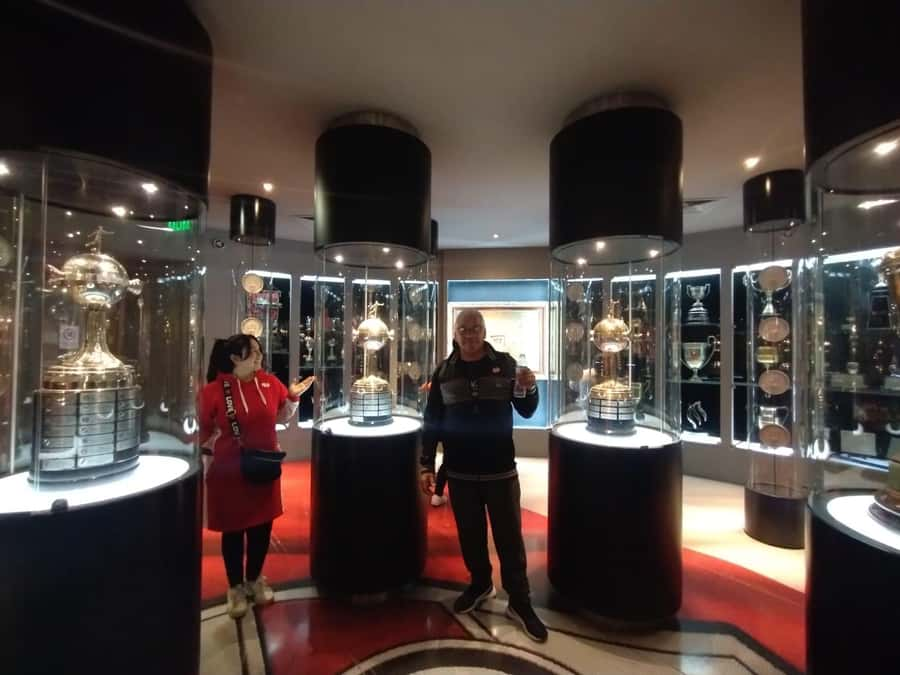
River Plate’s stadium is more than a football ground. It is the home of one of Argentina’s biggest clubs, a venue tied to the 1978 World Cup, and a place that can hold 86,000 people. The museum adds the club’s trophies and story, while the stadium visit brings you closer to the spaces used by players and fans.
I like the private format, which gives you a better chance to ask questions and shape the pace. I also like the chance to see the single tunnel and visitors’ changing room, details that make the visit feel more connected to match day than a museum visit alone. The main caution is that the private guide, snack, and stadium access should be confirmed carefully, since one booking did not receive the promised snack and was given a stadium guide instead.
Key points to know before booking
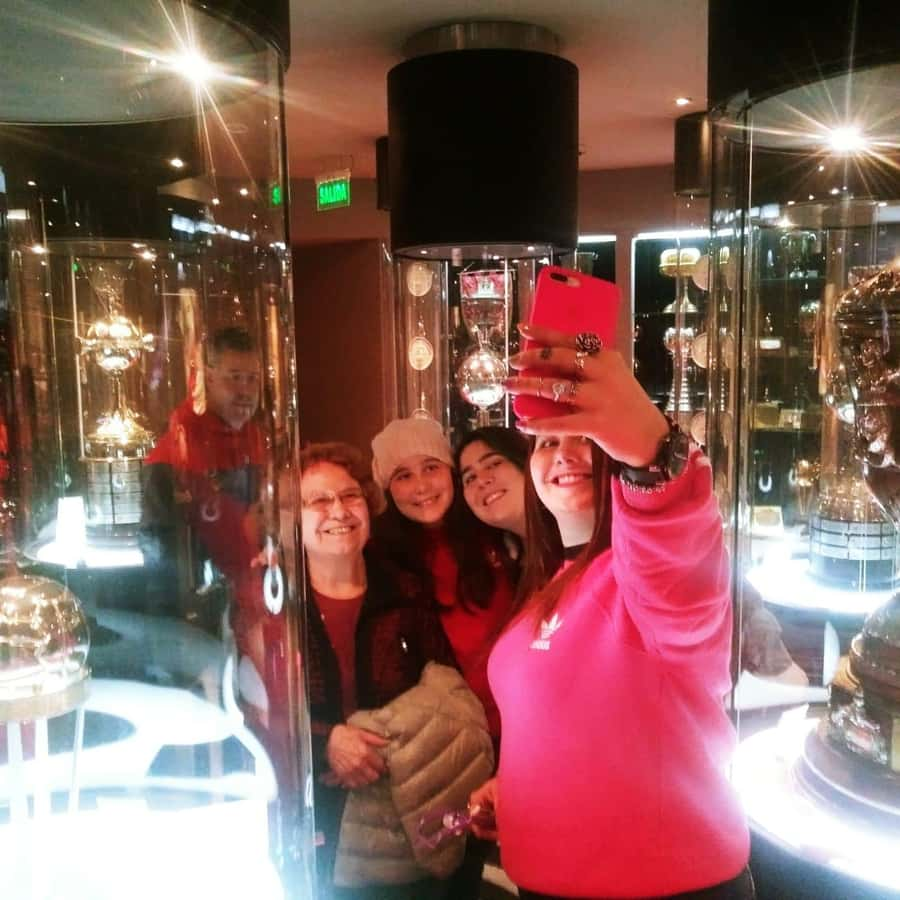
- An enormous football setting: River Plate’s stadium holds about 86,000 spectators and is described as the largest in the Americas.
- A museum and stadium in one visit: You see club history, trophies, the stadium, a tunnel, and the visitors’ changing room.
- Private guiding: English, Portuguese, and Spanish tours are offered for a private group.
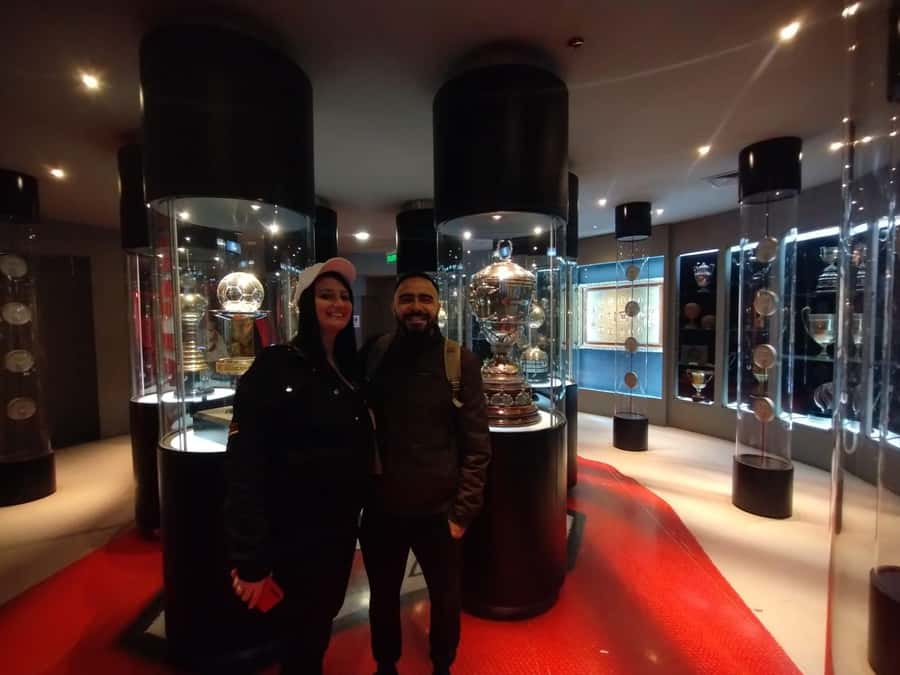
- A strong record of success: River Plate has won more than 70 titles, including four Copa Libertadores.
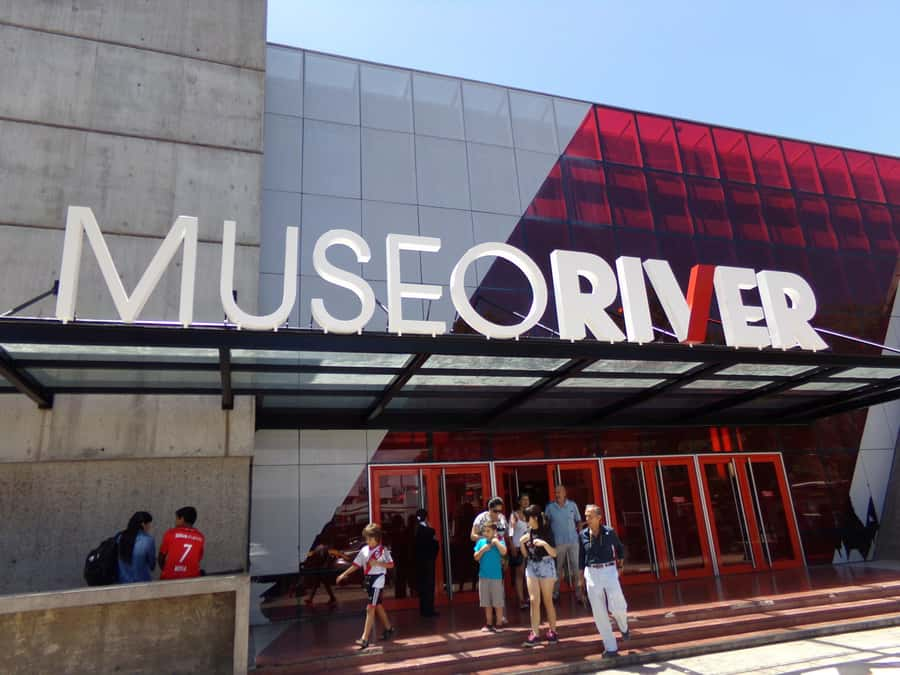
- Meet at the museum: Transport is not included, so make your own way to the main entrance of the River Plate Museum in Núñez.
- Access can change: Matches, concerts, training, repairs, cleaning, or refurbishment can limit access to some stadium areas.
Why River Plate’s stadium matters
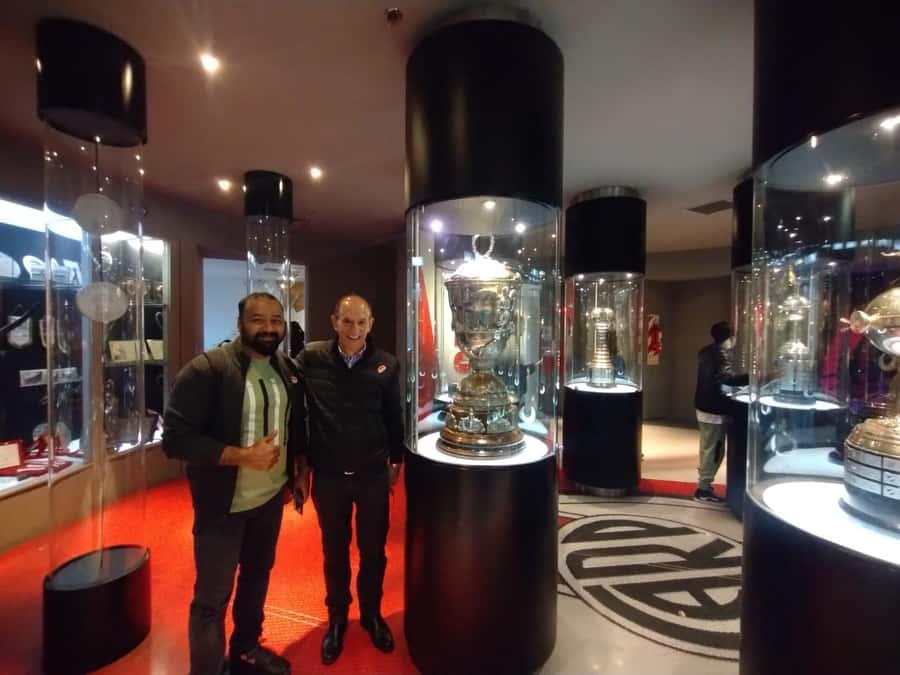
If you know only one thing about Argentine football, it is probably the rivalry between River Plate and Boca Juniors. River belongs to Argentina’s five biggest clubs, and its supporters call it El más grande, or the greatest. That identity is central to this tour.
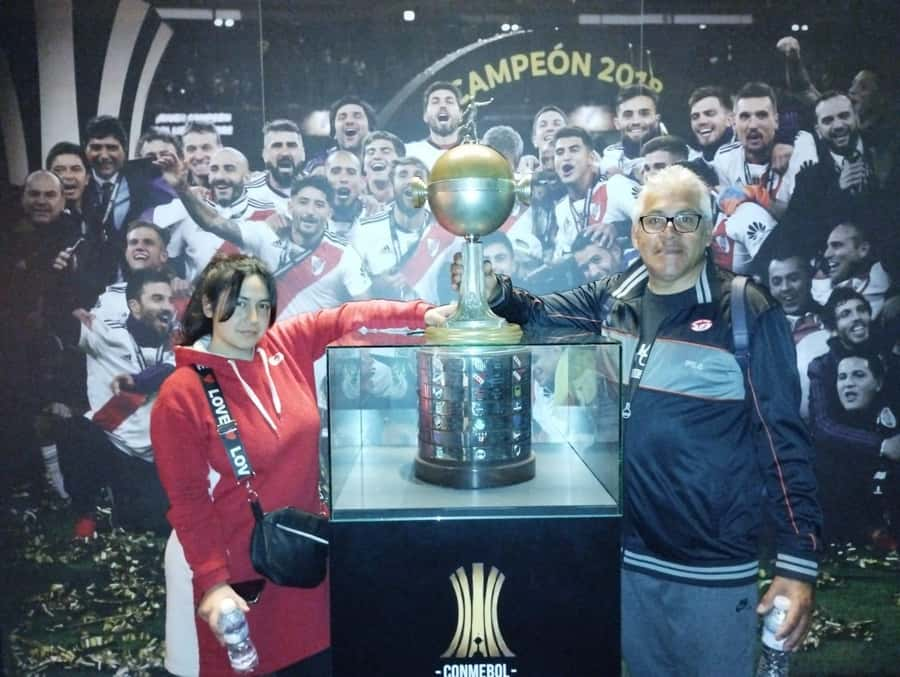
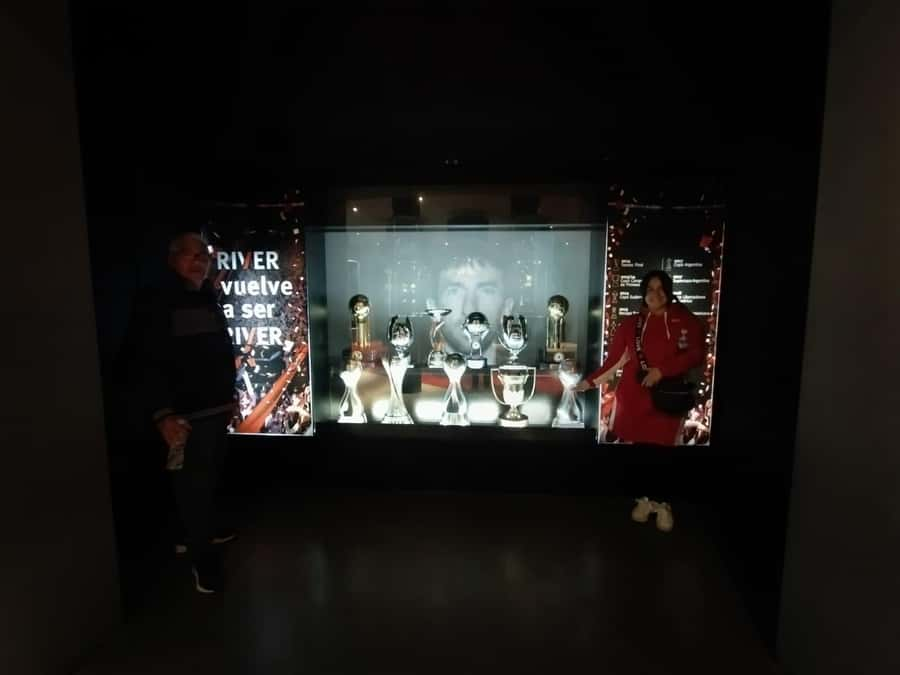
The club dates back more than 100 years and has collected more than 70 titles. Its international honors include four Copa Libertadores, three Recopas Sudamericana, one Interamericana, a Supercopa Sudamericana, a Copa Sudamericana, and a Suruga Bank. You do not need to memorize that list, but it helps explain why the stadium carries such weight for Argentine football.
The stadium also has national importance. Argentina celebrated its 1978 World Cup victory here, giving the venue a place in the country’s wider sporting story. The tour is therefore useful even if you are not a dedicated River supporter. You get club history, national football history, and a look at a major Buenos Aires venue in one stop.
A few more museum visits around the world worth comparing
- Vatican Museums, Sistine Chapel & St Peter’s Basilica Guided Tour
★ 4.5 · 39,149 reviews - Rome: Vatican Museums & Sistine Chapel Guided Tour
★ 4.3 · 12,117 reviews - Louvre Museum Masterpieces Guided Tour with Access
★ 4.5 · 12,023 reviews
Starting at the River Plate Museum in Núñez
The meeting point is the main entrance of the River Plate Museum. Since transport is not included, you need to plan your own arrival in Núñez and allow time to find the entrance.
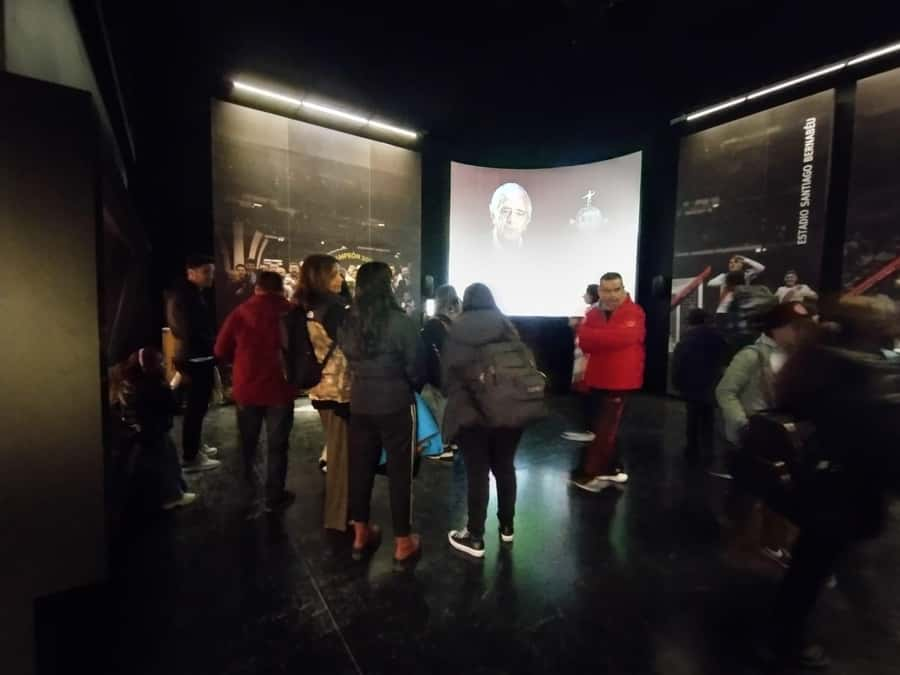
The museum is the natural place to begin. It gives you the background needed to understand the stadium and the club. A guide can connect the trophies, dates, and major achievements to the rooms you visit, rather than leaving you to read displays without context.
The private format is valuable here. You can ask about River Plate’s rivalry with Boca Juniors, its international wins, or the club’s rise from modest beginnings to its present status. The tour is available in English, Portuguese, and Spanish, so choose the language that lets you follow football terms and historical details most easily.
The museum entrance is included, along with the stadium visit. A snack and souvenir are also listed, though I would confirm both when you arrive. One booking reported that the snack was not provided, so it is wise not to treat that small extra as the main reason for paying the tour price.
Seeing the 86,000-seat stadium
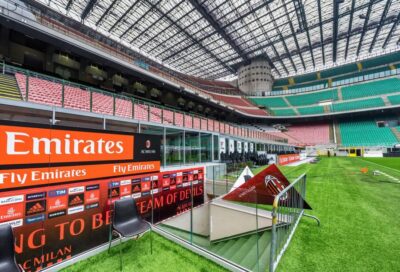
The stadium is the tour’s big visual moment. With a capacity of about 86,000, it is described as the largest in the Americas. Even without a match taking place, that scale gives you a feel for how much energy River Plate can generate on game day.
You should expect the stadium visit to focus on the main football setting and its connection to the club. The precise route can change. Matches, concerts, training sessions, renovations, refurbishment, and cleaning may close certain areas or alter the usual order.
That flexibility is important to understand before you book. The advertised access includes the stadium, but no stadium tour can promise every area on every date. If you are visiting because one particular space matters most, ask about current access before setting your expectations too high.
I like the fact that this is not just a museum ticket. You get the physical setting where River Plate plays, along with the chance to understand why the venue matters to its supporters. For a football fan, the size alone helps put the club’s popularity into perspective.
Walking through the single tunnel
The single tunnel is one of the more specific inclusions. It offers a sense of the route connecting the playing area with the stadium’s inner spaces. That kind of detail often matters more than another display case because it relates directly to the movement of players on match day.
The description does not promise access to every player-only area, and you should not assume that all normally restricted spaces are open. The listed access is to the single tunnel and visitors’ changing room, with other areas subject to operational changes.
This is where a private guide can make the visit more useful. You can ask what the tunnel is used for, how it fits into the stadium plan, and what changes when a match or concert is scheduled. The guide can also explain the difference between the visitor facilities and the larger club setting.
Same city, a completely different collection:
- Vatican: Museums & Sistine Chapel Entrance Ticket
★ 4.5 · 144,003 reviews - Vatican Museums, Sistine Chapel & St. Peter’s Basilica Tour
★ 4.3 · 73,970 reviews - Paris: Louvre Museum Timed-Entrance Ticket
★ 4.6 · 71,977 reviews - Amsterdam: Van Gogh Museum Ticket
★ 4.7 · 52,054 reviews
Entering the visitors’ changing room
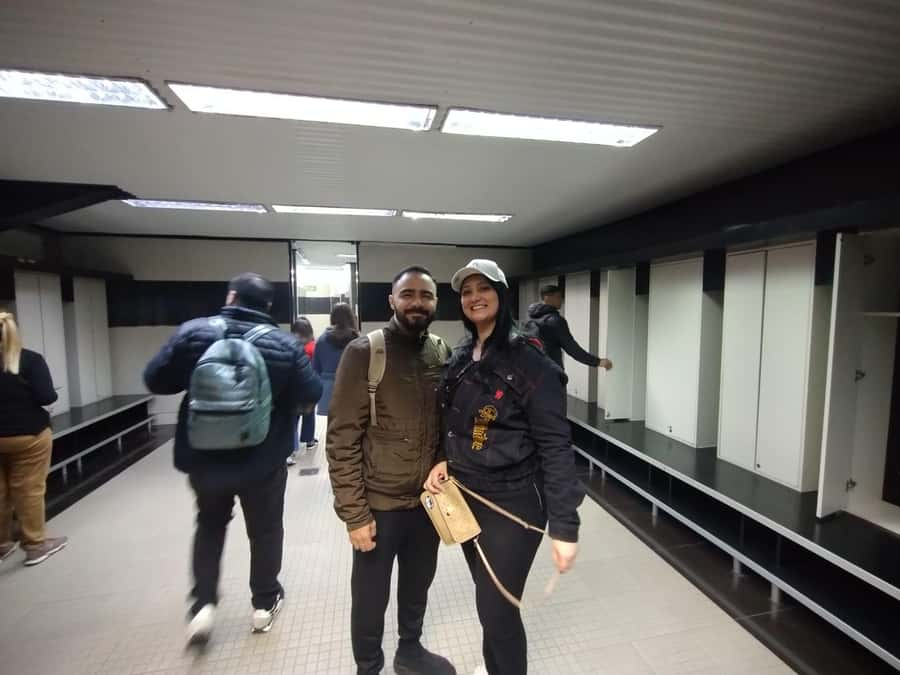
The visitors’ changing room is included in the tour. It is a modest detail on paper, but it adds a human scale to a huge stadium. You are no longer looking only at seating and trophies. You are seeing one of the rooms connected with the practical side of competition.
The word visitors matters. This is not advertised as access to River Plate’s own changing room. If you are expecting the home team’s private dressing area, check the current route before booking.
Access may also change because of training, matches, repairs, or cleaning. That condition applies to the tunnel and changing rooms as well as other stadium sections. If those spaces close, the museum and general stadium visit can still form the core of your experience, but the tour will not be identical to the standard route.
What the private guide adds
A private guide is the clearest reason to choose this experience instead of a basic entry ticket. You have a guide assigned to your group, not a large public group moving at one fixed pace. That should make it easier to ask questions and request more attention on the museum, stadium, or club history.
Juan is one guide specifically praised for an excellent tour. Another booking described the guide as friendly and willing to help, and one English-speaking visitor said the experience taught them a lot. Those details suggest that the quality of the guide can shape the visit in a meaningful way.
Still, I would confirm what private guiding means at the time of booking. One unhappy booking reported receiving a guide employed by the stadium rather than the separately arranged private service. That does not prove every booking will have the same problem, but it is a practical reason to confirm the guide, language, meeting point, and included extras when you arrive.
The available languages are English, Portuguese, and Spanish. If you speak Portuguese or Spanish, this can be especially convenient in Buenos Aires. If you need English, make sure that request is clear before the tour starts.
The snack and souvenir
A snack and souvenir are included. Treat these as minor extras rather than the core value of the tour. The museum, stadium, tunnel, changing room, and private guide are what justify the cost.
The snack may be welcome during a two to three-hour visit, particularly if you are fitting the tour between other activities. Yet one booking reported not receiving it. If it matters to you, ask where and when it will be provided rather than assuming it will arrive automatically.
The souvenir can give you a small physical reminder of the visit. The information does not specify what it is, so do not book this expecting a particular item or a large gift. Football fans may enjoy the gesture, but the stadium and museum remain the main attractions.
Is the $117 price fair?
At $117 per person, this is not the cheapest way to see a football museum. The value depends on what you want from the visit.
For a serious River Plate supporter, the price can make sense because it combines admission, the stadium, the museum, a private guide, the tunnel, the visitors’ changing room, a snack, and a souvenir. You are paying for a more personal visit rather than only walking through exhibits at your own pace.
For a casual football fan, the price is harder to justify. The tour lasts two to three hours, but one booking found it a little short. You should also remember that transfers are not included, so the cost of reaching Núñez comes separately.
The private format is the strongest value point. If you are sharing the experience with family or friends, you can spread the private-tour cost across your group, depending on the booking terms. If you are alone, compare the price with your interest in River Plate and your desire for guided access.
I would not choose this tour mainly for the snack or souvenir. I would choose it for the guide, museum, stadium scale, and access to the tunnel and visitors’ changing room.
Timing, access, and what to bring
Plan on two to three hours, and check the available starting times before you reserve. That is long enough for a substantial visit without taking an entire day away from Buenos Aires.
Wear comfortable shoes. You should also bring a passport or identity card, sunglasses, a sun hat, and sunscreen. Biodegradable sunscreen is specifically requested among the recommended items.
The activity is wheelchair accessible. That is useful information for anyone who needs step-free or adapted access, though the route can still change because of stadium operations.
Alcohol and drugs are not allowed. Since this is a sports venue and museum, follow the staff’s directions and expect access rules to be enforced.
The experience offers free cancellation up to 24 hours before the scheduled start for a full refund. You can also reserve now and pay later, which helps if your Buenos Aires plans are still changing.
Who will enjoy this River Plate visit
I would recommend it most strongly to River Plate fans, football historians, and anyone who wants a sports experience with local meaning. The club’s rivalry with Boca Juniors and its record of international titles give the museum plenty of material to work with.
It also suits families and small groups who prefer a private guide over a large scheduled group. The available Portuguese and Spanish options are useful for many visitors in Buenos Aires, while English guiding makes the club story easier to follow if you do not speak Spanish.
Casual sports fans can enjoy it too, especially if the stadium’s 86,000-seat scale interests you. But if you have little interest in football, the price and two to three-hour commitment may be difficult to defend.
Finally, avoid booking this on a tight schedule if you need guaranteed access to a particular stadium space. Events, training, maintenance, and cleaning can change the route.
Should you book the River Plate Stadium and Museum Tour?
Book it if you want more than a museum ticket and value a private guide, the stadium itself, and access to the tunnel and visitors’ changing room. The friendly guiding and strong educational side make this a worthwhile choice for football-minded visitors.
Before paying, confirm the meeting point at the River Plate Museum, the guiding language, the private guide arrangement, and whether the snack and souvenir are ready to be provided. Do not count on hotel transport, since transfers are not included.
Skip it if you are only mildly interested in football or if $117 feels high for a two to three-hour activity. For the right visitor, though, this is a focused way to understand why River Plate means so much to Buenos Aires and to see one of the continent’s biggest football stadiums from inside.
FAQ
Where does the River Plate Stadium and Museum Tour meet?
The meeting point is the main entrance of the River Plate Museum in Núñez.
How long does the tour last?
The tour lasts about two to three hours.
Is transportation to the stadium included?
No. Transfers to and from the stadium are not included.
Is the tour private?
Yes. The activity is offered for a private group.
What languages are available?
The live guide can conduct the tour in English, Portuguese, or Spanish.
What areas are included?
Admission includes the museum, stadium, single tunnel, and visitors’ changing room.
Is the tour wheelchair accessible?
Yes, the activity is listed as wheelchair accessible.
Can the stadium route change?
Yes. Access to the stadium, tunnel, and changing rooms may change because of matches, concerts, training sessions, renovations, refurbishment, or cleaning.
Just added around the world
- Girona, Figueres, Dalí Museum and Cadaqués Tour from Barcelona★ 4.5 · 36 reviews
- Football Club Barcelona Museum Immersive Tour Guided Visit★ 3.5 · 52 reviews
- Erotic Museum Admission Ticket with Audioguide★ 5.0 · 527 reviews
- Dali Museum and Costa Brava Small Group Day Trip from Barcelona★ 5.0 · 77 reviews
- Madrid by High-Speed Train with Prado Museum Private Tour★ 4.0 · 33 reviews
- Guitar Legends Hall: Entrance to the Immersive Rock Museum★ 5.0 · 25 reviews
- White Rabbit Museum: The Best Immersive Experience in Catalonia★ 5.0 · 538 reviews
- Private Dali Museum, Besalú & Girona Tour from Barcelona★ 5.0 · 15 reviews
Guided, compared.
Vatican Museums, Sistine Chapel & St Peter’s Basilica Guided Tour
Read our review →
Vatican Museums & Sistine Chapel Guided Tour
Read our review →
Louvre Museum Masterpieces Guided Tour with Access
Read our review →
Acropolis, Parthenon & Acropolis Museum Guided Tour
Read our review →
The Acropolis, Parthenon & Acropolis Museum Guided Tour
Read our review →
Louvre Museum – Exclusive Guided Tour (Entry Included)
Read our review →
Uffizi Gallery: Renaissance Masterpieces Guided Tour
Read our review →