
Review · PERU
Lima: Larco Museum Entry Ticket & Guided Tour with Pickup
The Larco Museum is not just a roomful of old pots. Its ceramics show how ancient Peruvians understood offerings, war, music, death, and fertility, with scenes that can be beautiful, strange, and startling all at once. This three-hour tour gives you a focused way to see one of Lima’s most important museums without sorting out transport on your own.
I like the small group size, limited to 10 people, and the hotel pickup from Miraflores, Barranco, or San Isidro. I also like that the tour explains objects through Andean beliefs instead of treating them as silent displays. The main tradeoff is time: roughly two hours inside the museum is enough for a guided overview, but not enough for every gallery if you want to read everything slowly.
Key points to know before booking
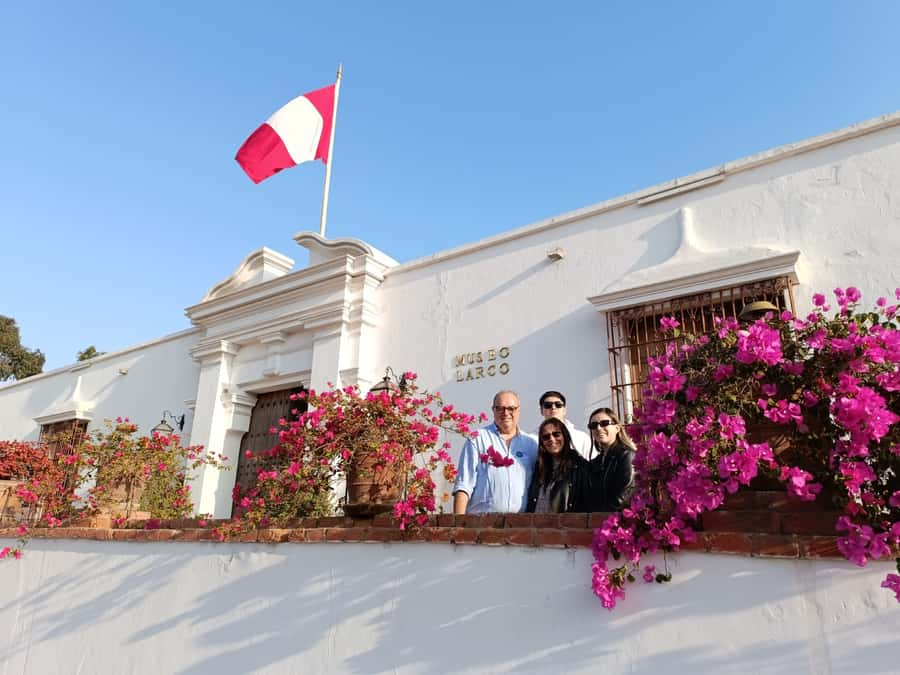
- 45,000-plus ancient objects: See ceramics, textiles, gold, and silver arranged by period and theme.
- A clear focus on Andean beliefs: The tour covers offerings, human sacrifice, war, music, death, and fertility.
- Small-group guiding: Groups are limited to 10, with English and Spanish tours available.
- Pickup included in three districts: Hotel service covers Miraflores, Barranco, and San Isidro.
- About two hours in the museum: The remaining time covers transport, entry, and a short shopping stop.
- A guide can make the difference: Pamela has been praised for patient answers, strong storytelling, and clear explanations.
Why the Larco Museum deserves your afternoon
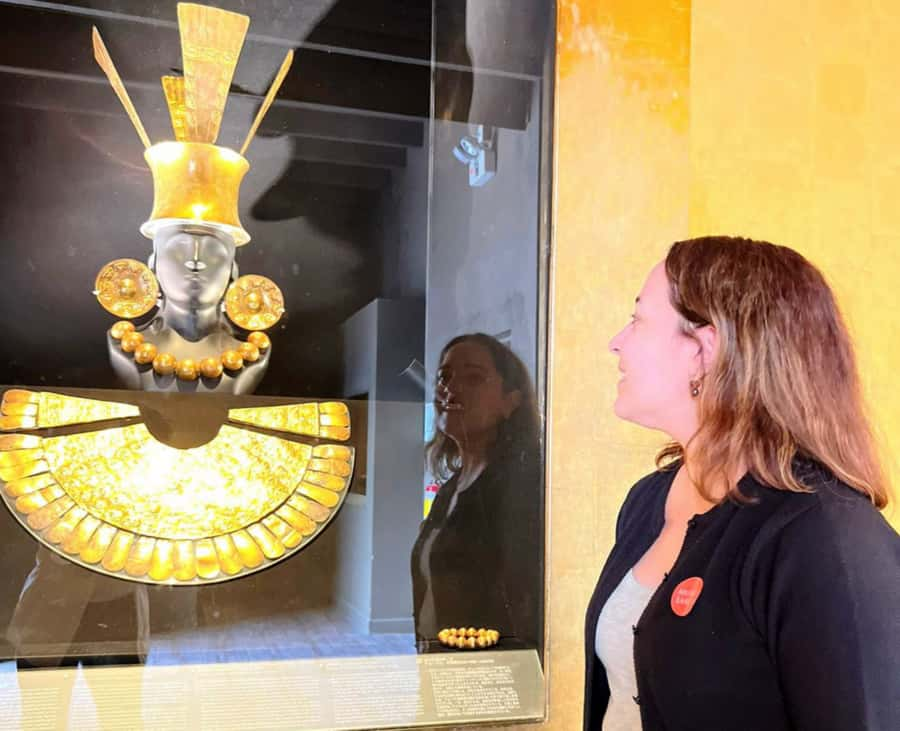
Lima has plenty of museums, but the Larco Museum is especially useful if you want to understand ancient Peru through objects rather than dates alone. Its collection includes more than 45,000 pieces, arranged in chronological and thematic displays that trace the development of ancient Peruvian cultures up to the rise of the Inca Empire.
That organization matters. You are not simply moving past isolated ceramics with unfamiliar names. You are given a broad sequence, then shown how different objects connect to beliefs and daily life. A guide can point out why a ceramic scene matters, what it may say about ritual, and how its imagery fits within the Andean worldview presented at the museum.
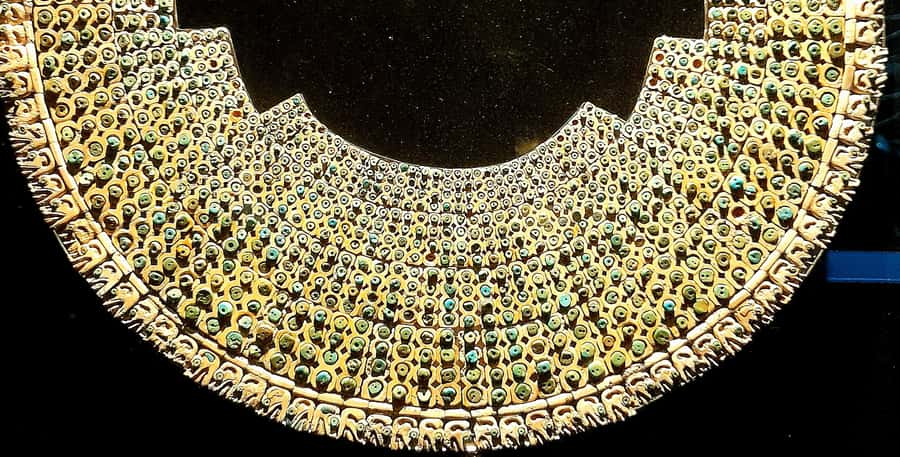
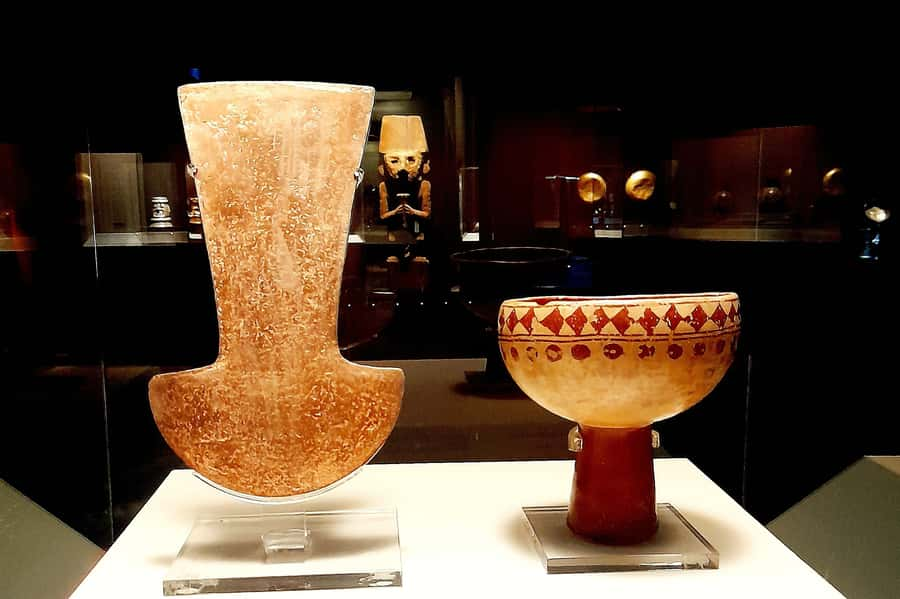
The collection includes ceramics, textiles, gold, and silver. The ceramics receive particular attention on this tour, especially the pieces connected with offerings and human sacrifice before the Inca period. Some may be visually polished and carefully shaped, while their subject matter is far more serious. That contrast is part of what makes the visit memorable.
You should also expect discussion of music, warfare, and death. These are not side topics here. Together, they help explain how ancient communities understood power, ceremony, danger, and the passage from life to death.
A few more museum visits around the world worth comparing
- Vatican: Museums & Sistine Chapel Entrance Ticket
★ 4.5 · 144,003 reviews - Paris: Louvre Museum Timed-Entrance Ticket
★ 4.6 · 71,977 reviews - Amsterdam: Van Gogh Museum Ticket
★ 4.7 · 52,054 reviews
Pickup from Miraflores, Barranco, or San Isidro
The tour begins with pickup from your accommodation in Miraflores, Barranco, or San Isidro. You wait in the hotel lobby 15 minutes before the scheduled time, and the driver and guide ask for your last name at reception.
This is a practical benefit in Lima. You do not need to arrange a separate taxi to the museum, and the return ride is included. The drive is listed at about 25 minutes each way, though the exact experience depends on your pickup point and the day’s conditions.
If you are staying in another district, pickup and drop-off may be arranged for a small extra fee. That is worth confirming before you book, since the included service applies only to the three named districts.
The vehicle is a van, and the group is limited to 10 participants. That makes the visit more personal than a large coach outing. You should still expect a shared tour rather than a private one, so the guide’s attention will be divided among the group.
Entering the Larco Museum’s 45,000-piece collection
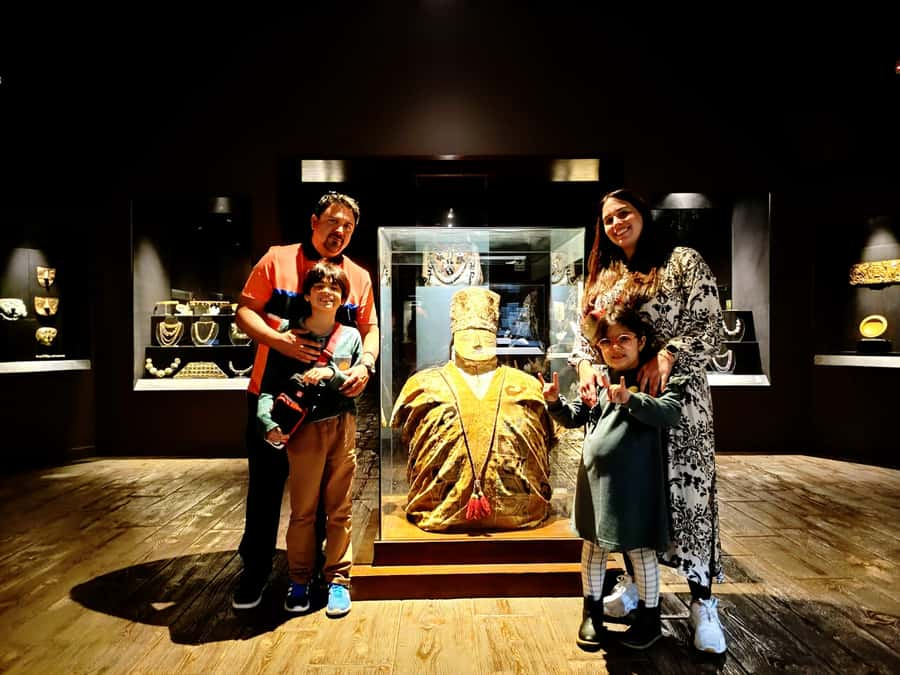
Once you arrive, your entry ticket is included and the tour uses skip-the-line access. The guided museum visit lasts about two hours, followed by around 15 minutes for shopping.
The museum presents the collection in chronological order and in themed rooms. This gives the guide a useful structure. You begin with the development of ancient Peruvian civilizations, then move through objects that show changes in technology, ritual, social life, and artistic style before reaching the period connected with the rise of the Inca Empire.
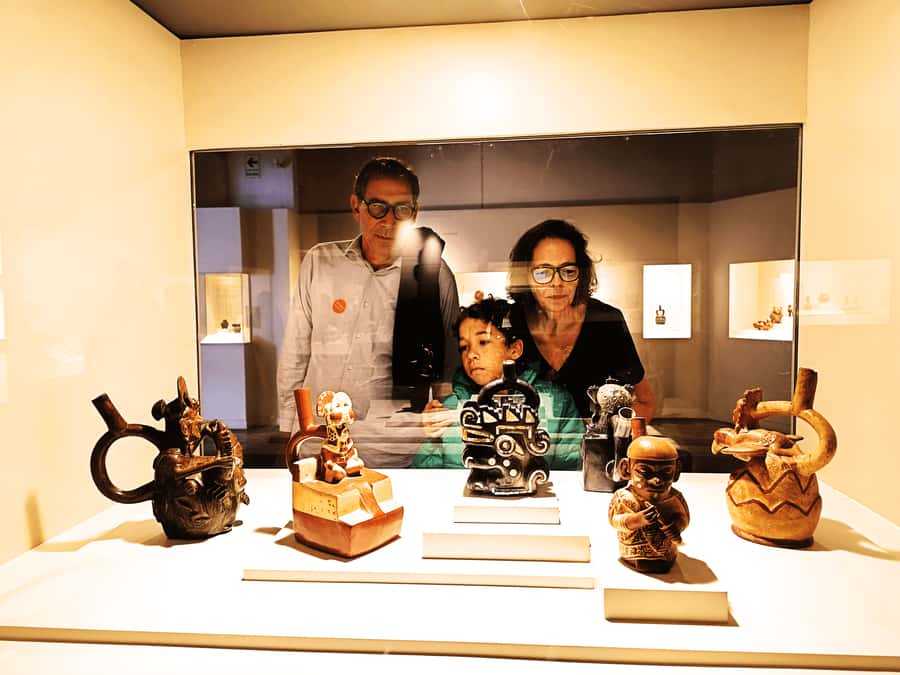
I would pay close attention to the way the ceramics are displayed. They are not only decorative works. Many carry images and forms that give clues about ceremonies, animals, people, conflict, and religious ideas. The guide’s job is to help you notice those details without burying you in dates.
The tour is conducted in English or Spanish. A good guide can also adjust the pace when a group has questions. Pamela, one of the guides associated with this experience, has been praised for enthusiastic storytelling and patient answers. That kind of help is valuable here, since the museum’s subjects can be difficult to interpret without context.
Offerings and human sacrifice in ceramic form
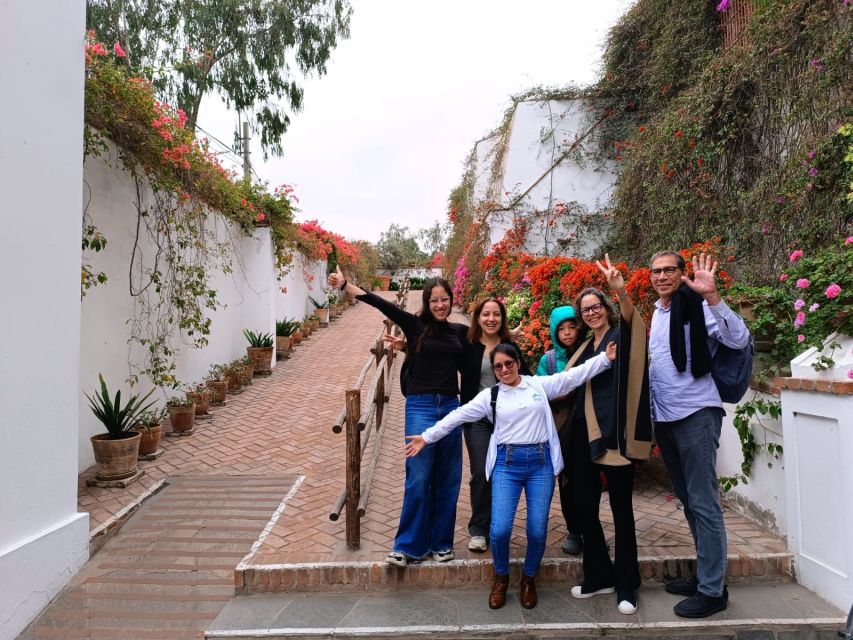
One of the strongest parts of this experience is the room devoted to ceramics connected with offerings and human sacrifice. The description of the tour places this material at the center, and for good reason. It shows that ancient societies used objects to express serious religious and political ideas.
You should not expect a light museum stop filled only with attractive pottery. Some pieces address death and ritual violence. The guide explains these subjects as part of the Andean worldview, giving you a framework for understanding why offerings were made and how ceremonial acts fit into ancient belief.
This is also where a guided visit earns its price. A label can identify a culture or approximate period, but a guide can connect the object to the wider themes of power, worship, and community. The result is a more thoughtful visit than simply photographing the most unusual pieces.
The subject may not suit every child or every visitor. If your group prefers only easygoing sightseeing, this section could feel intense. If you want a serious look at ancient Peruvian cultures, it is one of the tour’s most useful parts.
Same city, a completely different collection:
- Vatican Museums, Sistine Chapel & St. Peter’s Basilica Tour
★ 4.3 · 73,970 reviews - Vatican Museums, Sistine Chapel & St Peter’s Basilica Guided Tour
★ 4.5 · 39,149 reviews - NYC: 9/11 Memorial & Museum Timed-Entry Ticket
★ 4.8 · 31,428 reviews - London: Tower of London and Crown Jewels Exhibition Ticket
★ 4.6 · 28,769 reviews
Music, war, death, and the Andean worldview
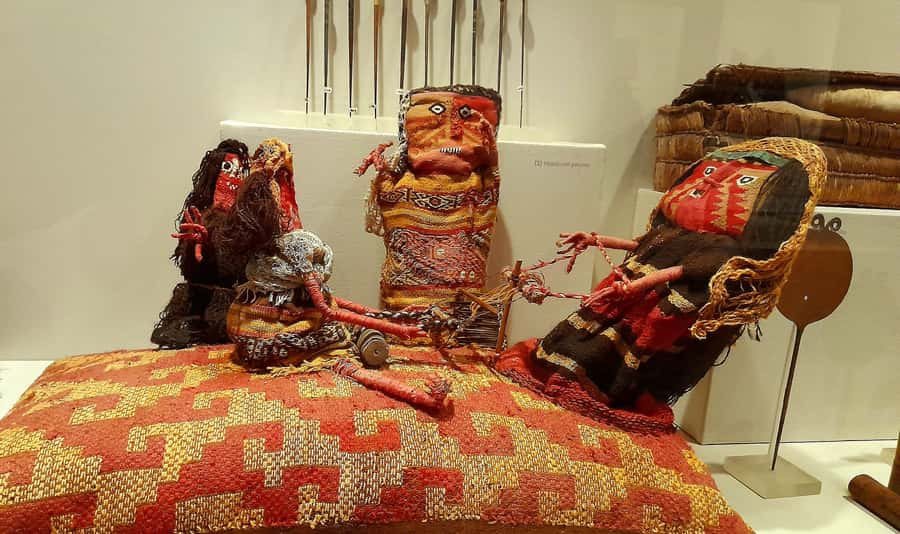
The tour also explores music, war, and death. These themes help you read the objects as evidence of a complete society, not just as isolated artworks.
Music offers a way to think about ceremony and community. War points toward conflict, authority, and the relationships between different groups. Death brings the museum back to ritual and belief, showing that ancient Peruvian cultures had their own ways of explaining what happens beyond ordinary life.
The phrase Andean worldview is important here. The tour is not only about what an object looks like. It asks how people understood their place in the world and how those ideas shaped what they made.
You will get more from this section if you listen for connections between rooms. A ceramic scene about ceremony may relate to the discussion of offerings. An object connected with warfare may say something about status or power. The guide helps create those links, which is especially useful if you have limited background in Peru’s ancient civilizations.
The fertility room is a powerful final stop
The tour finishes in the museum’s striking fertility room. This is likely to be the most surprising part of the visit for many people.
The room contains imagery related to fertility, presented as a major cultural subject rather than a joke or novelty. It can be confronting, but it is also an important reminder that ancient societies represented birth, sexuality, and reproduction openly in their art and ritual objects.
Your guide provides the cultural setting, which helps keep the visit respectful and useful. Without that explanation, some pieces might seem merely unusual. With it, you can consider what fertility meant within the society that produced the objects.
This final room may not be the right fit for every young child or for visitors who prefer strictly conventional museum displays. For most adults interested in ancient Peruvian culture, though, it gives the tour a memorable finish and adds another piece to the picture of Andean beliefs.
What the three-hour schedule really gives you
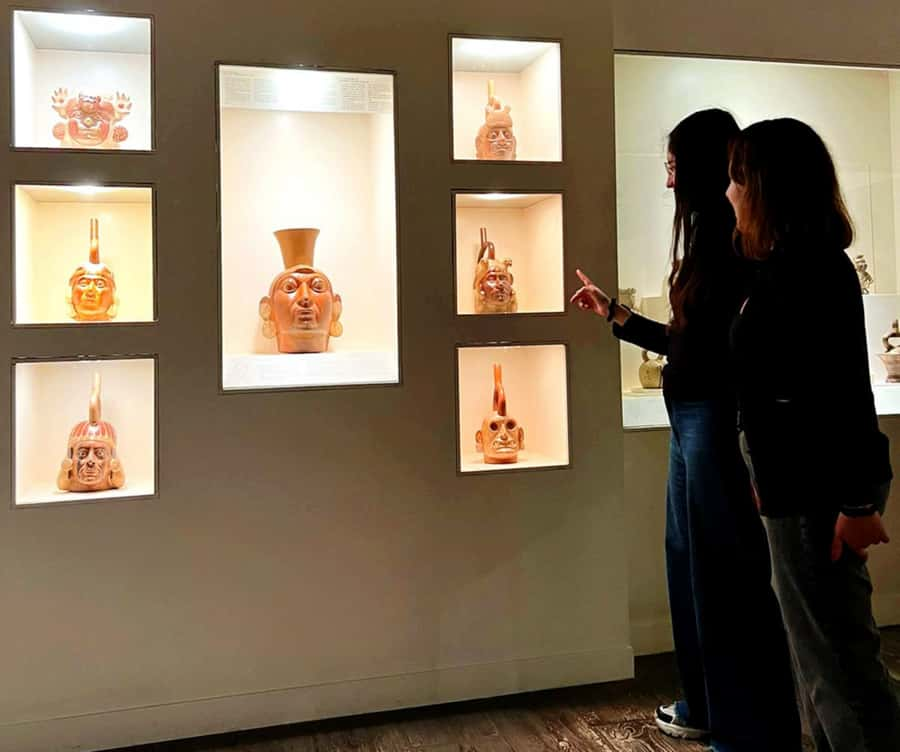
The full experience lasts three hours. The listed plan allows about 25 minutes in the van to reach the museum, about two hours for the guided visit, 15 minutes for shopping, and about 25 minutes for the return ride.
That is a sensible length for a first visit. Two hours lets you see the main collection with a guide without turning the afternoon into an exhausting museum marathon. It also means you will not have time to study every object or gallery at length.
If you already know the Larco Museum well, this tour may feel too brief. You might prefer an independent visit with more time for labels and repeat looks at favorite pieces. If this is your first museum visit in Lima, the schedule is better suited to getting a clear introduction and then moving on to another part of the city.
The short shopping stop is optional in spirit, but it is part of the planned schedule. You can use it for a souvenir or simply treat it as a pause before the return trip.
Is the $54 price a fair deal?
At $54 per person, this is not the cheapest way to enter a museum in Lima. The value comes from the bundle: entry, bilingual guiding, professional driving, hotel pickup and return, a small group, skip-the-line access, and a bottle of water.
I think the price makes the most sense if you are staying in Miraflores, Barranco, or San Isidro and want a simple half-day plan. A separate taxi in both directions, museum entry, and a guide arranged on your own could reduce the gap between this tour and independent sightseeing.
The price is less compelling if you are already near the museum, prefer to spend several hours reading at your own pace, or do not need transport. You are paying for convenience and interpretation as much as for admission.
The guide is the key value. The strongest comments about the experience focus on clear explanations, enthusiasm, storytelling, and patient answers. That matters at a museum where the objects can be visually striking but culturally unfamiliar.
Who will enjoy this museum tour most
I would recommend this for a first-time visitor to Lima who wants ancient Peruvian culture explained in plain language. It suits you if you prefer a structured visit and want transportation handled from the start.
It is also a good choice for couples, families with older children, and small groups who want a serious cultural stop without committing an entire day. The wheelchair-accessible format adds flexibility, though you should still confirm any specific mobility needs when booking.
You may want another plan if you want a private guide, a very slow museum visit, or a detailed academic treatment of every civilization and object. The tour offers a guided overview, not an exhaustive study session.
The high rating of 4.9 from 23 reviews fits the experience’s strongest qualities: the collection, the guide’s explanations, and the smooth transport arrangement. The praise is not centered on luxury or elaborate extras. It is centered on learning something worthwhile in a limited amount of time.
Booking details worth keeping in mind
English and Spanish guiding are available. Pickup and return are included only for accommodations in Miraflores, Barranco, and San Isidro, while other districts may require an extra fee.
You can cancel up to 24 hours before the activity for a full refund, and the reserve-now, pay-later option lets you keep your plans flexible. Starting times vary, so check availability for your preferred date.
Meals are not included. The tour provides one bottle of water, but you should plan your food separately if the timing crosses a meal.
Should you book this Larco Museum tour?
Book it if you want a well-organized three-hour introduction to ancient Peru, especially if you are staying in one of the included Lima districts. The collection is large, the subject matter is varied, and the guide gives the objects a meaning that is easy to miss on your own.
I would be less inclined to book if you want several hours of quiet, independent study or already have transport and museum entry arranged. For most first-time visitors, though, the combination of a small group, bilingual guide, hotel service, and focused route makes $54 a reasonable price for a useful cultural afternoon.
FAQ
How long does the Larco Museum tour last?
The activity lasts three hours, including transportation, the museum visit, shopping time, and the return trip.
How much time is spent inside the museum?
The guided museum portion lasts about two hours, followed by approximately 15 minutes for shopping.
Is hotel pickup included?
Yes, pickup and return are included for accommodations in Miraflores, Barranco, and San Isidro.
Can I arrange pickup from another district?
Yes, pickup and drop-off from another district may be organized for a small extra fee.
What languages are available?
The live guide is available in English and Spanish.
How many people are in the group?
The tour is limited to 10 participants.
Is the Larco Museum entry ticket included?
Yes, the museum entry ticket is included in the $54 price.
Does the tour include food?
No. Meals are not included, though one bottle of water is provided.
Is the tour wheelchair accessible?
Yes, the activity is listed as wheelchair accessible.
Where does the tour finish?
Return service is available to Miraflores, Barranco, or San Isidro. You may also request drop-off at a restaurant or another location within those districts.
Just added around the world
- Girona, Figueres, Dalí Museum and Cadaqués Tour from Barcelona★ 4.5 · 36 reviews
- Football Club Barcelona Museum Immersive Tour Guided Visit★ 3.5 · 52 reviews
- Erotic Museum Admission Ticket with Audioguide★ 5.0 · 527 reviews
- Dali Museum and Costa Brava Small Group Day Trip from Barcelona★ 5.0 · 77 reviews
- Madrid by High-Speed Train with Prado Museum Private Tour★ 4.0 · 33 reviews
- Guitar Legends Hall: Entrance to the Immersive Rock Museum★ 5.0 · 25 reviews
- White Rabbit Museum: The Best Immersive Experience in Catalonia★ 5.0 · 538 reviews
- Private Dali Museum, Besalú & Girona Tour from Barcelona★ 5.0 · 15 reviews
Museum Tours in Peru, compared.
Larco Museum, Pisco Old Tavern and Magic Water Circuit Evening Tour
Read our review →
Pachacamac’s Inka Pyramids Tour including Museum Small-Group
Read our review →
Lima in a Day: City Sightseeing Tour, Larco Museum and Magic Water Circuit
Read our review →
Lima´s Vibrant Heritage & Larco Museum of Cultures Half Day Tour
Read our review →
Pachacamac Inka Pyramids & The Larco Museum Tour
Read our review →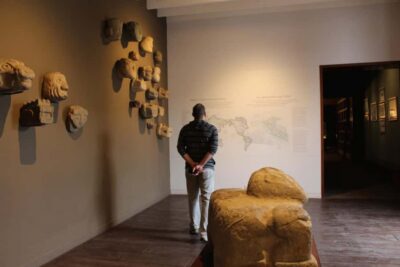
Huaca Ruins and Larco Museum at Night with Dinner
Read our review →
Browse the lists this tour appears in