
Review · POLAND
Krakow: Archdiocesan Museum Entry Ticket
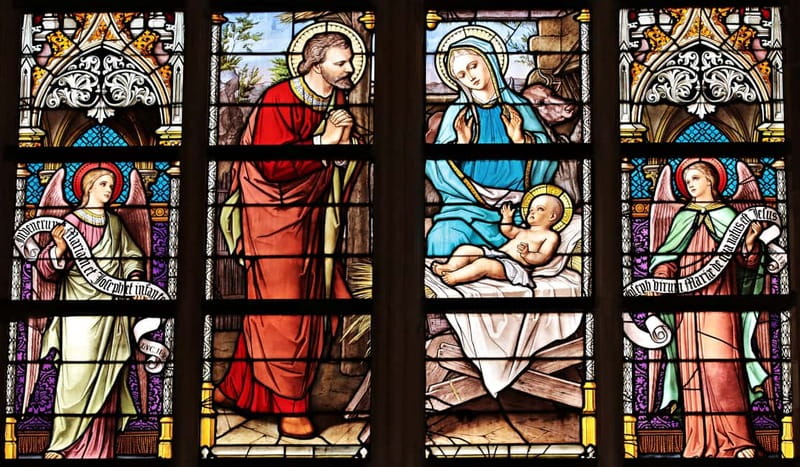
Kraków’s Archdiocesan Museum brings together centuries of Polish religious art in a compact, personal setting. You’ll see medieval sacred pieces, later paintings, liturgical objects, and belongings linked to Saint John Paul II, including items from his years as Cardinal Karol Wojtyła.
I like the self-paced format, since you can give extra time to the works that catch your eye instead of following a group. I also like the direct connection to Kraków’s most famous church figure. The main consideration is that this is a focused museum visit, not a guided tour or a broad survey of every part of Polish culture.
Key points at a glance
- Sacred art across six centuries: See works dating from the 13th through the 19th century.
- John Paul II collection: View gifts presented to the pope and souvenirs from his time as Cardinal Karol Wojtyła.
- Recognizable Polish artists: Look for paintings by Teresa Stankiewicz and Fryderyk Pautsch.
- Easy central visit: The museum is at Kanonicza 19/21 in Kraków.
- Flexible timing: Your ticket is valid for one day, with no fixed tour schedule stated.
- Low entry cost: At about $4.19 per person, it is an inexpensive indoor stop.
What the Archdiocesan Museum adds to a Kraków visit
Kraków is full of churches, altarpieces, processions, and religious monuments. The Archdiocesan Museum gives you a quieter way to understand the art behind that public display.
Instead of seeing one altar in place and moving on, you can look at sacred objects as works of art and as evidence of changing religious life. The collection covers the 13th to the 19th century, so you move through a long period of Polish church art in one visit.
That range matters. Medieval works tend to place devotion at the center, while later pieces can show more attention to drama, decoration, and individual artistic style. The museum links these changes to the Church’s role in preserving and commissioning art.
I would not treat this as a giant national museum. Its appeal is more focused. You come for sacred art, the Polish Catholic story, and the special connection with John Paul II. If those subjects interest you, the visit offers more meaning than its low price suggests.
A few more museum visits around Poland worth comparing
- Schindler’s Factory in Krakow: Guided Tour & Skip the Line Ticket
★ 4.5 · 1,714 reviews - Warsaw: POLIN Museum of the History of Polish Jews Ticket
★ 4.7 · 1,142 reviews - Warsaw: Museum World of Illusion Entry Ticket
★ 3.9 · 666 reviews
Entering at Kanonicza 19/21
The meeting point is Kanonicza 19/21, a useful address to keep in mind when planning your walk through central Kraków. Transportation is not included, so you make your own way there.
The ticket gives you entry rather than a guided route. That means you can set your own pace, pause in front of a painting, and move along when a display does not speak to you. You also avoid the need to fit your day around a long scheduled excursion.
The ticket is valid for one day. The listed experience also includes skip-the-ticket-line access, which can make the arrival simpler, though you should still check the current opening hours before setting out. The museum notes that hours can change from those shown when booking.
That practical warning matters in Kraków, where churches and cultural sites may adjust schedules for religious events or other circumstances. Check the official museum website on the day you plan to visit. A two-minute check can prevent a needless walk across town.
From 13th-century devotion to 19th-century art
The main collection spans six centuries of sacred art. You might find medieval icons, sculptures, paintings, and decorated liturgical objects that show how religious images served both worship and teaching.
For you, the value is not only visual. These works help explain how faith shaped Polish artistic life long before modern galleries and public museums became common. Churches were places of prayer, but they were also major patrons of painting, sculpture, metalwork, and textiles.
The earlier objects can require patience. Medieval religious art may look formal or unfamiliar if you are used to later European painting. Give yourself time to notice the symbols, repeated gestures, and visual patterns. The point is less about realistic portraiture and more about communicating sacred stories and spiritual ideas.
As you reach later centuries, the art becomes more varied in mood and style. Baroque sculpture and decoration can feel theatrical, while 19th-century works often show a stronger interest in atmosphere and emotional expression. You get a useful sense of change without needing an art-history background.
The collection’s size is not specified, so I would plan for a compact museum visit rather than assume an entire afternoon. Your ticket lasts one day, but that does not mean you need to spend all day inside. It works well as a one to two hour stop within a larger Kraków itinerary, though the exact amount of time depends on your interest in religious art.
The John Paul II connection
The most personal part of the museum is its material linked to Saint John Paul II. You can see gifts presented to him during his papacy, along with souvenirs from his years as Cardinal Karol Wojtyła.
This section changes the feel of the visit. Medieval art can seem distant, separated from you by centuries. A personal object connected to Karol Wojtyła brings the story closer to modern times and to Kraków itself.
John Paul II was not simply a pope associated with Poland from afar. He had a strong connection to Kraków, and his earlier life as Cardinal Wojtyła is part of the city’s identity. The objects here let you consider that transition from local church leader to one of the most recognized Catholic figures in the world.
You should not expect a full biographical museum devoted only to the pope. The John Paul II material is one part of a larger collection. Still, it gives the museum a clear local character and makes the visit especially suitable for anyone interested in Polish Catholicism, modern church history, or the pope’s relationship with Kraków.
For many people, this is likely to be the most emotionally direct section. One German booking comment described the experience as very interesting and emotionally moving, while other short responses called it wonderful or formidable. Those reactions make sense because the exhibits connect large public events with personal belongings and gifts.
Same city, a completely different collection:
- Auschwitz-Birkenau Museum and Memorial Guided Tour from Krakow
★ 4.5 · 1,510 reviews - Krakow: Rynek Underground Museum Guided Tour
★ 4.6 · 1,122 reviews - Warsaw: Polish Vodka Museum Tour with Tasting
★ 4.6 · 788 reviews - Krakow: City Card with Public Transport and Museums
★ 3.9 · 675 reviews
Works by Teresa Stankiewicz and Fryderyk Pautsch
The museum includes a painting by Teresa Stankiewicz and a painting by Fryderyk Pautsch. Their inclusion gives you something beyond anonymous devotional objects.
Named artists help you read the collection in another way. You can compare works created for religious settings with paintings that show an individual artistic voice. Stankiewicz’s work and Pautsch’s painting are specifically highlighted, so look for their names as you move through the galleries.
The supplied information does not identify the titles, dates, or subjects of these paintings. I would not arrive expecting a major dedicated exhibition of either artist. Instead, treat them as important examples within the larger sacred-art collection.
This is also a good reason to slow down. A quick pass through a church museum can turn every painting into a background object. With a self-guided ticket, you can stop and compare how different artists handle religious symbolism, color, figures, and mood.
Why a self-guided ticket works here
A self-guided visit suits this museum because the collection covers different periods and subjects. You may care most about medieval objects, while another person in your group may come mainly for John Paul II. You do not have to give each room the same amount of time.
The format also avoids a common problem with group tours: being hurried past the one object you want to study. You can read labels, take in the overall setting, and decide for yourself which pieces deserve another look.
The trade-off is the lack of a named guide or live explanation. No guide names are provided for this activity, and the ticket is simply for entry. If you want detailed commentary on symbols, dates, and artistic techniques, you may need to do some reading before or after the visit.
I see that as a fair exchange at this price. At around $4.19, the ticket costs less than many major museum admissions. You are paying for a focused cultural stop, not a full guided program. For a visitor already exploring Kraków on foot, it is an easy way to add substance to the day without committing a large part of your budget.
Who will get the most from this museum
I would recommend this visit to several kinds of people:
- You have an interest in Catholic art or European religious history.
- You want to understand Kraków’s connection with John Paul II.
- You enjoy museums that let you set your own pace.
- You are looking for a low-cost indoor activity.
- You prefer a focused collection over a large, exhausting museum.
- You are visiting churches and want more context for the art you see there.
Families may find the museum worthwhile if children have an interest in objects, paintings, or the pope. Still, the subject is serious and the experience is not presented as a hands-on attraction. Younger children may need help staying engaged.
Art specialists may appreciate the range from the 13th to the 19th century, but the available information does not indicate the depth of the labels or the presence of specialist commentary. I would see it as a meaningful introduction rather than a substitute for a major art institution.
The museum can also suit religious pilgrims visiting Kraków. The John Paul II exhibits add a personal link to the city, while the older works show the wider artistic role of the Church.
Practical planning for your visit
The experience lasts one day in ticket validity, not necessarily as a scheduled full-day tour. You can choose an available starting time when booking, but the visit itself is designed for independent exploration.
Allow time for the museum and then continue with nearby Kraków sights. Since no transportation is included, plan your route to Kanonicza 19/21 before you leave. The central address makes the museum a natural addition to a day of walking, though the activity information does not specify exact walking times from other landmarks.
The museum is wheelchair accessible. That is useful for visitors who need step-free cultural sites, though the information provided does not describe restroom access, seating, or the precise layout of every gallery.
Cancellation is flexible up to 24 hours before the visit for a full refund. That helps if your Kraków schedule is still changing. The important point is to check the official website for opening hours, since the hours shown during booking may differ.
There is no transportation package, meal, guide, or additional service included. The included item is the entry ticket, with access to the sacred-art collection and the John Paul II and artist-related exhibits.
The main drawback to consider
The museum’s strength is its narrow focus, and that can also be its limitation. If you are not interested in sacred art, Polish Catholic history, or John Paul II, you may find the visit less compelling than Kraków’s larger secular museums.
The short response of Okay from one booking gives a useful warning. This is not an attraction that will suit every visitor equally. The strongly positive reactions describe it as interesting, wonderful, and emotionally moving, but those responses come from people who likely connected with the subject.
You should also keep your expectations realistic about the ticket. It does not include transportation or a guide, and the available details do not promise audio commentary or exhibits in a particular language. You are buying access and the freedom to explore, not a fully narrated tour.
For an inexpensive museum visit, that is a reasonable trade. Just make sure the museum’s subject matches your interests before booking.
Should you book the Archdiocesan Museum?
Book it if you want a quiet, affordable look at Polish sacred art and a personal connection to John Paul II. The combination of six centuries of religious objects, Karol Wojtyła memorabilia, and works by named Polish artists gives the visit more depth than a simple collection of church decorations.
I especially recommend it for visitors who have already seen Kraków’s major churches and want context for the art inside them. The self-guided format lets you keep the visit short or linger over the pieces that matter to you.
Skip it if you want a large general museum, a guided lecture, or a broad introduction to all of Polish culture. At about $4.19, though, the financial risk is small. Check the opening hours, arrive at Kanonicza 19/21, and use the museum as a focused pause in your Kraków day.
FAQ
Where is the Archdiocesan Museum located?
The meeting point is Kanonicza 19/21 in Kraków, in Poland’s Lesser Poland region.
What does the entry ticket include?
The ticket includes admission to the museum and its sacred-art collection from the 13th to the 19th century. It also includes access to exhibits related to John Paul II, Cardinal Karol Wojtyła, Teresa Stankiewicz, and Fryderyk Pautsch.
How long is the ticket valid?
The ticket is valid for one day. You should check the available starting times when booking.
Is transportation included?
No. Transportation is not included, so you must make your own way to Kanonicza 19/21.
Is the museum wheelchair accessible?
Yes. The activity information states that the museum is wheelchair accessible.
Can I visit without joining a guided tour?
Yes. The ticket allows you to explore the museum at your own pace. No guide is included in the listed experience.
What type of art can I see?
You can see sacred art dating from the 13th through the 19th century, including medieval icons, baroque sculptures, liturgical objects, and paintings.
Can I cancel for a full refund?
Yes. You can cancel up to 24 hours in advance for a full refund.
Just added around Poland
- Schindler’s Factory Skip-the-line Museum Ticket★ 4.9 · 15 reviews
- Schindler’s Factory Museum Guided Tour – Krakow★ 4.5 · 15 reviews
- Krakow: Schindler’s Factory Museum Guided Tour★ 4.1 · 86 reviews
- Schindler’s Factory Museum in Krakow – Guided Tour★ 4.3 · 33 reviews
- Krakow: Rynek Underground Museum Skip-the-line Guided Tour★ 4.7 · 138 reviews
- Krakow: Vodka Factory Museum Entry Ticket and Tasting★ 4.3 · 75 reviews
- Krakow: Rynek Underground Museum Guided Tour & Stories★ 4.8 · 26 reviews
- Krakow: Skip-the-Line Rynek Underground Museum Guided Tour★ 4.7 · 26 reviews
Museum Tours in Poland, compared.
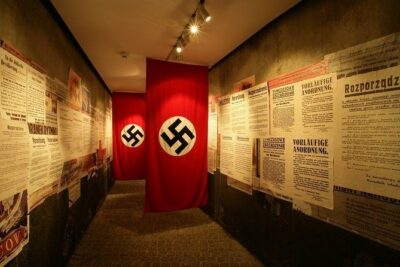
Schindler’s Factory in Krakow: Guided Tour & Skip the Line Ticket
Read our review →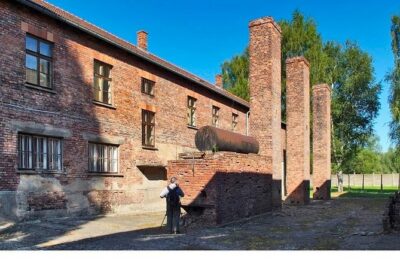
Auschwitz-Birkenau Museum and Memorial Guided Tour from Krakow
Read our review →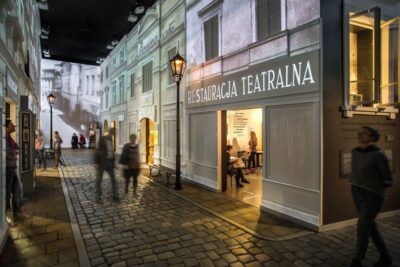
POLIN Museum of the History of Polish Jews Ticket
Read our review →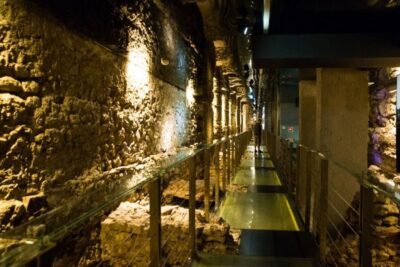
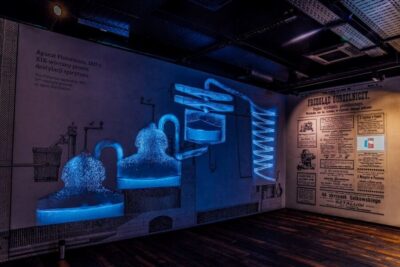

Krakow Schindler’s Factory Museum Guided Tour in English
Read our review →Browse the lists this tour appears in