Review · TICKETS
Inari: Sámi Museum Siida Ticket
At Siida, the most important exhibit is not a single object. It is the relationship between the Sámi people and the northern land they call home. The museum explains that connection through indoor displays, contemporary perspectives, and an open-air museum where the setting itself becomes part of the visit.
I like the way Sámi voices shape the story, rather than presenting Sámi culture as a frozen chapter from the past. I also like the simple one-day ticket: you can see the main exhibitions, step outside, visit the shop and Restaurant Sarrit, and set your own pace. The main drawback is that this is a self-guided museum visit, not a tour with a guide to answer questions as you go.
Key points to know before visiting
- The main exhibition links people and place: These lands are our children explains the Sámi idea of a cultural environment, where nature and culture belong together.
- Your ticket covers the full museum complex: Entry includes all indoor exhibitions and the open-air museum.
- The outdoor area changes with the weather: It operates year-round when conditions allow, so winter visitors should be prepared for a shorter outdoor visit if conditions are harsh.
- You enter with a barcode: Scan the ticket at the gate on the left of the customer service desk, then follow the ramp upstairs.
- This is a self-guided visit: You can read, look, pause, and return to displays without keeping up with a group.
- The ticket offers useful flexibility: You receive one full day of validity, free cancellation up to 24 hours before, and an option to reserve now and pay later.
Why Siida matters in Inari
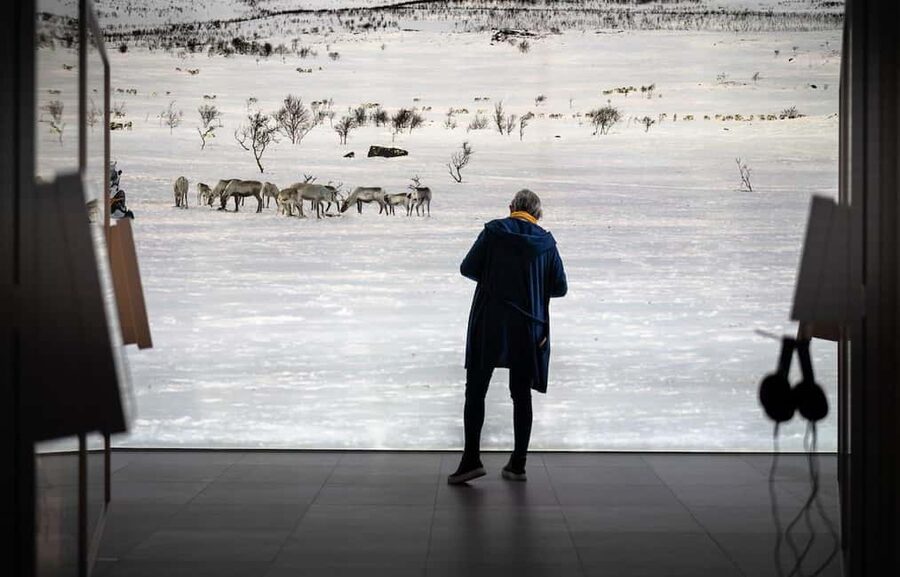
Siida is more than a place to look at old tools and clothing. It presents the Sámi as the only recognized Indigenous people of the European Union, with a culture that is still lived today. That present-day focus makes a difference.
You are not simply being shown how people once survived in northern Finland. You are being asked to consider how identity, language, work, memory, and nature remain connected. The museum presents the Sámi past, present, and future as one continuing story.
Siida was named Museum of the Year in Europe and Finland in 2024. That award does not replace your own judgment, but it signals that this is a serious cultural museum rather than a quick stop added to an Inari itinerary.
I would allow several hours if you want to read carefully and include the outdoor section. The ticket is valid for one day, so you do not need to rush through the displays. That is especially useful if you also want time at the shop or Restaurant Sarrit, both located within the museum complex.
A few more museum visits around the world worth comparing
- Vatican: Museums & Sistine Chapel Entrance Ticket
★ 4.5 · 144,003 reviews - Paris: Louvre Museum Timed-Entrance Ticket
★ 4.6 · 71,977 reviews - Amsterdam: Van Gogh Museum Ticket
★ 4.7 · 52,054 reviews
Starting upstairs with the indoor exhibitions
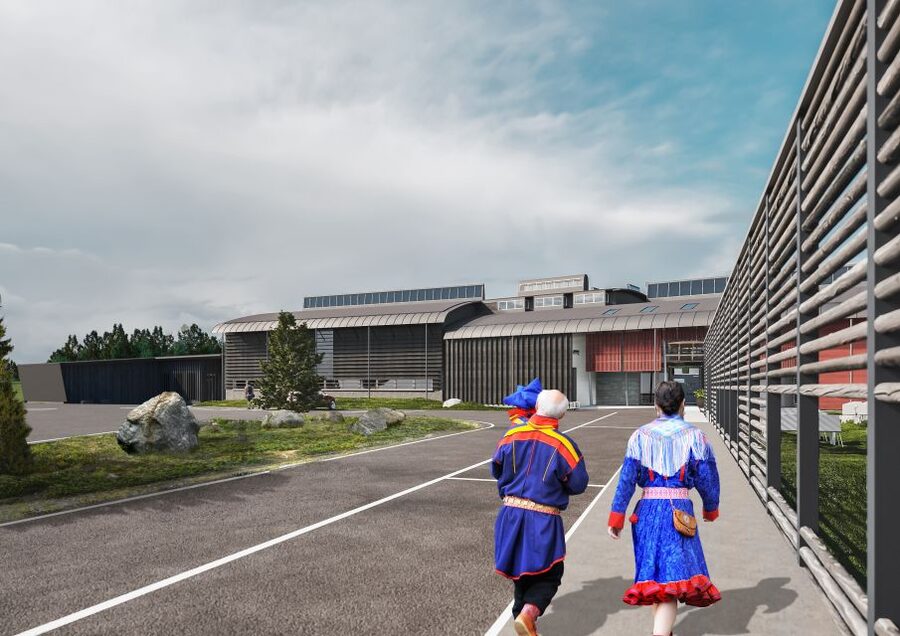
The practical arrangement is easy once you know it. Your ticket does not require a separate check-in at customer service. Scan the barcode at the gate on the left side of the customer service desk, then go up the ramp to the exhibition area.
All exhibitions and access to the open-air museum are on the upper floor. If you have mobility concerns, the activity is wheelchair accessible, and the ramp is the route into the exhibition area.
The indoor visit includes the permanent exhibition, temporary exhibitions, and the main display, Enâmeh láá mii párnááh, These lands are our children. Since temporary displays can change over time, you will find something different on later visits, while the main exhibition provides the museum’s steady core.
I like this setup because you can begin with the museum’s broad story before stepping outside. Start by giving yourself time to understand the ideas behind the displays. Then use the outdoor museum to make those ideas more concrete.
These lands are our children
The title of the main exhibition points to its central idea. For the Sámi, the northern environment is not just scenery or a supply of raw materials. It is part of cultural identity, family memory, and daily life.
The exhibition was produced by the Sámi Museum and Metsähallitus. It explains the Sámi concept of a cultural environment, showing how natural areas and human culture are closely linked. The story also reaches back millions of years, placing modern Sámi identity within a much older northern setting.
You will see artefacts, stories, and modern viewpoints rather than a display focused only on the distant past. That balance is important. A museum can easily turn Indigenous culture into a collection of old objects. Siida instead gives those objects a wider meaning.
Pay attention to the way the exhibition connects physical surroundings with identity. The point is not only what a person owns or uses, but where knowledge comes from and how a place shapes community life. You may find that this changes the way you look at the outdoor museum later.
The exhibition is best for visitors who like context. If you want a quick photo stop, some parts may feel text-heavy. If you want to understand why Sámi culture cannot be separated from northern nature, this is the heart of the visit.
Making sense of Sámi culture without a guide
There is no guided visit included. You explore alone, following the displays at your own pace. That gives you freedom, but it also means you should be willing to read and think about what you are seeing.
I appreciate self-guided museums when the subject benefits from quiet attention. You can spend longer with an object that interests you, skip a panel when you are ready to move on, and return to a section without worrying about a group waiting nearby.
The tradeoff is simple: no guide is present to explain a difficult term or add a personal story. The information is presented through objects, written material, stories, and modern perspectives. If you prefer an active conversation, this ticket will feel limited.
For the best visit, avoid treating the indoor galleries as a quick corridor on the way outside. The outdoor area is memorable, but the museum’s main ideas are developed indoors. The two parts work best together.
Same city, a completely different collection:
- Vatican Museums, Sistine Chapel & St. Peter’s Basilica Tour
★ 4.3 · 73,970 reviews - Vatican Museums, Sistine Chapel & St Peter’s Basilica Guided Tour
★ 4.5 · 39,149 reviews - NYC: 9/11 Memorial & Museum Timed-Entry Ticket
★ 4.8 · 31,428 reviews - London: Tower of London and Crown Jewels Exhibition Ticket
★ 4.6 · 28,769 reviews
The open-air museum and the outdoor experience
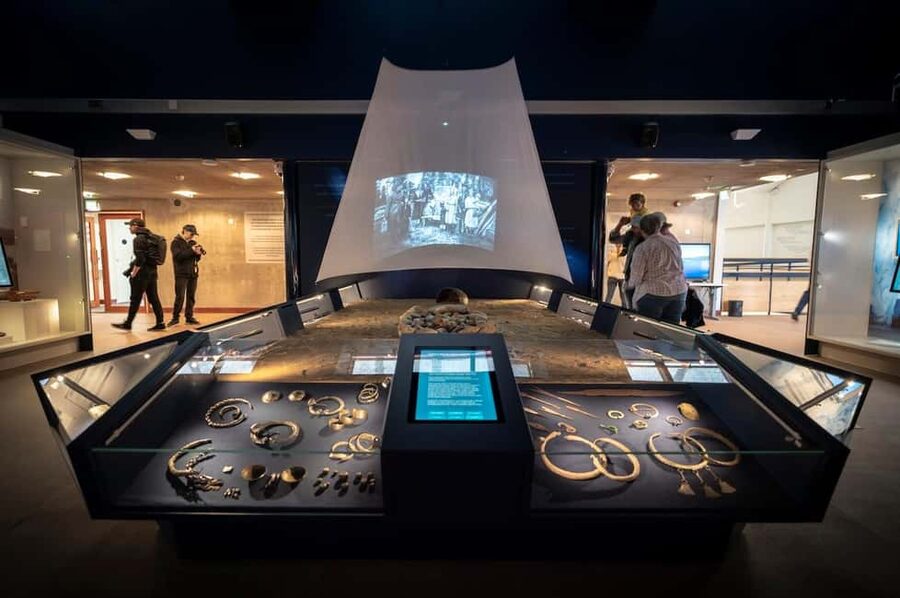
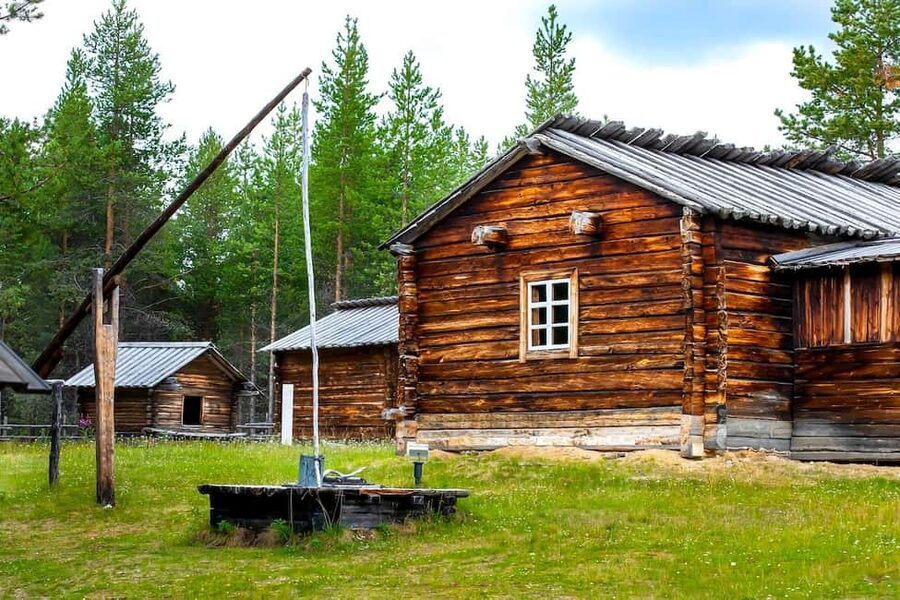
The open-air museum is included in your admission. This is one of the strongest reasons to choose Siida over a basic indoor museum visit. You can move from displays about Sámi culture to a physical setting where buildings and outdoor surroundings help show how people have lived in the north.
The open-air section operates all year when weather conditions allow. That qualification matters in Inari. Snow, ice, wind, and general winter conditions may affect how much time you want to spend outside, and some outdoor access can depend on the day.
Dress for the weather, especially if you visit in winter. The ticket does not guarantee that every outdoor feature will be comfortable in poor conditions. Still, even a shorter outdoor visit can add useful context to what you have seen upstairs.
A Spanish-speaking visitor gave particular credit to the outdoor area for helping bring Sámi culture closer. I understand that reaction. Indoor displays explain ideas, but outdoor spaces help you picture how culture relates to the northern environment.
The open-air museum is also a good place to slow down. You can look at the structures and surroundings without the same concentration required indoors. For families, it may provide a welcome change of pace. For photographers, it offers a more physical sense of place, although the museum is primarily a cultural visit rather than a dedicated photo attraction.
A visit that keeps past and present together
The strongest feature here is the refusal to separate old Sámi culture from modern Sámi life. The museum tells the story of the past, present, and future, so you are not left with the impression that Sámi traditions belong only to history books.
That matters because museum displays about Indigenous people can sometimes focus heavily on earlier centuries. Siida adds modern perspectives and shows that Sámi identity continues to develop. You should come expecting cultural interpretation, not a staged performance.
The museum also gives you a chance to think about how European categories can simplify Indigenous experience. Sámi culture is presented through its own relationship with place, rather than only through outside descriptions. That approach makes the visit more thoughtful than a collection of isolated facts.
I would recommend reading the display text even if you usually move quickly through museums. The title These lands are our children carries a meaning that is easy to miss if you only look at objects. The central lesson is about belonging and responsibility, not just survival in a cold climate.
How much value do you get for $21?
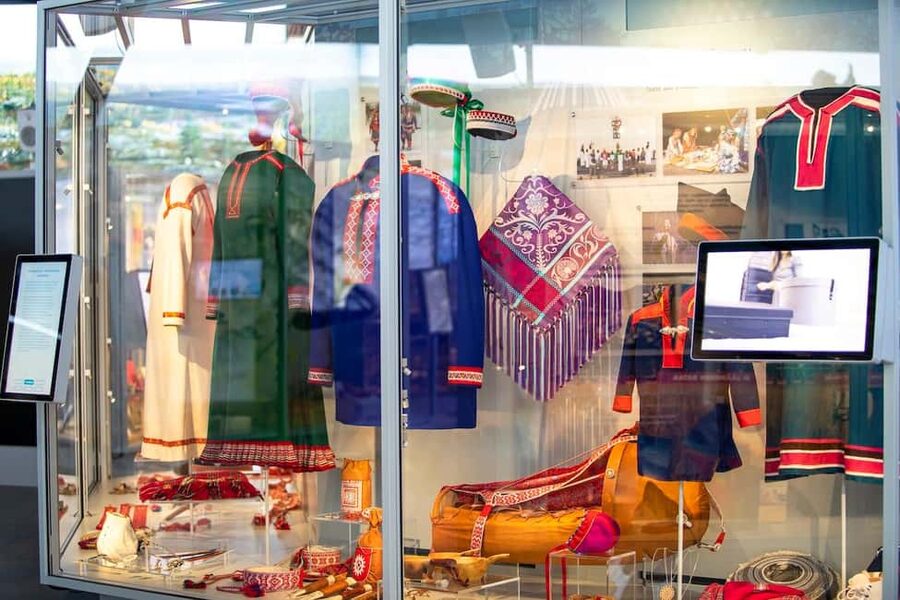
The admission price is about $21 per person. Whether that is good value depends on how seriously you plan to use the museum.
For a short visit to one small gallery, the price might feel high. Here, your ticket covers the indoor permanent exhibition, temporary exhibitions, and the open-air museum. You also have the full day to visit the complex, rather than a narrow timed slot.
I consider the price reasonable for anyone with a real interest in Sámi culture, northern history, or Indigenous perspectives. The museum offers more than a single display, and the outdoor section gives you a second way to understand the subject.
The value is weaker if you plan to rush in, take a few pictures, and leave. Since there is no guide included, your experience depends partly on how much attention you give the displays. You are paying for access and time, not for a hosted tour.
The reserve-now-and-pay-later option can help if your plans around Inari are still moving. Free cancellation up to 24 hours in advance also gives you some protection if weather affects your day. These terms do not change the museum itself, but they make the ticket easier to fit into a flexible Lapland schedule.
The useful pause at Siida Shop and Restaurant Sarrit
Your museum visit is not limited to the galleries. Siida Shop and Restaurant Sarrit are within the museum complex, giving you a natural place to pause before or after the exhibitions.
The available information does not promise a particular menu, shop collection, or opening schedule, so I would not plan the entire day around either one. Treat them as useful parts of the museum complex rather than guaranteed highlights.
A break can help if you are visiting with children or if you want time to process the exhibition. The main displays ask you to think about relationships between people and place. A meal or quiet stop afterward can make the visit feel less hurried.
Who will get the most from Siida?
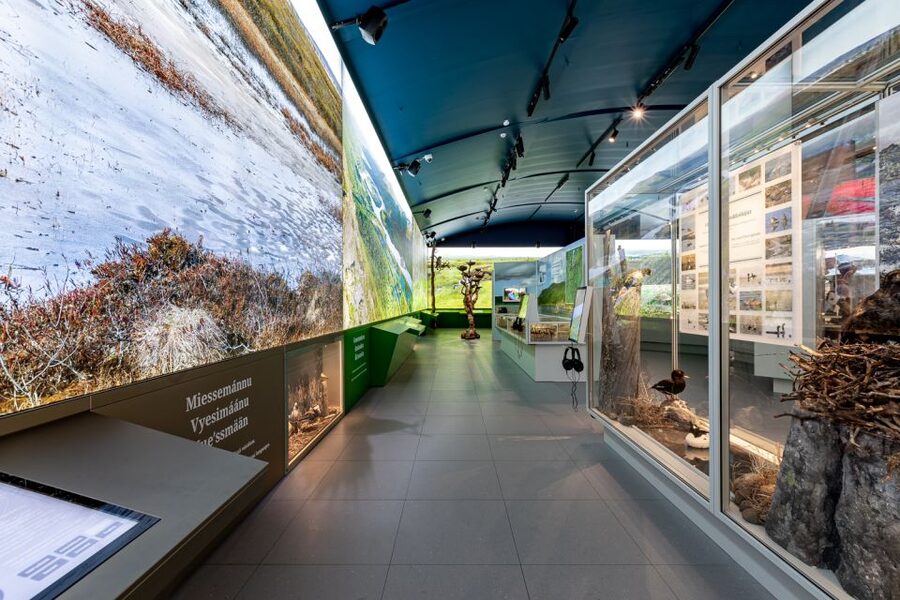
Siida suits you best if you want cultural context during a Lapland visit. It is a strong choice for adults, families, students, and anyone interested in Indigenous cultures or the relationship between people and the natural world.
It also works well for a flexible day in Inari. You can spend more time indoors, make a shorter outdoor visit if the weather is difficult, and use the museum complex at your own pace.
You may want to think twice if you need a guided experience with live storytelling. The ticket includes admission only, and there is no guide named or provided for this visit. Visitors who prefer interactive activities may find the experience quieter and more reflective than expected.
The museum is also less suitable if your only goal is to see dramatic northern scenery. The outdoor museum supports the cultural story, but this is not a wilderness excursion or a wildlife activity.
Practical details that make the visit easier
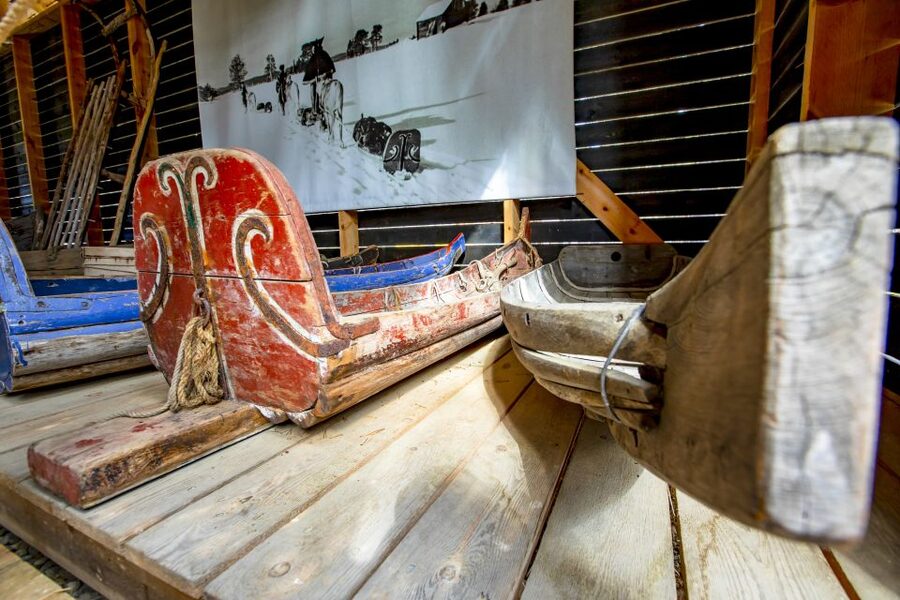
The ticket is valid for one day, and you should check availability for starting times before booking. You do not need to check in at customer service when using this ticket. Scan the barcode at the gate to the left of the desk and proceed up the ramp.
Entry includes all exhibitions inside and the open-air museum. The activity is wheelchair accessible. Outdoor access depends on weather conditions, so allow some flexibility if you are visiting during a cold or snowy period.
The experience has a rating of 4.4 from 29 bookings, with recent five-star feedback describing it as very good and pointing specifically to the outdoor area as a helpful way to understand Sámi culture. I would give that praise the right weight: the outdoor section is valuable, but it works best after you have spent time with the indoor displays.
Should you book the Siida ticket?
Book it if you want a thoughtful introduction to Sámi culture and have time to use both parts of the museum. The combination of These lands are our children, changing exhibitions, and the open-air museum gives you a fuller visit than a single indoor gallery.
The $21 price is fair when you plan to read, reflect, and explore the outdoor section. The biggest limitation is the lack of a guide, so this is best for independent visitors who enjoy learning at their own pace.
If your Inari plans leave room for a full museum visit, I would book it. If you want a quick, guided activity with live commentary, choose something else or allow extra time to explore Siida carefully on your own.
FAQ
Where is Sámi Museum Siida located?
Sámi Museum Siida is in Inari, in Finnish Lapland.
What does the ticket include?
The ticket includes entry to all indoor exhibitions and the open-air museum.
Is the visit guided?
No. This ticket provides admission only and does not include a guided visit.
How long is the ticket valid?
The ticket is valid for one day.
Do I need to check in at customer service?
No. You can scan the barcode in your ticket at the gate on the left of the customer service desk.
Where are the exhibitions located?
The exhibitions and access to the open-air museum are on the upper floor. You reach them by following the ramp after scanning your ticket.
Is the museum wheelchair accessible?
Yes. The activity is wheelchair accessible.
Is the open-air museum open throughout the year?
The open-air museum is open year-round when weather conditions allow.
What is the main permanent exhibition called?
The main permanent exhibition is Enâmeh láá mii párnááh, These lands are our children.
Can I cancel the ticket?
Yes. You can cancel up to 24 hours in advance for a full refund. A reserve-now-and-pay-later option is also available.
Just added around the world
- Girona, Figueres, Dalí Museum and Cadaqués Tour from Barcelona★ 4.5 · 36 reviews
- Football Club Barcelona Museum Immersive Tour Guided Visit★ 3.5 · 52 reviews
- Erotic Museum Admission Ticket with Audioguide★ 5.0 · 527 reviews
- Dali Museum and Costa Brava Small Group Day Trip from Barcelona★ 5.0 · 77 reviews
- Madrid by High-Speed Train with Prado Museum Private Tour★ 4.0 · 33 reviews
- Guitar Legends Hall: Entrance to the Immersive Rock Museum★ 5.0 · 25 reviews
- White Rabbit Museum: The Best Immersive Experience in Catalonia★ 5.0 · 538 reviews
- Private tour: Dali Museum in Figueres and Púbol Tour with Hotel pick-up★ 5.0 · 12 reviews
Tickets, compared.

Vatican: Museums & Sistine Chapel Entrance Ticket
Read our review →

Tower of London and Crown Jewels Exhibition Ticket
Read our review →
Skip-The-Line Uffizi Gallery Timed Entry Ticket
Read our review →