
Review · MOROCCO
Fes: Bou Inania Madrasa, Museum, Tannery, Souk & Medina Tour
Fes is easiest to understand from inside its old Medina, where a guide can lead you through lanes that twist past mosques, workshops, spice stalls, and centuries-old craft traditions. The Chouara Tannery and the carved tilework at Bou Inania Madrasa give you two very different looks at the city’s skilled artisans.
I like the way this tour combines the major sights with working parts of the Medina, especially the pottery, zellige, leather, wood, jewelry, and textile workshops. I also like its relaxed pace, with time for photos and questions. The catch is that some craft stops are also shops, so you may need to politely decline sales pitches.
At a glance
- A strong first look at Fes: Cover the main monuments and key souks in about three and a half to four hours.
- The tannery is a working craft site: See leather being hand-dyed in colorful pits from a terrace above.
- The guide matters here: Guides such as Mouanis, Houssine, Jamal, and Driss have been praised for local knowledge, patience, and help with shopping.
- Expect extra costs: Bou Inania Madrasa and Dar Batha each charge 20 MAD per adult, while transportation, food, and drinks are not included.
- Shopping is part of the route: You may visit workshops and cooperative-style stores selling leather, rugs, scarves, pottery, jewelry, woodwork, and other Moroccan crafts.
- Wear proper shoes: Narrow Medina lanes, frequent walking, and mobility concerns make comfortable footwear important.
Why a guide helps inside Fes Medina
Fes el Bali is not a museum district arranged for easy sightseeing. It is a working old city of narrow passages, sudden turns, crowded market streets, neighborhood workshops, and major monuments tucked behind ordinary-looking doors. A local guide gives you the basic map in your head, explains what you are seeing, and keeps the visit moving.
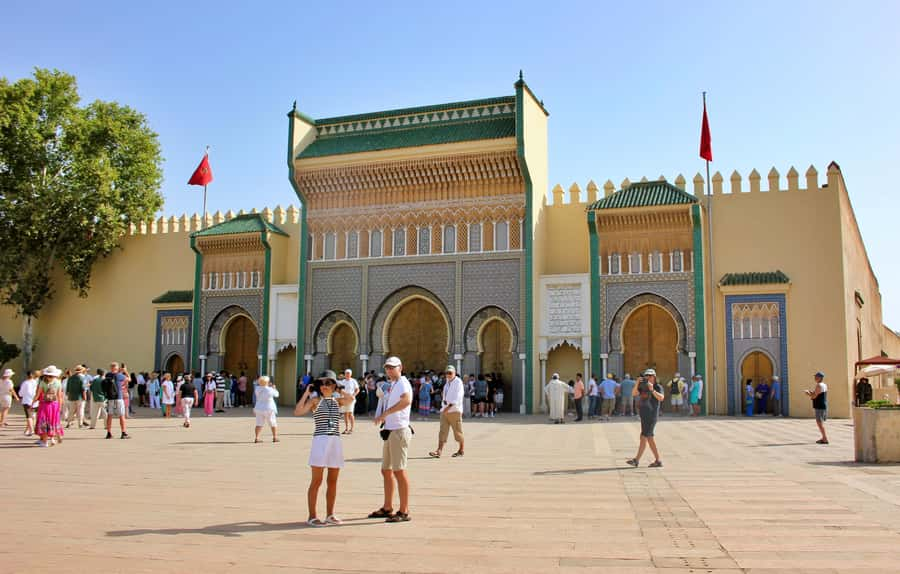
The tour begins at Bab Boujloud, often called the Blue Gate. This is a useful meeting point because it gives you a clear edge between the newer part of Fes and the UNESCO-listed Medina. If you stay in a riad inside the old town and book the private option, pickup from your accommodation is available. Otherwise, meet in front of Hotel Batha on Avenue de la Liberté.
The activity costs about $12 per person, which is low for a private or small-group walking tour of this length. Add 40 MAD per adult for the two listed monument tickets. At that price, I see the tour as a practical orientation rather than a luxury experience. You are paying for four hours of navigation, local explanation, and access to places you could easily miss alone.
A few more museum visits around the world worth comparing
- Vatican: Museums & Sistine Chapel Entrance Ticket
★ 4.5 · 144,003 reviews - Vatican Museums, Sistine Chapel & St. Peter’s Basilica Tour
★ 4.3 · 73,970 reviews - Paris: Louvre Museum Timed-Entrance Ticket
★ 4.6 · 71,977 reviews
Bab Boujloud and the first steps into the Medina
Allow about 10 minutes at Bab Boujloud for photos and an introduction. The gate is a natural place to begin, but the real value starts once you pass through it and leave the broad avenue behind.
Your guide sets the context here, then leads you into the old city. The route connects sultans, scholars, artisans, and religious institutions to the streets in front of you. That matters because the Medina can otherwise feel like a maze of attractive details with no clear story.
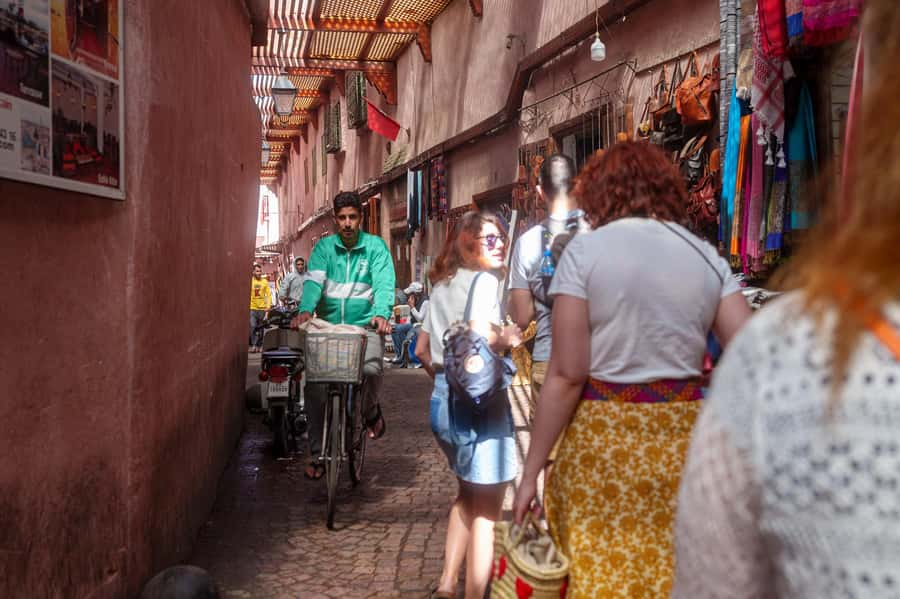
You will walk through narrow lanes where shopping, trade, worship, and daily life overlap. The route is not a quiet heritage walk. Donkeys, shopkeepers, craftspeople, and pedestrians all use the same old passages, so stay close to your guide and keep your eyes open.
Dar Batha Museum, a palace filled with Moroccan craft
The stop at Dar Batha takes about 30 minutes. This former royal palace now presents Moroccan arts and crafts, including carved wood, ceramics, embroidery, and other decorative work.
I like this stop because it gives you a calm way to see the techniques that appear again in the souks. After looking at decorated objects in a formal setting, you can better recognize the difference between hand-finished work and mass-produced merchandise later in the afternoon.
The museum requires a separate 20 MAD adult ticket. You receive guided time as well as some freedom to look around, though 30 minutes is enough for an introduction rather than a slow museum visit. If you are especially interested in Moroccan design, you may want to use your free time carefully and ask your guide which pieces deserve the closest look.
Bou Inania Madrasa and Marinid design
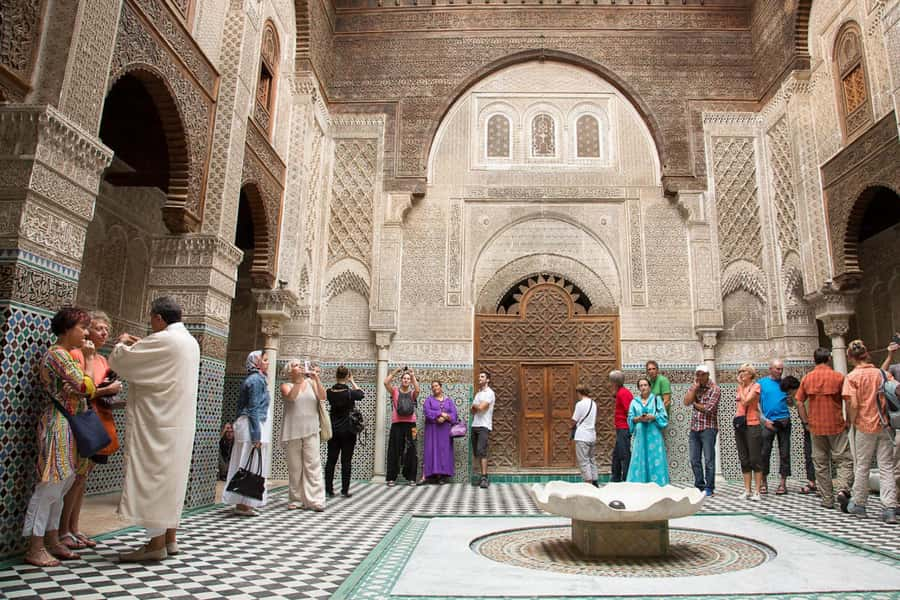
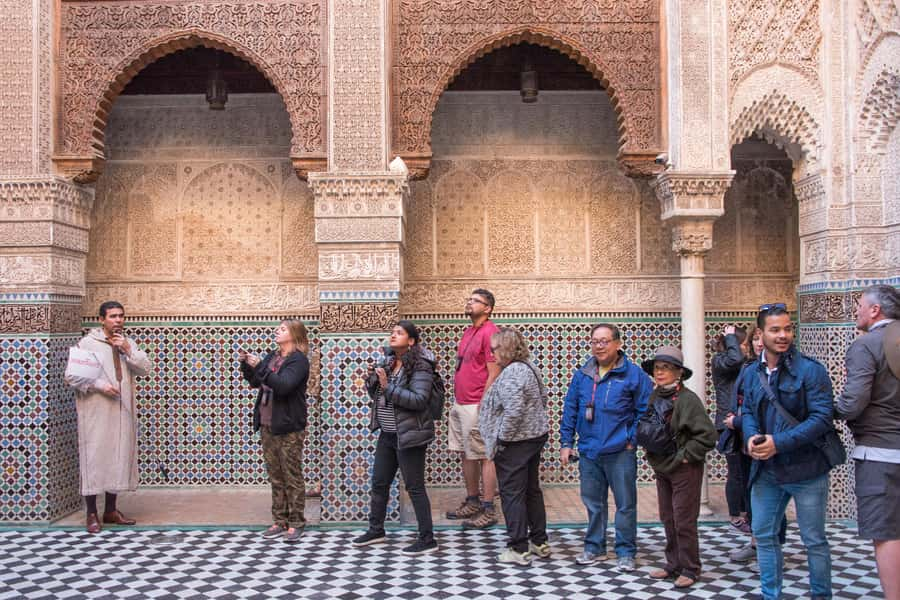
Next comes Bou Inania Madrasa, with about 35 minutes for a guided visit, photos, and independent looking. This 14th-century Marinid school is one of the tour’s strongest architectural stops.
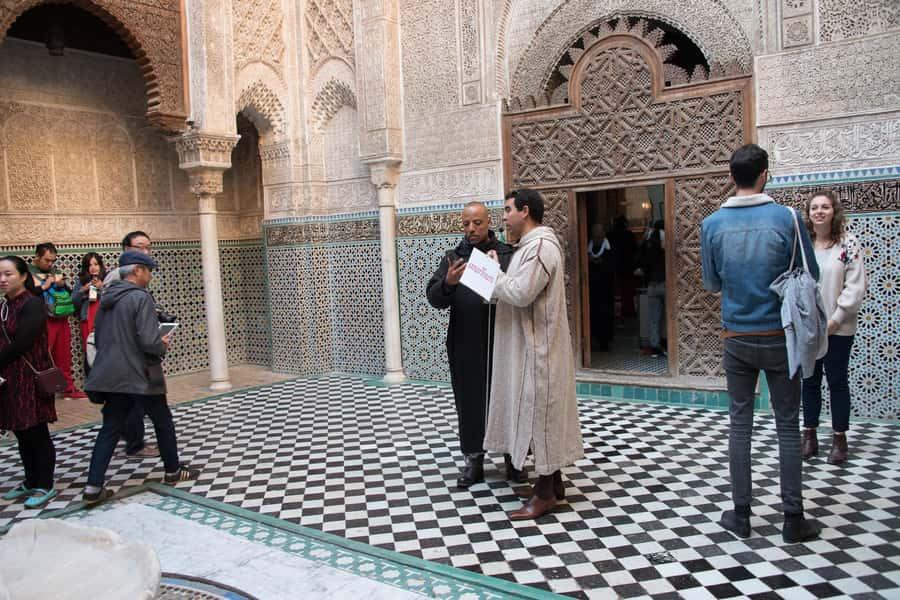
Look for the combination of carved cedarwood, geometric zellige tilework, and the marble courtyard. The decoration is detailed without needing much explanation once you see how the materials work together. A guide adds the religious and educational context, including the fact that this madrasa also served as a mosque.
The entrance fee is 20 MAD per adult. This is a small extra cost for one of the clearest chances to see Fes’s architectural style up close. The courtyard is the main visual reward, but do not rush past the wooden carving and tile patterns around it.
The stop is also a good test of your walking stamina. The route includes regular movement between monuments, markets, and workshops, and the old city is not designed around broad, level paths.
Same city, a completely different collection:
- Amsterdam: Van Gogh Museum Ticket
★ 4.7 · 52,054 reviews - Vatican Museums, Sistine Chapel & St Peter’s Basilica Guided Tour
★ 4.5 · 39,149 reviews - NYC: 9/11 Memorial & Museum Timed-Entry Ticket
★ 4.8 · 31,428 reviews - London: Tower of London and Crown Jewels Exhibition Ticket
★ 4.6 · 28,769 reviews
Al-Karaouine from the outside
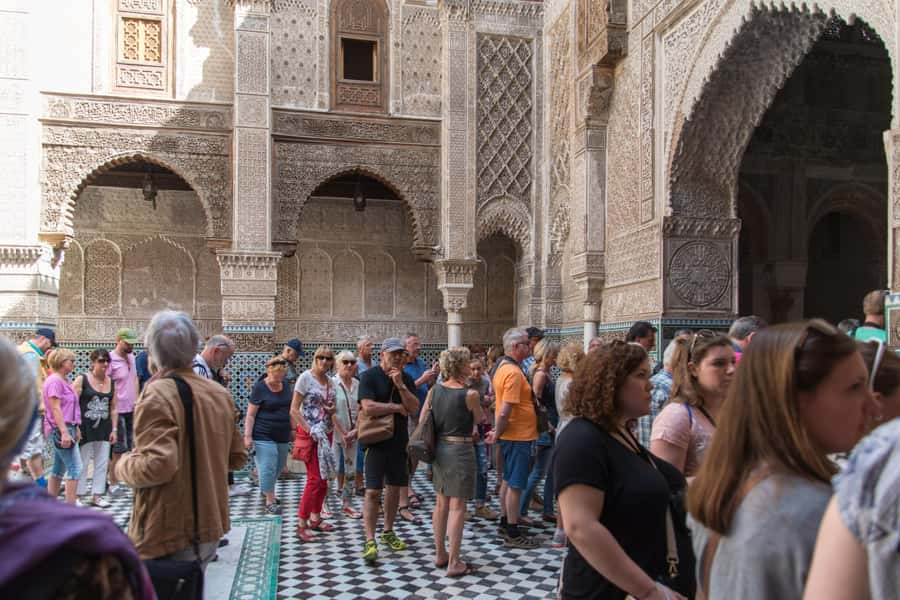
The tour then reaches the Mosque and University of Al-Karaouine, with about 20 minutes for photos, explanation, and sightseeing. The university is presented as one of the world’s oldest colleges and remains central to Fes’s religious and intellectual identity.
Set expectations correctly: this is an exterior visit. You should not book the tour expecting a full interior tour of the mosque and university. The outside still gives you a meaningful view of the institution’s place in the Medina, while your guide explains its role in the city’s long scholarly tradition.
This is one of those stops where explanation matters more than time spent staring at a façade. The guide connects the building to the surrounding lanes, religious life, and Fes’s reputation as a center of study.
Chouara Tannery and the smell of leather
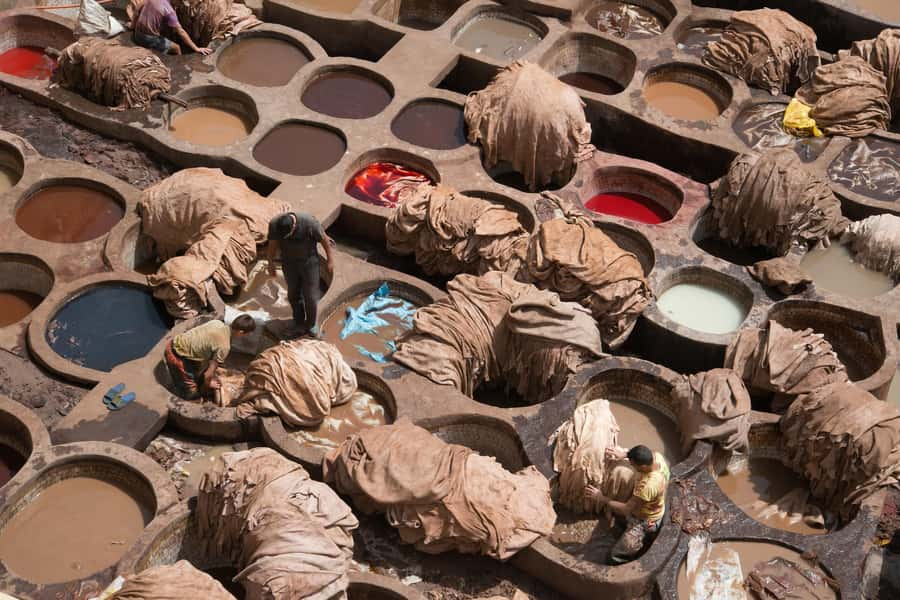
The Chouara Tannery is the tour’s most memorable working-craft stop. You spend about 30 minutes here, usually viewing the dyeing area from a panoramic terrace.
From above, you can see leather being processed and hand-dyed in separate pits. The colors come from traditional natural dyes, including saffron and indigo, and the craft is described as continuing in methods used for centuries.
This is a useful place to remember that the Medina is not a staged historical set. Leather production remains part of its commercial life. You are seeing a real trade, but also a visitor-facing stop, and that distinction matters.
The tannery visit commonly connects with shops selling leather goods. That can be useful if you want a belt, bag, slippers, or another item, especially when your guide helps you judge Moroccan-made work against cheaper imported goods. It can also feel like a sales stop. You are allowed to look without buying, and a polite no is enough if you are not interested.
The smells can be strong. Bring water, and do not plan this as a quick photo stop only. The terrace view helps you understand the process, while the guide can explain what you are seeing and how the finished leather enters the souks.
Souk Sabaghine, Souk El Attarine, and Hammam Seffarine
The main Medina walk takes about 45 minutes, though the total experience naturally includes time moving between each landmark. This is where the tour feels most useful to first-time visitors.
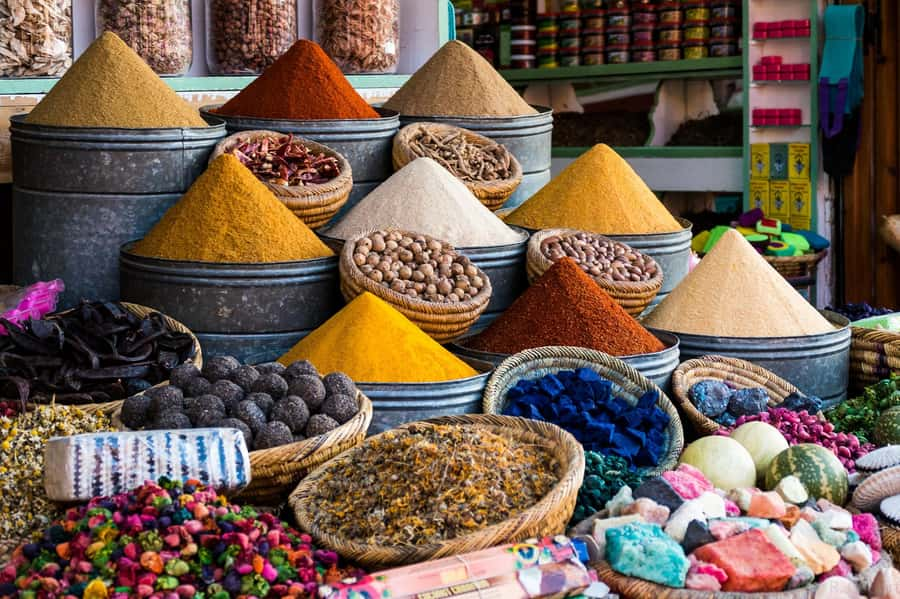
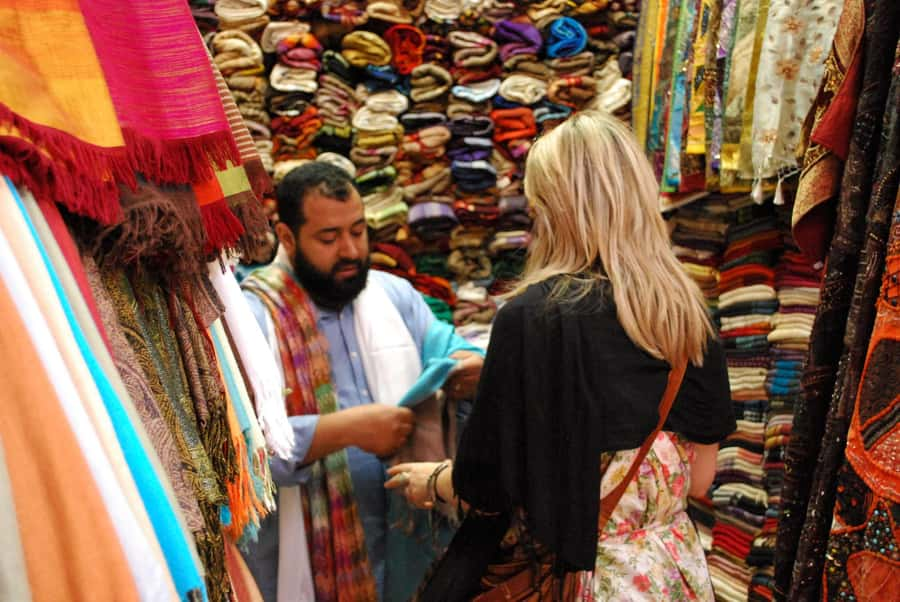
At Souk Sabaghine, look for handwoven textiles and the small details of the weaving and dyeing trade. Souk El Attarine focuses more on spices, perfumes, and herbal products. These are not just shopping streets placed for tourists. They show how the Medina still sorts trades by area and keeps specialist work close together.
Near Hammam Seffarine, listen for the rhythmic hammering of coppersmiths. The sound is part of the experience. You see the work before you fully understand it, then the guide gives it meaning by explaining the craft and its place in the neighborhood.
Shopping advice is a real benefit here. Guides such as Houssine and Driss have been praised for helping people identify local craft and avoid low-quality imported goods. Houssine has also been singled out for explaining how to bargain. That does not guarantee a perfect purchase, but it gives you a better chance of asking sensible questions and comparing items calmly.
Pottery and zellige: seeing the work behind Moroccan decoration
The final craft portion visits a pottery and zellige tile workshop. Here you can see clay shaped into pottery, ceramics hand-painted, and small tiles cut for mosaic patterns.
Zellige is especially worth watching because the finished work can look effortless in a palace, fountain, or mosque. The workshop helps you see the repeated handwork behind those geometric designs. It also gives you a break from the tight market lanes and a practical example of how Moroccan decoration is made.
As with the tannery, a workshop may also sell finished goods. If you want to buy, ask about how an item was made, where it was produced, and whether the design is hand-finished. If you do not want to shop, say so clearly and keep the visit focused on the demonstration.
Pace, group size, and guide quality
The advertised duration is 210 minutes to four hours. In practice, the route is designed as a substantial half-day walk, with time at each monument and room for photos and questions.
The private option should suit couples, families, and anyone who wants to adjust the pace. A family with three children specifically valued a guide who did not rush. Small groups can also feel personal, and the guide can respond to questions instead of delivering one fixed speech.
Several guides are named in the available feedback. Mouanis is praised for patience, local connections, and useful Medina advice. Houssine is described as friendly and good at tailoring the walk. Jamal, Driss, Oujdi, and Reda are also mentioned positively for clear explanations and a pleasant manner. Your assigned guide may be different, but these names show the kind of service the operator aims to provide.
The guide’s local roots can matter. One guide was born in the Medina and knew many craftspeople personally, which opened the door to wood, jewelry, rugs, scarves, and leather work. That sort of local connection can make the visit feel less like a checklist and more like a walk through a living neighborhood.
What the tour costs, and what you still need
At $12 per person, this is a good-value introduction if you want the main Fes sights explained in one walk. The price includes a licensed local guide, private or small-group service depending on your choice, selected skip-the-line access, monument time, and local tips.
Budget separately for:
- 20 MAD per adult at Bou Inania Madrasa
- 20 MAD per adult at Dar Batha Museum
- Transportation
- Food and drinks
- Purchases in the souks or workshops
Bring cash because the tour includes markets and craft areas. Water, sunglasses, sunscreen, and comfortable shoes also belong in your day bag.
The meeting point is Hotel Batha, and the provider sends the guide’s name, meeting details, and reminders through WhatsApp before the tour. If your riad is inside the Medina, private pickup from reception may be available. If your accommodation is outside the old town, plan to reach Hotel Batha yourself.
The information describes the activity as wheelchair accessible but also says it is not suitable for people with mobility impairments. The old Medina’s narrow, uneven walking route makes this worth confirming before booking.
Who should book this Fes walk
I would choose this tour if you are visiting Fes for the first time, want help finding the main sights, or have only one afternoon for the Medina. It is also a good fit if shopping interests you but you want someone local to explain materials, workmanship, and bargaining.
Families can benefit from the guide’s pacing and the variety of stops. Couples may prefer the private option for a more flexible walk. Art and design fans will get the most from Dar Batha, Bou Inania, the tannery, and the pottery workshop.
I would hesitate if you want a completely independent wander with no commercial stops. The craft workshops and stores are part of the experience, and even a gentle sales approach may not suit everyone. I would also look for a shorter or more focused visit if long walks are difficult.
Should you book it?
Book this tour if you want the Medina to make sense quickly. The best parts are the combination of major monuments, working craft areas, and a guide who can explain both history and shopping without rushing you.
Skip it if you already know Fes well, dislike guided routes, or want to spend your entire day inside museums. For most first-time visitors, though, the low price and four-hour route make it a sensible way to get oriented before exploring on your own.
FAQ
How long does the Fes tour last?
The tour lasts between 210 minutes and four hours, depending on the selected option and timing.
Where does the tour begin?
The standard meeting point is in front of Hotel Batha on Avenue de la Liberté in Fes.
Is hotel pickup available?
Pickup is available from the reception of your riad in the Medina when you select the private option. If your accommodation is outside the Medina, meet the guide at Hotel Batha.
Which languages are available?
The live guide service is available in English and French.
Are entrance fees included?
No. Bou Inania Madrasa costs 20 MAD per adult, and Dar Batha Museum of Islamic Arts costs 20 MAD per adult.
Is Al-Karaouine visited inside?
The Mosque and University of Al-Karaouine is an exterior visit.
Does the tour include transportation?
No. Transportation, food, and drinks are not included.
Is the tour private?
A private group option is available. Other booking choices may use a small-group format.
What should I bring?
Bring comfortable shoes, sunglasses, sunscreen, water, and cash.
Just added around the world
- Girona, Figueres, Dalí Museum and Cadaqués Tour from Barcelona★ 4.5 · 36 reviews
- Football Club Barcelona Museum Immersive Tour Guided Visit★ 3.5 · 52 reviews
- Erotic Museum Admission Ticket with Audioguide★ 5.0 · 527 reviews
- Dali Museum and Costa Brava Small Group Day Trip from Barcelona★ 5.0 · 77 reviews
- Madrid by High-Speed Train with Prado Museum Private Tour★ 4.0 · 33 reviews
- Guitar Legends Hall: Entrance to the Immersive Rock Museum★ 5.0 · 25 reviews
- White Rabbit Museum: The Best Immersive Experience in Catalonia★ 5.0 · 538 reviews
- Private tour: Dali Museum in Figueres and Púbol Tour with Hotel pick-up★ 5.0 · 12 reviews
Museum Tours in Morocco, compared.
Majorelle Garden, YSL, and Berber Museum Entry
Read our review →
Fes: Museum, Al Attarine Madrasa & Tannery and Medina Tour
Read our review →
Palace, Museum, Madrasa & Medina Highlights Tour
Read our review →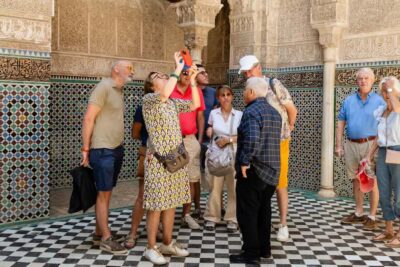
Fes: Attarine Madrasa, Museum, Tannery, Souk and Medina Tour
Read our review →
Majorelle Garden, Museums Tickets, & Audio Guide
Read our review →Browse the lists this tour appears in