Review · TICKETS
Copenhagen: The Museum of Danish Resistance Entrance Ticket
The most striking part of Copenhagen’s Museum of Danish Resistance is its underground wartime setting. You move through scenes from Denmark’s occupation between 1940 and 1945, seeing how ordinary people faced shortages, fear, difficult choices, and the growing resistance movement.
I like the way the museum combines five real historical voices with hands-on exhibits. Printing an illegal magazine, intercepting phone calls, and trying to break the Germans’ Enigma code gives the subject more weight than a room of quiet displays. The main drawback is time: set aside about two hours if you want to see everything, even though your ticket remains valid for one day.
Key points to know before you go
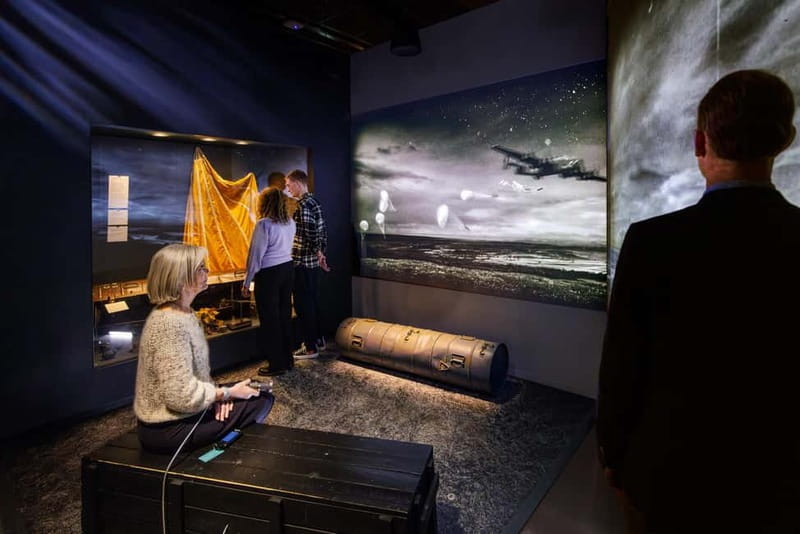
- Underground setting: The museum in Churchill Park at Kastellet places you below ground for a more focused look at Denmark during the occupation.
- Five personal stories: The audio guide follows five real people and the hard decisions they faced during the war.
- Hands-on resistance tactics: You can try printing illegal magazines, intercepting phone calls, and breaking an Enigma code.
- Good audio support: The included guide is available in English and Danish, with no live guide leading the visit.
- Plan for two hours: The ticket is valid for one day, but the full visit takes more than a quick stop.
- Simple access from central Copenhagen: The museum is in Churchill Park at Kastellet, close to Østerport station.
Entering the underground years of occupation
The Museum of Danish Resistance sits in Churchill Park, within the Kastellet area of Copenhagen. Its location makes it easy to add to a day of sightseeing around the old fortress grounds, and Østerport station is nearby.
Before entering the exhibition, you need to exchange your voucher at the museum shop. This is a small but important step. Do not walk straight toward the exhibition entrance with only your booking confirmation in hand. Allow a few minutes to find the shop and collect the ticket you need.
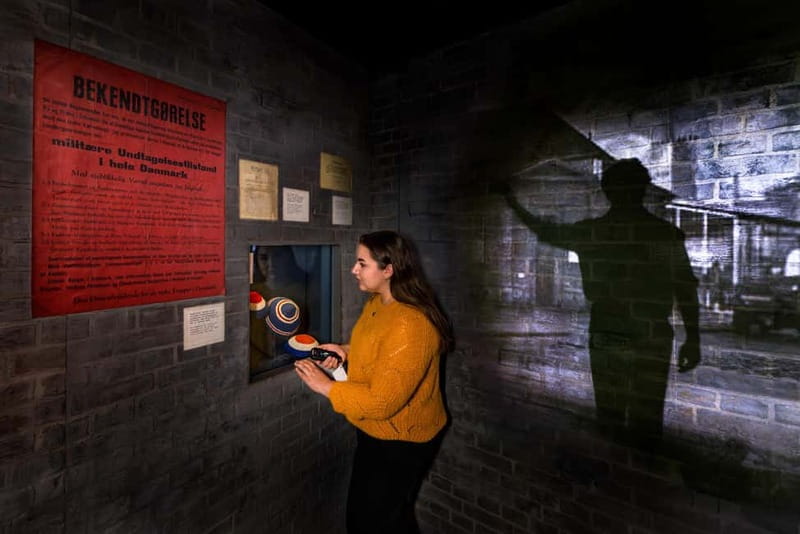
Once inside, the museum takes you underground into the occupation years. That setting helps the visit feel separate from the lighter pleasures of a Copenhagen day. You are not simply looking at dates and uniforms. You are moving through a sequence of scenes that show how war reached into homes, workplaces, streets, and private conversations.
The museum focuses on Denmark from 1940 to 1945. Its main subject is the Danish resistance movement, but the story begins with the wider effect of the occupation on the population. That order matters. You first gain a sense of the pressure placed on civilians, then see why resistance developed and what it demanded from the people involved.
A few more museum visits around the world worth comparing
- Vatican: Museums & Sistine Chapel Entrance Ticket
★ 4.5 · 144,003 reviews - Paris: Louvre Museum Timed-Entrance Ticket
★ 4.6 · 71,977 reviews - Amsterdam: Van Gogh Museum Ticket
★ 4.7 · 52,054 reviews
Five voices make the history personal
The audio guide tells the story through five historical figures who lived during the war. Their names are not provided in the booking details, but their role in the presentation is clear: they give you personal points of view rather than one broad voice explaining everything from above.
I like this approach because resistance history can become too neat when told only through major events. A personal story brings out uncertainty. People had to decide what to believe, whom to trust, and how much danger they could accept. Some choices affected families and friends, not just political goals.
As you listen, pay attention to the dilemmas behind the actions. The museum is not only asking you to admire resistance members after the fact. It also shows that people living under occupation had incomplete information and very real risks.
The audio guide is available in English and Danish. For English speakers, that removes the worry of missing context in a text-heavy museum. It also lets you move at your own pace instead of waiting for a scheduled tour group.
There is no live guide included. That is worth noting if you prefer to ask questions as you go. On the other hand, an audio guide gives you more control, especially in a museum where you may want extra time at an interactive station or a shorter pause at a display.
From civilian life to organized resistance
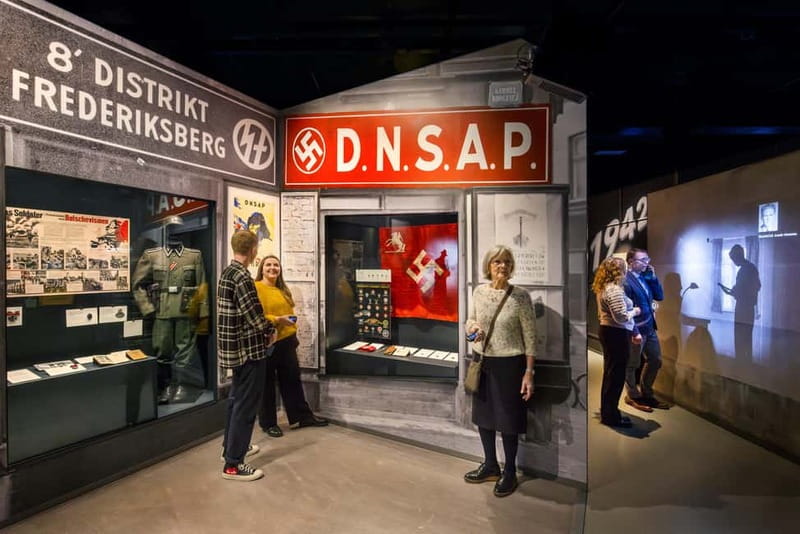
The exhibition presents the war through different scenes from the five years of occupation. The supplied information does not give a room-by-room route, so you should not expect a fixed list of named stops. Instead, think of the visit as a progression from daily life under occupation to the creation and operation of resistance networks.
The civilian story is one of the museum’s most useful features. War is often presented through battles, political leaders, and military equipment. Here, you also consider how occupation changed everyday life for the Danish population.
That civilian focus gives the resistance movement a clearer setting. People did not begin with a simple script explaining what to do next. The resistance grew in a country dealing with outside control, pressure, and danger. The museum asks you to see how those conditions shaped individual decisions.
This is also where the audio guide earns its place. The historical voices can explain the emotional cost of choices that may look straightforward today. You get a closer look at the line between keeping your head down and taking action.
Try printing, listening, and codebreaking
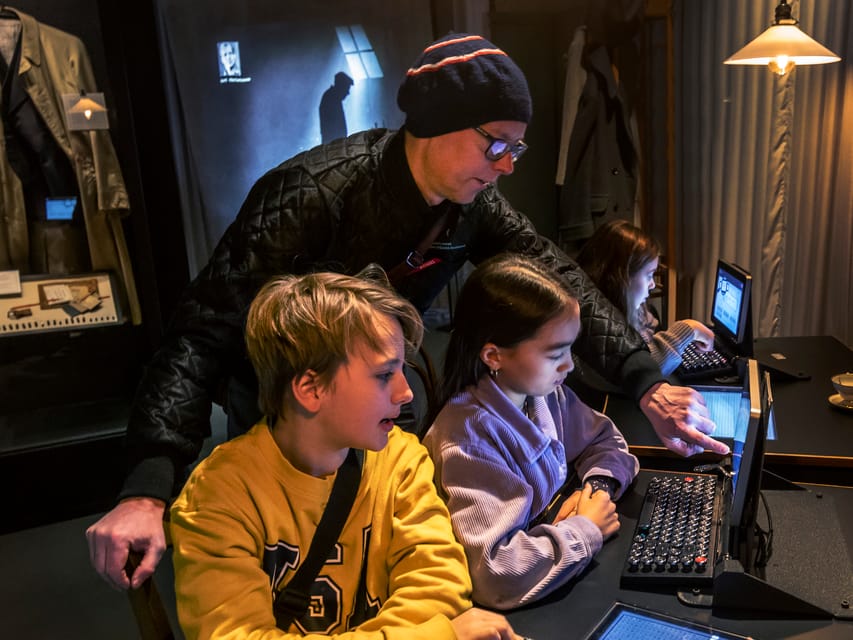
The museum’s interactive exhibits are more than decoration. They let you test a few of the practical problems faced by people working against an occupying power.
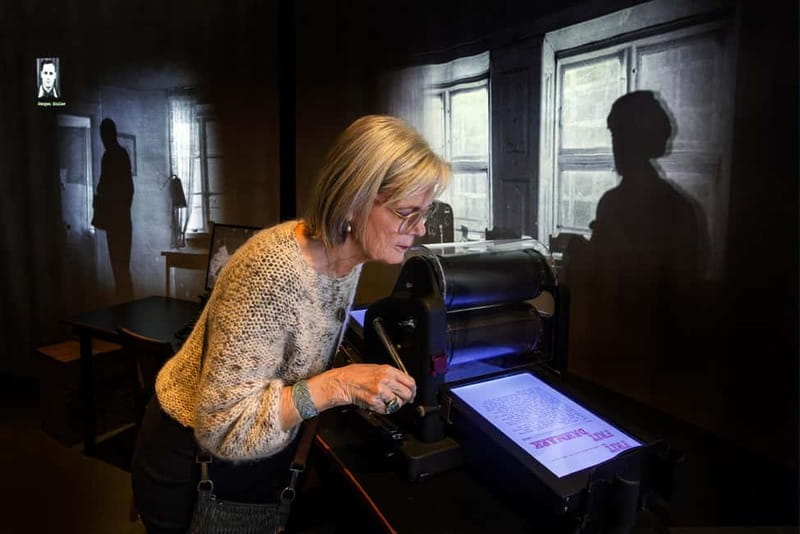
You can try to print illegal magazines. This activity connects directly to the importance of information during wartime. Printing and distributing material was not a harmless publishing project. It required planning, secrecy, and trust, and it gave the resistance a way to challenge official messages.
You can also intercept phone calls. This gives you a feel for the tension around communication. Telephone conversations might reveal useful information, but listening and passing it on required care. The activity helps turn an abstract idea such as intelligence gathering into a task with a clear purpose.
The Enigma exhibit asks you to break the Germans’ code. You do not need to be a mathematician to appreciate the point. Codebreaking shows how resistance and wartime intelligence depended on patience, technical skill, and teamwork, not just courage.
These activities are especially useful if you are visiting with children or teenagers, though the subject matter remains serious. The museum uses participation to hold your attention, but it does not turn the war into a game. The best way to approach the exhibits is to treat them as short tests that support the historical story around them.
Same city, a completely different collection:
- Vatican Museums, Sistine Chapel & St. Peter’s Basilica Tour
★ 4.3 · 73,970 reviews - Vatican Museums, Sistine Chapel & St Peter’s Basilica Guided Tour
★ 4.5 · 39,149 reviews - NYC: 9/11 Memorial & Museum Timed-Entry Ticket
★ 4.8 · 31,428 reviews - London: Tower of London and Crown Jewels Exhibition Ticket
★ 4.6 · 28,769 reviews
Why the audio guide matters

A museum about resistance tactics can easily become confusing. There are secret networks, coded messages, illegal publications, and personal risks to keep track of. The audio guide gives the visit a clear thread.
The five historical figures help you follow the human side of the story, while the interactive exhibits provide practical examples. One explains the stakes. The other lets you try a related task. That balance makes the museum accessible even if you arrive without much background on Denmark during World War II.
I would choose the audio guide over simply walking through the rooms and reading what catches your eye. The guide is included in the ticket, so there is no extra charge for the added context. English and Danish are the stated language options.
Still, an audio guide is not the same as a live guide. You cannot ask it to explain a detail in a different way, and you may need to pause it while using an interactive station. Take your time rather than letting the narration push you forward too quickly.
Allow two hours, not a quick half-hour
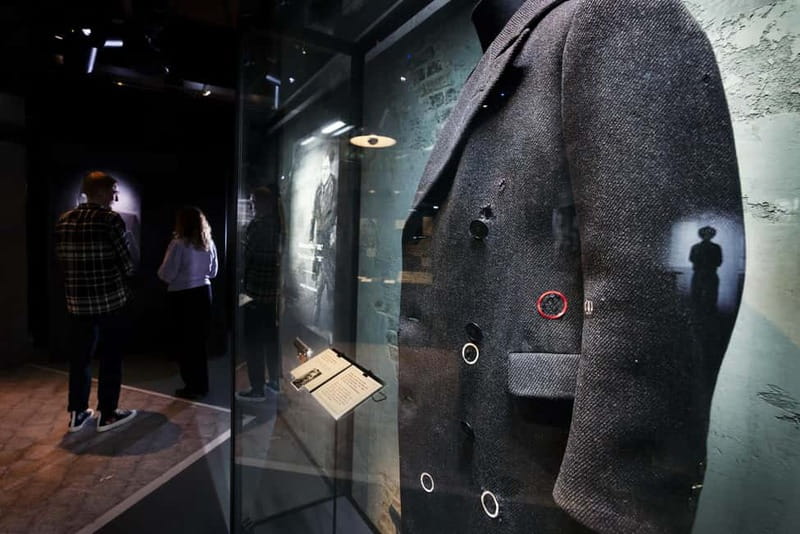
The ticket is valid for one day, which gives you flexibility with your schedule. The practical question is how much time to reserve. One visitor specifically wished the booking information had made it clearer that seeing everything takes about two hours.
I would plan on roughly two hours for a full visit. That gives you time to listen to the audio stories, move through the occupation scenes, and try the hands-on exhibits without racing. If you are interested in World War II history or museums with interactive displays, you may want to stay longer.
A short visit is possible, but it will change what you get from the museum. You might pass through the rooms and catch the broad story, but you will have less time to hear all five personal accounts and use the exhibits.
The one-day validity is useful if you are building a flexible Copenhagen itinerary. You can visit the museum around other plans near Kastellet rather than treating it as a tightly timed tour. Starting times depend on availability, so check the available slot when booking.
What the $20 ticket is worth
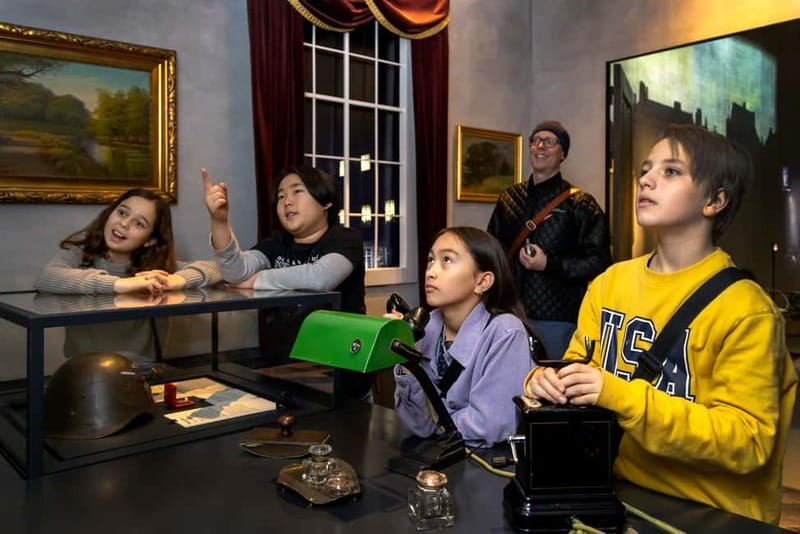
At about $20 per person, this is not the cheapest museum stop in Copenhagen. Its value depends on how you like to learn.
You are paying for entry, an audio guide, and a focused experience rather than a large general museum. The interactive exhibits add something you cannot get from a standard display of objects. The five personal accounts also give the visit a clear structure.
I consider the price reasonable for visitors who will spend close to two hours inside. The ticket becomes less attractive if you only have time for a quick look or if you prefer a live expert to answer questions.
The reserve-now-and-pay-later option can help if your Copenhagen plans are still shifting. You can hold a place without paying immediately, and cancellation is allowed up to 24 hours in advance for a full refund. Those terms are useful, but the main value still comes from giving the museum enough time.
Who will get the most from this museum

This is a good choice for anyone interested in World War II, Danish history, civilian life during occupation, or the practical side of resistance work. It also suits visitors who prefer doing something with the subject rather than standing quietly beside display cases.
Families with older children and teenagers may appreciate the codebreaking, phone interception, and illegal printing activities. The interactive elements give younger visitors a reason to stay engaged, though parents should judge whether the serious wartime themes suit their children.
I would also recommend it to visitors who want a more focused stop near Kastellet. It fits well into a day that includes the fortress area, and the nearby Østerport station makes the location convenient from central Copenhagen.
The museum may be less suitable if you need a live guide, want a very brief attraction, or expect a broad survey of all Danish history. This is a specific story about occupation, resistance, civilians, and the choices made between 1940 and 1945.
Access and practical details

The museum is wheelchair accessible, which makes the underground exhibition available to a wider range of visitors. The ticket includes entry and the audio guide, but not a live guide.
Remember to exchange your voucher at the museum shop before entering the exhibition. The audio guide is available in English and Danish, so check that your preferred language is selected as part of your planning.
The experience is sold as a one-day ticket rather than a guided tour with a fixed total duration. Availability includes starting times, so use the booking calendar to match the visit with your plans. For a relaxed experience, I would avoid placing it immediately before a hard-to-miss reservation.
Should you book the Museum of Danish Resistance?
Book it if you want a serious, well-structured look at Denmark during World War II, with personal stories and activities that show how resistance work functioned. The excellent audio guide, five historical viewpoints, and hands-on exhibits are the strongest reasons to go.
Plan for about two hours, exchange your voucher at the museum shop, and expect an audio-led visit rather than a conversation with a live guide. At $20, it offers fair value when you take the time to use the exhibits and follow the full story. If that sounds like your kind of museum, this is a worthwhile Copenhagen stop near Kastellet.
FAQ
Where is the Museum of Danish Resistance?
It is located in Churchill Park at Kastellet in Copenhagen, in Denmark’s Zealand Region. Østerport station is nearby.
What does the ticket include?
The ticket includes admission to the Museum of Danish Resistance and an audio guide.
Is a live guide included?
No. The experience includes an audio guide, not a live guide.
Which languages are available for the audio guide?
The audio guide is available in English and Danish.
How long should I allow for the visit?
Plan for about two hours if you want to see the full exhibition and use the interactive displays. The ticket itself is valid for one day.
Is the museum wheelchair accessible?
Yes. The activity information states that the museum is wheelchair accessible.
Can I cancel my booking?
Yes. You can cancel up to 24 hours in advance for a full refund. You can also reserve now and pay later, subject to the available booking terms.
Just added around the world
- Girona, Figueres, Dalí Museum and Cadaqués Tour from Barcelona★ 4.5 · 36 reviews
- Football Club Barcelona Museum Immersive Tour Guided Visit★ 3.5 · 52 reviews
- Erotic Museum Admission Ticket with Audioguide★ 5.0 · 527 reviews
- Dali Museum and Costa Brava Small Group Day Trip from Barcelona★ 5.0 · 77 reviews
- Madrid by High-Speed Train with Prado Museum Private Tour★ 4.0 · 33 reviews
- Guitar Legends Hall: Entrance to the Immersive Rock Museum★ 5.0 · 25 reviews
- White Rabbit Museum: The Best Immersive Experience in Catalonia★ 5.0 · 538 reviews
- Private Dali Museum, Besalú & Girona Tour from Barcelona★ 5.0 · 15 reviews
Tickets, compared.

Vatican: Museums & Sistine Chapel Entrance Ticket
Read our review →

Tower of London and Crown Jewels Exhibition Ticket
Read our review →
Skip-The-Line Uffizi Gallery Timed Entry Ticket
Read our review →