Review · TOURS
Bali: Archeology Museum, Gunung Kawi & Goa Gajah Temple Tour
Bali’s ancient sites make far more sense when someone explains the stories behind them. This seven-hour private tour links Tirta Empul, Gunung Kawi, Yeh Pulu, Goa Gajah, and the Gedong Arca Museum, giving you a useful look at temples, royal monuments, rock carvings, and old ceremonial objects in one day.
I like the way the tour combines major sacred sites with quieter archaeology, rather than stopping only at Bali’s best-known temples. I also like the flexible pacing: guides such as Suker, Sumadi, Joe, Dharma, and Komang have adjusted routes, avoided crowds, and taken the steepest site earlier in the day. The tradeoff is simple: expect many stairs, uneven paths, heat, and limited shade.
Key points to know before booking
- Five substantial cultural stops: Tirta Empul, Gunung Kawi, Yeh Pulu, Goa Gajah, and Gedong Arca Museum form the main route.
- Gunung Kawi is the workout: the site includes a steep staircase with roughly 300 steps, so comfortable shoes matter.
- Private transport and guiding: hotel pickup and drop-off are included, with an English-speaking guide and a private group.
- The guide makes the difference: past guides including Suker, Gusde, Joe, Sumadi, Dharma, and Komang Sparsa have been praised for cultural and archaeological explanations.
- Optional extras change the day: you can add coffee tasting, a massage, a jungle swing, rafting, or an ATV ride, depending on the selected option.
- Good value at $36: entry fees, transport, and mineral water are included, though food, drinks, and personal purchases are extra.
Why this tour is a smart way to see central Bali’s past
At $36 per person, this is a strong value if you want a full day of cultural sightseeing without arranging several separate admissions and transfers. The fee includes hotel pickup and drop-off, entry fees, mineral water, and a private group with a live English-speaking guide.
The real value is the range of places covered. You are not seeing five versions of the same temple. You move from a living Hindu water temple to royal rock monuments, outdoor carvings, a cave sanctuary, and a museum of ancient objects.
That mix also makes the day easier to understand. Bali’s old religious world is not limited to grand gateways and ceremonies. It includes water purification, meditation, royal memorials, village scenes, and burial or ceremonial objects. A good guide connects those pieces.
The private format helps. You can ask why a carving looks a certain way, stop for photographs, or slow down on the stairs without worrying about a large group. Several guides have also changed the order of stops to avoid crowds or heat. One guide took the most demanding walking section first, which is exactly the kind of small decision that improves a hot Bali day.
A few more museum visits around the world worth comparing
- Vatican: Museums & Sistine Chapel Entrance Ticket
★ 4.5 · 144,003 reviews - Vatican Museums, Sistine Chapel & St. Peter’s Basilica Tour
★ 4.3 · 73,970 reviews - Paris: Louvre Museum Timed-Entrance Ticket
★ 4.6 · 71,977 reviews
Tirta Empul: begin with a living sacred spring
Tirta Empul is a 10th-century Hindu temple known for its holy spring water and purification pools. This is not simply an archaeological site behind glass. It remains a working religious place, so the atmosphere depends on respectful behavior and quiet attention.
You can see the bathing pools used for cleansing rituals. The tour description presents participation as possible, but you should follow your guide’s advice and local rules before entering the water. Bring modest clothing, with shoulders and knees covered, and remember that people who are menstruating are not permitted to enter the temple under local custom.
Tirta Empul is a useful first stop because it introduces the connection between water and spiritual life in Bali. Your guide can explain what you are seeing instead of leaving you to guess at the rows of fountains and offerings.
The temple grounds are outdoors, and shade may be limited. Sunscreen, a hat, and water will help. Photography is allowed, but ask before using equipment such as a drone, since restrictions may apply.
Gunung Kawi: royal monuments and a serious staircase
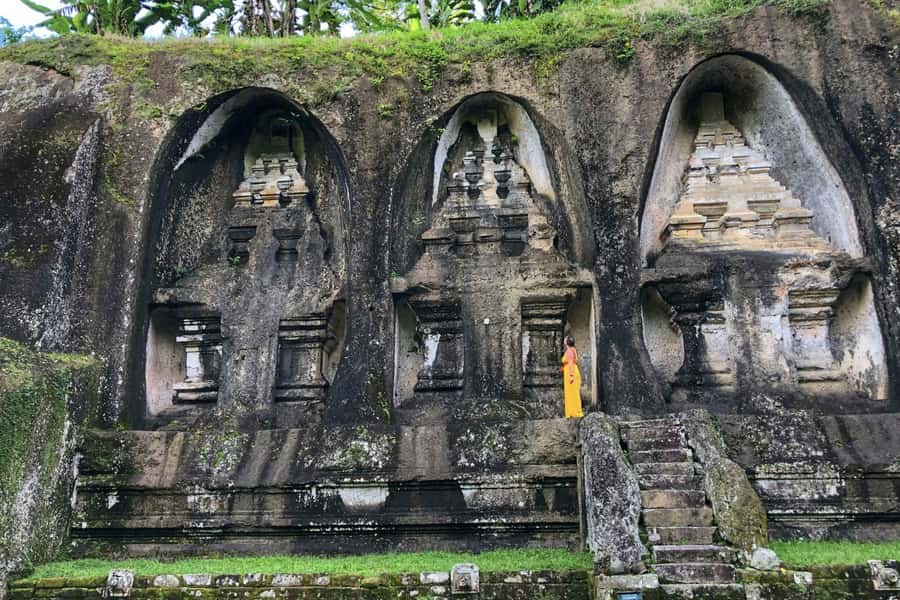
Gunung Kawi is likely to be the most physically demanding stop. Reaching the ancient complex involves a long, steep descent and return climb, with about 300 steps noted by guides and visitors. Stone paths can be slippery after rain, so this is not the place for thin sandals or a rushed pace.
The effort pays off with a striking setting along the Pakerisan River. The complex is linked to the 11th century and is associated with Balinese kings from an important early period. Rather than entering a conventional temple building, you encounter monumental shrines cut into rock faces.
This is where a guide adds real value. The site can look mysterious without context, especially because the surviving monuments invite questions about who built them and why. Guides such as I Komang Sparsa and Dharma have been praised for explaining both the archaeological side and the religious meaning.
Allow yourself time to look closely. The river setting, stonework, and scale are the main rewards, but the walk is part of the experience too. If you have knee, balance, or mobility problems, this stop may be unsuitable. The tour is not recommended for wheelchair users, pregnant women, people over 70, or people with mobility impairments.
Yeh Pulu: everyday life carved into stone
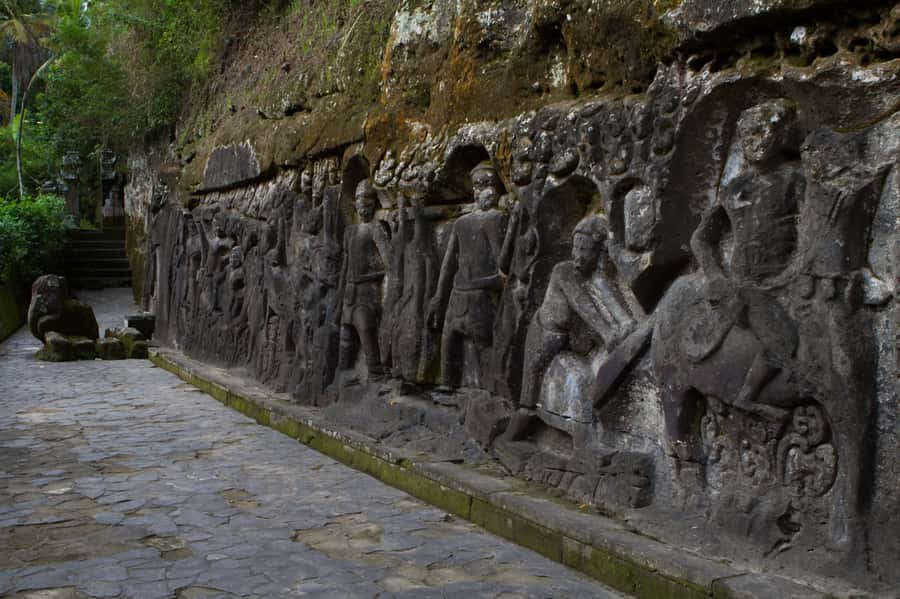
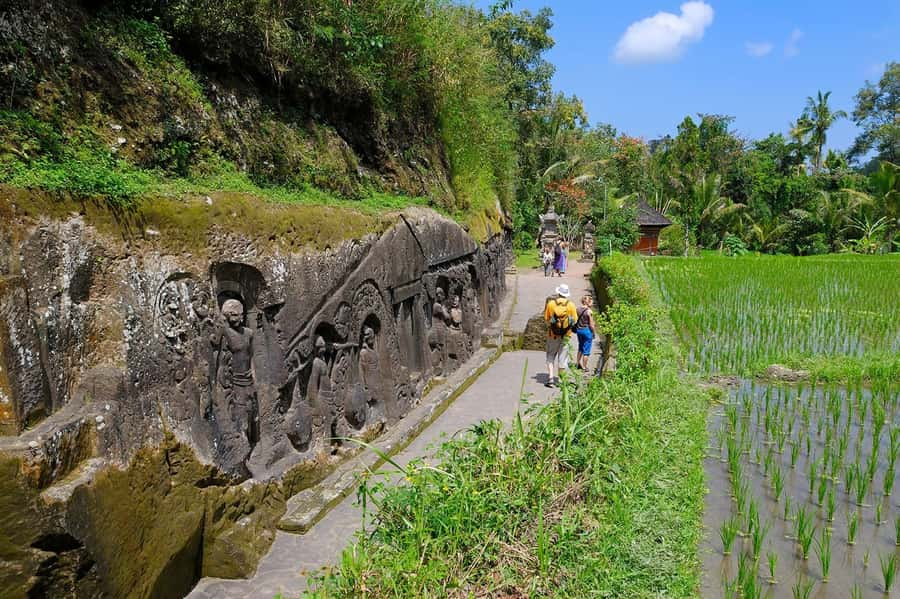
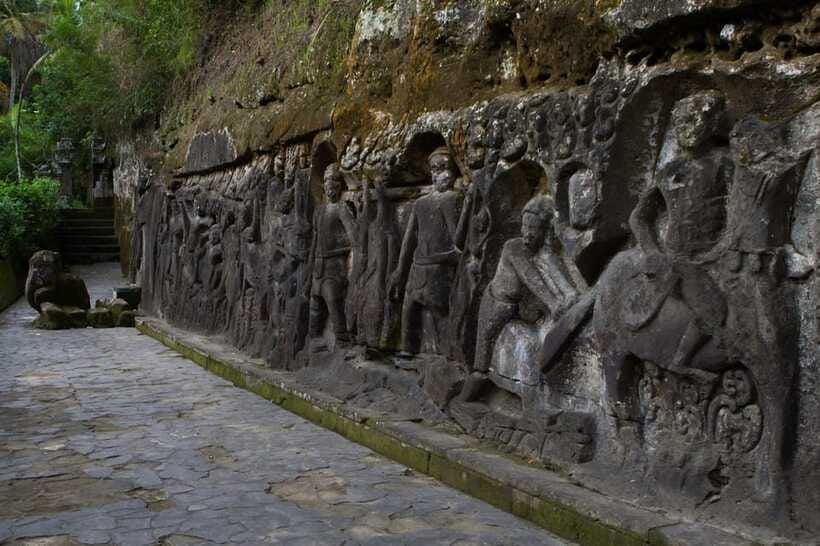
Yeh Pulu offers a different kind of ancient art. Here, a roughly 25-meter rock wall carries carvings of mythological figures, Hindu gods, and people engaged in ordinary village activities.
That last detail makes the site especially useful. Grand temple art often focuses on gods, kings, and ritual scenes. Yeh Pulu also gives you glimpses of daily life, which can make the past feel less distant. Look for the contrast between sacred figures and more familiar human activity as your guide explains the carvings.
The site is in Bedulu, in the central Bali highlands, and includes uneven walking. It is not as famous as Tirta Empul or Goa Gajah, which can make it feel calmer, but you should not expect a smooth museum-style visit. Wear shoes with a firm grip and take care around wet stone.
Yeh Pulu is also a place where you should avoid touching the carvings. The stone surface is part of the heritage, not a photo prop. Quiet behavior and attention to your guide’s directions are appropriate here.
Same city, a completely different collection:
- Amsterdam: Van Gogh Museum Ticket
★ 4.7 · 52,054 reviews - Vatican Museums, Sistine Chapel & St Peter’s Basilica Guided Tour
★ 4.5 · 39,149 reviews - NYC: 9/11 Memorial & Museum Timed-Entry Ticket
★ 4.8 · 31,428 reviews - London: Tower of London and Crown Jewels Exhibition Ticket
★ 4.6 · 28,769 reviews
Goa Gajah: a mysterious entrance with a spiritual purpose
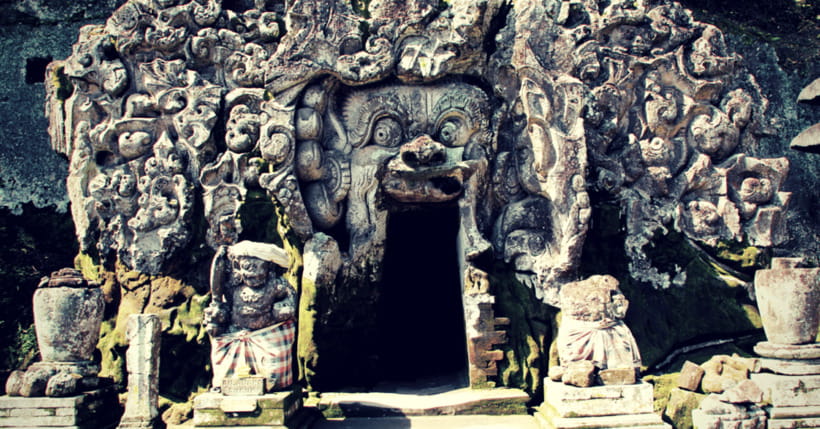
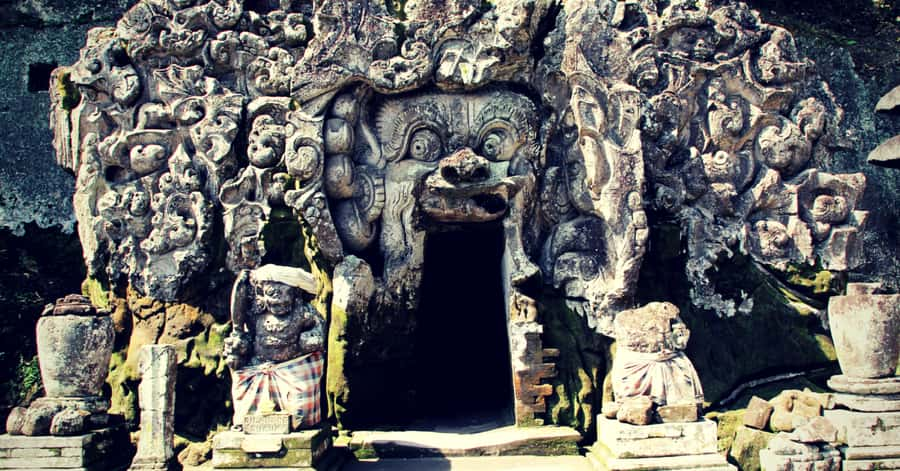
Goa Gajah dates from the 9th century and is best known for its dramatic entrance, shaped like a demon’s open mouth. Entering the cave gives the stop an immediate sense of mystery, but the site was created for meditation and spiritual practice, not merely for spectacle.
Inside and around the sanctuary, you will find stone carvings and other structures that reflect Bali’s long artistic and religious traditions. Goa Gajah is compact compared with Gunung Kawi, yet it can be visually dense, so listen for the explanation of how the cave fits into the wider sacred site.
The approach and grounds include stairs and uneven paths. You may find the stone slippery after rain, and there is outdoor walking between the main features. Modest dress remains important, even if the cave itself feels more like an archaeological monument than a modern temple.
This stop works well after the more open river setting at Gunung Kawi and the carved wall at Yeh Pulu. You get another version of sacred space, this time centered on a cave and meditation.
Gedong Arca Museum: small objects that complete the story
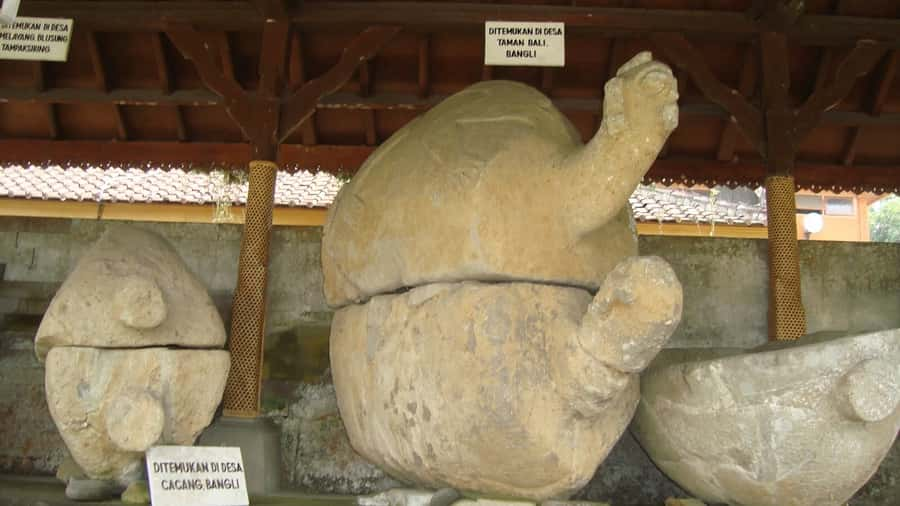
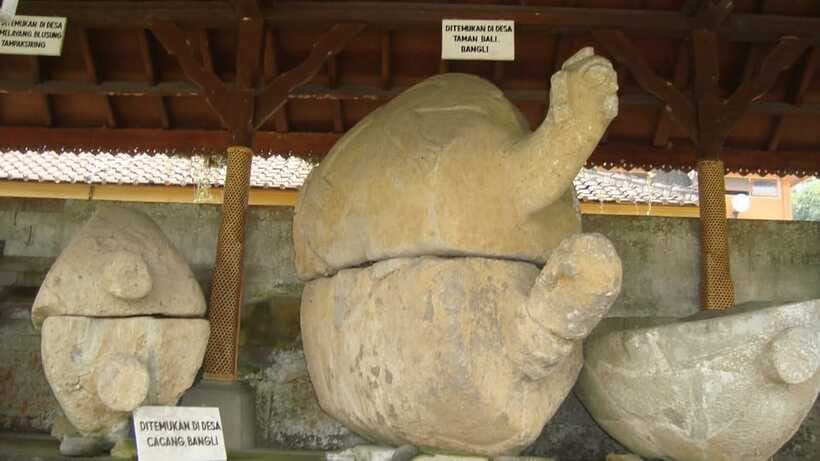
The final stop is Bali Gedong Arca, also called the Bali Archaeological Museum, in Tampak Siring Village. Its collection includes heritage objects gathered over many centuries, including ancient relics and sarcophagi.
A museum can be easy to skip after a day of temples, but I think it adds needed balance. Outdoor monuments show you scale and setting. Museum pieces let you look at the objects themselves and consider how earlier Balinese communities handled ritual, burial, and memory.
The museum is especially valuable if you enjoy archaeology rather than only temple photography. Ask your guide about the objects as you go, since the level of explanation can shape how much you take away from the collection.
Check the operating situation when you book or before setting out. One past visit found the museum closed on a Sunday, and the guide substituted another beautiful temple. That flexibility is useful, but the replacement means you should not assume the museum will always be available on every day.
How the private format affects the day
The tour lasts about seven hours and includes hotel pickup and drop-off. It is described as a private group, so you are not tied to the pace of a large coach party. Transport has received a 98 percent perfect score, which supports the practical side of the experience.
A private day is particularly helpful at Gunung Kawi. You can take the stairs slowly, stop for water, and ask the guide to explain a detail without holding up a busload of people. It also helps at the temples, where the right order can reduce heat and crowd pressure.
The guide is central to the experience. Past guide names include Suker, Gusde, Komang, Joe, Subi, Yan, Sumadi, Dharma, Tirta, and I Komang Sparsa. The repeated praise centers on clear English, cultural context, patience, good humor, and the ability to answer questions beyond the basic site facts.
Do not expect a formal academic lecture. The best use of the guide is conversational: ask about Balinese customs, mythology, religious practice, and how the ancient sites relate to life today. Several guides have also helped with photographs and adjusted the plan around a child’s needs or a guest’s walking pace.
Optional add-ons: useful extras or too much in one day?
The base route already fills seven hours, so choose add-ons with care. Available options may include a one-hour or two-hour traditional massage, Luwak coffee tasting, a jungle swing with coffee, a three-hour rafting trip with buffet, a one-hour solo ATV ride, a one-hour tandem ATV ride, or a Polaroid package with 10 photographs.
A coffee tasting can fit naturally with a culture-focused day, and some visitors have enjoyed adding it. A massage makes more sense if you want to end with rest rather than more sightseeing. The jungle swing, rafting, and ATV options shift the character of the outing toward recreation.
Language options may also be available as add-ons, including a female guide, German-speaking guide, or Korean-speaking guide. Since some extras are offered only with certain tour choices, check the exact option before paying.
The main caution is time and energy. Combining steep temple stairs with rafting or an ATV session could make for a long day. If your priority is archaeology, I would keep the core route and perhaps add coffee or a massage rather than trying to fit everything in.
What to bring and what to wear
Wear shoes that can handle stairs, uneven paths, and wet stone. Comfortable walking shoes are more important here than fashionable temple sandals.
Bring sunscreen, a hat if you use one, a camera, cash, and a light raincoat. Much of the day is outside, shade is limited, and the tour continues in light rain. Mineral water is included, but staying hydrated is still your responsibility.
Dress modestly, with shoulders and knees covered. The sites are sacred places, so keep your voice low, follow instructions, and do not touch ancient carvings or enter restricted areas.
Pets, alcohol, and drugs are not allowed. People who are menstruating cannot enter the temple under local customs, and the tour is not suitable for pregnant women, wheelchair users, people with mobility impairments, or people over 70.
Who should book this Bali archaeology tour?
You should book it if you want more than beach time, shopping, or a quick temple photograph. It suits you especially well if you like ancient sites, religious traditions, archaeology, Balinese mythology, and asking questions as you go.
It also works for first-time visitors who want a broad introduction to central Bali. The route gives you a practical foundation before you explore more temples on your own.
You may want a different outing if you dislike stairs, hot outdoor walking, or uneven ground. The tour is not a gentle sightseeing drive. Gunung Kawi alone can leave your legs tired, and every major stop requires some walking.
At $36, the combination of private transport, admissions, and a guide is persuasive value. Book it for the sites and the cultural explanations, not for a relaxed half-day. If you are prepared for the physical side, this is one of the more useful ways to connect Bali’s living faith with its ancient remains.
FAQ
How long does the tour last?
The tour lasts seven hours. Starting times vary, so check availability when booking.
What places does the main tour visit?
The route includes Tirta Empul Temple, Gunung Kawi, Yeh Pulu, Goa Gajah Temple, and the Bali Gedong Arca Archaeological Museum.
Is hotel pickup and drop-off included?
Yes. Hotel pickup and drop-off are included in the tour.
Is the tour private?
Yes. The experience is offered for a private group.
What language does the guide speak?
The standard live guide language is English. German-speaking, Korean-speaking, and female guide options may be available as add-ons.
Are entrance fees included?
Yes. All entry fees are included.
Is food included?
No. Food and drinks are not included. Mineral water is included.
Can I join the purification ritual at Tirta Empul?
The temple has bathing pools used for purification rituals. You must follow local customs and your guide’s instructions. People who are menstruating are not permitted to enter the temple.
Is Gunung Kawi difficult to walk?
The tour includes extensive walking, stairs, and uneven paths. Gunung Kawi has roughly 300 steps, and some areas may be slippery after rain.
What happens if it rains or the museum is closed?
The tour runs in light rain, so bring a light raincoat. If the museum is closed, the itinerary may be adjusted, such as substituting another temple.
Just added around the world
- Girona, Figueres, Dalí Museum and Cadaqués Tour from Barcelona★ 4.5 · 36 reviews
- Football Club Barcelona Museum Immersive Tour Guided Visit★ 3.5 · 52 reviews
- Erotic Museum Admission Ticket with Audioguide★ 5.0 · 527 reviews
- Dali Museum and Costa Brava Small Group Day Trip from Barcelona★ 5.0 · 77 reviews
- Madrid by High-Speed Train with Prado Museum Private Tour★ 4.0 · 33 reviews
- Guitar Legends Hall: Entrance to the Immersive Rock Museum★ 5.0 · 25 reviews
- White Rabbit Museum: The Best Immersive Experience in Catalonia★ 5.0 · 538 reviews
- Private Dali Museum, Besalú & Girona Tour from Barcelona★ 5.0 · 15 reviews
Tours, compared.

Vatican Museums, Sistine Chapel & St. Peter’s Basilica Tour
Read our review →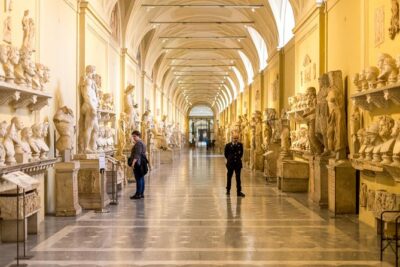
Vatican Museums, Sistine Chapel & St Peter’s Basilica Guided Tour
Read our review →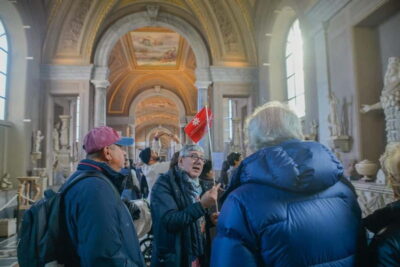
Vatican Museums, Sistine Chapel and Basilica Tour
Read our review →
Vatican Museums, Sistine Chapel & Basilica Tour
Read our review →
Vatican Museums & Sistine Chapel Guided Tour
Read our review →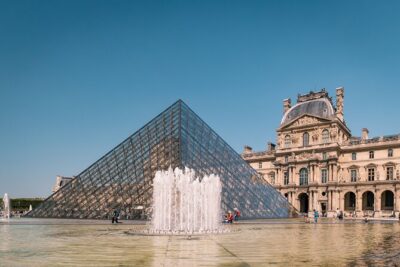
Louvre Museum Masterpieces Guided Tour with Access
Read our review →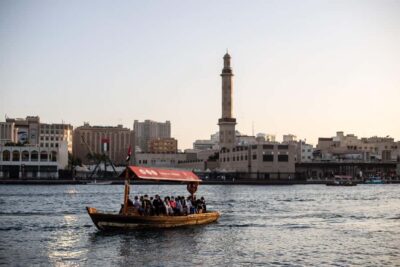
Old Town, Creek, Museums, Souks, & Street Food Tour
Read our review →