
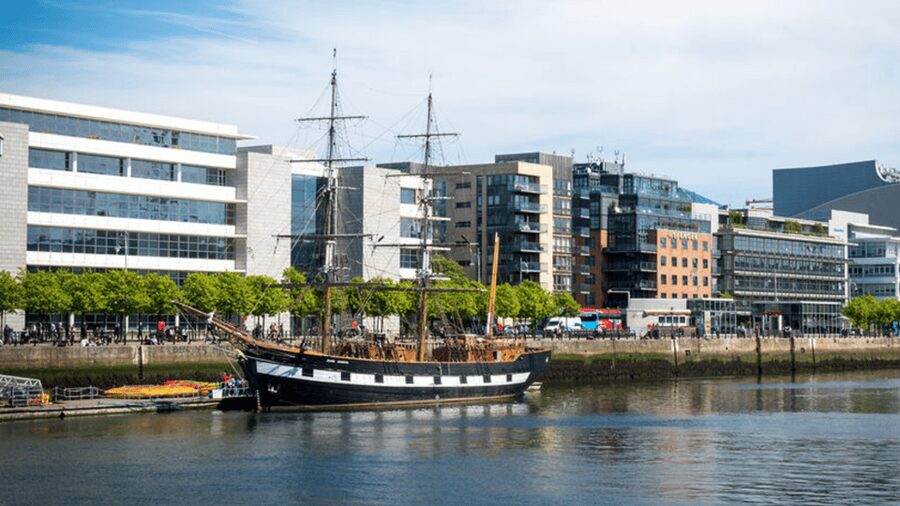
Review · DUBLIN
Dublin: EPIC Museum and Jeanie Johnston Entry Ticket
The most powerful part of this Dublin experience is the order: you first hear personal stories aboard the Jeanie Johnston, then cross the street to EPIC The Irish Emigration Museum and place those stories in a much wider Irish setting. The ship makes the famine feel immediate. EPIC shows how Irish people shaped the world after leaving home.
I like the easy pairing of two major attractions in one Docklands stop, and I like that EPIC includes a free return visit within 10 days. The main drawback is that the Jeanie Johnston requires you to cross a gangplank, so it is not suitable for wheelchairs, mobility scooters, or buggies.
Key points to know before booking

- The Jeanie Johnston comes first: A guided ship tour introduces the famine, the passengers, and the crew before your self-guided museum visit.
- EPIC is highly interactive: Galleries use visuals, music, dance, and hands-on displays rather than relying only on long blocks of text.
- The two sites are side by side: You can move from the ship to the museum without adding another journey across Dublin.
- Your ticket can stretch over two visits: EPIC allows a free return within 10 days, useful if you want more time with the galleries.
- Guides make a real difference: Owin, Claire, and Katrina are praised for clear facts, warmth, and lively storytelling.
- The Docklands setting is convenient: The attractions are about a 10-minute walk from Dublin city centre, with cafés and restaurants in the CHQ building.
Starting with the Jeanie Johnston famine ship
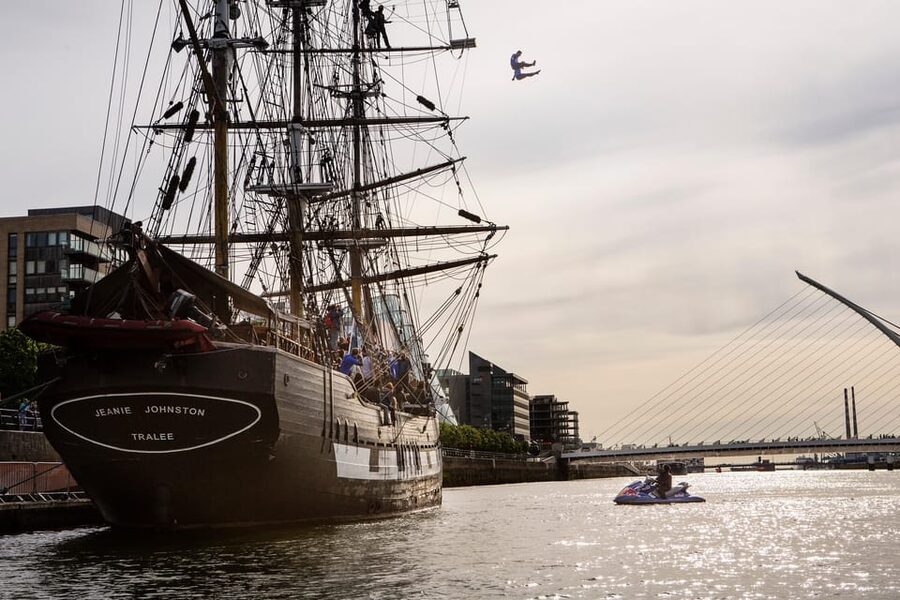
I would begin with the Jeanie Johnston, even if your ticket allows some flexibility. The ship gives you an emotional frame for EPIC, and the museum makes more sense after you have heard about people who left Ireland under terrible conditions.
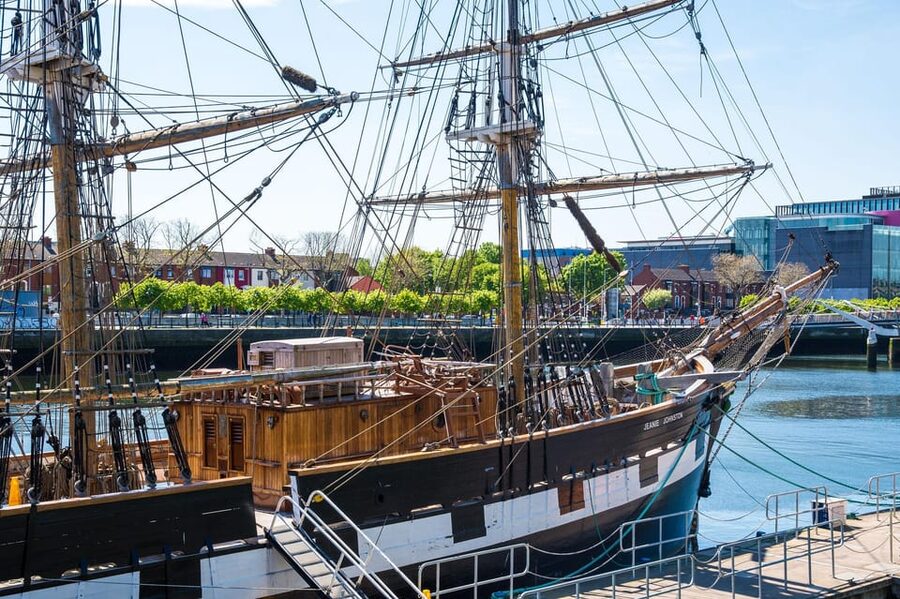
The Jeanie Johnston is a tall ship known by the nickname The Miracle Ship. On the tour, you follow the route taken by famine-era passengers and hear about the people aboard, along with the crew who carried them across the Atlantic. The point is not simply to admire an old vessel. It is to understand the fear, hope, and uncertainty tied to leaving Ireland during the famine.
The ship itself helps. A museum case can explain cramped conditions, but walking across a gangplank and standing aboard the vessel gives the story a physical setting. You can picture the ship as a place of passage rather than a static exhibit. The tour brings together the vessel, the passenger stories, and the wider force that pushed so many people to leave.
Expect this part to be guided rather than self-directed. That matters because the quality of the storytelling shapes the visit. Owin is described as dynamic and well informed, while Claire brings clear historical detail and obvious feeling for the ship. Katrina is praised for engaging warmly with her group and making the information friendly and fun. Since guide assignments can vary, you should not assume a particular person will lead your tour, but these examples show the tone to expect: personal, lively, and focused on people rather than dates alone.
The ship tour was the clear favorite for some visitors because it feels more intimate and direct than a large museum. I understand that reaction. The Jeanie Johnston gives the experience a human scale. You are not just learning that emigration happened. You are considering what it meant to leave home in a vessel carrying people toward an unknown future.
There is a practical limitation. Access is across a gangplank, and the attraction is not suitable for wheelchairs, mobility scooters, or buggies. Scooters and buggies can be left in the office during the tour, but anyone joining the ship visit must be able to walk across the gangplank. This is worth checking before you pay, especially if your group has mixed mobility needs.
More Museum Tours in Dublin
- Irish Rock ‘N’ Roll Museum Experience Dublin
★ 5.0 · 6,112 reviews - Dublin Hop-On Hop-Off Bus Tour with Guide and Little Museum Entry
★ 4.5 · 3,327 reviews - Dublin Irish Whiskey Museum and Gallery Guided Tour with Tasting
★ 5.0 · 3,078 reviews
Crossing to EPIC The Irish Emigration Museum
After the ship, EPIC is right across the street. That close connection is one of the strongest reasons to book the combination rather than treating the two attractions as separate stops. You do not lose time crossing town, and the change from guided tour to self-guided museum lets you set your own pace.
EPIC tells Ireland’s story from the outside in. Instead of limiting Irish identity to events that happened on the island, it follows Irish emigrants and their descendants across the world. The galleries look at people who became scientists, politicians, poets, artists, and outlaws. That wider view is the museum’s main idea: Irish identity traveled far beyond Ireland.
You will not find a tidy collection of leprechauns and pots of gold here. The museum aims for something more useful. It asks why saying I’m Irish can open a conversation almost anywhere, even when a person’s family has lived outside Ireland for generations.
The visit is self-guided, so you can spend more time with the displays that interest you. Some people may want to follow the full story from start to finish. Others may focus on migration, culture, music, politics, or the lives of Irish people abroad. The format supports both approaches.
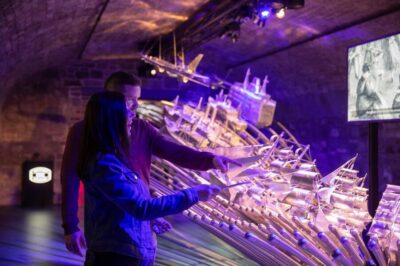
EPIC relies heavily on visual presentation and interactive elements. Music and dance are part of the experience, and the displays use production and technology to keep the story moving. One particularly appealing aspect is the chance to see different reasons for emigration rather than treating every departure as the same. Economic hardship, political pressure, family decisions, ambition, and the search for safety all fit into the larger story.
That variety gives the museum more weight than a simple celebration of Irish success. You see how Irish people contributed overseas, but you also get a sense of why they left in the first place. The result is a more balanced picture of Ireland and its global connections.
Why the ship and museum work better together
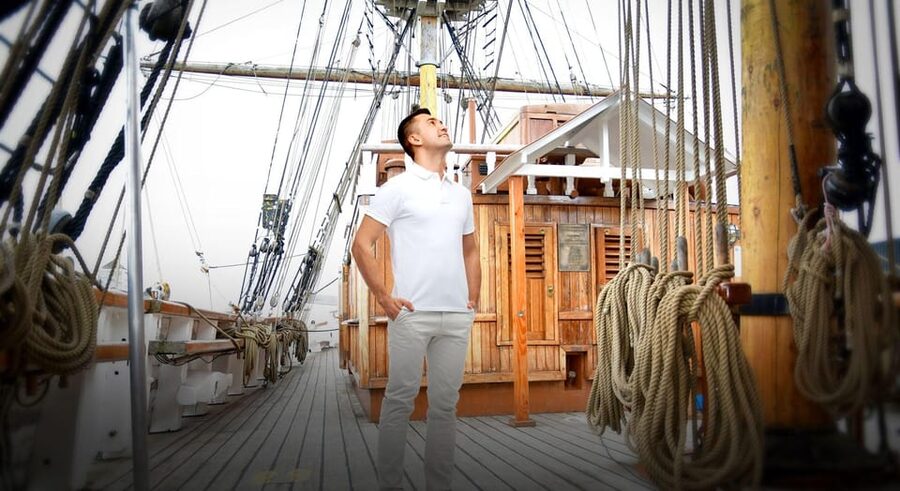
The two attractions cover related ground in different ways. The Jeanie Johnston concentrates your attention on a particular period and a particular kind of journey. EPIC broadens the frame to show what happened to Irish identity after people left.
I like that contrast. The ship is guided, contained, and personal. EPIC is spacious in scope, self-guided, and international. One gives you a strong narrative voice. The other lets you make your own path through many stories.
The sequence also prevents EPIC from feeling like a collection of disconnected facts. After the ship, the idea of emigration has emotional weight. When EPIC introduces Irish people who made their mark abroad, you can connect those achievements to the far more difficult act of leaving home.
The experience also works in the opposite direction. If you have already visited EPIC, the Jeanie Johnston can give a more focused example of the forces behind Irish emigration. The combination is strongest when you allow time to think about the link between the two rather than rushing from one entrance to the next.
Allow about three hours for the full experience, though your exact timing depends on the available start time and how long you spend inside EPIC. The museum ticket includes a free return within 10 days, so you do not have to force every gallery into one visit. That is a real advantage for anyone who reads carefully or wants to revisit a favorite section.
The Docklands location and what to do nearby
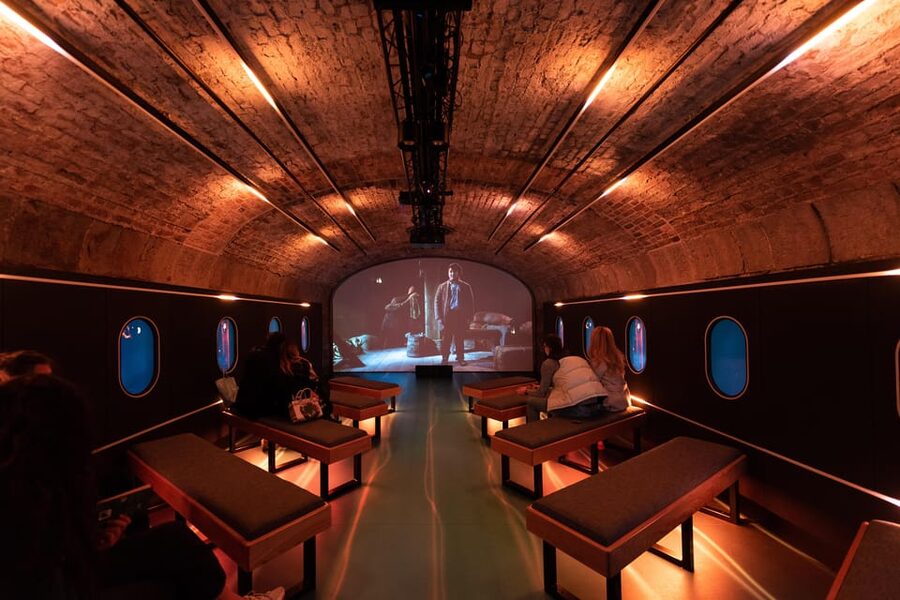
Both attractions are in Dublin’s Docklands, roughly a 10-minute walk from the city centre. That makes this a practical addition to a day in central Dublin, especially if you want a history stop that does not require a long trip outside the main sights.
The nearby CHQ building has cafés and restaurants, which helps with planning. You can eat before the tour, take a break after the ship, or have a meal once you finish EPIC. Because the attraction combination takes around three hours, it fits well as a substantial morning or afternoon activity rather than a quick one-hour stop.
The location also makes it easier to adjust your day. If the weather turns poor, you have two indoor attractions close together, though the ship itself still requires gangplank access. If you finish early, the Docklands gives you nearby places to sit and eat instead of sending you straight back into the centre.
Check the available starting times before booking. Since the experience has a set duration and begins with the Jeanie Johnston tour, the start time affects how comfortably it fits with lunch, other timed admissions, or an evening plan.
A few more museum visits around Dublin worth comparing
- Dublin EPIC Museum Admission Ticket
★ 4.5 · 1,729 reviews - Dublin: EPIC Museum Entrance Ticket
★ 4.6 · 816 reviews - Dublin: National Wax Museum Plus Entrance Tickets
★ 4.0 · 367 reviews - Dublin: Skip-the-Line Little Museum of Dublin Ticket
★ 4.6 · 161 reviews
Is $36 a fair price?

At $36 per person, this is not a throwaway attraction, but the price covers entry to two substantial Dublin sights. Value depends on how you use the ticket.
The strongest value comes from the combination of a guided ship tour and a self-guided museum visit. You are paying for two different formats, two different subjects, and enough material to fill around three hours. EPIC’s free return within 10 days improves the deal further, particularly if you are staying in Dublin long enough to come back.
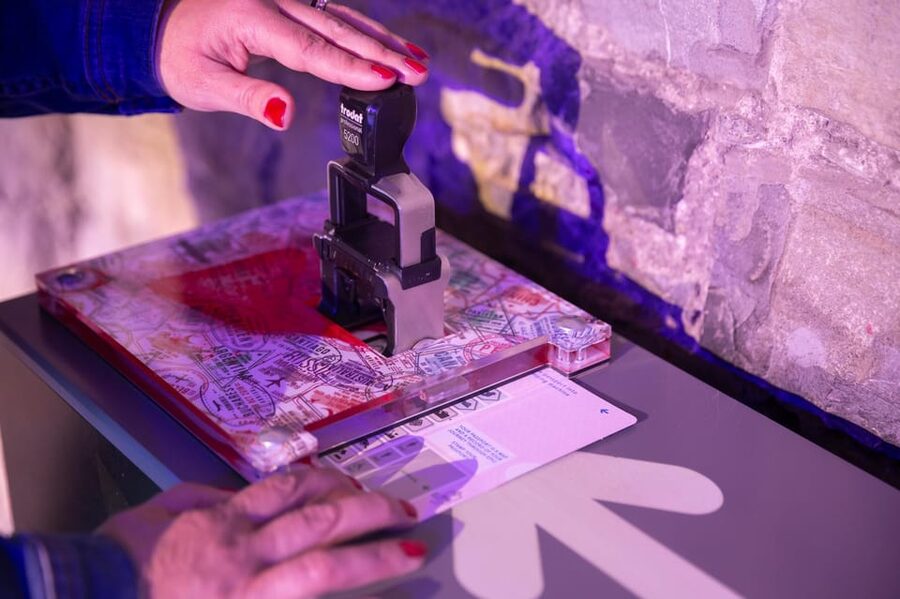
The free souvenir passport is a small but pleasant extra. It gives you a physical memento of the museum journey without turning the visit into a shopping exercise. More important, the return option means your first visit does not have to be exhaustive.
I would consider the price reasonable for adults who enjoy cultural attractions and want more than a quick photo stop. Families should think about the age and attention span of their children. The interactive parts of EPIC may hold interest, while the guided ship visit asks for quiet attention and requires physical access across the gangplank. The ticket is less useful if your group plans to stay only briefly or has no interest in migration stories.
The best way to plan your three hours
I would keep the first part of your schedule open and arrive ready for the Jeanie Johnston tour. Since the ship has a set guided format, arriving late could make the visit less convenient, though the available starting times should be checked when you book.
Afterward, cross directly to EPIC while the ship’s stories are still fresh. Give yourself enough time to use the interactive displays instead of treating the museum as a quick walk-through. The music, dance, visual design, and personal stories reward a slower pace.
Take advantage of the return ticket if you are in Dublin for more than one day. On the first visit, you can get the full shape of the museum. On the second, you can spend more time with sections you passed too quickly. This is especially useful for people who like reading every panel or want to visit at a less hurried pace.
Build in time for food at the CHQ building. A café stop can make the three-hour outing feel more relaxed, and the nearby restaurants remove the need to arrange a separate meal across town.
Who will enjoy this experience most?
I would recommend this combination to you if you want Irish history told through people and movement rather than only through monuments and political dates. It suits visitors who enjoy museums with interactive presentation, as well as anyone curious about why Irish identity has such a strong global reach.
It is particularly good for:
- First-time visitors who want two connected attractions in one convenient area.
- People interested in famine history and emigration.
- Families and groups who prefer visual displays and hands-on museum features.
- Visitors who appreciate guided storytelling but want freedom to explore afterward.
- Anyone staying in Dublin long enough to use the free EPIC return visit.
The experience may be less suitable if you want a purely traditional museum, dislike technology-led displays, or cannot cross the Jeanie Johnston gangplank. EPIC and the ship also cover serious subjects, so this is not a light entertainment stop despite the engaging presentation.
What I would remember most

The Jeanie Johnston is likely to be the emotional center of the visit. Its strongest feature is not size or spectacle. It is the way a real ship gives shape to stories of people who left Ireland during the famine. A good guide can turn the vessel into a setting full of human decisions, and Owin, Claire, and Katrina represent the friendly, story-led style that works best here.
EPIC then widens the story. Its best idea is that Irishness does not stop at Ireland’s borders. Through emigrants who became artists, scientists, politicians, poets, and criminals, the museum shows how a small island developed a worldwide presence.
The combination also avoids a common problem with city attractions: two unrelated sights bundled together only for convenience. Here, the connection is clear. The ship shows departure. EPIC explores what came after.
Should you book the Jeanie Johnston and EPIC ticket?
I would book it if you want a well-connected half-day in Dublin’s Docklands, especially if you value personal stories, interactive displays, and a museum you can revisit. The $36 price is easier to justify because it includes both attractions, a souvenir passport, and a free EPIC return within 10 days.
Before booking, check the starting time and make sure everyone in your group can cross the ship’s gangplank. If that works for you, this is one of the more useful ways to understand Ireland’s past and its worldwide identity in a single outing.
FAQ
Where are the Jeanie Johnston and EPIC Museum located?
Both attractions are in Dublin’s Docklands, about a 10-minute walk from Dublin city centre. They are located right beside each other.
What does the ticket include?
The ticket includes entry to the Jeanie Johnston and entry to EPIC The Irish Emigration Museum.
How long does the experience take?
The stated duration is three hours. You should check the available starting times when booking.
Is the EPIC visit guided?
The Jeanie Johnston visit is a guided tour. EPIC The Irish Emigration Museum is self-guided, so you can explore the galleries at your own pace.
Can I return to EPIC after my first visit?
Yes. Your EPIC ticket includes a free return visit within 10 days.
Is the experience suitable for wheelchair users?
The Jeanie Johnston is not suitable for wheelchairs, mobility scooters, or buggies because access requires crossing a gangplank. Scooters and buggies can be left in the office during the tour.
Can I cancel the booking?
You can cancel up to 24 hours in advance for a full refund. A reserve now and pay later option is also available.
Just added around Dublin
- Dublin: Irish Coffee Masterclass at the Irish Whiskey Museum★ 4.6 · 279 reviews
- Dublin: Skip-the-Line Little Museum of Dublin Ticket★ 4.6 · 161 reviews
- Dublin: Irish Whiskey Museum Blending Tour with Tastings★ 4.6 · 378 reviews
- Dublin: National Wax Museum Plus Entrance Tickets★ 4.0 · 367 reviews
- Dublin: Irish Rock ‘N’ Roll Museum with Tour in English★ 4.7 · 123 reviews
- Dublin: Irish Famine Exhibition Entry Ticket★ 4.4 · 15 reviews
- Irish Whiskey Museum: Whiskey Blending Experience★ 5.0 · 577 reviews
- Dublin: EPIC Museum Entrance Ticket★ 4.6 · 816 reviews
Museum Tours in Dublin, compared.
Dublin Hop-On Hop-Off Bus Tour with Guide and Little Museum Entry
Read our review →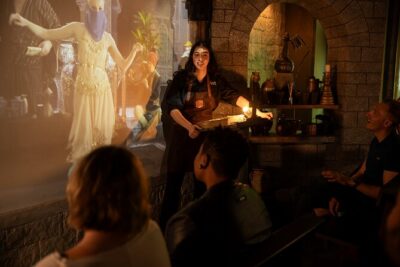
Dublin Irish Whiskey Museum and Gallery Guided Tour with Tasting
Read our review →
The Little Museum of Dublin Famous Guided Tour
Read our review →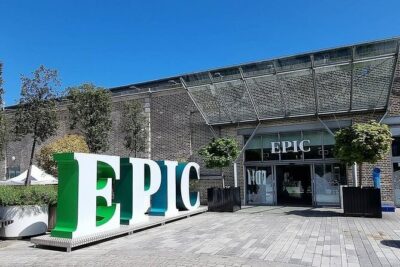

Giant’s Causeway with the Titanic Exhibition and the best of Northern Ireland
Read our review →
Browse the lists this tour appears in