

Review · DUBLIN
Dublin: Irish Famine Exhibition Entry Ticket
The Irish Famine Exhibition tackles one of Ireland’s darkest chapters in a direct, easy-to-follow way. You move through rooms that explain hunger, disease, workhouses, evictions, coffin ships, and mass emigration, using original documents and artifacts rather than relying only on modern text.
I like the self-paced format, which lets you stop at a personal letter or photograph instead of being hurried along. I also like the compact one-hour visit and the central location above Stephens Green Shopping Centre. The main drawback is that this is a sober, mostly indoor exhibition, not a guided walking tour or a large museum, so you should book it for context and reflection rather than entertainment.
Key points
- Rare 19th-century photographs show Ireland during the famine era in a more immediate way than a standard textbook.
- Original newspapers and personal letters give the crisis a human voice, including correspondence between a tenant and landlord and between a father and son.
- A 15-minute overview film provides a useful introduction before or after you read the storyboards.
- The exhibition is self-paced, and each room has a bench for reading and reflection.
- The central Stephens Green location makes this an easy addition to a day in Dublin.
- The $16 entry price is reasonable if you want a focused history stop lasting about an hour.
Why the Irish Famine story still demands attention
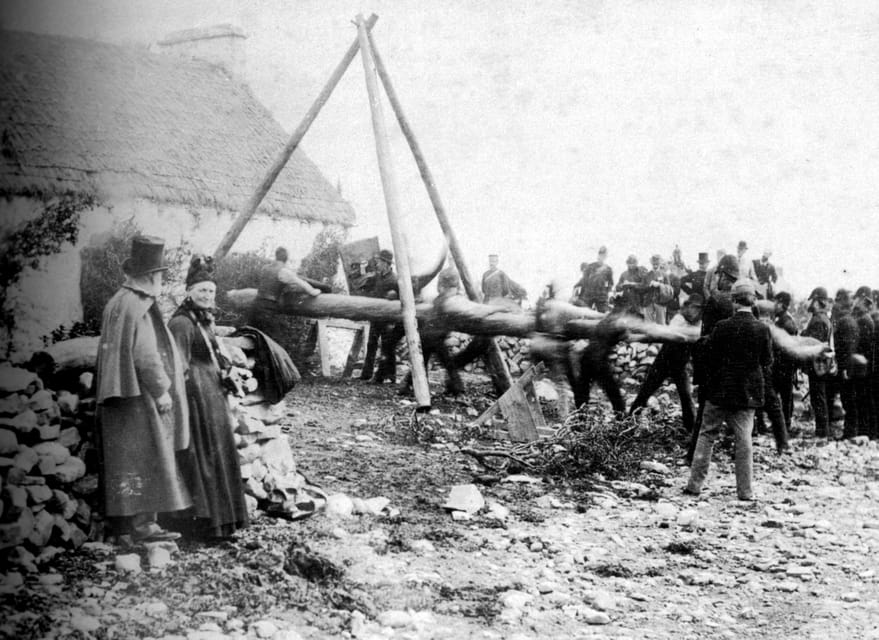
The Irish Potato Famine, generally dated from 1845 to 1852, was not simply a story of failed crops. The exhibition asks a harder question: how could more than a million people die from starvation and disease while food continued to leave Ireland?
That question gives the visit its focus. Ireland was then part of the British Empire, one of the world’s richest imperial powers, yet huge numbers of Irish people had little protection when the potato crop failed. Millions more were forced to leave the country. The word famine itself is controversial in this setting because the disaster involved politics, land ownership, poverty, relief policy, and social power as well as food shortages.
I find this framing useful because it moves you beyond a simple story of bad weather and ruined potatoes. The exhibition is designed to explain what happened step by step, so you can follow the chain from crop failure to hunger, disease, eviction, emigration, and death.
The subject is painful. That is not a weakness, but it is worth knowing before you arrive. This is not a light stop between shopping and lunch. It is a quiet historical visit that asks for attention.
More Museum Tours in Dublin
- Irish Rock ‘N’ Roll Museum Experience Dublin
★ 5.0 · 6,112 reviews - Dublin Hop-On Hop-Off Bus Tour with Guide and Little Museum Entry
★ 4.5 · 3,327 reviews - Dublin Irish Whiskey Museum and Gallery Guided Tour with Tasting
★ 5.0 · 3,078 reviews
Finding Unit 200b above Stephens Green Shopping Centre
The exhibition is in unit 200b on the top floor, described as the second floor, of Stephens Green Shopping Centre. If you enter from the main entrance on Grafton Street, look for the elevator about 20 metres inside on the right.
Take the elevator to the second floor and turn left. If you arrive through the car park, the exhibition is at the opposite end of the shopping centre. The directions are specific, but the building has several entrances, so allow a few extra minutes to get oriented.
This central setting makes the exhibition easy to fit into a Dublin day. You do not need to arrange separate transport or commit to a full morning. It can work before a walk around St Stephen’s Green, after shopping, or as a history stop during time spent around Grafton Street.
The exhibition is open daily from noon to 6 p.m. Check the current availability when booking, since the ticket is valid for 180 days and starting times may vary. The long validity is handy if your Dublin schedule changes.
A self-paced route through the famine years
This is not a guided tour with a named historian leading a group. Instead, you walk through several rooms and read storyboards that present the story in a clear sequence.
That format gives you control over the pace. If you already know the broad outline, you can move quickly through introductory material and spend more time with the primary sources. If the subject is new to you, the step-by-step structure helps you build the story without needing specialist knowledge.
Each room has a bench. That small detail matters because the material is text-heavy and serious. You can sit while reading instead of trying to absorb everything while standing. There is also seating for the 15-minute overview film.
Plan on at least one hour. You could physically pass through faster, but doing so would undercut the main value of the ticket. The exhibition is concise, yet it contains enough information to reward a measured visit.
Storyboards that explain more than a failed harvest
The storyboards are the backbone of the exhibition. They explain the crisis in accessible language and cover the key forces that shaped daily life.
You will encounter the horrors of the workhouse system, forced evictions, disease, and the dangerous sea voyages known as coffin ships. These subjects show how hunger was only one part of the disaster. A family might lose access to land, enter a workhouse, face illness, or be pushed toward an uncertain voyage overseas.
The exhibition also addresses the wider system around the famine. Its central question about available food and mass starvation encourages you to think about who controlled land and relief, and who had the power to decide where resources went.
I appreciate the plain structure here. The exhibition does not expect you to arrive with a detailed knowledge of Irish politics or British administration. It gives you the main events in order, then uses documents and objects to make the consequences more personal.
A few more museum visits around Dublin worth comparing
- Dublin EPIC Museum Admission Ticket
★ 4.5 · 1,729 reviews - Dublin: EPIC Museum Entrance Ticket
★ 4.6 · 816 reviews - Dublin: National Wax Museum Plus Entrance Tickets
★ 4.0 · 367 reviews - Dublin: Skip-the-Line Little Museum of Dublin Ticket
★ 4.6 · 161 reviews
Rare photographs from 19th-century Ireland
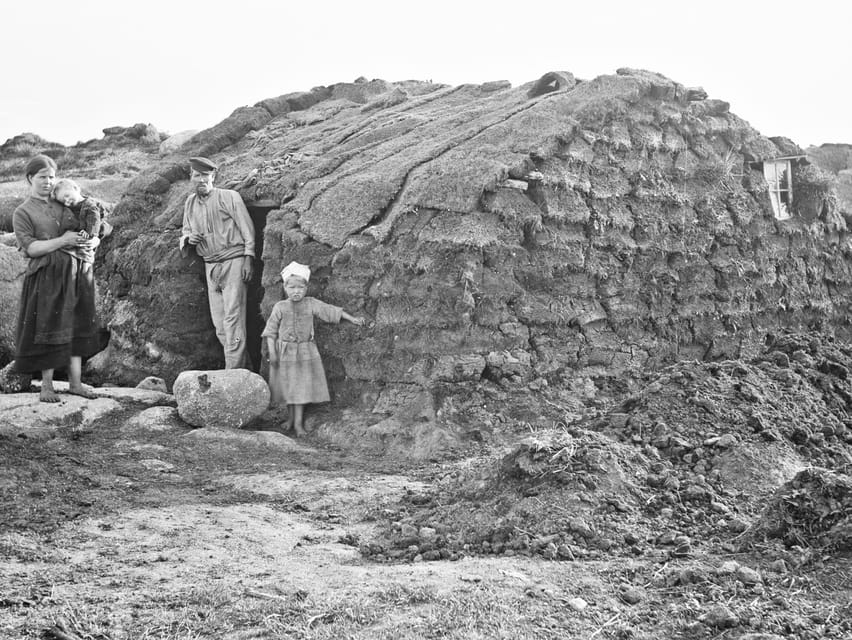
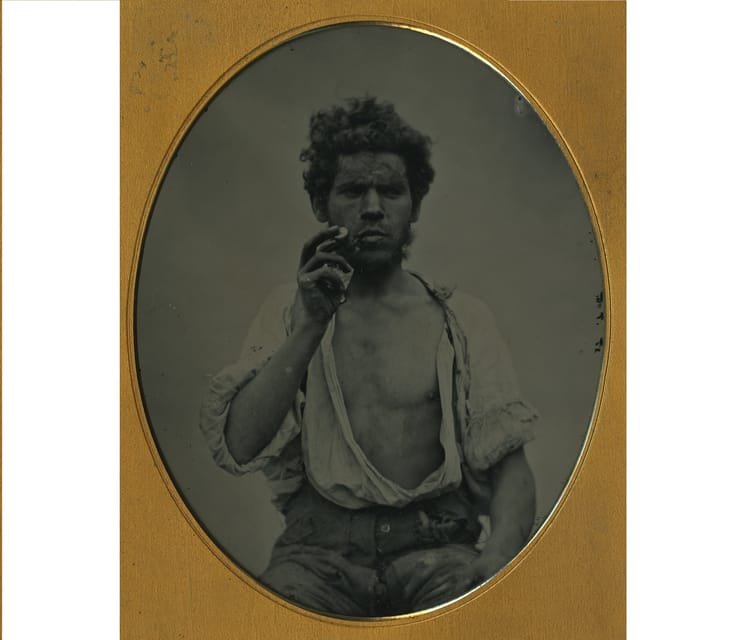
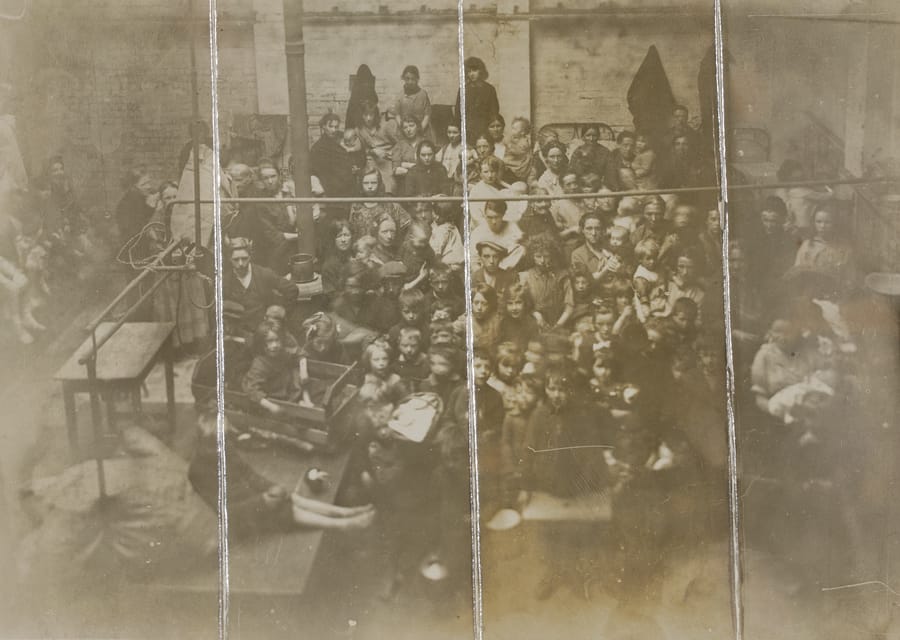
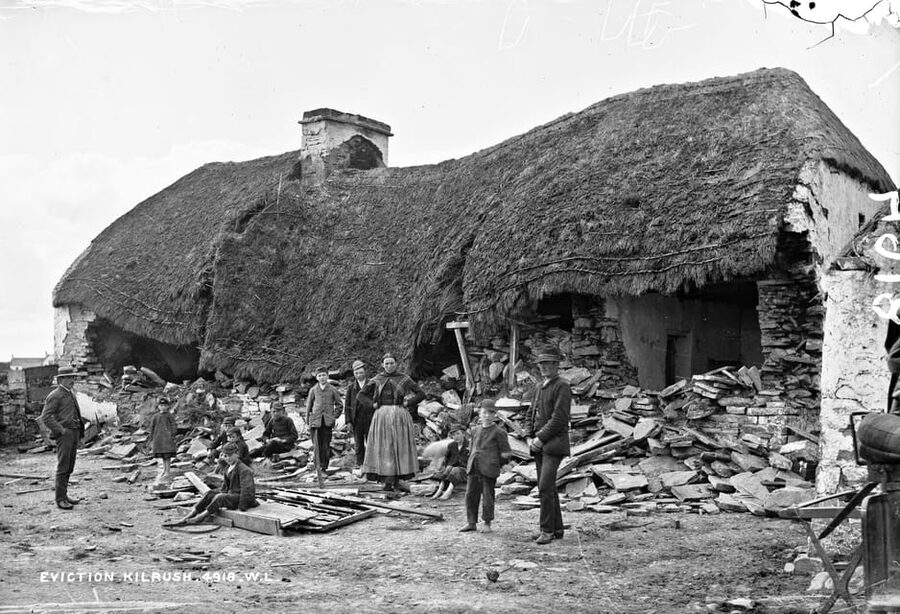
The rare 19th-century photographs are among the most useful parts of the visit. A photograph can make the period feel less remote than a paragraph of dates and statistics.
These images help place real people and places beside the broader explanation. They are not just decoration. They give you a visual record of Ireland during a period when poverty, displacement, and social inequality were not abstract ideas.
Photography from the period is a reminder that the famine belongs to the modern era, not some distant medieval past. That can be a powerful correction to the way major disasters are sometimes reduced to numbers.
You should give the photographs time rather than treating them as a quick corridor display. Their value is strongest when you connect them to the storyboards and the original written material nearby.
Original newspapers, letters, and the soup pot
The exhibition includes two original newspaper articles describing the catastrophe. These provide a period voice and show how the crisis was recorded at the time.
There are also two personal letters. One was written by a tenant to a landlord, and another went from a father to his son. These are especially important because they bring the crisis down to the level of family, rent, responsibility, and fear.
A letter between tenant and landlord can help you think about the unequal relationship at the heart of rural Ireland. The letter from father to son brings a different kind of weight, since famine and emigration broke apart families and communities.
The original cast iron soup pot is another small but telling object. It connects the large political and economic story to the practical question of how relief food was prepared and distributed. Compared with a wall of text, one physical object can give the subject a firmer presence.
These original items are a major reason I would choose this exhibition over a purely digital presentation. The collection is not enormous, but the objects have a clear purpose.
The 15-minute film and translation manual
The 15-minute overview film is useful if you want the main story in one sitting. You can watch it from the provided seating, then use the storyboards to examine particular subjects in more detail.
You can also reverse the order. Read the displays first, then watch the film as a recap. Since the visit is self-paced, you are not locked into a single route.
A translation manual is included in French, German, and Italian. The supplied information also lists French twice, so if you need a specific language, confirm the available version at the entrance. No audio guide or live guide is specified, so the manual and written displays are the main language support.
The film includes the exhibition storyboards in a separate USB format available for purchase at reception, with suitable mood music and the 15-minute overview film included. A book is also available to buy. Neither the book nor the USB is included in the $16 ticket, so treat them as optional souvenirs rather than part of the admission.
Is $16 a fair price for one hour?
At $16 per person, this is not the cheapest possible history stop in Dublin, but the price is reasonable if you want a focused introduction to the famine with original material.
You are paying for a contained exhibition rather than a large national museum. The visit lasts about an hour, and the collection is modest in size. If you expect a full-day museum with dozens of galleries, you may find the admission high.
The value improves if you care about primary sources. Two original newspaper articles, two personal letters, a cast iron soup pot, rare photographs, storyboards, and a film give the visit more substance than a simple poster display.
The location also helps. Because the exhibition is above a central shopping centre, you can add it to an existing Dublin itinerary without losing much travel time. For a short city break, that practical convenience matters.
The price is easiest to justify for visitors who want historical context before seeing other famine-related sites in Ireland. It gives you a basic framework for understanding why the famine remains such a sensitive subject.
Who should book this Dublin exhibition?
I would recommend it to you if you want a compact introduction to Irish history, especially if you prefer reading and original objects to a long guided tour.
It suits:
- First-time visitors who want context for Ireland’s later emigration and political history
- Families with older children who can handle a serious subject
- History-minded visitors who value letters, newspapers, photographs, and artifacts
- People with only an hour to spare in central Dublin
- Anyone looking for an indoor activity open daily from noon to 6 p.m.
You should think twice if you want a lively guide, outdoor scenery, or a broad museum collection. There is no named guide or live commentary listed, and the experience depends on reading the storyboards and watching the film.
The subject may also feel too heavy if you are looking for a cheerful activity. The exhibition deals with starvation, disease, eviction, poverty, and death in a straightforward way.
Practical details that make the visit easier
Allow at least one hour, and arrive with enough time to find the correct entrance. The Grafton Street route is simple once you know to use the elevator on the right, about 20 metres inside the main entrance.
The exhibition is wheelchair accessible. Seating is available in each room, as well as for the film, so you do not have to remain standing while reading.
The ticket is valid for 180 days, which gives you flexibility if your plans are not fixed. You can reserve now and pay later, and cancellation is free up to 24 hours in advance for a full refund.
The activity finishes where it begins, at the exhibition. There is no transport element and no separate meeting point elsewhere in Dublin.
Should you book the Irish Famine Exhibition?
Book it if you want a serious, clearly arranged introduction to the Irish Famine and you value primary sources over spectacle. The rare photographs, original letters, newspapers, soup pot, and short film give the one-hour visit a firm historical purpose.
The $16 price is fair for a central, wheelchair-accessible stop with a self-paced format, though you should not expect a major museum or a guided tour. I would place it on a Dublin itinerary when you want context, a quiet indoor activity, and a better understanding of how hunger, land, disease, eviction, and emigration became one national catastrophe.
FAQ
Where is the Irish Famine Exhibition located?
It is in unit 200b on the top floor, or second floor, of Stephens Green Shopping Centre in Dublin.
How do I find the exhibition from Grafton Street?
Enter through the main entrance on Grafton Street. An elevator is about 20 metres inside on the right. Go to the second floor and turn left.
What are the opening hours?
The exhibition is open every day from 12 p.m. to 6 p.m.
How long should I allow for the visit?
Allow at least one hour. The exhibition also includes a 15-minute overview film.
What does the entry ticket include?
The ticket includes entry to the Irish Famine Exhibition and a translation manual in French, German, and Italian.
Are the book and USB included?
No. The book and USB are available to purchase separately at the reception desk.
Is the exhibition wheelchair accessible?
Yes, the exhibition is wheelchair accessible.
Can I cancel the booking?
Yes. You can cancel up to 24 hours in advance for a full refund.
How long is the ticket valid?
The ticket is valid for 180 days. Check availability for current starting times.
Just added around Dublin
- Dublin: Irish Coffee Masterclass at the Irish Whiskey Museum★ 4.6 · 279 reviews
- Dublin: Skip-the-Line Little Museum of Dublin Ticket★ 4.6 · 161 reviews
- Dublin: Irish Whiskey Museum Blending Tour with Tastings★ 4.6 · 378 reviews
- Dublin: National Wax Museum Plus Entrance Tickets★ 4.0 · 367 reviews
- Dublin: Irish Rock ‘N’ Roll Museum with Tour in English★ 4.7 · 123 reviews
- Dublin: EPIC Museum and Jeanie Johnston Entry Ticket★ 4.8 · 69 reviews
- Irish Whiskey Museum: Whiskey Blending Experience★ 5.0 · 577 reviews
- Dublin: EPIC Museum Entrance Ticket★ 4.6 · 816 reviews
Museum Tours in Dublin, compared.

Dublin Hop-On Hop-Off Bus Tour with Guide and Little Museum Entry
Read our review →
Dublin Irish Whiskey Museum and Gallery Guided Tour with Tasting
Read our review →
The Little Museum of Dublin Famous Guided Tour
Read our review →

Giant’s Causeway with the Titanic Exhibition and the best of Northern Ireland
Read our review →
Browse the lists this tour appears in