
Review · PALACE MUSEUM
HCM: War Remnants Museum & Independence Palace Walking Tour
Ho Chi Minh City’s War Remnants Museum and Independence Palace tell two very different parts of the same story. One is an emotional museum filled with war photographs, military equipment, and difficult evidence of suffering. The other is a preserved government building where the events of April 1975 brought the fall of Saigon.
I like the $9 price and the short, practical format. You get entrance fees, a walking guide, and two major sights in about two hours, with several start times and same-day booking available. I also like the small-group limit of 10, which gives you a fair chance to ask questions. The main drawback is that the museum can be intense, and some guides introduce the exhibits before leaving you to explore them alone.
Key points to know before booking
- Two major sites in two hours: Allow roughly one hour for the War Remnants Museum and one hour for Independence Palace.
- A Vietnamese view of the war: The museum presents the conflict and its human cost from Vietnam’s perspective.
- Guides make the difference: Dickies, Sunny, Tyson, Spike, Phat, and Lily are among the guides praised for clear English and thoughtful explanations.
- Meet in District 1: The group gathers at Trung Nguyên Legend Café, 12 Alexandre de Rhodes.
- Good value for a short city break: At $9 per person, this is an easy way to fill a morning or afternoon without arranging transport.
- Expect walking and serious subject matter: Wear light clothing, bring water and sun protection, and be ready for graphic photographs.
Why these two sites belong together
If you have only a few hours in Ho Chi Minh City, this tour makes a sensible historical pairing. The War Remnants Museum shows the human cost of conflict. Independence Palace shows the political and military setting in which South Vietnam’s government operated.
The two places also offer different kinds of learning. At the museum, you move through photographs, displays, and outdoor military hardware. At the palace, you walk through formal rooms, private apartments, underground bunkers, and communication areas. One place asks you to confront suffering. The other lets you see how power worked behind closed doors.
I find that contrast useful. The museum can feel overwhelming if you visit without any background. A guide can explain key events, political groups, and the meaning of the exhibits before you start looking around. Then the palace gives you a physical sense of the period, with rooms and facilities connected to the government of South Vietnam.
The tour is not a neutral presentation in the style of a textbook. The museum presents the war from the Vietnamese point of view, which is exactly why it is worth visiting. If you come from a country that usually teaches the conflict through an American or Western lens, you should expect different language, different emphasis, and a much stronger focus on civilian suffering.
More palace museums in the world:
- Istanbul: Topkapi Palace & Harem Museum Ticket & Audio Guide
★ 4.1 · 3,977 reviews - Venice’s Best: Basilica, Doge’s Palace, Gondola & History Gallery
★ 4.5 · 2,478 reviews - Royal Palace & Prado Museum Skip the Line Guided Tour
★ 4.5 · 1,347 reviews
Starting at Trung Nguyên Legend Café
The meeting point is Trung Nguyên Legend Café at 12 Alexandre de Rhodes in Bến Nghé, District 1. You should look for a guide wearing a TripGuru shirt or holding a TripGuru sign.
This is a central meeting point, but pay close attention if you use Grab or Gojek. The instructions specifically warn you to check that the app has the correct pin and address. A small mistake here can waste the short time you have before the tour begins.
The tour does not include hotel pickup or drop-off. You make your own way to the café, then continue on foot with the group. That keeps the price low, but it also means you should allow time to reach the meeting point and avoid arriving at the last second.
The guide may be assigned shortly before the activity or vary by departure. Names praised for this experience include Dickies, Sunny, Tyson, Spike, Phat, Lily, Alex, and Tea. The strongest pattern is clear: the guide’s ability to explain the past in simple English is a major part of the value.
The War Remnants Museum: powerful, graphic, and one-sided by design
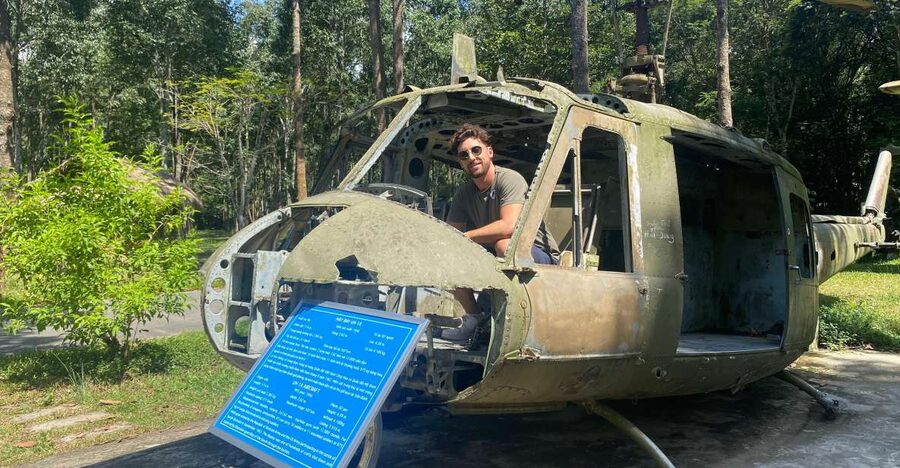
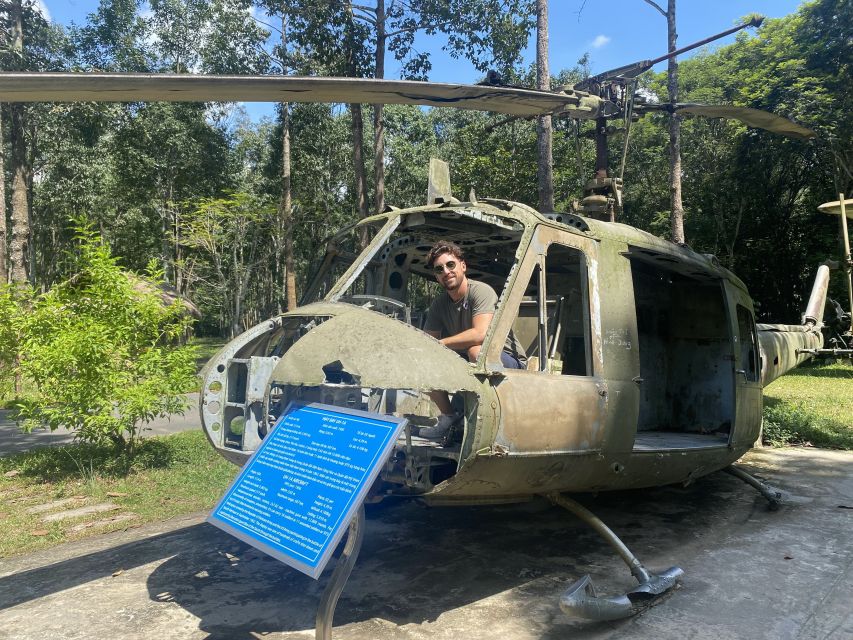
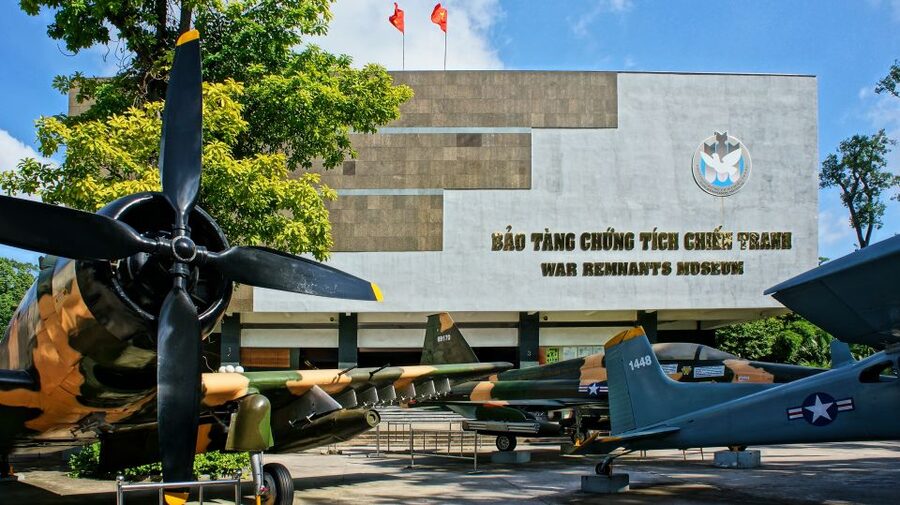
The War Remnants Museum is the more emotionally demanding stop. You can expect photographs, written displays, military vehicles, and material about the effects of the Vietnam War on the Vietnamese people.
Some exhibits are graphic. The photographs deal with death, injury, displacement, and the long-term effects of war. You should not treat this as a light sightseeing stop or a quick collection of old military objects. It asks you to look carefully at what war did to ordinary people.
The museum’s viewpoint is Vietnamese, and that is important to understand before you enter. The displays place strong weight on war atrocities and the damage caused by foreign military involvement. A guide can help you place the exhibits in a wider political setting, but you should still expect the presentation to be direct and emotionally charged.
The tour allows about one hour here. That is enough to see a useful portion of the museum, but not enough to study every display in detail. Several guides appear to give an introduction, explain important areas, and then allow you to continue at your own speed. I think this arrangement works reasonably well because the museum is dense and personal. You may prefer quiet time with the photographs rather than a running commentary in every room.
One practical point: if you want a fully guided explanation of every exhibit, confirm the exact format at the start. The advertised service includes a professional English or Vietnamese-speaking guide, but the way the museum portion is handled can differ. Some visitors receive a clear orientation and then free time to browse.
The museum is also a useful place to ask questions about language and viewpoint. Guides such as Dickies and Tyson have been praised for answering questions about the war, Vietnamese politics, and local culture in a patient way. Sunny and Phat have also been singled out for friendly explanations and clear communication.
Do not rush past the outdoor displays. The military hardware gives the museum a physical scale that photographs cannot. At the same time, the vehicles and equipment can make the conflict feel like a collection of machines unless you keep the human stories in mind.
Independence Palace: rooms, bunkers, and the fall of Saigon
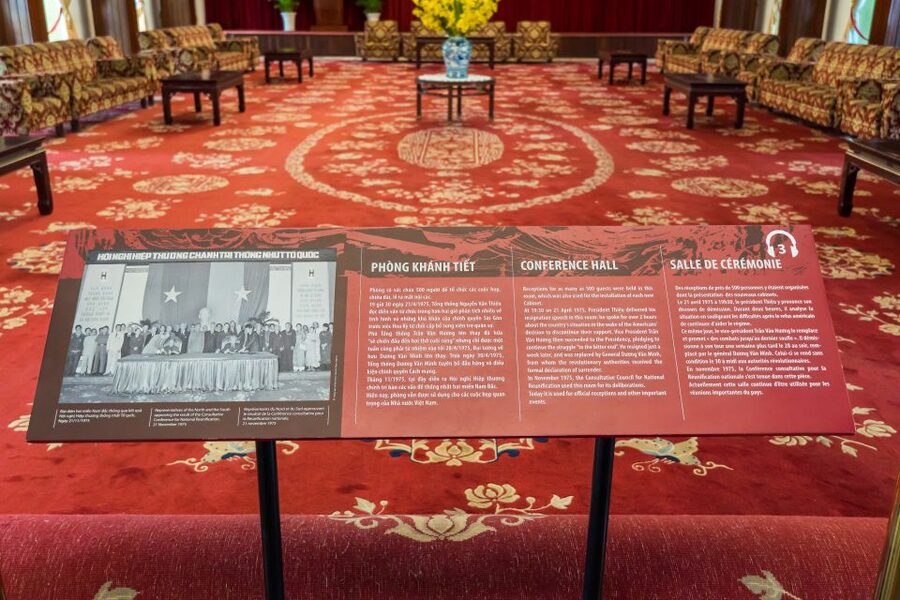
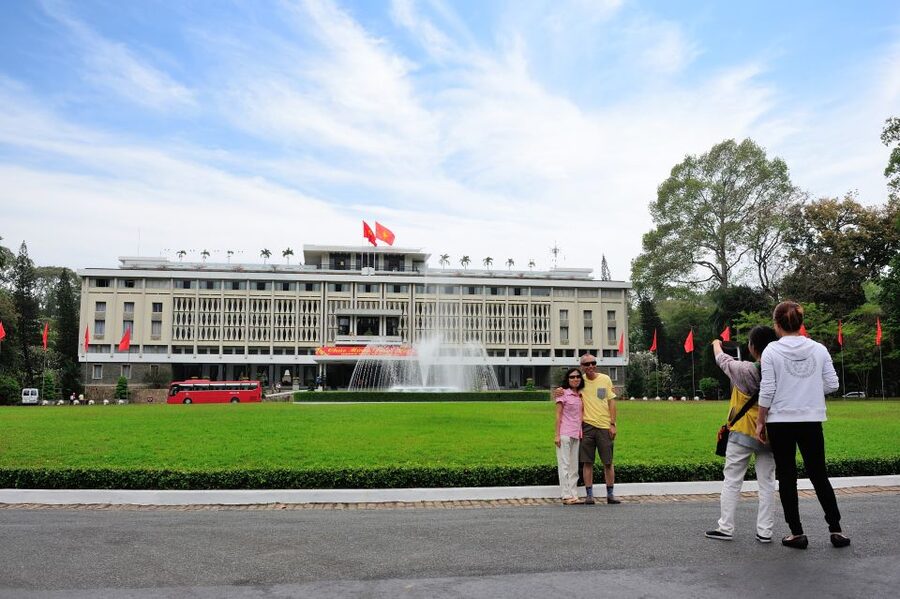
Independence Palace, also known as Reunification Palace, offers a sharp change in mood. It was a major government building in Saigon, and its connection with the fall of Saigon in 1975 makes it one of Ho Chi Minh City’s most important historic locations.
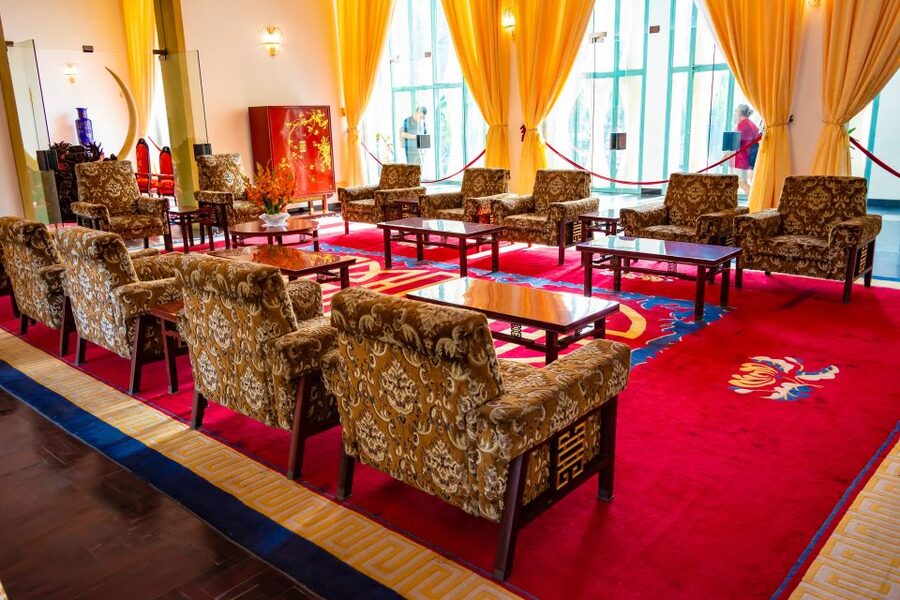
Inside, you can expect formal state rooms, private apartments, underground bunkers, and communication rooms. The building’s layout helps you understand the difference between public ceremony and wartime command. Upstairs, grand rooms show how the government presented itself. Below ground, the bunkers and communications areas point to the pressure and uncertainty of the conflict.
This is where a guide can add real value. It is easy to walk through a preserved building and see only furniture, carpets, and old offices. A good guide explains what each room was used for, who worked there, and how the building functioned during the war.
Dickies has been praised for explaining room uses, designs, and the palace’s political setting in detail. Tyson has been praised for answering questions from memory and giving enough background without making the visit feel like a lecture. Lily, Sunny, and Phat have also received strong praise for their clear explanations and friendly manner.
The palace is less emotionally graphic than the museum, but it is not simply an architectural visit. Its importance comes from the events linked to the building. The palace helps you connect political decisions with the physical place where officials worked, communicated, and responded to military events.
The usual plan allows about one hour here. That is a sensible amount of time for the main rooms and underground areas, especially if you want a focused introduction rather than a slow, detailed architectural study. One useful warning: a past departure encountered a palace closure. Historic sites can occasionally be unavailable, so the exact route may change if that happens.
A few more museum visits around the world worth comparing
- Acropolis monuments & Parthenon Walking Tour with Optional Acropolis Museum
★ 5.0 · 2,678 reviews - Frida Kahlo VIP [Museum Tickets Included] Walk, Markets & Churros
★ 5.0 · 982 reviews - French Quarter Walking Tour With Comp 1850 House Museum Admission
★ 5.0 · 781 reviews - Sydney Cricket Ground (SCG) and Museum Walking Tour
★ 4.9 · 616 reviews
A walking tour that saves time, but not effort
The total duration is listed as two hours, with one hour at each site. That makes this a useful morning or afternoon activity. One group finished around 12:30 after a morning start and had time to go for lunch. You could also use it as a compact introduction before spending more time at one of the sites on your own.
The walking element is manageable for many people, but this is not a seated sightseeing tour. You walk between the meeting point and the attractions, move through large buildings, and spend time standing. Ho Chi Minh City’s heat can make a short walk feel longer, particularly around midday.
Bring sunglasses, a hat, sunscreen, insect repellent, a camera, cash, and comfortable clothes. Light, breathable clothing and a personal fan can be useful in hot weather. You should also wear shoes that are comfortable for walking and standing, although the supplied information only specifically requires comfortable clothing.
The tour is not suitable for children under seven, pregnant women, people with mobility impairments, or wheelchair users. That limitation matters because the route involves walking and historic buildings that may not suit every visitor.
Small groups and the guide factor
The small-group format is limited to no more than 10 people. That is a strong feature at this price. A very large group can make it hard to hear explanations or ask about sensitive subjects. With fewer people, a guide can adjust the pace and make room for questions.
The guide quality appears to be the most praised part of the experience. Dickies is repeatedly described as friendly, well informed, and able to explain history without becoming dull. Sunny is praised for being patient, warm, and willing to answer questions. Tyson is described as especially strong on both sites and on wider Ho Chi Minh City history.
Other guides named in the feedback include Spike, Phat, Lily, Alex, Tea, Lyn, Allen, Soli, and Pham Chau. You cannot choose a particular guide from the information provided, so book this tour for its structure and price, not on the promise of getting one specific person.
English and Vietnamese are the listed guide languages. Several guides have been praised for clear English, but individual speaking styles naturally vary. If you have a long list of detailed historical questions, tell the guide early. That helps the tour become a conversation rather than a fixed speech.
Is $9 good value?
Yes, especially if you want a quick introduction. The $9 price includes the walking tour, entrance fees, and an English or Vietnamese-speaking guide. You do not need to pay for separate admission to the two main sites, although meals, drinks, hotel transfers, and personal spending are not included.
The value comes from the combination. Visiting both places independently may give you more time, but you would need to arrange the route, buy the tickets, and build your own background knowledge. Here, the guide provides context and keeps the visit moving.
There are limits. Two hours is short for a museum this serious and a palace this large. You may leave wanting more time at the War Remnants Museum, especially if you read every panel or want to examine the exhibits carefully. The free time at the museum can be a benefit, but it also means the tour may feel less guided than a private museum visit.
If you want the fullest possible experience, a private booking may be worth considering. One past visitor specifically preferred a private option to maximize the guide’s time. The small group already offers a more personal feel than a large bus tour, but a private guide gives you more control over pace and questions.
Booking flexibility and practical details
You can choose from several start times, and same-day bookings are accepted. That makes this particularly useful if you have a free gap in your schedule, arrive in Ho Chi Minh City without a firm plan, or want to fit a historical visit around lunch.
The activity offers reserve now and pay later, which helps if you are still arranging your city plans. You can cancel up to 24 hours in advance for a full refund. Check the available departure times before booking because the exact schedule can change.
The tour ends at the War Remnants Museum, even though the route includes Independence Palace. That is convenient if you want to continue looking around the museum after the guided portion or explore nearby District 1 independently. It also means you should not expect to be returned to your hotel or to the original café.
Who should book this tour?
I would choose this tour if you want historical context but have only half a day. It suits first-time visitors, people interested in modern Vietnamese history, and anyone who prefers a guide to explain the political background before they enter the sites.
It also works well for visitors who value flexibility. The range of start times, last-minute availability, and two-hour format make it easy to fit into a busy Ho Chi Minh City schedule.
You should think twice if you dislike graphic war photography, need wheelchair access, or want a slow and highly detailed museum study. The subject matter is serious, and the pace is designed to cover two major sights rather than give you a full day at either one.
Final verdict: a smart short tour for serious history
I recommend this walking tour if you want to see the War Remnants Museum and Independence Palace without spending a full day or arranging every detail yourself. The price is excellent, the two sites complement each other, and a strong guide can turn a quick visit into a much clearer understanding of Vietnam’s recent past.
Go in prepared for difficult images and a Vietnamese point of view. Wear light clothes, arrive at the correct café, and keep your expectations realistic about the two-hour schedule. If you want a focused introduction with time to continue exploring on your own, book it. If you want every exhibit explained in depth, choose a private or longer visit instead.
FAQ
How long does the walking tour last?
The tour lasts two hours, with about one hour planned for the War Remnants Museum and one hour for Independence Palace.
Where does the tour meet?
The meeting point is Trung Nguyên Legend Café at 12 Alexandre de Rhodes, Bến Nghé, District 1, Ho Chi Minh City. Look for a guide wearing a TripGuru shirt or holding a TripGuru sign.
Where does the tour finish?
The scheduled finish point is the War Remnants Museum. Hotel pickup and drop-off are not included.
What languages are available?
The live tour guide languages are English and Vietnamese.
Is the entrance fee included?
Yes. Entrance fees and the walking tour are included in the price. Meals and personal expenses are not included.
Is the tour suitable for children or wheelchair users?
The activity is not suitable for children under seven, pregnant women, people with mobility impairments, or wheelchair users.
Just added around the world
- Girona, Figueres, Dalí Museum and Cadaqués Tour from Barcelona★ 4.5 · 36 reviews
- Football Club Barcelona Museum Immersive Tour Guided Visit★ 3.5 · 52 reviews
- Erotic Museum Admission Ticket with Audioguide★ 5.0 · 527 reviews
- Dali Museum and Costa Brava Small Group Day Trip from Barcelona★ 5.0 · 77 reviews
- Madrid by High-Speed Train with Prado Museum Private Tour★ 4.0 · 33 reviews
- Guitar Legends Hall: Entrance to the Immersive Rock Museum★ 5.0 · 25 reviews
- White Rabbit Museum: The Best Immersive Experience in Catalonia★ 5.0 · 538 reviews
- Private Dali Museum, Besalú & Girona Tour from Barcelona★ 5.0 · 15 reviews
Palace Museum Tours, compared.
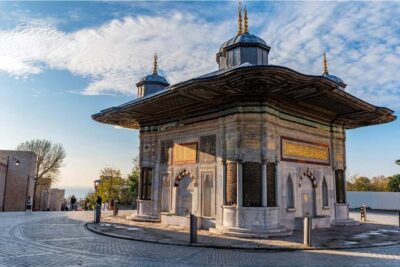
Topkapi Palace & Harem Museum Ticket & Audio Guide
Read our review →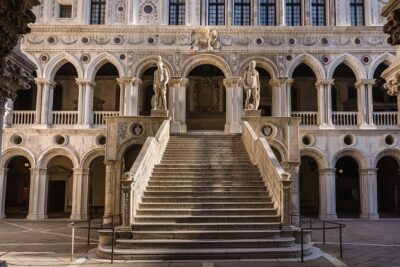
Venice’s Best: Basilica, Doge’s Palace, Gondola & History Gallery
Read our review →
Royal Palace & Prado Museum Skip the Line Guided Tour
Read our review →
City Pass with Museums including Doge’s Palace
Read our review →
Crete: Knossos Palace and Museum E-Tickets with Audio Guides
Read our review →
Venice Museum Pass & Doge’s Palace Entrance Ticket
Read our review →
Palace, Museum, Madrasa & Medina Highlights Tour
Read our review →Browse the lists this tour appears in