Review · TOURS
Fall of Yugoslavia, Sarajevo War Tour with Tunnel of Hope Museum and Frontlines
The Tunnel of Hope is the heart of this experience. You see the narrow passage that kept besieged Sarajevo connected to the outside world, then follow the route past Sniper Alley, war-damaged buildings, cemeteries, and former Olympic sites. It is a history tour, but one rooted in real streets and personal memory.
I like two things in particular: the tour gives you a clear introduction to the siege before you enter the tunnel, and the drive links the war sites with Sarajevo’s 1984 Olympic venues. Guides including Ayoub, Almir, Tarik, Ago, and Emin are praised for plain explanations and personal stories. The main drawback is emotional weight, plus the Tunnel Museum ticket costs extra and hotel drop-off is not included.
Key points to know before booking
- The Tunnel of Hope takes you inside Sarajevo’s wartime lifeline: The museum preserves part of the 800-meter passage used as the city’s only connection with the outside world during the siege.
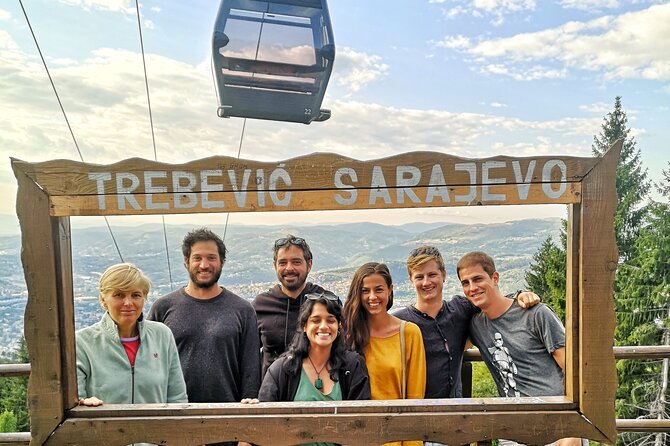
- You see Sarajevo from several useful angles: The Yellow Fortress, Trebević Vidikovac, and a defenders’ cemetery give you different views across the city.
- The route joins war history with the 1984 Winter Olympics: You visit the Olympic Stadium area and walk along the bobsleigh and luge track.
- Most of the tour is by vehicle: An air-conditioned car or minivan saves time on Sarajevo’s hills and lets you cover sites spread across the city.
- The subject is serious but the timing is manageable: The tour lasts about four hours, long enough for context without taking a full day.
- The price is strong for what is included: At $36.28 per person, transport, fuel, water, hotel pickup, and a local guide are included, but the museum entrance is extra.
Why this four-hour tour matters in Sarajevo
Sarajevo’s recent past is not tucked away in a distant museum. It is visible from apartment walls, mountain slopes, cemeteries, roads, and sports facilities. This tour helps you connect those pieces instead of seeing them as isolated sights.
The subject is the breakup of Yugoslavia and the Siege of Sarajevo, which lasted four years. You will hear about the forces that led to the conflict, how the city was surrounded, and what daily life became like under fire. The strongest guides explain the events in a clear order and leave room for questions rather than burying you in dates.
That matters because Sarajevo’s story can feel confusing at first. The tour gives you a framework before you arrive at the most difficult places. It also keeps the focus on people and locations, not only on military events.
The experience has a five-star rating from 1,314 reviews, with 100 percent recommending it. The most consistent praise is for the guides’ clear English, calm pacing, and personal connection to the war. Guides named in feedback include Ayoub, Almir, Tarik, Ago, Emin, Ejub, Kristian, Zahmet, and others. Your assigned guide may be different, but the operator uses a team with strong local ties.
A few more museum visits around the world worth comparing
- Vatican: Museums & Sistine Chapel Entrance Ticket
★ 4.5 · 144,003 reviews - Vatican Museums, Sistine Chapel & St. Peter’s Basilica Tour
★ 4.3 · 73,970 reviews - Paris: Louvre Museum Timed-Entrance Ticket
★ 4.6 · 71,977 reviews
Yellow Fortress: begin with Sarajevo below you
The tour opens at the Yellow Fortress, where you get one of the finest views across Sarajevo. This is a smart starting point because the city’s shape helps explain the siege. From the high ground, you can see how the surrounding hills overlook the urban valley.
Your guide introduces Sarajevo and the siege here, while pointing out an important defenders’ cemetery. The cemetery is not simply a passing landmark. Its position makes clear how closely the city’s residential areas and surrounding heights were connected during the fighting.
You have about 25 minutes at this stop, including admission. That is enough for the view, a short orientation, and questions. Bring a camera if you like, but give yourself time to listen. The view is attractive, yet the guide’s explanation changes how you read it.
Olympic sites and the city’s wartime scars
The route then circles Sarajevo’s Olympic complex. The 1984 Winter Olympics brought international attention and modern facilities to the city. A few years later, some of those same places became connected with violence, displacement, and loss.
You pass the destroyed children’s hospital and the grave associated with Sarajevo’s Romeo and Juliet. These are brief stops or drive-by sights rather than long museum visits, so listen closely as the guide explains what you are seeing.
The Stadium Cemetery is another important point on the route. A sports venue normally suggests crowds and celebration. Here, the surrounding memory is much darker. The stop helps show how Sarajevo’s public spaces were altered during the siege.
I appreciate this part of the tour because it avoids treating the Olympics and the war as two unrelated chapters. You see how quickly a city built for international sport could become a place marked by danger and mourning.
The Tunnel of Hope and its narrow museum passage

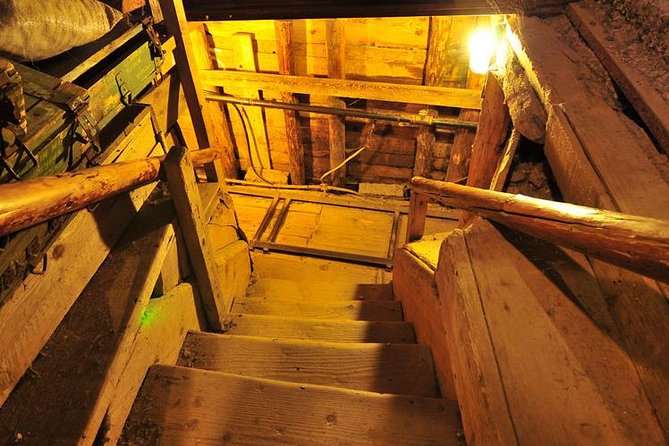
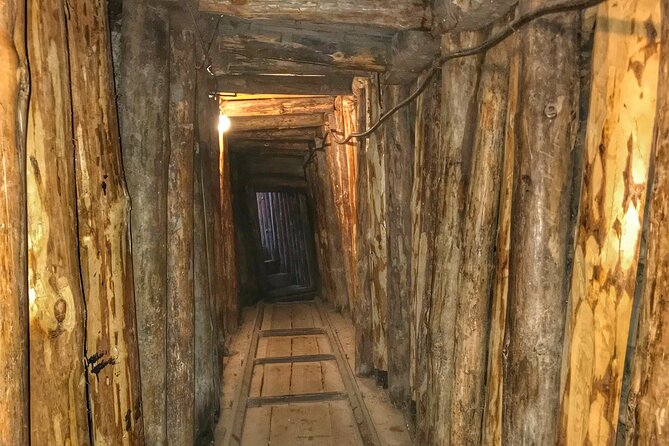
The Tunnel Museum is the central stop, with about an hour set aside for the visit. The original tunnel was about 800 meters long and served as the only entrance into Sarajevo during the four-year siege. It linked the surrounded city with territory beyond the blockade.
Today, only a section functions as a museum. The passage is narrow and basic. That simplicity is part of its force. You are not entering a polished attraction designed to entertain you. You are seeing a practical wartime route built under extreme pressure.
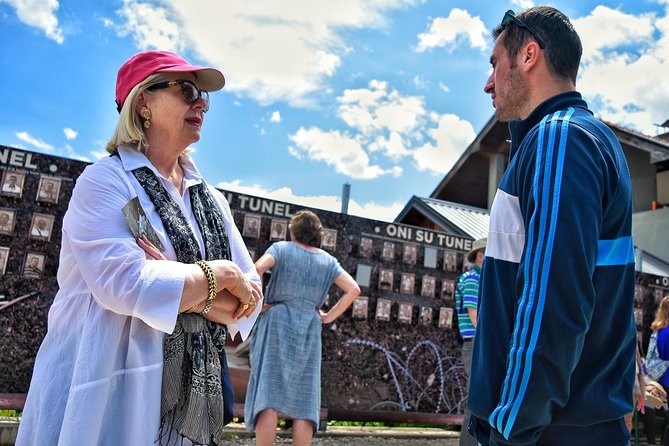
The guide’s context is especially useful here. Without it, the tunnel can seem small compared with the scale of the siege. With an explanation of its purpose, the cramped space becomes easier to understand. It carried people and supplies and offered a lifeline when normal roads were blocked or exposed.
The entrance fee is not included. Adults pay 15 BAM, while students pay 5 BAM with a valid student ID. This is a small extra cost, but you should know about it before booking. The museum is the one major paid sight on the route.
Allow for a serious mood. The tunnel and the stories around it can be upsetting, particularly if your knowledge of the siege is limited. I would not choose this tour as light sightseeing between meals. It is better suited to a day when you have the attention and energy for difficult material.
Same city, a completely different collection:
- Amsterdam: Van Gogh Museum Ticket
★ 4.7 · 52,054 reviews - Vatican Museums, Sistine Chapel & St Peter’s Basilica Guided Tour
★ 4.5 · 39,149 reviews - NYC: 9/11 Memorial & Museum Timed-Entry Ticket
★ 4.8 · 31,428 reviews - London: Tower of London and Crown Jewels Exhibition Ticket
★ 4.6 · 28,769 reviews
Sniper Alley, Holiday Inn, and Sarajevo’s exposed streets
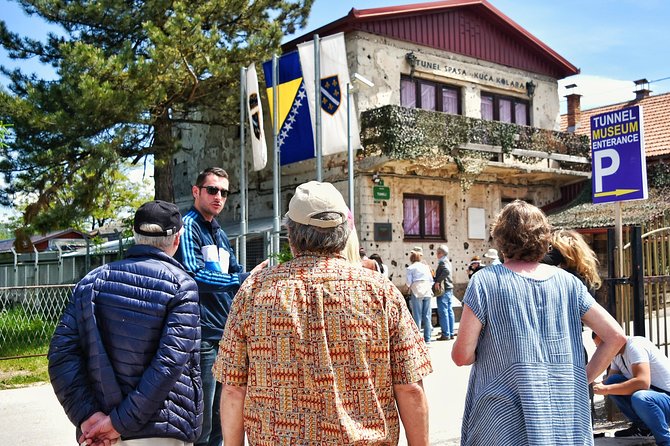
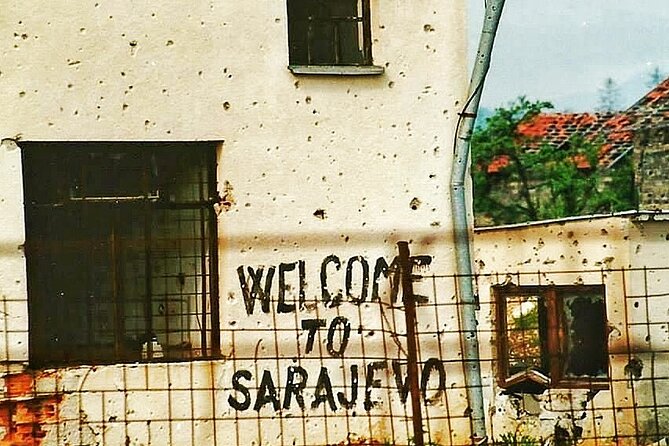
After the tunnel, the vehicle passes along Sniper Alley, the name given to a roughly four-kilometer street where snipers fired during the siege. You see buildings from the Yugoslav period that still bear signs of wartime damage.
This is one of the tour’s most useful features. You are not only hearing about a battlefield far from the city center. You are looking at ordinary urban streets where people once had to cross under fire. The buildings make the account concrete.
The route also passes the former Holiday Inn. During the siege, it housed journalists and visiting United Nations peacekeepers. Its location along Sniper Alley made it a well-known base for international reporting and aid work.
You should not expect a large collection of signs or a long walking tour here. Much of this section is viewed from the vehicle, with the guide pointing out locations and adding context. That arrangement lets you cover more ground, though people who prefer long stops at each site may find it brief.
Gavrilo Princip and the longer story of Sarajevo
The tour passes the chapel or mausoleum associated with Gavrilo Princip, the person who assassinated Archduke Franz Ferdinand. That 1914 assassination helped trigger the First World War, so this short stop reaches far beyond the 1990s conflict.
It is a useful reminder that Sarajevo’s history cannot be reduced to one war. The city has repeatedly found itself at the center of events with effects far beyond Bosnia and Herzegovina.
You will not spend the whole tour on the First World War. The main focus remains the breakup of Yugoslavia and the Siege of Sarajevo. Still, the Princip stop gives you a wider frame and helps explain why Sarajevo occupies such an important place in European history.
Trebević Vidikovac and the defenders’ cemetery
The tour climbs Trebević Mountain to a viewpoint known as Trebević Vidikovac. You get another broad panorama of Sarajevo, this time from a higher position outside the city.
The view is a welcome change after the heavier stops. It also adds practical geographic context. From the mountain, you can see the valley and understand why the surrounding heights mattered so much during the siege.
The itinerary allows about 15 minutes here, with no admission charge. That is enough for photographs and a short walk, but not a long mountain outing. Wear shoes that are comfortable for uneven ground, especially because the tour later includes the bobsleigh track.
A defenders’ cemetery is also part of the high-ground experience. The location combines remembrance with a view over the city, which can make this one of the most affecting moments of the tour. Some people will find the contrast powerful. Others may find it emotionally draining.
The abandoned Olympic bobsleigh and luge track
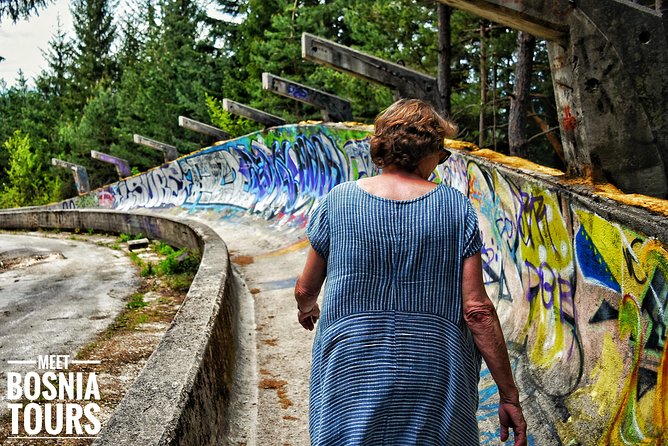
The Sarajevo Olympic Bobsleigh and Luge Track is the final major attraction. Built for the 1984 Winter Olympics, it is now one of Trebević’s best-known sights. The track also carries scars from the war, and its concrete curves and surrounding woodland create a striking contrast with the polished Olympic ideal.
You have about 20 minutes here, and admission is free. The stop usually involves walking along part of the track rather than taking a ride. It is not a functioning amusement attraction, so set your expectations accordingly.
This is a good ending because it gives the tour a different visual rhythm. After cemeteries, damaged buildings, and the tunnel, you are outside with room to walk and look around. One piece of practical advice comes from the tour experience itself: some arrangements may make it possible to continue from the bobsleigh area by cable car toward the old town, but that is not listed as an included part of this activity. Treat it as a possible separate plan, not a guaranteed finish.
What is included, and what the $36.28 price buys
At $36.28 per person, the price is reasonable for a four-hour guided tour with a vehicle covering sites across Sarajevo and Trebević. You receive:
- A professional local guide
- Hotel pickup
- Car or minivan transport
- Fuel surcharge
- Bottled water
- Air-conditioned transportation
The vehicle matters here. Sarajevo’s war sites and Olympic locations are spread across the city and hills, and walking between them would take far longer. A car also lets you see Sniper Alley and the Olympic complex without turning the day into a long uphill route.
The main extra is the Tunnel Museum entrance: 15 BAM for adults or 5 BAM for students with ID. Food and drinks are not included beyond bottled water, and hotel drop-off is not included. The activity ends at the central meeting point on Gazi Husrev begova Street.
The advertised maximum is 50 people, so group size can vary. Some experiences may be smaller, and that can make questions and personal stories easier to follow. If your group is large, sit where you can hear the guide clearly and ask for clarification when needed.
Timing, meeting point, and who should book
The official meeting point is Meet Bosnia Tours at Gazi Husrev begova 75, near the crossing of Mula Mustafe Bašeskije in central Sarajevo. The tour ends back there. Hotel pickup is included, but drop-off is not, so plan a short walk or local transport afterward.
The tour is offered in English and confirmation is sent at booking. It is near public transport, and most people can take part. The combination of vehicle travel and short walks makes it more manageable than a full walking tour, but the bobsleigh track and viewpoints still call for sensible footwear.
I would book this early in your Sarajevo stay. The route gives you a useful map of the city, including places you may want to revisit later. It also helps you understand the capital before visiting other museums or monuments.
This tour suits you best if:
- You want a clear introduction to the Siege of Sarajevo.
- You value personal stories and local explanation.
- You have only half a day for war history.
- You want to combine serious sites with Olympic landmarks and mountain views.
- You prefer vehicle transport over a long walking route.
It may not suit you if you want a cheerful sightseeing outing, extensive time inside every location, or a fully private experience. The subject is heavy, and some stops pass quickly because the route covers a lot of ground.
The cancellation terms are flexible if your plans shift: you can receive a full refund when canceling at least 24 hours before the start time. Changes or cancellations inside that window are not accepted for a refund.
Should you book the Sarajevo war tour?
I would book it if you want to understand Sarajevo rather than simply photograph it. The Tunnel of Hope, Sniper Alley, cemeteries, Olympic venues, and mountain views form a strong four-hour introduction to the city’s recent past.
The best reason to choose this tour is the guide-led context. Names such as Ayoub, Almir, Tarik, Ago, and Emin appear in the tour team’s feedback, and the strongest accounts describe guides who answer questions carefully and add family or personal memories. Your guide may be someone else, but personal connection is clearly part of the experience.
Book it early in your stay, bring 15 BAM for the museum if you are an adult, and allow yourself some quiet time afterward. If you can handle a serious subject and want an efficient route through Sarajevo’s wartime sites, the value is very good.
FAQ
How long does the Sarajevo war tour last?
The tour lasts approximately four hours.
What is the main focus of the experience?
The main focus is the fall of Yugoslavia and the Siege of Sarajevo, including the Tunnel of Hope, Sniper Alley, wartime cemeteries, damaged buildings, and locations connected with the conflict.
Is the Tunnel Museum entrance included?
No. The adult entrance fee is 15 BAM. Students pay 5 BAM with a valid student ID.
What other sights are included?
The route includes the Yellow Fortress, Sarajevo’s Olympic complex, the destroyed children’s hospital, the Stadium Cemetery, Sniper Alley, the former Holiday Inn, the Gavrilo Princip chapel or mausoleum, Trebević Vidikovac, and the Olympic bobsleigh and luge track.
Is hotel pickup available?
Yes. Hotel pickup is included, but hotel drop-off is not. The tour ends at the central meeting point.
Where does the tour start and finish?
It starts at Meet Bosnia Tours, Gazi Husrev begova 75, near the crossing with Mula Mustafe Bašeskije in Sarajevo. It ends back at the same meeting point.
Just added around the world
- Girona, Figueres, Dalí Museum and Cadaqués Tour from Barcelona★ 4.5 · 36 reviews
- Football Club Barcelona Museum Immersive Tour Guided Visit★ 3.5 · 52 reviews
- Erotic Museum Admission Ticket with Audioguide★ 5.0 · 527 reviews
- Dali Museum and Costa Brava Small Group Day Trip from Barcelona★ 5.0 · 77 reviews
- Madrid by High-Speed Train with Prado Museum Private Tour★ 4.0 · 33 reviews
- Guitar Legends Hall: Entrance to the Immersive Rock Museum★ 5.0 · 25 reviews
- White Rabbit Museum: The Best Immersive Experience in Catalonia★ 5.0 · 538 reviews
- Private Dali Museum, Besalú & Girona Tour from Barcelona★ 5.0 · 15 reviews
Tours, compared.

Vatican Museums, Sistine Chapel & St. Peter’s Basilica Tour
Read our review →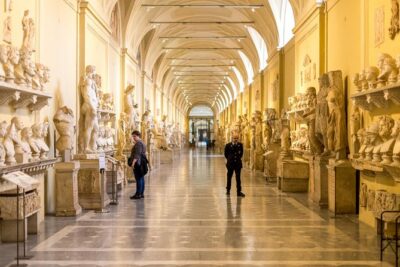
Vatican Museums, Sistine Chapel & St Peter’s Basilica Guided Tour
Read our review →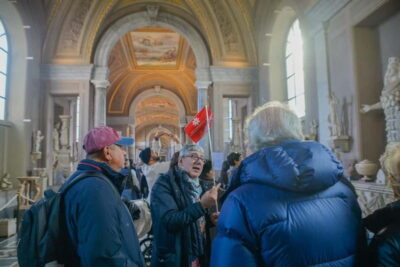
Vatican Museums, Sistine Chapel and Basilica Tour
Read our review →
Vatican Museums, Sistine Chapel & Basilica Tour
Read our review →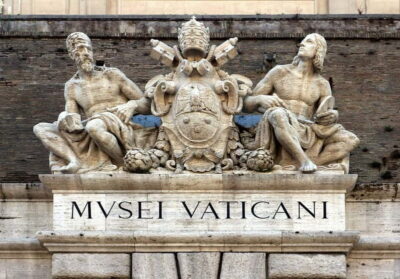
Vatican Museums & Sistine Chapel Guided Tour
Read our review →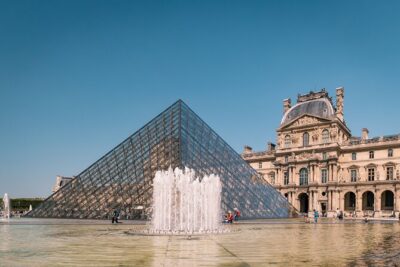
Louvre Museum Masterpieces Guided Tour with Access
Read our review →
Old Town, Creek, Museums, Souks, & Street Food Tour
Read our review →