
Review · ROME
Borghese Gallery Small group tour and skip.the-line entrance
The real prize here is the Borghese Gallery collection, displayed inside a lavish villa built to house one man’s passion for art. In two hours, you can move from Bernini’s dramatic marble to Caravaggio’s sharp shadows, Raphael’s calm portraits, and Canova’s famous reclining Venus.
I like the small group limit of 15, which gives the guide a better chance to keep everyone together. I also like the reserved entry and headsets, two small details that matter in a grand but busy museum. The main concern is meeting up: one recent tour began late after a confusing meeting arrangement and an abrupt time change.
Key points to know
- Bernini takes center stage, with major sculptures including The Truth, the Scipione Borghese Bust, and several self-portraits.
- Caravaggio’s group of paintings is a major draw, including David with the Head of Goliath, Boy with a Basket of Fruit, and St. Jerome.
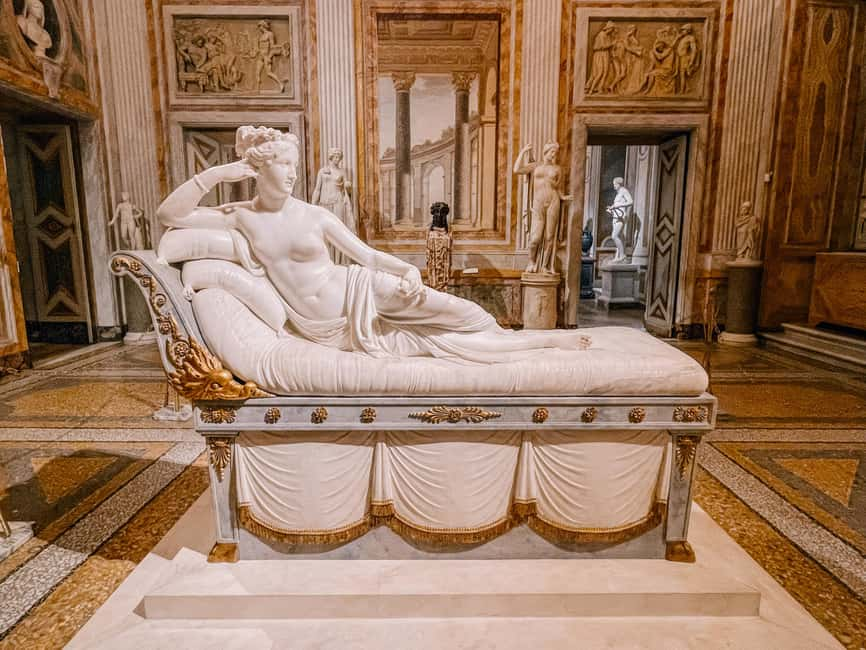
- Canova’s Paolina Borghese appears as Venus, reclining in a pose that caused a stir when first shown.
- The group is capped at 15 people, a useful size for an art-focused visit.
- Headsets and radios help you hear the English-speaking guide in the museum rooms.
- Bring your passport or ID card, and meet in front of the museum entrance at Piazzale del Museo Borghese.
Why the Borghese Gallery feels different
Rome has grand museums, but the Borghese Gallery has a more personal feel. The building was created in the early 17th century by Scipione Borghese, nephew of Pope Paul V, specifically to display his collection.
That matters because the art is not simply placed in a neutral gallery. The rooms, decoration, sculpture, and paintings were planned to impress visitors together. You see art in a setting that was designed for art, not in a former railway station or a modern exhibition hall.
Scipione Borghese collected with unusual purpose and enthusiasm. The villa was known as the Villa outside Porta Pinciana, and the collection helped make it one of Rome’s earliest museum-like spaces, long before the modern museum became a standard idea.
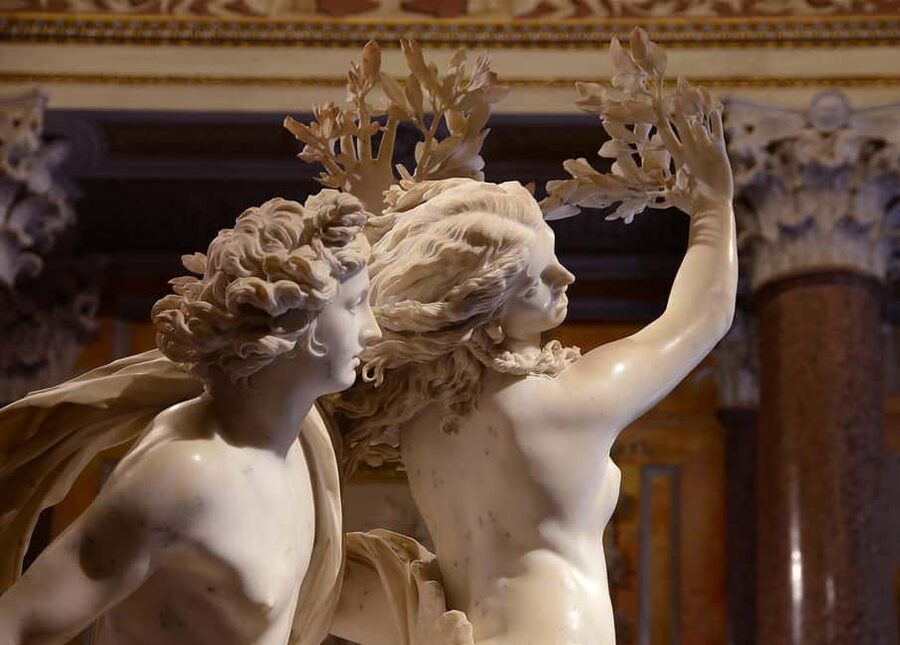
I find this setting especially useful for understanding Bernini. His sculptures were not meant to look like quiet objects in a white box. They were made to surprise you as you enter a room, catch the light, and make marble appear soft, tense, or alive.
The tour lasts two hours, so you will not see every detail of the building or every artwork at leisure. That is the tradeoff. You get a focused route through the main works rather than an afternoon of wandering.
More Museum Tours in Rome
- Vatican Museums, Sistine Chapel & St. Peter’s Basilica Tour
★ 4.3 · 73,970 reviews - Vatican Museums, Sistine Chapel & St Peter’s Basilica Guided Tour
★ 4.5 · 39,149 reviews - Rome: Vatican Museums, Sistine Chapel and Basilica Tour
★ 4.3 · 16,039 reviews
Meeting at Piazzale del Museo Borghese
The tour begins in front of the museum entrance at Piazzale del Museo Borghese. This is the one part of the experience where you should take extra care.
The meeting point is described clearly as the entrance, but one recent booking had trouble finding the guide. The guide was nearby but not directly at the stated spot, and there was no clear identifying sign. Another problem followed when the tour time changed suddenly by text, with little explanation.
I would arrive early and keep your phone available. Check the latest message before leaving for the gallery, and do not assume that being near the museum means you have found the group. The tour provider is Rome With Silvia, and guides named Sylvia, Lia, and Vincenza have led some departures.
Once the group is together, the process should be much easier. The reservation includes the entry ticket, and the group uses a separate entrance for priority access. That can save useful time, though it does not mean you can ignore the scheduled meeting time.
Bernini’s marble figures in their grand rooms
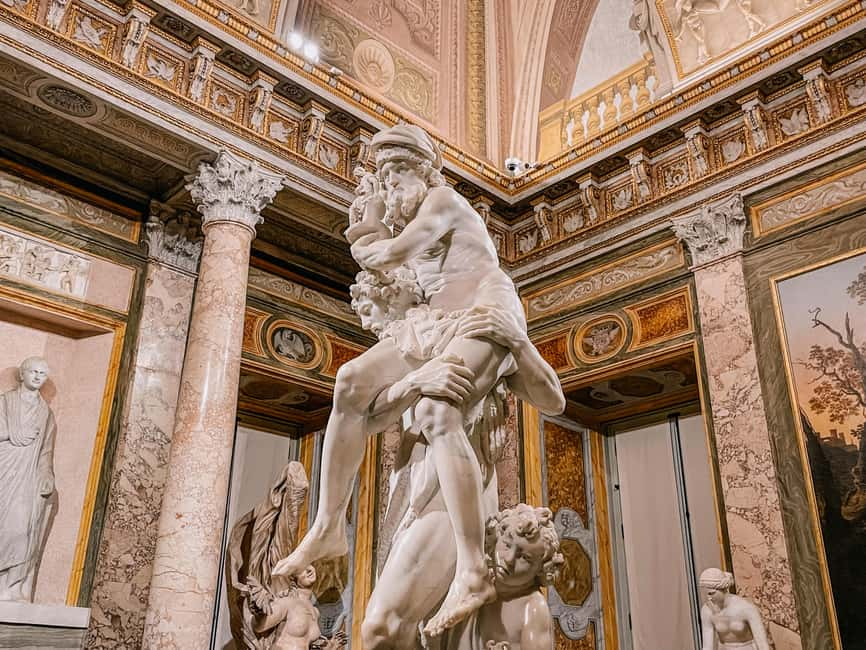
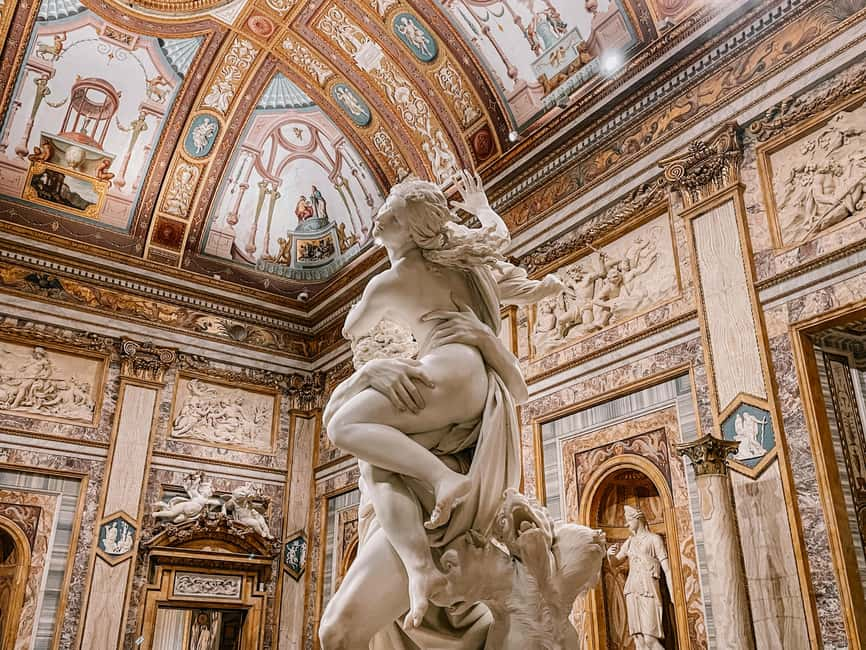
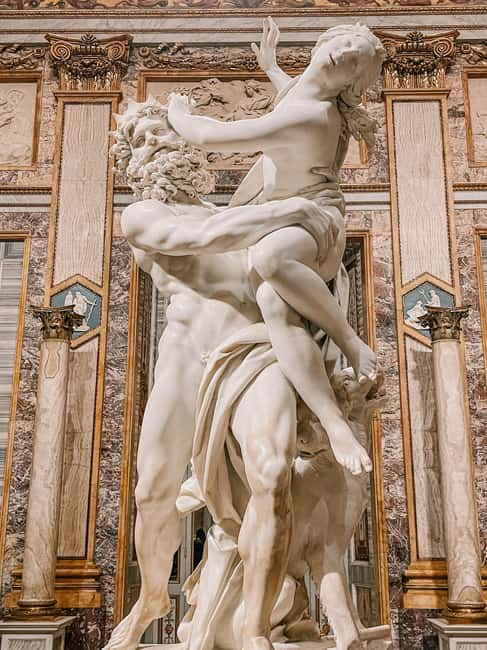
Bernini is the main reason many people choose this visit. The gallery holds several important works by Gian Lorenzo Bernini, including The Truth, the Scipione Borghese Bust, and a number of his self-portraits.
A guide adds real value here because Bernini’s sculptures reward close looking. You can study the way fabric folds, hair curls, and skin appears to stretch across stone. The figures are not passive decorations. They seem caught in a moment of action, thought, or emotion.
The Scipione Borghese Bust has a special connection to the building. This is a portrait of the collector himself, the man whose taste created the gallery. Look for the lively expression and the sense that the subject might speak or turn toward you.
The Bernini rooms can also be a useful lesson in power. Scipione was a cardinal and a major figure in papal Rome. Owning work by an artist of Bernini’s stature was not only a private pleasure. It showed influence, money, and access.
A two-hour route gives you enough time to appreciate the best-known pieces without getting lost in a long list of names. If you already know Bernini’s work, you may want more time with each sculpture. If his art is new to you, the guide can help you notice what makes the marble so convincing.
One recent departure was praised for its guide and for bringing Bernini’s work to life. Another visitor found the guide attentive but had trouble following her English. The headsets are meant to help, but guide communication can still vary from one departure to another.
Paolina Borghese and Canova’s polished Venus
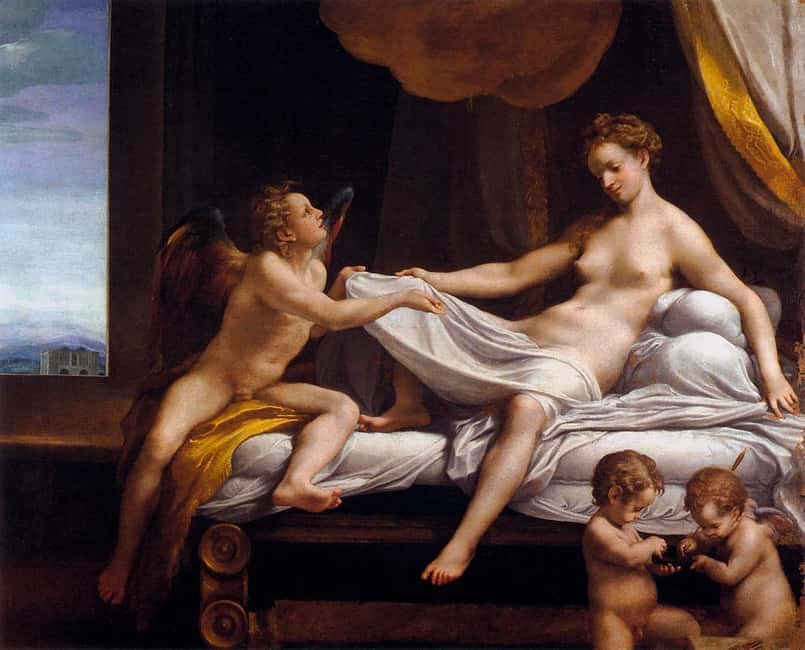
The Paolina Room holds Antonio Canova’s Paolina Borghese as Venus. It is one of the gallery’s most recognizable works and one of the most unusual portraits in the collection.
Paolina Borghese was the wife of Camillo Borghese. Canova shows her reclining on a dormeuse in the role of Venus, the Roman goddess of love. The figure is almost naked, which caused a stir when the sculpture was first displayed.
The work asks you to think about the line between portrait and performance. This is not simply a likeness of a noblewoman. Paolina is presented as a famous beauty and a mythic figure at the same time.
The sculpture also shows why the room matters. Marble can look cold and fixed, yet Canova makes the body appear soft and carefully posed. I would not rush past this work. Even if you prefer Bernini’s energy, Canova offers a different kind of skill, based on smooth surfaces, controlled balance, and ideal beauty.
The guide can provide the background that makes the piece more than a pretty statue. Without context, you might see only a reclining figure. With context, you can consider the social boldness of displaying a princess in this form.
A few more museum visits around Rome worth comparing
- Rome: Borghese Gallery Skip-the-Line Ticket & Audioguide
★ 4.3 · 4,318 reviews - Rome: Borghese Gallery Ticket + Audioguide or Guided Tour
★ 4.6 · 3,219 reviews - Rome: Borghese Gallery Guided Tour with Skip-the-Line Entry
★ 4.8 · 2,649 reviews - Rome: Borghese Gallery Skip-the-Line Tickets with Audioguide
★ 4.6 · 2,562 reviews
Caravaggio’s dark scenes and direct faces
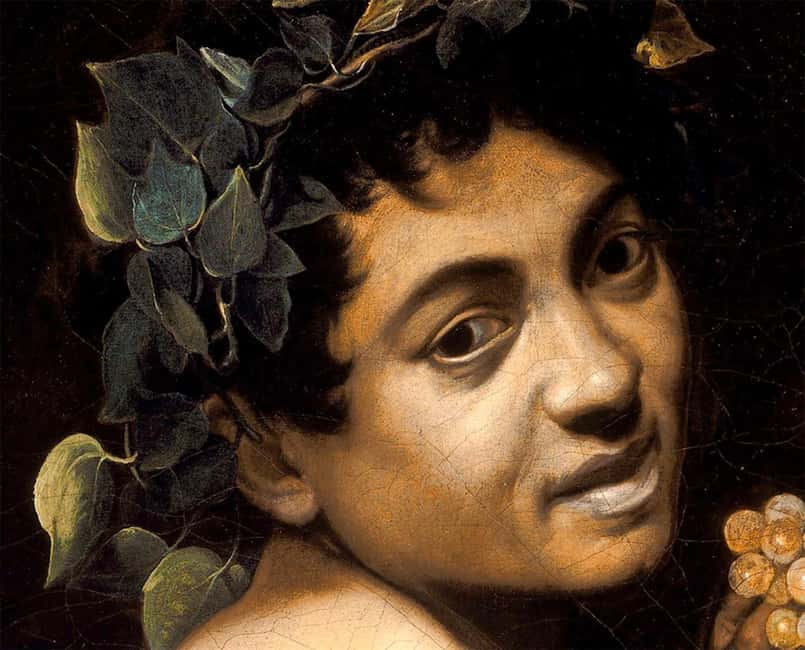
The gallery is known for a particularly strong group of Caravaggio paintings. The collection includes David with the Head of Goliath, Boy with a Basket of Fruit, St. Jerome, and a self-portrait as Bacchus, among others.
Caravaggio does not make his subjects feel distant. His people have ordinary faces, visible skin, and physical presence. Light cuts across the scene, pulling your attention toward a hand, a face, a wound, or a piece of fruit.
Boy with a Basket of Fruit is a good example of how Caravaggio could make a simple subject feel immediate. The basket is not just a symbol or a decorative extra. The fruit looks close enough to touch, with its own weight and flaws.
David with the Head of Goliath is more disturbing. It brings violence into the room without turning the scene into a grand battle. The painting invites questions about guilt, victory, and the identity of the severed head.
Caravaggio’s self-portrait as Bacchus adds another personal note. The artist appears within the myth rather than safely outside it. A guide can help you connect these paintings to the wider interests of the period, but even a quick look shows why Caravaggio’s work remains so direct.
This is one of the strongest reasons to choose a guided visit. You may recognize Caravaggio’s name, but a good explanation can show how his use of light, everyday faces, and dramatic action changed painting.
Raphael’s calm portraits
The gallery also holds works by Raphael, including Lady with Unicorn and the Portrait of Pope Julius II. These paintings offer a useful change of pace after Bernini’s movement and Caravaggio’s drama.
Lady with Unicorn has an elegant, controlled quality. The sitter faces you with a calm presence, while the unicorn adds a layer of mystery and symbolism. It is the kind of painting that can seem quiet at first, then hold your attention as you inspect the details.
The Portrait of Pope Julius II is another important work. Raphael does not present the pope as a remote religious symbol. He gives him a human face and a strong physical presence. The painting carries status, but it also shows personality.
I like having Raphael included in this route because the gallery is not just a stop for sculpture or for one famous painter. You can compare different ways of showing power and character. Bernini uses marble and motion. Caravaggio uses shadow and confrontation. Raphael relies on poise, color, and observation.
The guide’s job is to make those comparisons clear without burying you in dates. A good two-hour tour should leave you with a few strong connections rather than a head full of names you will forget by dinner.
What the two-hour route gives you
The itinerary is simple: meet at the museum, take a guided visit lasting about two hours, and finish back at Piazzale del Museo Borghese.
That short format is useful in Rome. You can fit the gallery into a day that also includes other sights, and you are less likely to lose focus than you would during a long museum visit. The group size of no more than 15 also gives the tour a more manageable feel than a large crowd following a flag.
The limitation is equally clear. Two hours is not enough for a slow study of every room. If you want to read every label, return to favorite paintings, or spend long stretches with minor works, you may prefer a self-guided visit with more time.
The guide leads the route, explains the art, and helps you understand the villa’s connection to the Borghese family and Rome. Headsets and radios are included, so you do not have to stand shoulder to shoulder with the guide to hear.
English is the stated tour language. The quality of spoken English can vary by guide. Sylvia received strong praise for her explanations, while another guide was described as attentive but difficult for one person to understand. That is worth keeping in mind if clear spoken commentary is essential to your visit.
Is $88 a fair price?
At $88 per person, this is not a budget museum entry. The price pays for more than access: it includes the reserved ticket, an art historian guide, a small group, and headsets.
For me, the value depends on your interest in art. If Bernini, Caravaggio, Raphael, and Canova are high on your Rome list, guided interpretation can make the fee worthwhile. The building and collection are strong enough to visit alone, but the best works carry stories and visual details that are easy to miss.
The priority entry is also useful because admission is reserved and the tour has a fixed schedule. You are paying for a more organized visit, not simply for someone to point out a famous statue.
If you already know the gallery well or prefer to set your own pace, $88 may feel steep. The tour does not provide transportation, meals, or extra time inside the museum. It is a focused art visit, and the value rises or falls on how much you want expert explanation.
The free cancellation period ends 24 hours before the tour, and you can reserve now and pay later. Those terms give you some flexibility, but the meeting instructions still deserve attention.
Who should book this gallery tour?
I would choose this tour if you want a clear introduction to major Italian art without spending half a day studying a map and guidebook. It fits first-time Rome visitors, people with limited time, and anyone who wants help comparing Bernini, Caravaggio, Raphael, and Canova.
It is also a good choice for visitors who like stories about collectors and buildings, not just isolated artworks. The Borghese family connection gives the museum a strong sense of place.
You may want another option if you need a very slow visit, dislike fixed schedules, or are concerned about following spoken English. The headsets help, but they cannot solve every communication problem.
Practical details before you go
Bring your passport or ID card. The tour is in English, lasts two hours, and starts and ends at Piazzale del Museo Borghese.
Arrive early at the museum entrance and watch for any updates to the meeting time. Since one group had difficulty locating its guide and started an hour late, I would build in patience and avoid scheduling a tight appointment immediately afterward.
The official group limit is 15 people. That is small enough for a more personal tour, while still large enough that you should not expect a private visit.
Should you book it?
Book this Borghese Gallery tour if you want the major masterpieces explained by an art historian and value reserved entry over complete freedom. The strongest parts are the compact group, the excellent collection, the headsets, and the chance to see a remarkable concentration of Caravaggio and Bernini in one villa.
I would hesitate only if meeting-up uncertainty or variable guide communication would bother you. Check the latest tour message, arrive early, and keep the rest of your day flexible. For art lovers, the $88 price is reasonable when the guide is strong, and Sylvia, Lia, and Vincenza have each brought positive reports from different departures.
FAQ
How long does the Borghese Gallery tour last?
The guided visit lasts two hours.
Where does the tour begin?
You meet in front of the Borghese Gallery entrance at Piazzale del Museo Borghese.
Where does the tour finish?
The tour returns to Piazzale del Museo Borghese.
What language is the tour conducted in?
The tour is conducted in English with a live guide.
How large is the group?
The group is limited to a maximum of 15 people.
Is museum entry included?
Yes. The price includes a skip-the-line entry ticket through a separate entrance.
What should I bring?
Bring your passport or ID card.
Are headsets provided?
Yes. Headsets and radios are included so you can hear the guide clearly.
Just added around Rome
- Vatican City: Sistine Chapel, Museums, Basilica Private Tour★ 4.8 · 158 reviews
- Rome: Hop-on Hop-off Bus & Vatican Museums Ticket★ 3.5 · 41 reviews
- Rome: Vatican Museums, Sistine Chapel, and St. Peter’s Tour★ 4.5 · 49 reviews
- Skip-The-Ticket Line-Vatican Museum & Sistine Chapel★ 3.9 · 383 reviews
- Skip-the-Line Vatican Museums and Sistine Chapel Guided Tour★ 4.3 · 130 reviews
- Skip the line Vatican Museum Sistine & St.Peter Private Tour★ 4.7 · 40 reviews
- Skip-the-Line Tickets: Vatican Museum and Sistine Chapel★ 3.5 · 114 reviews
- MAXXI – Museum of Contemporary Art of 21st century★ 4.0 · 91 reviews
Museum Tours in Rome, compared.
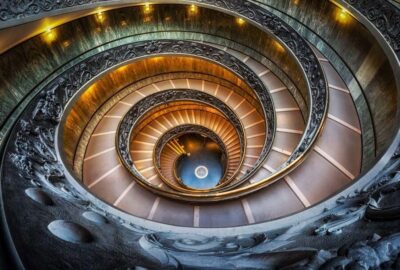
Vatican Museums, Sistine Chapel & St. Peter’s Basilica Tour
Read our review →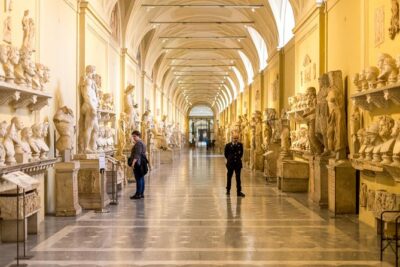
Vatican Museums, Sistine Chapel & St Peter’s Basilica Guided Tour
Read our review →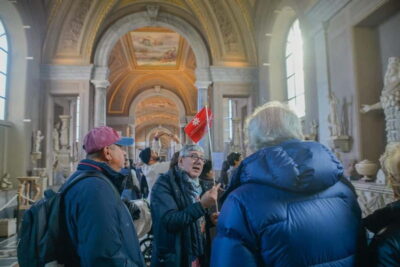
Vatican Museums, Sistine Chapel and Basilica Tour
Read our review →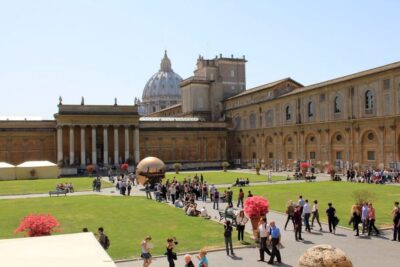
Vatican Museums & Sistine Chapel Skip-the-Line Entry Ticket
Read our review →
Vatican Museums, Sistine Chapel & Basilica Tour
Read our review →
Vatican Museums & Sistine Chapel Guided Tour
Read our review →
Vatican Museums & Sistine Chapel Skip-the-Ticket-Line Tour
Read our review →
Vatican Museums, Sistine Chapel and St. Peter’s Basilica Tour
Read our review →Browse the lists this tour appears in