

Review · DUBLIN
Dublin EPIC Museum Admission Ticket
EPIC The Irish Emigration Museum tells the story of Ireland by following the people who left it. More than 10 million Irish people emigrated over the centuries, and this modern museum connects their departures with the lives, work, culture, and achievements they carried around the world. The result is less a display of old objects and more an active, screen-filled journey through Irish identity.
I like two things right away: you set your own pace, and the free passport gives each gallery a small goal as you go. I also like the audio guide, available through a free phone app in nine languages. The main consideration is time. The museum suggests about 90 minutes, but the subject is broad enough that you may still be reading and listening three hours later.
Key points to know before you go
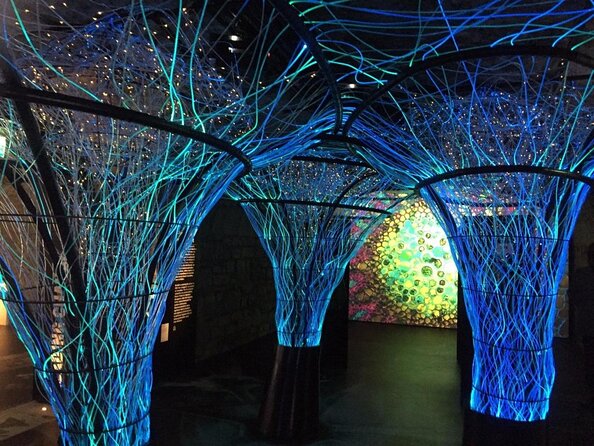
- Twenty galleries cover Irish emigration from hardship to modern achievements, including stories connected with music, sport, politics, inventions, and public life.
- A stamped passport keeps children and reluctant museum-goers involved, with one stamp available in each gallery.
- The free audio guide adds useful context, though phone audio from nearby displays can occasionally compete for your attention.
- Your ticket is self-guided and flexible, so you can enter during opening hours and move through the museum without joining a scheduled group.
- The Irish Family History Centre costs extra, but it can help you investigate ancestors and arrange a consultation with a professional genealogist.
- Allow more time than the advertised 1.5 hours if you want to read the panels, use the interactive displays, and pause over family stories.
Finding EPIC inside Dublin’s CHQ Building
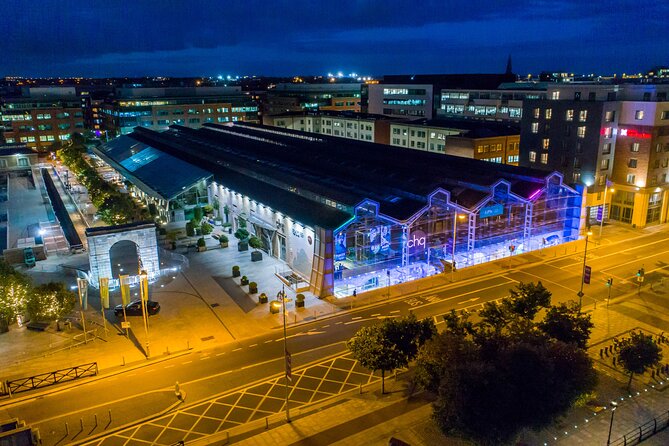
EPIC is in the CHQ Building, a short walk from O’Connell Street or Trinity College. That makes it easy to fit into a central Dublin day, especially if you are already visiting the riverfront area or heading toward the Docklands.
Your mobile ticket is accepted at check-in, and a paper voucher can also be used. Once inside, you receive the museum passport that guides you through the galleries. You can enter at your chosen time during opening hours rather than being tied to a particular guided departure.
That flexibility matters. You can place EPIC between other Dublin sights, use it as a rainy-day stop, or visit soon after arriving in the city. One practical advantage is that the museum does not ask you to rush from one room to the next. Staff are stationed around the building and can answer questions if you need help with the displays or route.
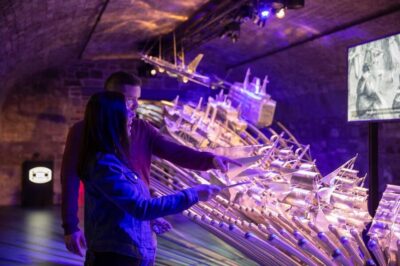
The setting in the historic CHQ Building adds a sense of place, though the museum itself has a very modern look. Expect digital displays, touchscreens, video, sound, and other hands-on elements rather than a traditional collection of cases filled with objects.
More Museum Tours in Dublin
- Irish Rock ‘N’ Roll Museum Experience Dublin
★ 5.0 · 6,112 reviews - Dublin Hop-On Hop-Off Bus Tour with Guide and Little Museum Entry
★ 4.5 · 3,327 reviews - Dublin Irish Whiskey Museum and Gallery Guided Tour with Tasting
★ 5.0 · 3,078 reviews
Twenty galleries, one Irish journey
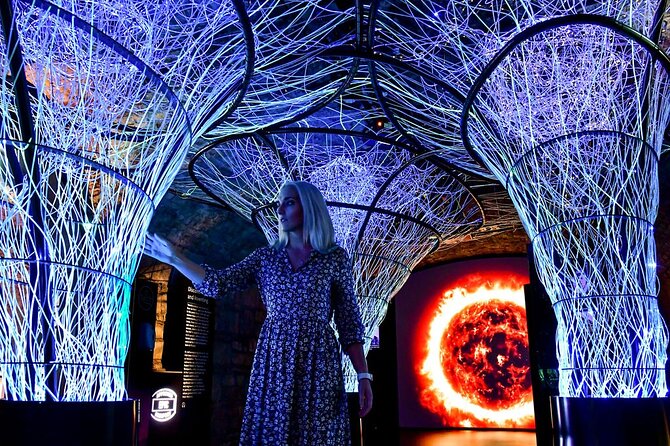
The museum’s central idea is simple: Irish history cannot be understood only by looking at the island. You also need to follow the millions of people who left, and the families and communities they formed elsewhere.
The galleries look at why people departed, where they went, and what happened after they arrived. Economic hardship, famine, work, family circumstances, and the search for a new life all form part of the story. The museum also links individual journeys to the wider Irish diaspora, with around 70 million people around the world claiming Irish ancestry today.
That broad scope is one of EPIC’s strengths, but it can also be a lot to absorb. You are not getting a narrow exhibition about one period. The route reaches across centuries and brings in many areas of Irish life. If you only have an hour, you will need to move briskly. If you have family connections to Ireland, you may want to linger over names, letters, and personal accounts.
The museum also moves beyond sorrow. Irish emigration involved loss and hardship, but the galleries show the creativity, endurance, discoveries, and public contributions of Irish people and their descendants. Music, sport, inventions, political figures, and cultural influence all appear along the route.
The passport makes the galleries feel like a journey
At check-in, you receive a small souvenir passport. Each gallery has a stamp, so you can mark your progress as you move through the museum.
This is a simple idea, but it gives the visit a useful rhythm. Adults can treat it as a light navigation tool, while children often enjoy having a clear task in every section. It also helps you notice when you have skipped a gallery, since the missing stamp is an obvious reminder.
I would not plan the visit around collecting stamps alone. The passport is a bonus, not the main content. Still, it gives the museum a playful edge and makes the subject easier for families to approach. Even adults who are not naturally drawn to museums can find the sequence more inviting when each gallery offers something to do.
The passport also works as a free keepsake. You do not need to buy an additional souvenir to take away a physical reminder of the visit.
Interactive displays and the audio guide
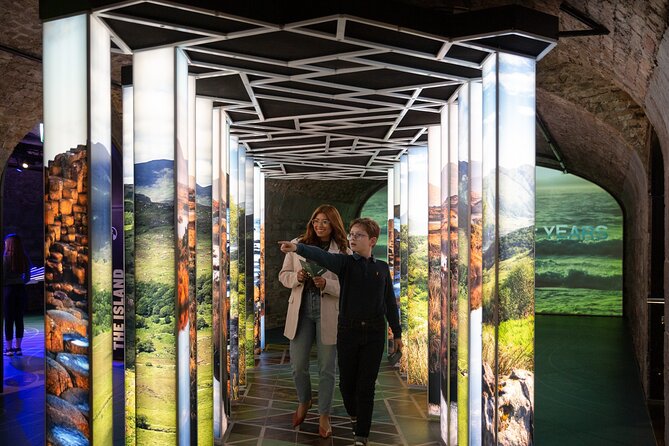
EPIC uses technology heavily. You might find touchscreens, digital walls, video, sound, and interactive features that ask you to take part instead of simply reading a panel. This helps explain why the museum can hold the attention of people who normally lose interest in conventional historical exhibitions.
The free audio guide is available through an iPhone or Android app, with nine language options. I recommend downloading it if your phone has room and you want more explanation as you move through the rooms. It can add useful links between the displays and make the stories easier to follow.
If you cannot download the app, audio guide devices are available for an extra €2. That cost is small, but it is worth knowing before you arrive. You may also encounter overlapping sounds from nearby screens and displays. The technology is one of the museum’s main attractions, but several audio sources operating at once can occasionally feel distracting.
The best approach is to use the audio guide selectively. You do not need to listen to every piece of commentary. Choose the stories that interest you, then keep moving when a section feels less relevant.
A few more museum visits around Dublin worth comparing
- Dublin: EPIC Museum Entrance Ticket
★ 4.6 · 816 reviews - Dublin: National Wax Museum Plus Entrance Tickets
★ 4.0 · 367 reviews - Dublin: Skip-the-Line Little Museum of Dublin Ticket
★ 4.6 · 161 reviews - Dublin: EPIC Museum and Jeanie Johnston Entry Ticket
★ 4.8 · 69 reviews
The emotional core: departure, family, and survival
The strongest sections are likely to be the personal stories. General facts explain how large Irish emigration was, but individual accounts show what leaving meant for real families.
You will learn about the pressures that pushed people away, then follow the wider effects of their departures. That gives the museum an emotional balance. It does not treat emigration only as a tale of suffering, and it does not turn it into a cheerful celebration of Irish success. The two sides belong together.
If your own family left Ireland, you may find the visit particularly affecting. The galleries can help place an ancestor’s departure within the conditions of the time, even if you do not find a specific family member in the museum. One useful detail to keep in mind is that Irish emigration happened for different reasons and across different periods. A family who left in the mid-19th century faced a different situation from someone who departed in the modern era.
If you have no Irish ancestry, the museum still works. Its larger themes are familiar to anyone interested in migration: leaving home, adapting to another country, preserving culture, and building a new life. You are not required to arrive with a family tree to follow the story.
A broad look at Irish life beyond emigration
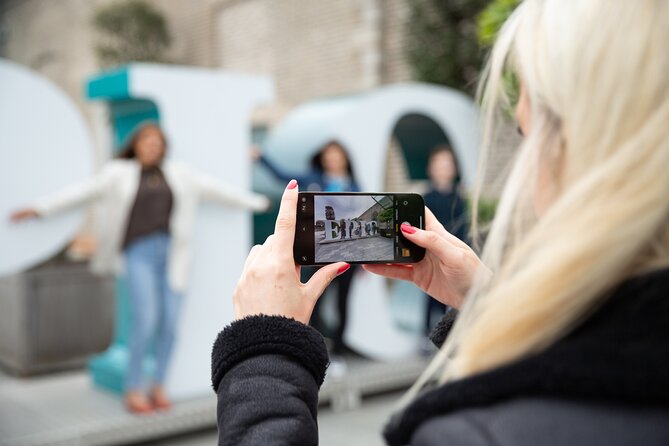
EPIC is not limited to ships, departures, and census figures. Several galleries show how Irish people and their descendants influenced life around the world.
The range includes music, sport, politics, inventions, and other public achievements. That variety keeps the visit from becoming too solemn, but it also means some sections will appeal more strongly than others. If sport is not your interest, you may spend less time there. If you enjoy cultural figures or inventions, you may want to slow down.
This wide coverage is useful for a first visit because it gives you several ways into the subject. You can follow your family story, focus on the historical timeline, or pick out the contributions that interest you most. The tradeoff is that no single topic receives unlimited space. The museum is trying to explain Irish influence across a very large field.
I like that the displays present Irish identity as something shaped both at home and abroad. The museum asks you to think about Ireland as a country of departure, but also as a source of ideas, people, and culture that continued elsewhere.
How much time should you plan?
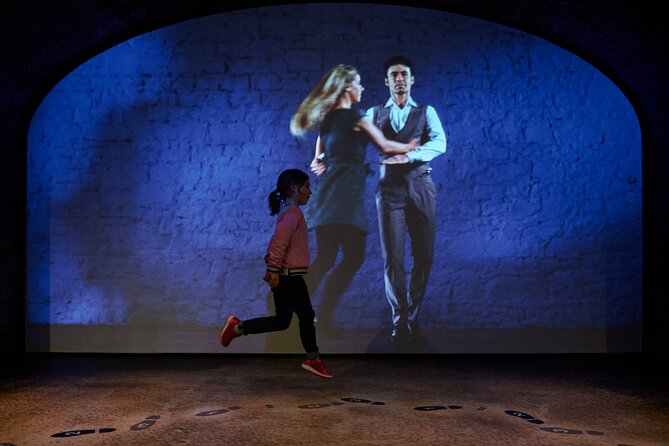
The usual visit takes about 1.5 hours. That is enough to make a proper circuit and sample the displays, especially if you move steadily and do not listen to every audio segment.
I would allow two hours for a comfortable first visit. Plan closer to three hours if you want to read carefully, collect all the stamps, use the interactive displays, and stop for personal stories. Several sections can hold your attention longer than expected, particularly if you are tracing your own family connections.
The flexible format makes this easy. You can move quickly through a section that does not interest you and spend extra time in another. You are not waiting for a group or a guide, and staff can help if you become unsure about where to go next.
There are restrooms and a place to get a snack, which helps if you are visiting with children or using the museum as a break during a busy day. Children must be accompanied by an adult. Service animals are allowed, and the attraction is near public transportation.
The Irish Family History Centre costs extra
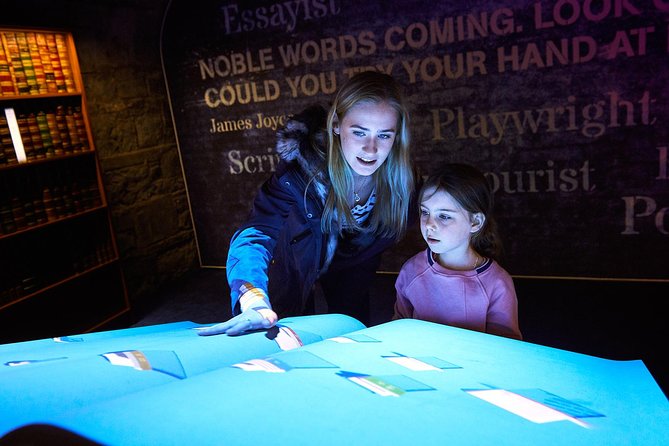
Standard EPIC admission does not include the Irish Family History Centre. If your main goal is genealogy, budget for the additional admission fee rather than assuming the regular museum ticket covers it.
The centre can help you investigate Irish ancestry, learn more about ancestors, and explore your family story. You can also arrange a consultation with a professional genealogist. This is a useful add-on if you have names, dates, or places to work with and want help taking the next step.
It is less essential if you simply want to understand Irish emigration. The main museum already gives you the historical setting. Consider the family centre as a separate service for research, not as a required part of the regular visit.
If you are hoping to find a particular ancestor, bring whatever family information you already have. The supplied details do not guarantee a result, so treat the centre as an opportunity for research rather than a promise of a complete family history.
Is the $25.40 admission good value?
At $25.40 per person, EPIC is not the cheapest short attraction in Dublin. Its value depends on how you use it.
For a quick 60-minute stop, the price may feel high. For a carefully paced two or three-hour visit with the audio guide, interactive galleries, and passport activity, it becomes easier to justify. You are paying for a substantial self-guided exhibition rather than a single room or a brief display.
The ticket also gives you flexibility. You can enter during opening hours at a time that suits your schedule, and prebooking helps protect your entry at a popular attraction. The mobile ticket keeps the process simple, and you avoid having to arrange a guided tour.
I would rate the price as fair for visitors who enjoy history, family research, or interactive museums. It is less convincing for someone who dislikes screens, sound-based displays, or broad surveys of history. If your group has mixed interests, the passport and self-paced format help, but not everyone may want to stay for the full three hours.
Free cancellation is available if you cancel at least 24 hours before the experience start time. Cancellations within 24 hours are not refunded, and changes inside that window are not accepted.
Who will enjoy EPIC most?
I would recommend EPIC to you if you fit one or more of these descriptions:
- You have Irish ancestry and want context for your family’s departure.
- You prefer interactive museums to quiet rooms of static objects.
- You are visiting Dublin with children and want a simple activity built into the visit.
- You enjoy learning through personal stories, sound, video, and digital displays.
- You want a self-guided attraction that fits around other central Dublin plans.
- You are curious about Irish influence in music, sport, politics, inventions, and culture.
You may want to choose another attraction if you prefer original artifacts, traditional art museums, or a narrowly focused historical exhibition. EPIC covers a great deal, and its technology can feel busy when several displays are active at once.
For families, I would make it a flexible visit rather than promising the children a full three-hour museum session. Start with the passport, let everyone choose the sections that interest them, and accept that some members of the group may finish earlier.
Should you book the EPIC Museum ticket?
Book it if you want a clear, modern introduction to Irish emigration and the worldwide Irish story. The 20 galleries, passport stamps, and optional audio guide give you plenty to do, while the self-guided format lets you control the pace.
I would especially choose EPIC if you have Irish roots, are visiting Dublin with children, or want a museum that explains personal stories alongside major events. Allow at least 90 minutes, and two hours is safer if you like to read.
Skip it if your idea of a museum means mostly historic objects and quiet labels. EPIC is screen-based, interactive, and broad. For the right visitor, the $25.40 ticket buys a thoughtful and enjoyable few hours. For someone uninterested in emigration or digital displays, it may feel like too much information in a modern package.
FAQ
How long does the EPIC Museum visit take?
The usual visit takes about 1.5 hours, but you can spend between one and three hours depending on how closely you read, use the audio guide, and interact with the displays.
Can I enter EPIC at any time?
You can enter at your chosen time during the museum’s opening hours. The experience is self-guided, so you are not required to join a scheduled tour.
Is the audio guide included?
The free audio guide is available to download through an iPhone or Android app in nine languages. If you cannot download the app, an audio guide device is available for an additional €2.
Is the Irish Family History Centre included?
No. Standard EPIC admission does not include entry to the Irish Family History Centre. The centre offers help with Irish ancestry and family research, including consultations with a professional genealogist.
Is EPIC suitable for children?
Yes, children can take part, and the passport stamping activity gives them something to do in each gallery. Children must be accompanied by an adult.
What is the cancellation policy?
You can cancel for a full refund up to 24 hours before the experience start time. Cancellations or changes made less than 24 hours before the start time are not accepted for a refund.
Just added around Dublin
- Dublin: Irish Coffee Masterclass at the Irish Whiskey Museum★ 4.6 · 279 reviews
- Dublin: Skip-the-Line Little Museum of Dublin Ticket★ 4.6 · 161 reviews
- Dublin: National Wax Museum Plus Entrance Tickets★ 4.0 · 367 reviews
- Dublin: Irish Whiskey Museum Blending Tour with Tastings★ 4.6 · 378 reviews
- Dublin: Irish Rock ‘N’ Roll Museum with Tour in English★ 4.7 · 123 reviews
- Dublin: EPIC Museum and Jeanie Johnston Entry Ticket★ 4.8 · 69 reviews
- Dublin: Irish Famine Exhibition Entry Ticket★ 4.4 · 15 reviews
- Irish Whiskey Museum: Whiskey Blending Experience★ 5.0 · 577 reviews
Museum Tours in Dublin, compared.


Dublin Hop-On Hop-Off Bus Tour with Guide and Little Museum Entry
Read our review →
Dublin Irish Whiskey Museum and Gallery Guided Tour with Tasting
Read our review →
The Little Museum of Dublin Famous Guided Tour
Read our review →
Giant’s Causeway with the Titanic Exhibition and the best of Northern Ireland
Read our review →

Irish Whiskey Museum: Whiskey Blending Experience
Read our review →Browse the lists this tour appears in