
Review · DUBAI
Dubai: Al Shindagha Museum Entry Ticket
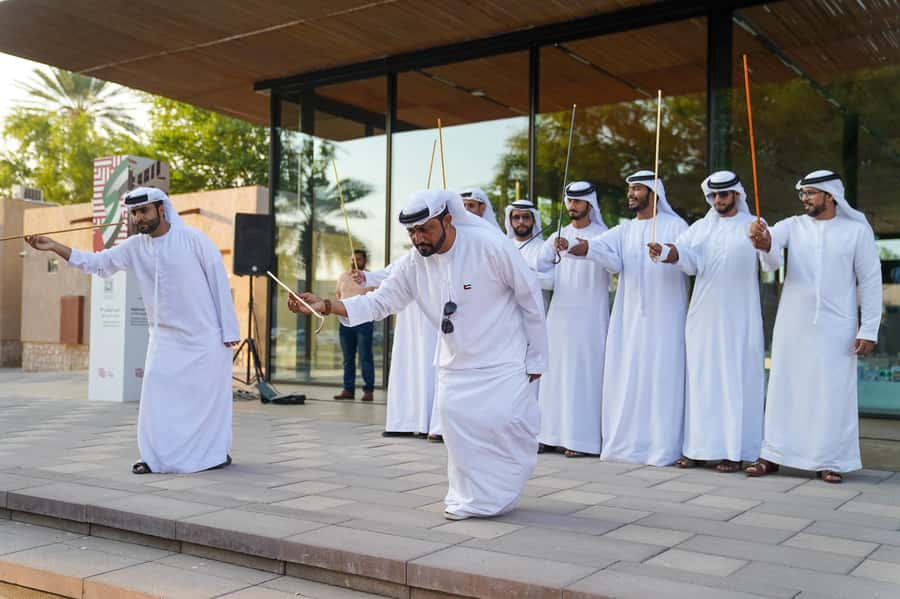
Al Shindagha Museum turns Dubai’s story into a walk through historic houses beside Dubai Creek. You’ll see the former Al Maktoum Residence, then move through exhibits on sea travel, trade, perfume, food, crafts, faith, and the city’s rapid growth. The museum connects old Emirati life with the modern UAE without reducing the past to a few photo stops.
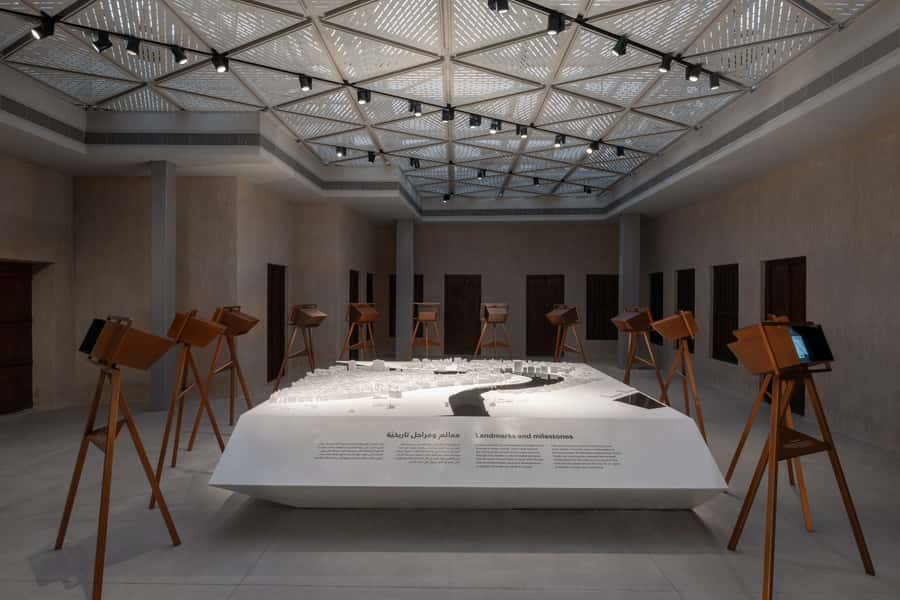
I like the mix of real heritage buildings and modern interactive displays, especially the virtual reality elements and hands-on presentation. I also like the freedom of a one-day ticket, since you can take your time across a large museum rather than rush through a short guided visit. The main drawback is scale: with 21 houses, or 22 houses depending on how the sites are counted, this is not a quick hour-long stop.
Key points to know before you go
- Al Maktoum Residence: Visit the former home of Sheikh Saeed Al Maktoum, Dubai’s ruler until 1958 and grandfather of Sheikh Mohammed bin Rashid.
- 21 or 22 heritage houses: The museum information uses both figures, so expect a large spread of buildings and themed spaces.
- Dubai Creek setting: The museum sits in Al Shindagha, one of Dubai’s key historic neighborhoods beside the water.
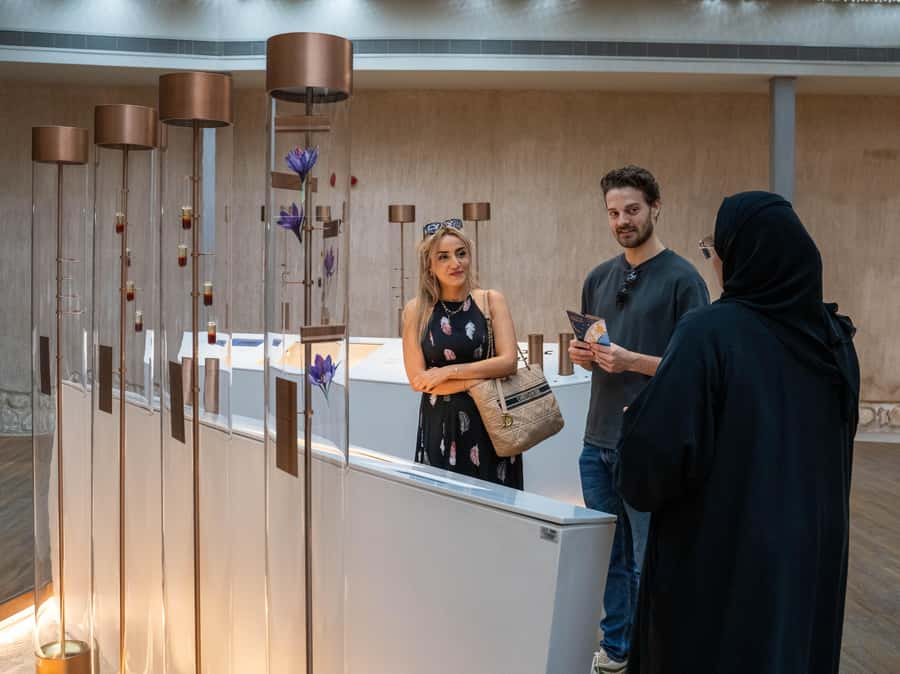
- Modern storytelling: Virtual reality and multi-sensory installations help explain subjects that could otherwise feel dry.
- Five guide languages: English, Arabic, Chinese, Russian, and French are available.
- Flexible booking: The ticket is valid for one day, with free cancellation up to 24 hours ahead and a reserve-now, pay-later option.
Why Al Shindagha Museum matters in modern Dubai
Dubai is often presented through skyscrapers, shopping centers, and grand engineering projects. Al Shindagha gives you the other half of the story: a city shaped by family rule, seafaring, trade, work, faith, food, and adaptation.
I find this useful because Dubai can seem almost brand new if you only see its modern center. The museum places today’s city in a longer setting. It shows how progress grew from older ways of living, rather than appearing from nowhere.
The museum is located in Al Shindagha, on the banks of Dubai Creek. That setting matters. The Creek was central to Dubai’s growth, and one of the museum’s main themes is Dubai Creek: Birth of a City. You are not simply looking at isolated objects in a modern gallery. The surrounding historic quarter gives the subject a physical sense of place.
The museum’s stated purpose is to explain the vision of the Al Maktoum family, Dubai, and the UAE while presenting Emirati identity to residents and international visitors. In practical terms, you can expect a broad cultural museum rather than one narrow collection. It is built to cover daily life, government, commerce, belief, work, art, and technology in one visit.
More Museum Tours in Dubai
- Dubai: Museum of the Future Admission Ticket
★ 4.3 · 21,464 reviews - Dubai: Old Town, Creek, Museums, Souks, & Street Food Tour
★ 4.8 · 10,816 reviews - From Dubai: Abu Dhabi Grand Mosque & Louvre Museum Full-Day
★ 4.8 · 6,227 reviews
Starting at the Visitor Center
Your visit begins at the Visitor Center, which serves as the entry point to the wider museum area. This is where the scale of the experience becomes clear. Al Shindagha is made up of multiple houses, not one single exhibition hall.
The layout lets you move between themes and buildings. That is a major advantage if you like choosing your own pace. You can spend more time with a subject that catches your attention, then move on without being tied to a fixed route.
At the same time, the size requires some planning. A one-day ticket gives you plenty of time, but you should not treat it as a brief add-on between other central Dubai attractions. The museum contains enough material to reward a slower visit, particularly if you read the displays and try the interactive features.
The exact house count needs a small note. The information describes the museum as consisting of 21 houses, while another description refers to 22 unique exhibit houses. It also lists the Visitor Center among the named spaces. The sensible way to read this is that you will find a large group of connected heritage buildings, with counting methods that may differ by section.
Al Maktoum Residence and Dubai’s ruling family
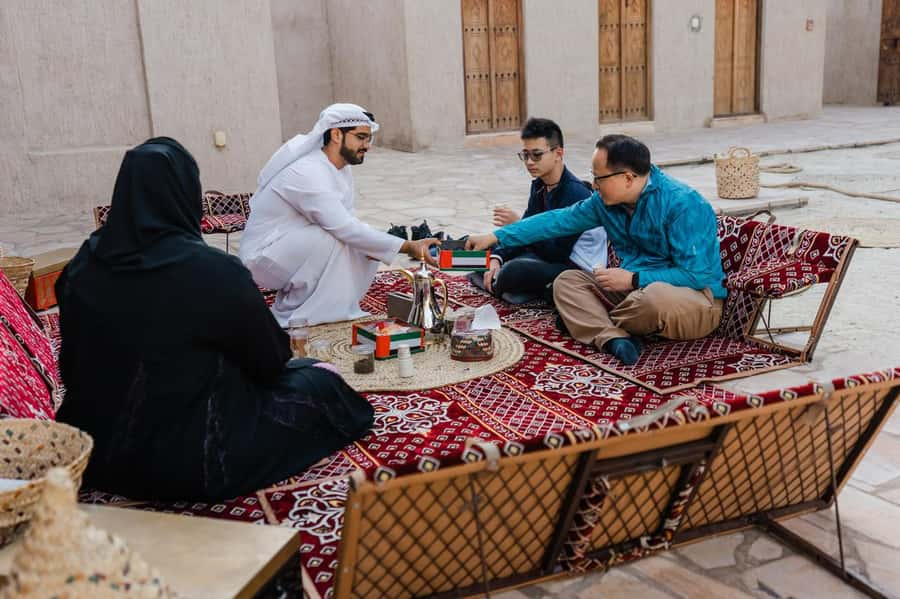
The Al Maktoum Residence is one of the most important stops. It was originally home to the Al Maktoum family and to Sheikh Saeed Al Maktoum, who was Dubai’s ruler until 1958. He was also the grandfather of Sheikh Mohammed bin Rashid.
This house gives the museum a personal and political center. Instead of treating Dubai’s development as an abstract economic story, it connects the city’s direction to a specific family residence and period of leadership.
I would give this building priority early in your visit. It provides useful context for the other houses, especially the exhibits on the emerging city, community, faith, and trade. Once you understand the family and civic setting, the rest of the museum’s story has a clearer frame.
Do not expect the residence alone to explain all of Dubai. Its value comes from how it fits into the wider museum. The larger experience shows how leadership, commerce, natural resources, family life, and cultural practice worked together.
Dubai Creek, trade, and the emerging city
The Creek section focuses on how Dubai developed as a city. This is one of the best themes for first-time visitors because it links the historic neighborhood to the modern metropolis you see elsewhere in the emirate.
The museum also includes Trade and Journeys, which broadens the story beyond local life. Trade requires travel, contact, navigation, and exchange. Those ideas connect naturally with the Navigation house and the Culture of the Sea house.
The Emerging City house then points toward the changes that shaped modern Dubai. I like this sequence because it avoids presenting tradition and modernity as enemies. You can follow a story of adjustment and growth, with older knowledge helping explain later change.
There is a possible limitation here. Because the museum covers so many subjects, some sections may feel more like an introduction than a full specialist study. If you want a detailed academic treatment of one topic, this may feel broad. If you want a clear overview of how many parts of Emirati life connect, the broad approach works well.
A few more museum visits around Dubai worth comparing
- Museum of the Future Tickets
★ 3.5 · 792 reviews - Dubai: OliOli® Children Museum Admission Tickets
★ 4.6 · 130 reviews - Dubai: Arte Immersive Museum Entry Ticket
★ 4.7 · 115 reviews - Dubai: Museum of Candy Entry Ticket
★ 4.6 · 83 reviews
Life on land and culture of the sea
The museum divides attention between land and water. Life on Land looks at the environment and everyday activity away from the coast, while Culture of the Sea focuses on the maritime side of Emirati identity.
The related Water, Fauna and Flora house adds another layer. These subjects help explain why old communities developed particular skills and habits. The displays are not only about famous buildings or political figures. They also look at the natural setting that influenced work and survival.
The sea-related themes are especially useful alongside Navigation. Together, they show that travel and commerce required practical knowledge, not just ambition. You might find these sections helpful if you have seen Dubai as a city built solely by finance and construction. They offer a more grounded picture.
The museum’s multi-sensory installations are a good fit for these topics. A display about water, navigation, or sea travel can be harder to understand through text alone. Virtual reality and interactive technology give the museum more ways to explain movement, environment, and human activity.
Perfume, jewelry, crafts, and personal style
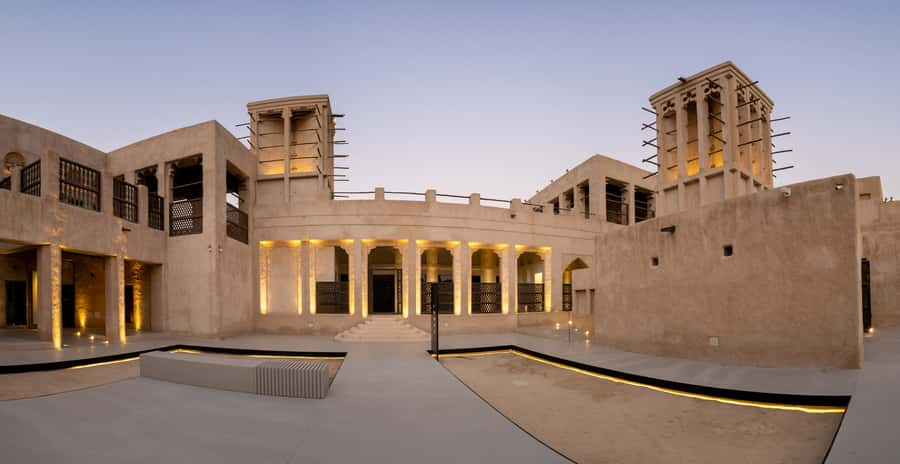
Several houses focus on the details of daily appearance and skilled work. The Perfume House, Traditional Jewelry, Traditional Crafts, Beauty and Adornment, and Expressions sections each approach culture from a different angle.
I like this part of the museum because it moves the story away from rulers and major events. Perfume, jewelry, clothing, decoration, and craft reveal how people expressed identity in ordinary life and special settings.
Traditional Crafts is also a reminder that heritage is not only a collection of old objects. Craft requires technique, materials, patience, and teaching. The museum’s workshops and training programs support that idea, although the ticket information does not promise that a specific workshop will operate during your visit.
The Beauty and Adornment section should appeal to anyone interested in design and personal presentation. Traditional Jewelry adds a material side to that story, while Expressions gives the museum room to consider creative and cultural forms more broadly.
Because the museum presents many themes in separate houses, you can compare them as you go. The drawback is that you may need to keep track of how each section fits into the bigger story. The subjects are related, but they are not arranged as one simple chronological line.
Food, healthcare, faith, and community
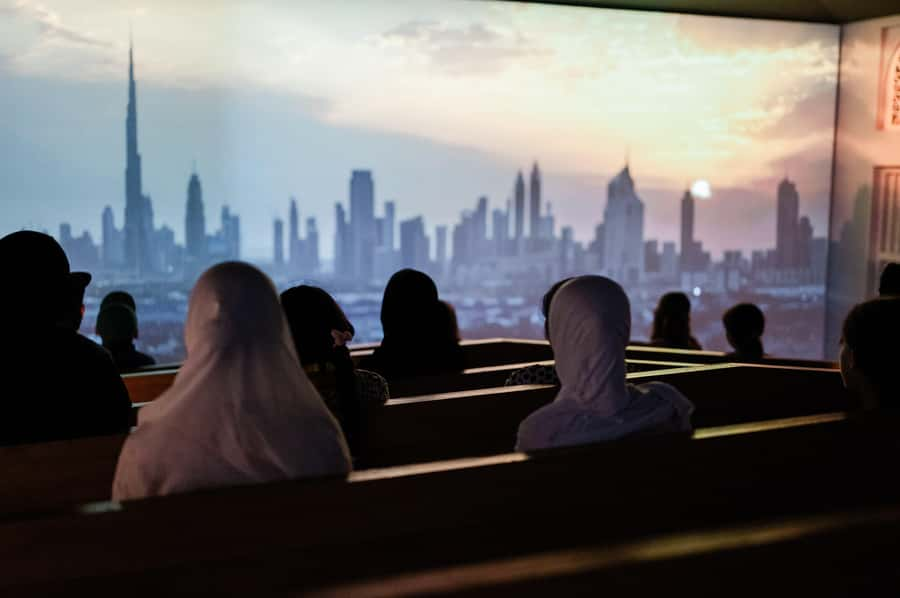
The museum also gives space to basic human needs and shared social life. Traditional Food, Traditional Healthcare, People and Faith, and Community Hall focus on practices that shaped daily routines and collective identity.
Food is a particularly accessible subject. Everyone understands that cooking reflects available ingredients, local knowledge, family habits, and social customs. Traditional Healthcare offers a similar window into how people cared for themselves before modern systems became dominant.
People and Faith provides a look at the beliefs that influenced community life. The Community Hall adds a social setting, helping you think about how people gathered and maintained relationships.
One detail worth noting is that Traditional Food appears twice in the supplied house list. This may reflect separate spaces or a repeated category in the presentation. Do not rely on the list as a precise map. Use it as a guide to the range of subjects you can expect.
These sections are also useful for families. Younger children may connect more quickly with food, clothing, objects, and interactive displays than with a long account of political development. The Children’s Pavilion gives the museum a dedicated space for younger visitors as well.
Poetry, expressions, and the Children’s Pavilion
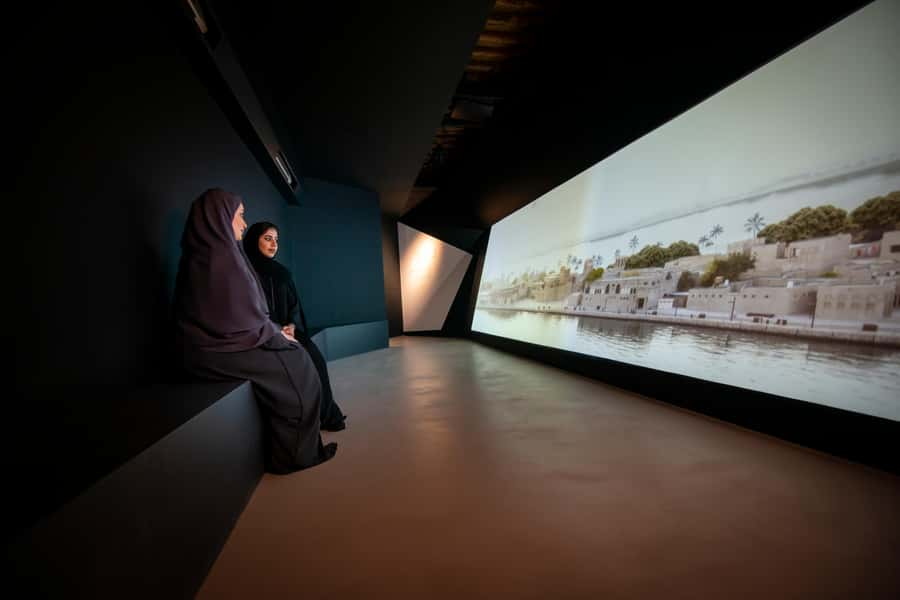
Poetry and Expressions show that the museum is not limited to material culture. Language, art, and creative practice are part of the story too.
The Poetry house offers a different pace from the technology-led displays. It gives space to ideas, words, and artistic expression. After moving through houses about trade, navigation, food, and crafts, this section can help you see culture as more than practical survival or economic growth.
The Children’s Pavilion is another strong feature for families. The available information does not specify its exact activities, so I would not plan around one particular game or workshop. Still, its presence signals that the museum is designed to explain Emirati heritage to different age groups, not just to adults who already enjoy museums.
If you are visiting with children, the interactive installations may help hold their attention. If you are visiting alone or as a couple, you can simply treat the pavilion as one part of the wider museum and spend more time in the subjects that interest you.
What the interactive technology adds
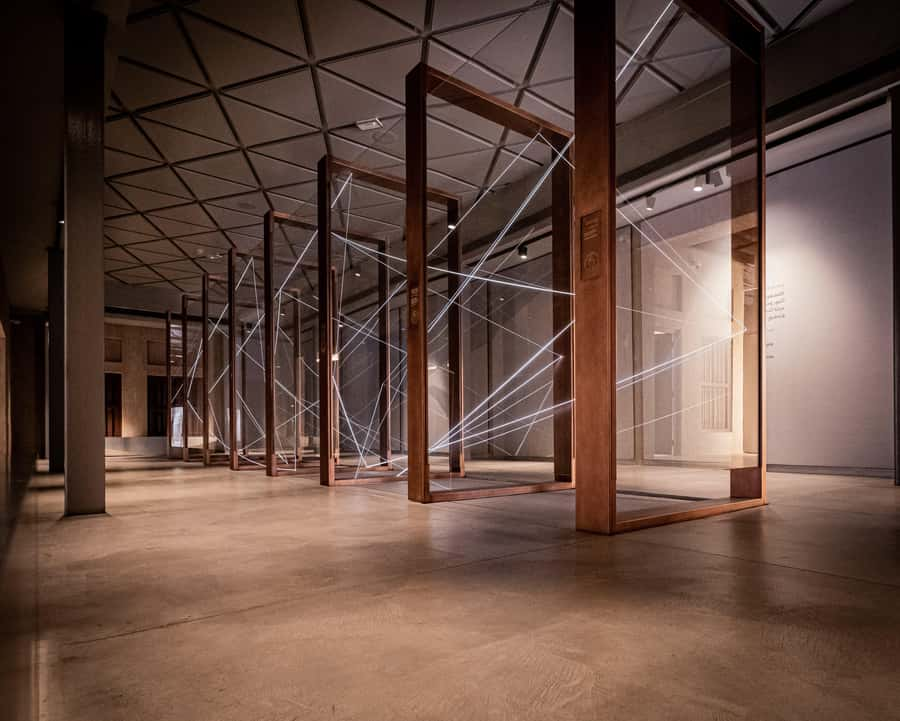
Al Shindagha uses virtual reality and other multi-sensory installations throughout the museum. This is one of the clearest differences between a standard historic-house visit and this experience.
Technology can sometimes distract from old buildings. Here, its purpose is to make difficult subjects easier to grasp. A virtual scene can help you picture a past setting, while an interactive display can make an unfamiliar process more direct.
The balance will not suit everyone. If you prefer quiet rooms, original architecture, and minimal technology, some parts may feel more produced than traditional. If you like museums that explain rather than simply display, the interactive approach should make the large collection easier to follow.
The strongest point is variety. You can move from a residence to a themed house, then from a traditional subject to a digital installation. That change of pace helps prevent the visit from becoming a long sequence of labels and glass cases.
Price, time, and overall value
At $13 per person, the ticket is fairly priced for the amount of ground covered. You are paying for entry to a large heritage museum with the Al Maktoum Residence and many themed houses, not for a single room or a short presentation.
The value depends on how you use the day. If you rush through the buildings, the price may feel less worthwhile. If you give the museum several hours and take time with the displays, the ticket offers a substantial cultural stop in Dubai.
The one-day validity is useful. It gives you room to plan around your energy and schedule instead of forcing the entire experience into a narrow time slot. Starting times are based on availability, so check the available date and time before booking.
Free cancellation up to 24 hours ahead adds flexibility. You can also reserve now and pay later, which helps if you are still arranging the rest of your Dubai plans. The ticket includes entry, while guide languages listed for the experience are English, Arabic, Chinese, Russian, and French.
A live guide is available in those languages, but the information does not specify whether every visit includes a private guide or how long a guided format lasts. If language support is important to you, check the exact arrangement when selecting your time.
Who should choose this museum
I would recommend Al Shindagha Museum to you if you want context for Dubai beyond modern architecture and shopping. It is also a good fit if you enjoy museums with several subjects, varied displays, and the freedom to set your own pace.
Families may appreciate the Children’s Pavilion and interactive technology. History-minded visitors should make time for the residence, Creek, trade, navigation, and emerging-city sections. Anyone interested in design, food, perfume, jewelry, or traditional work will find dedicated houses to explore.
The museum may be less suitable if you want one short, tightly focused attraction. The large number of houses means you need patience and attention. It is also not the best choice if your only interest is Dubai’s recent skyscraper boom, since the museum’s purpose is to explain the cultural and historical foundations behind the modern UAE.
Wheelchair access is available, which makes the museum a practical choice for many visitors with mobility needs. The available information does not give detailed access notes for every house, so you may want to confirm specific requirements before arriving.
Should you book Al Shindagha Museum?
Book it if you want to understand Dubai through its people, traditions, Creek, sea, trade, and ruling family rather than through its newest buildings. The combination of historic houses and modern presentation gives you both physical heritage and clear explanations.
My main advice is to allow enough time. The museum’s size is its strength, but also its only real challenge. At $13, it is a solid-value cultural experience for a full day, especially if you use the one-day validity to explore at an unhurried pace.
If you have already seen Dubai’s modern side, Al Shindagha helps complete the picture. If you are short on time and want a quick attraction, choose something smaller. For a thoughtful look at the forces that shaped the UAE, this ticket is a sensible choice.
FAQ
Where is Al Shindagha Museum located?
The museum is located in Al Shindagha, a historic neighborhood on the banks of Dubai Creek in the Emirate of Dubai.
How much does the entry ticket cost?
The listed price is $13 per person.
How long is the ticket valid?
The ticket is valid for one day. Starting times depend on availability.
What does the ticket include?
The ticket includes entry to Al Shindagha Museum.
How many houses can I visit?
The museum is described as consisting of 21 houses, while another description refers to 22 unique exhibit houses. These include the Al Maktoum Residence and themed houses covering subjects such as trade, food, crafts, navigation, and sea culture.
Can I visit Al Maktoum Residence?
Yes. The Al Maktoum Residence is included among the museum’s heritage houses. It was formerly home to the Al Maktoum family and Sheikh Saeed Al Maktoum.
Which languages are available for the live guide?
Live guide languages are English, Arabic, Chinese, Russian, and French.
Is the museum wheelchair accessible?
Yes, the activity is listed as wheelchair accessible.
Just added around Dubai
- From Dubai: Abu Dhabi City Tour With Louvre Museum★ 4.8 · 455 reviews
- Dubai: Discover Dubai Old Town, Souks, Museum & Street Food★ 4.9 · 25 reviews
- Dubai.Discover Old town,Markets,street food,Abra &Museums★ 4.9 · 181 reviews
- Dubai: OliOli® Children Museum Admission Tickets★ 4.6 · 130 reviews
- Dubai: Future Museum, Burj Al Arab, and Dubai Frame Tour★ 4.5 · 514 reviews
- Dubai: Museum of Candy Entry Ticket★ 4.6 · 83 reviews
- Dubai: Top Must-See Sights Tour with Burj Khalifa At The Top★ 4.9 · 91 reviews
- Dubai: Arte Immersive Museum Entry Ticket★ 4.7 · 115 reviews
Museum Tours in Dubai, compared.
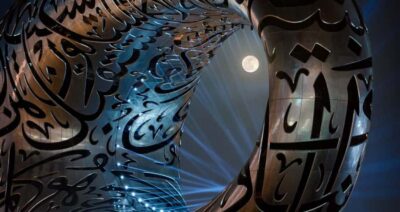
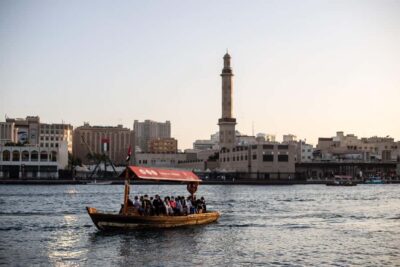
Old Town, Creek, Museums, Souks, & Street Food Tour
Read our review →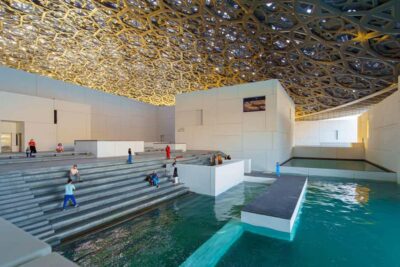
Abu Dhabi Grand Mosque & Louvre Museum Full-Day
Read our review →
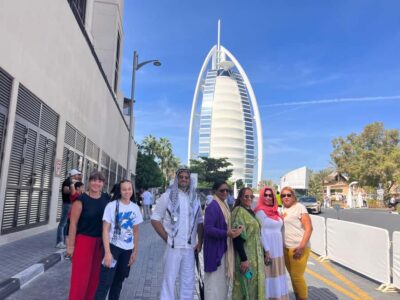
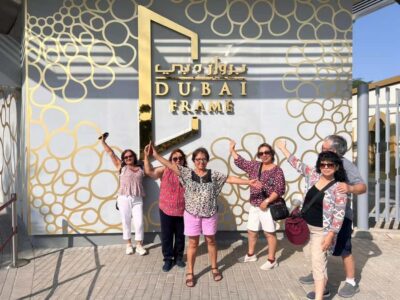
Future Museum, Burj Al Arab, and Dubai Frame Tour
Read our review →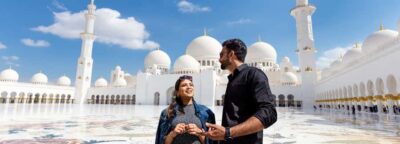
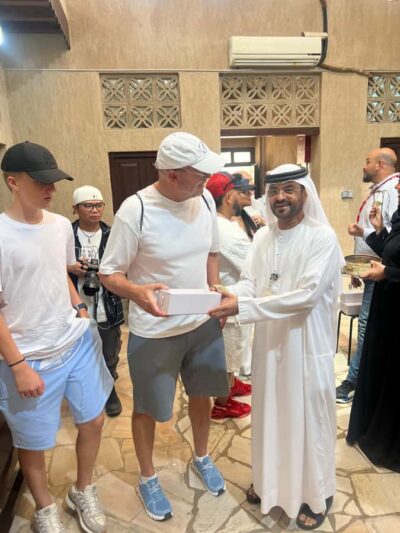
Dubai.Discover Old town,Markets,street food,Abra &Museums
Read our review →Browse the lists this tour appears in