
Review · CHINA
4-Hour Private Tour: Lama Temple, Confucius Temple, Guozijian Museum with Dim Sum
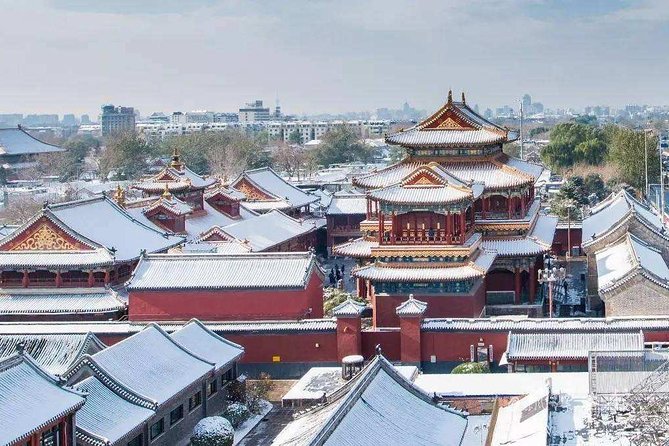
Beijing’s Lama Temple and Confucius Temple sit close together, making this private half-day tour a smart way to see two important sides of the city: religious life and traditional education. You’ll also visit the old Imperial College, hear the story behind its courtyards, and watch a dance performance before sitting down for dim sum.
I like the personal format, since guides such as Lucy, Ana, Jessie, Roy, and Jack have been praised for clear English, patience, and lively explanations. I also like the choice of a morning visit with lunch or an afternoon visit with dinner. The main drawback is the transport arrangement: hotel pickup is offered, but drop-off is not clearly included, and the no-transfer option leaves subway or taxi costs to you.
Key points at a glance
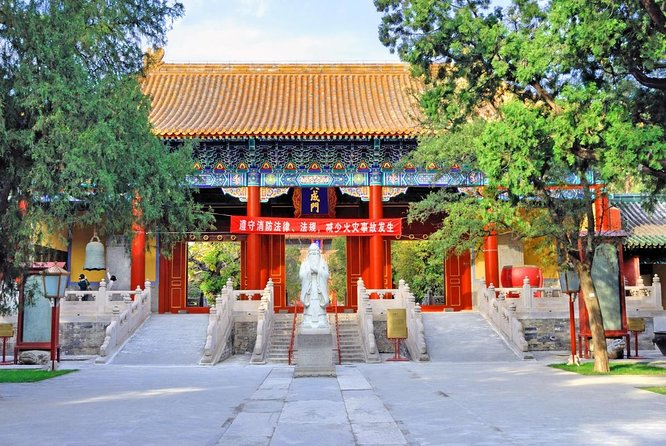
- Two major temples in one compact outing: Visit Yonghegong, also called Lama Temple, and Beijing’s Temple of Confucius.
- A private guide keeps the pace flexible: Only your own group takes part, so you can ask questions and pause for explanations.
- Guozijian adds an educational angle: The former Imperial College shows how China’s traditional examination and learning system was organized.
- Dim sum is part of the plan: Choose lunch after a morning tour or dinner after an afternoon tour.
- Look for the Imperial College dance performance: This gives the old site a living cultural element rather than making the visit only about buildings.
- Plan your ride home: Pickup is included, but the tour does not promise hotel drop-off.
Why these three Beijing sites work well together
I like this tour because it connects places that are easy to treat as separate sightseeing stops. Lama Temple introduces you to Tibetan Buddhist practice in Beijing. Confucius Temple shifts the subject to ethics, education, and public service. Guozijian, directly associated with the Confucian system, completes the picture.
That combination gives your guide plenty to explain beyond dates and names. You can ask how religious belief, government, learning, and social values fitted together in imperial China. A private tour is useful here because these sites can feel full of symbols and unfamiliar customs if you walk through them without context.
The tour lasts about three to four hours before allowing for the meal. In practice, the outing can take five to seven hours if you sit down for a leisurely lunch or dinner. I would not schedule a tight afternoon appointment after this tour.
The tour is designed for most people to participate, but children must be accompanied by an adult. Since you will visit several historic sites and spend time walking between areas, comfortable shoes are a sensible choice, even though the supplied details do not set out a formal mobility policy.
More private museum tours in China:
- Beijing Private Tour: National Museum of China, Sacred Road and Ming Tombs
★ 5.0 · 13 reviews - PRIVATE EPHESUS TOUR FOR CRUISERS: On-time Return and Skip-Line
★ 5.0 · 5,807 reviews - Louvre Museum Paris Essential Guided Tour Semi-Private 6ppl Max
★ 5.0 · 3,807 reviews
Entering Lama Temple, Beijing’s best-known Buddhist stop
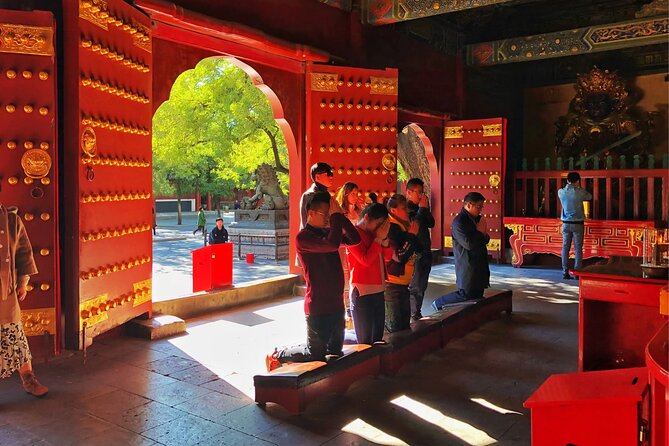
Your first visit is Lama Temple, or Yonghegong. The site is one of Beijing’s best-known Tibetan Buddhist temples, and its importance is not limited to decorative halls. Your guide is meant to explain the architecture, beliefs, and the temple’s place in Beijing’s religious life.
This is where a good guide matters most. Lucy, for example, has been praised for explaining the temple’s complicated relationship with Tibetan Buddhism and its place in current discussions about Tibet. That subject can be difficult to handle with a quick list of facts, so the private format gives you room to ask for clarification.
You should expect about an hour here, with admission included. The visit is short enough to fit into a half-day plan, but long enough for your guide to point out details you might otherwise pass without noticing.
The first hour also sets the tone for the rest of the tour. You are not simply moving from one attractive courtyard to another. You are learning how a major religious site functioned and why its design carries meaning.
One point to keep in mind is that the tour description does not promise a particular religious ceremony or special event. The focus is on the temple, its buildings, and its cultural setting. If you want a long, quiet visit devoted only to Buddhist practice, this scheduled tour may feel brisk.
Confucius Temple and the old world of education
The second stop is Beijing’s Temple of Confucius. Confucius is one of the central figures in Chinese thought, and the temple presents him as more than a philosopher from a distant past. The site connects his teachings with education, government service, and the conduct expected of officials.
I find this pairing with Lama Temple particularly useful. At the first site, the guide explains religious belief and ritual. Here, the focus shifts to the ideas that shaped education and public life. The contrast helps you make sense of two major strands of Chinese culture without needing a separate full-day history tour.
You’ll have about an hour at the Temple of Confucius, with admission included. Your guide can explain the meaning of the temple and its links to traditional learning. Ana has been praised for explaining past stories in clear English, which is helpful at a place where the names, customs, and historical roles can otherwise blur together.
The temple is also a good place to ask practical questions about the old education system. You might ask why Confucius became such an important cultural figure, how education related to government service, or how the site differed from a working school. The tour does not promise a formal lecture, but the private setup lets you shape the conversation around your interests.
Guozijian Museum and the Imperial College performance
After the Confucius Temple, you continue to Guozijian, the former Imperial College. This was the highest educational institution in ancient China, so the visit adds a strong institutional side to the story.
The site helps explain how learning was organized at the top level of imperial society. Rather than seeing education as a private matter, you see it linked to administration and the preparation of officials. That makes Guozijian a useful follow-up to the Confucius Temple.
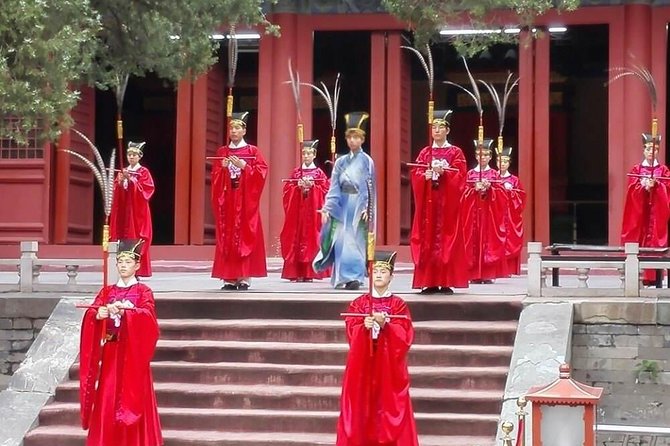
The tour also includes a dance performance at the Imperial College. This is a welcome change of pace after the explanations and courtyards. A performance can give you a sense of how cultural traditions are presented in the setting where they developed, though the information provided does not specify the exact style, length, or schedule of the dance.
Allow about an hour for this part of the visit, though the timing can vary with the pace of the group and the performance. Jessie has been praised for being animated and experienced, qualities that should help keep the historical material from feeling dry.
Guozijian is not simply an extra museum stop added to fill the schedule. It is the link between Confucius as a thinker and the old Chinese educational system. That connection is one of the most worthwhile features of the tour.
A few more museum visits around China worth comparing
- Beijing: Tianmen Square, Forbidden City & Royal Museum Tours
★ 4.6 · 1,288 reviews - Half-Day Mini Group Xian Tour to Terracotta Warriors Museum
★ 5.0 · 467 reviews - Beijing:Jingshan Park (Palace Museum Garden) Ticket
★ 4.5 · 185 reviews - Beijing Half Day: National Museum of China In-depth Tour with Subway Transfer
★ 5.0 · 70 reviews
Dim sum turns a sightseeing stop into a Beijing meal
Food is not an afterthought here. A dim sum lunch or dinner is included at a local restaurant, depending on the time you choose.
For a morning tour, you’ll generally have dim sum lunch after visiting the sites. An afternoon tour is paired with dinner. This gives the outing a natural finish and saves you from having to find a meal while still navigating an unfamiliar part of Beijing.
Roy has been praised for choosing a good dim sum restaurant and for allowing a relaxed pace. That matters because a meal can feel rushed when it is fitted into a sightseeing schedule. Here, the meal may extend the total outing to five to seven hours, especially if you take your time.
You should provide any dietary requirements when booking. Alcoholic drinks are not included, though they can be purchased separately. The details do not specify a fixed menu, so you should not book this expecting a particular set of dishes.
I like the food component because it gives the tour a local, everyday finish. Temples and museums tell you about formal culture. Sharing dim sum gives you a chance to sit down and talk with your guide about what you have seen.
Morning or afternoon: which schedule fits you?
The morning option is the better choice if you want the tour to lead into lunch and leave the rest of your day open. It also works well if you prefer to handle major sightseeing earlier in the day.
The afternoon option may suit you if your morning is occupied or if you like ending the day with a meal. Since dinner is included, it can function as both a cultural outing and an evening plan.
I would choose based on your wider Beijing schedule rather than assuming one time is always better. The supplied details do not promise different site content for morning and afternoon departures. The main difference is the meal that follows.
Also allow for the possibility that the tour runs longer than the advertised three to four hours. A leisurely meal, traffic, and transport choices can stretch the day. If you have a train, flight, show, or timed reservation afterward, leave plenty of space.
Private guiding, pickup, and transport choices
The private format is one of the strongest reasons to choose this outing. Only your own group takes part, and you can ask questions without waiting for a large coach group to catch up. The guide meets you at your Beijing hotel.
A private transfer is included only if you select the related transfer option. If you choose the version without transfer, the guide can accompany you by subway or taxi, but those transport costs are yours. The tour information also makes clear that hotel pickup is provided without hotel drop-off.
That last point is easy to miss, so plan for it. At the end of the tour, you may need to arrange your own return. You can ask the guide about the practical route, but the included service is the pickup at the start, not a guaranteed ride back to your hotel.
One past complaint focused on taking the train to the temples and not being told clearly that pickup was one way. The operator explained that subway travel can help avoid traffic. I see both sides: public transport may be faster, but you should know in advance what you are paying for and how you will return.
When booking, check that you have selected the transfer option you want. If your group values comfort and simplicity, the private-transfer version may be worth the extra cost. If you are happy using Beijing’s subway or a taxi, the lower-cost transport arrangement may work well.
Is $97.20 per person good value?
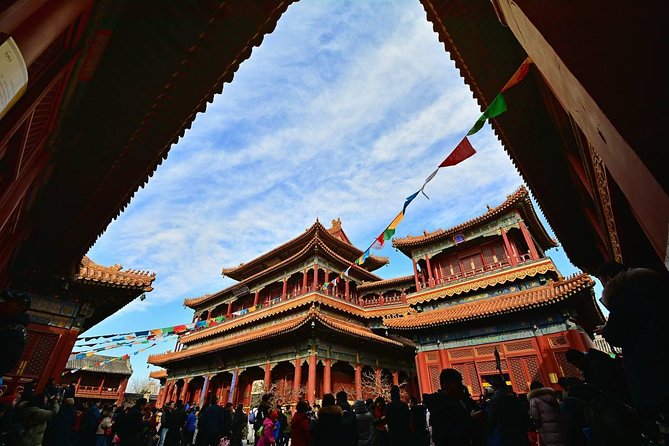
At $97.20 per person, this is not a bare admission-ticket outing. Your price includes the professional guide, entrance fees, bottled water, a dim sum meal, and private participation. The value depends heavily on your group size and on whether you need private transportation.
For a couple or small group, the cost buys more than access to three sites. You receive explanations that connect religion, philosophy, education, and government. You also avoid building your own route and finding a restaurant afterward.
The strongest value comes from the guide. Lucy’s explanation of Lama Temple and Tibetan Buddhism, Ana’s clear storytelling, Jessie’s lively approach, Roy’s patient service, and Jack’s cultural knowledge show how much the experience can depend on the person leading it. Guide assignments are not guaranteed, so you should treat these names as examples rather than promises.
For a larger private group, the price may compare well with arranging separate tickets, a guide, and a meal. Group discounts may also be available. The tour has a 4.9 out of 5 rating based on 21 ratings, with 95 percent recommended, which suggests strong satisfaction but is still a small sample.
I would see the price as fair if you value explanations and convenience. If you only want to enter the sites, take a quick look, and move on, a self-guided visit will cost less.
Who will get the most from this tour?
I would recommend this outing to first-time visitors who want a structured introduction to Beijing’s religious and educational traditions. It is also a good fit if you prefer a private guide to a large group and want food included in the same plan.
Families can take part, provided children are accompanied by an adult. The private format may be easier for a family because you can ask the guide to adjust explanations and pace. Still, the sites are cultural and historical rather than designed as children’s attractions.
This tour suits people who enjoy asking questions. If your interest is limited to taking photos, you may not get the full value from the guide. The sites become far more meaningful when you understand why they were built and how they fit into Chinese society.
It is less suitable if you need a guaranteed hotel return, a very short outing, or a tightly fixed schedule. The meal can extend the day, and transportation may involve the subway or taxi if you do not select private transfer.
Booking and cancellation details to note
You receive confirmation at booking, and free cancellation is available up to 24 hours before the local start time. Changes or cancellations made inside that 24-hour window are not accepted for a refund.
The experience requires good weather. If poor weather causes cancellation, you’ll be offered another date or a full refund. Give dietary requirements when booking, and check the transfer selection carefully so you understand what is included.
Should you book this private Beijing tour?
I would book it if you want a compact cultural introduction with a private English-speaking guide, a sit-down dim sum meal, and three connected sites. The best part is the way Lama Temple, Confucius Temple, and Guozijian explain different sides of Beijing in one outing.
I would skip it if you want to explore independently, avoid scheduled meals, or need hotel drop-off included. Before paying, confirm the transport option, allow extra time for dinner or lunch, and treat the named guides as examples rather than guaranteed assignments.
For most visitors with limited time, the tour offers a sensible mix of temples, education, performance, and food. It is especially good value for a small group that wants context instead of simply moving from one entrance to the next.
FAQ
How long does the tour last?
The sightseeing portion takes about three to four hours. With lunch or dinner and a relaxed meal, the full outing may take five to seven hours.
What sites are included?
The tour includes Lama Temple, also called Yonghegong, the Temple of Confucius, and Guozijian Museum at the former Imperial College.
Is a meal included?
Yes. A dim sum lunch is included with the morning option, while the afternoon option includes dinner.
Is hotel pickup included?
Hotel pickup is offered. Hotel drop-off is not included, so you should plan your return separately.
Do I pay for transportation?
Private transfer is included if you choose the related transfer option. Without that option, subway or taxi transportation costs are your responsibility.
Can I cancel for a full refund?
Yes, if you cancel at least 24 hours before the experience’s local start time. Cancellations or changes made less than 24 hours beforehand are not refunded.
Just added around China
- Beijing Half Day: National Museum of China In-depth Tour with Subway Transfer★ 5.0 · 70 reviews
- Beijing’s Forbidden City with Special Viewing of Treasure Gallery and the Great Wall Ruins at Badaling★ 4.5 · 24 reviews
- Forbidden City Ticket/ The Palace Museum or Group Tours Options★ 4.5 · 12 reviews
- Beijing Private Tour: National Museum of China, Sacred Road and Ming Tombs★ 5.0 · 13 reviews
- China National Museum Ticket Pre-booking and Tiananmen Square★ 3.5 · 23 reviews
- Hong Kong: Aberdeen Boat Tour and Visit Floating Museum★ 4.6 · 27 reviews
- Xian Terracotta Amry& Romantic Show & Grand Tang Bright City★ 4.6 · 52 reviews
- Beijing: Lama Temple, Confucius Temple and Guozijian Museum★ 5.0 · 23 reviews
Museum Tours in China, compared.
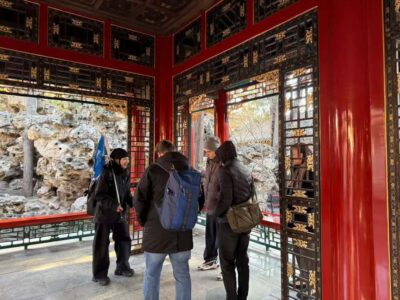
Tianmen Square, Forbidden City & Royal Museum Tours
Read our review →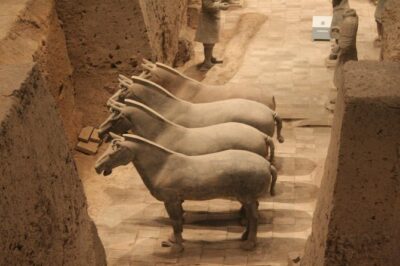
Half-Day Mini Group Xian Tour to Terracotta Warriors Museum
Read our review →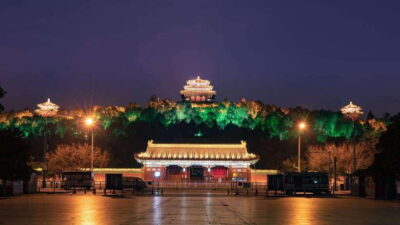
Beijing:Jingshan Park (Palace Museum Garden) Ticket
Read our review →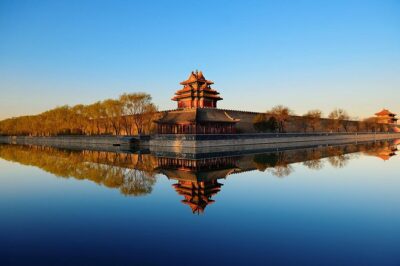
Forbidden City Admission Ticket – With Guide Option
Read our review →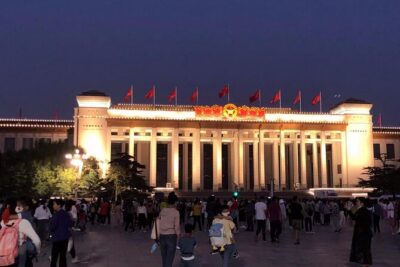
Beijing Half Day: National Museum of China In-depth Tour with Subway Transfer
Read our review →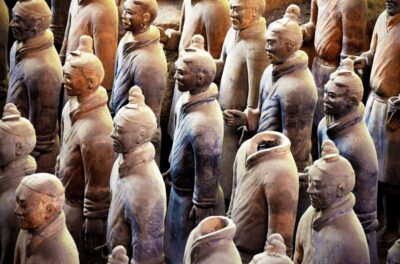
Xian Terracotta Amry& Romantic Show & Grand Tang Bright City
Read our review →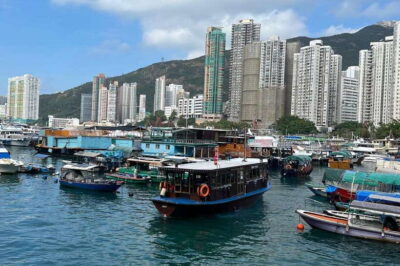
Beijing’s Forbidden City with Special Viewing of Treasure Gallery and the Great Wall Ruins at Badaling
Read our review →Browse the lists this tour appears in