Review · TOURS
Sarajevo: Tunnel Museum Yugoslavia War Tour with War Veteran
Sarajevo’s Tunnel of Hope is the heart of this four-hour tour, but the real strength is seeing it in relation to the mountains, roads, cemeteries, and ruined Olympic sites around the city. A war veteran or survivor guide, such as Adnan, Mustafa, Samira, or Adis, explains what happened with both historical context and personal memory.
I like two things especially: the route shows how Sarajevo’s geography shaped the siege, and the guide’s firsthand experience gives the museum’s exhibits a human voice. The stop at the abandoned bobsleigh track also adds an unexpected layer, connecting the 1984 Olympics with the later destruction on Trebevic.
The one consideration is emotional weight. This is not a light sightseeing outing. You will hear about suffering, survival, and combat from someone who lived through the war, so allow yourself time afterward rather than rushing straight into another activity.
Key points at a glance
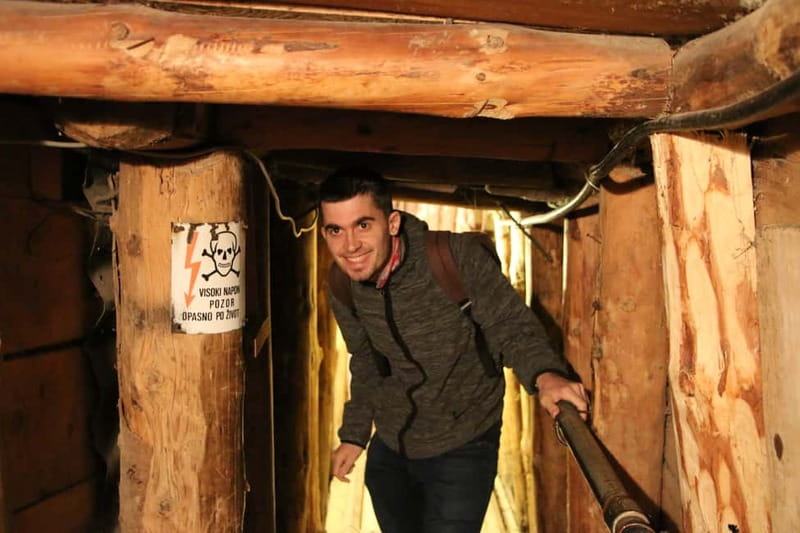
- The Tunnel of Hope puts Sarajevo’s survival story at ground level: You walk through part of the narrow passage and see the museum’s film and presentation.
- A veteran or survivor guide adds personal context: Guides including Adnan, Mustafa, Samira, Adis, Halid, and Senka have been praised for clear explanations and firsthand stories.
- Trebevic shows the siege from above: The mountain’s views are beautiful, but they also explain why the high ground mattered so much.
- The Olympic ruins are unexpectedly powerful: The abandoned bobsleigh and luge track links Sarajevo’s international sporting past with the damage of war.
- The route covers more than one museum: You also pass Hotel Holiday, visit the Jewish cemetery, stop at Yellow Bastion, and see the Shehidi cemetery.
- The $36 price buys a serious half-day of context: Transport, guiding, and a small-group format make this good value, though you should check which booking option includes the museum entrance fee.
Why this Sarajevo tour feels different
Many city tours give you a timeline and a few monuments. This one uses Sarajevo itself as the map. You travel from the city center toward the airport-side tunnel, then climb toward Trebevic, where the views explain the military geography better than a classroom lecture can.
The sequence matters. You first hear a short introduction during the 25 to 30-minute drive. Then the Tunnel of Hope gives you a physical sense of how people and supplies moved during the siege. After that, Trebevic lets you look back toward the city and understand the importance of the surrounding heights.
I like this approach because the war is not treated as an isolated museum subject. Bullet-scarred buildings, roads, viewpoints, cemeteries, and ruined Olympic facilities all become part of the story.
The guide makes a major difference. The company uses several English-speaking guides, and the guide assigned to you may vary. Adnan is described as a former soldier and peace activist, Mustafa has spoken about surviving the war as a young teenager, and Samira has shared her experience of the siege with families and children. Adis and other guides also bring personal memories of defending Sarajevo.
That personal element can be moving, but the strongest guides also explain the larger political setting. You are not simply hearing one person’s memories. You are given a framework for understanding the breakup of Yugoslavia, the wars in Slovenia and Croatia, and the conflict in Bosnia and Herzegovina.
A few more museum visits around the world worth comparing
- Vatican: Museums & Sistine Chapel Entrance Ticket
★ 4.5 · 144,003 reviews - Vatican Museums, Sistine Chapel & St. Peter’s Basilica Tour
★ 4.3 · 73,970 reviews - Paris: Louvre Museum Timed-Entrance Ticket
★ 4.6 · 71,977 reviews
The road to the Tunnel of Hope
The tour begins at the Info Bosnia Tourist Information Center on the main pedestrian street, near the Sarajevo Meeting of Cultures marker. Hotel pickup is available with the private option, while other departures use the central meeting point.
The drive to the tunnel takes about 25 to 30 minutes. Rather than treating this as dead time, the guide uses it to introduce the war and point out important buildings and locations along the way. That is useful because places you pass in the vehicle may be discussed again inside the museum.
You will also pass Hotel Holiday. This is a brief roadside sight rather than a long visit, but it helps connect the city center to the siege story. The drive gives you a chance to ask early questions, too, which can make the museum presentation easier to follow.
Transport is by air-conditioned vehicle. A small group keeps the ride and discussions more personal, while private tours are available if you want a slower pace or have a family group. The exact feel depends on the size of your departure, but the tour is designed to fit the main stops into four hours.
Walking through the Tunnel of Hope
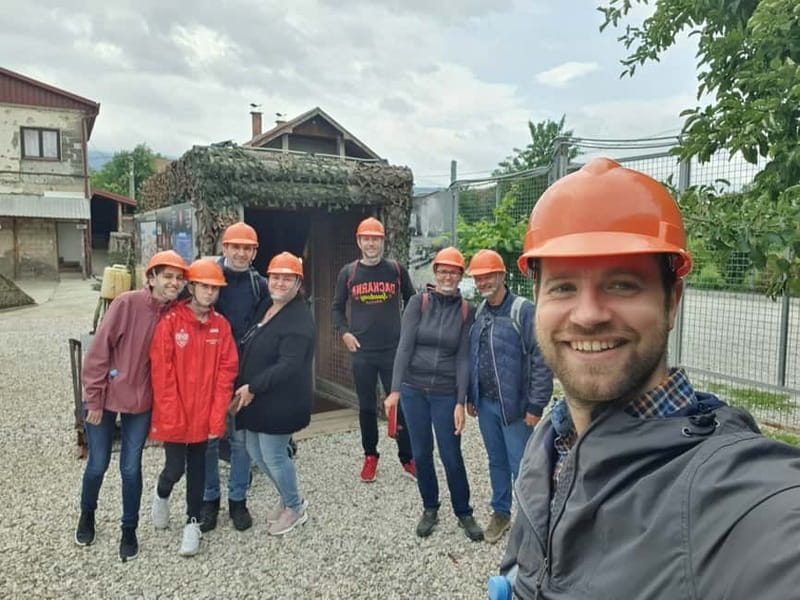
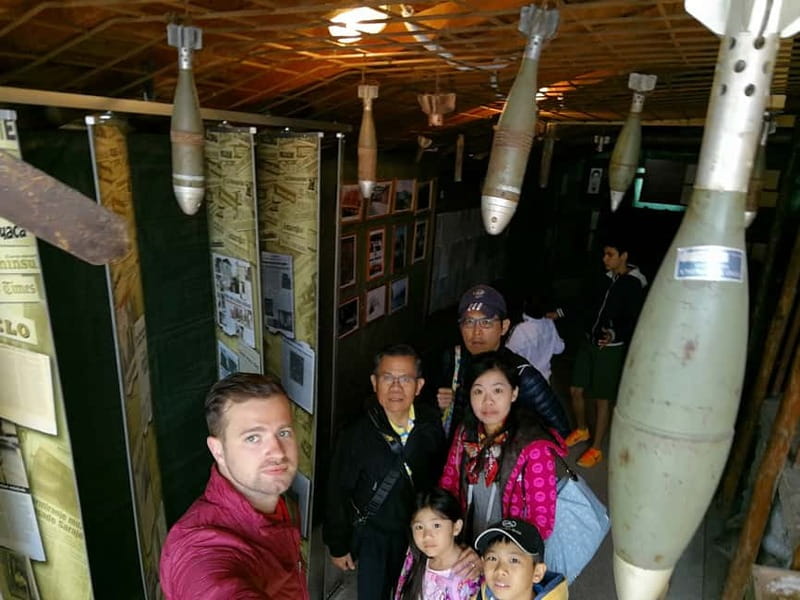
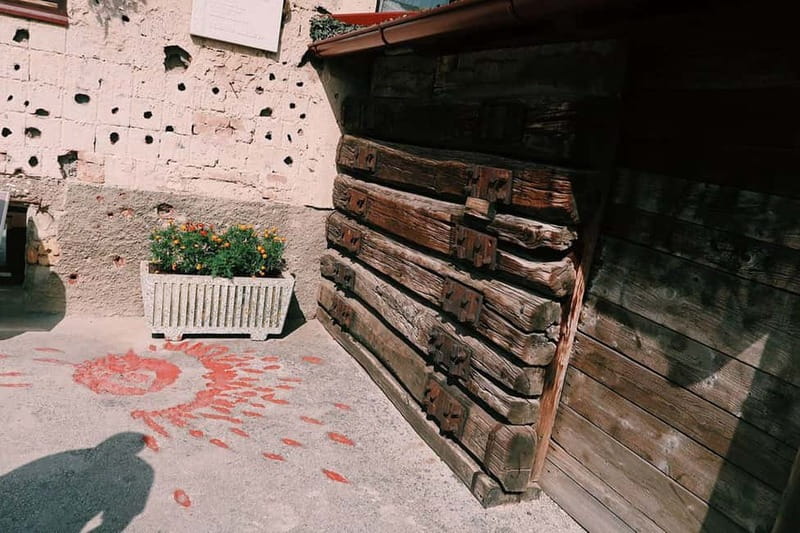
The Tunnel of Hope Museum is the tour’s main stop. At the entrance, the guide explains the museum’s position and points out the Sarajevo Rose, a red resin marking made at sites where mortar explosions killed people. It is a small detail, but it immediately connects the museum to the city’s streets.
You first watch a short film. Then comes a presentation of about one hour covering the fall of Yugoslavia, the wars in Slovenia and Croatia, the war in Bosnia and Herzegovina, and the tunnel’s purpose and importance.
The presentation gives the visit structure. Without that context, walking through a preserved tunnel section could feel like a quick photo opportunity. With it, the narrow passage becomes part of a larger story about keeping Sarajevo supplied and connected during the siege.
You do not spend the entire hour walking underground. The visit includes the film, guided explanation, and a walk through the accessible section of the tunnel. The passage is the kind of place that makes history physical: cramped, plain, and practical rather than grand.
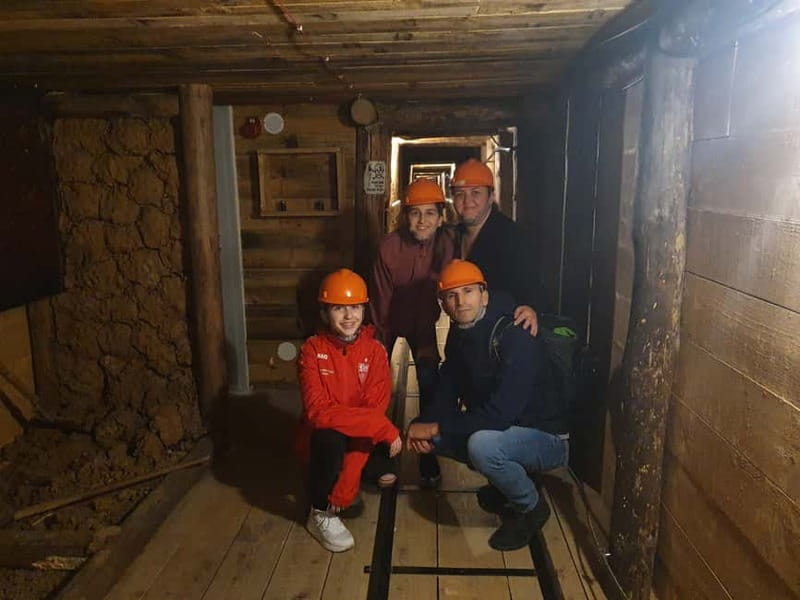
This stop may be difficult for anyone uncomfortable with confined spaces. It can also be upsetting because the museum deals directly with wartime suffering. I would not schedule it as a carefree family attraction, though families with older children may find the visit meaningful. One family specifically found that even elementary-age children engaged with the guide’s stories, but the subject remains serious.
The tunnel entrance fee is listed as 10 EUR when that option is selected. Because the package details can vary, check your chosen option to confirm if the admission is included. At the stated price of $36 per person, the tour offers good value when transport, guide service, and the museum entry are covered.
Sniper Alley and Sarajevo from the road
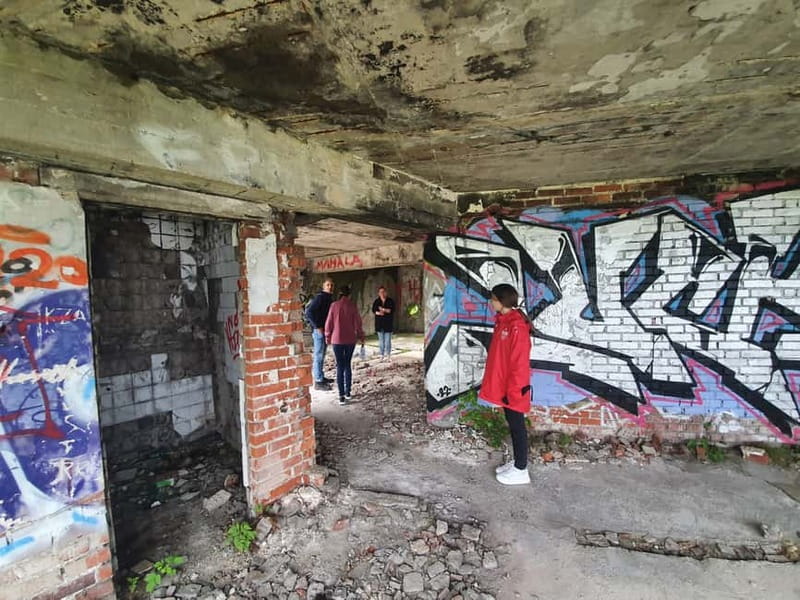
The route includes a pass by Sniper Alley, one of the best-known names associated with the siege. This is not presented as a theatrical attraction. You see the area from the vehicle while the guide explains its place in the city’s wartime experience.
That distinction matters. The tour does not turn damaged buildings or painful events into entertainment. Instead, the drive helps you notice how ordinary streets became dangerous and how Sarajevo’s enclosed valley affected daily life.
You may also see marks of the conflict on buildings around the city. The guide’s explanation helps you distinguish between an interesting-looking facade and a site with a specific place in the war. That is one reason a guided route is more useful here than simply walking around with a camera.
Same city, a completely different collection:
- Amsterdam: Van Gogh Museum Ticket
★ 4.7 · 52,054 reviews - Vatican Museums, Sistine Chapel & St Peter’s Basilica Guided Tour
★ 4.5 · 39,149 reviews - NYC: 9/11 Memorial & Museum Timed-Entry Ticket
★ 4.8 · 31,428 reviews - London: Tower of London and Crown Jewels Exhibition Ticket
★ 4.6 · 28,769 reviews
Trebevic, Osmice, and the view from the former front line
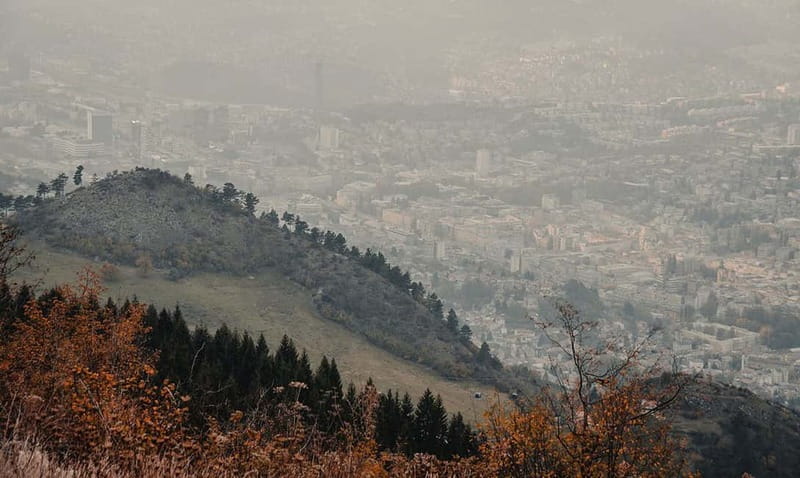
After the tunnel, the vehicle heads toward Trebevic, the Olympic mountain closest to central Sarajevo. It was also part of the front line during the siege, making the climb one of the tour’s most important changes in perspective.
At the destroyed hotel-restaurant Osmice, you can enter the remains and look around. The building is not polished or restored. Its damaged condition is precisely what makes the stop so direct. You see a place that once served people in peacetime and later became part of a war zone.
From Trebevic, you get broad views over Sarajevo. This is one of the most visually appealing parts of the outing, but the beauty comes with a hard fact: the same heights offered commanding positions over the city.
I find this stop especially useful for understanding military geography. From the valley floor, it is easy to treat the siege as a series of disconnected stories. From the mountain, the relationship between the city center and the surrounding positions becomes much clearer.
The view also provides a pause after the tunnel museum. You can take photographs and absorb what you have heard. Still, do not expect a purely scenic mountain excursion. The guide will connect the viewpoint to the fighting and to the experience of civilians below.
The abandoned Olympic bobsleigh and luge track
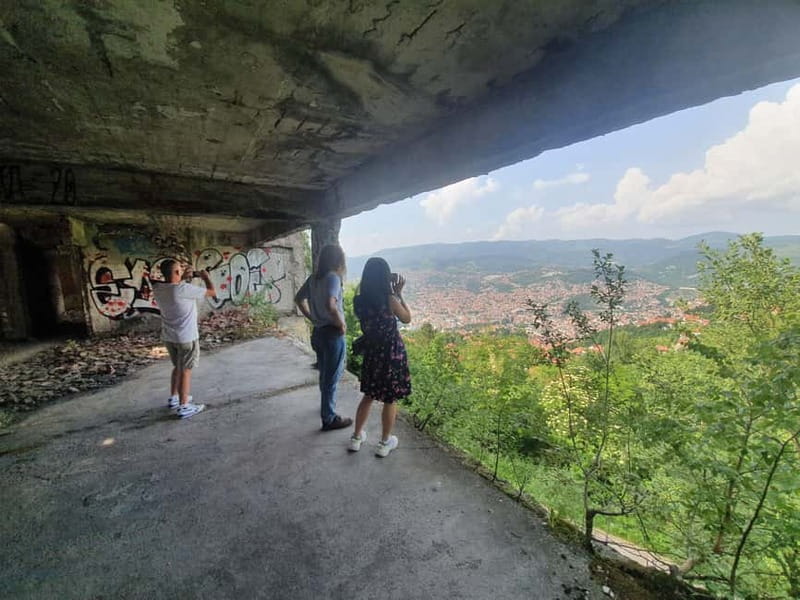
Trebevic’s abandoned bobsleigh and luge track is the tour’s most unusual sight. Built for the 1984 Winter Olympics, it now appears as a weathered structure in the woods, with sections available for viewing and walking.
The contrast is striking. Sarajevo once hosted an international sporting event, then the same mountain became associated with military positions and destruction. You do not need a long lecture to understand the change. The physical remains tell much of the story.
This is also one of the more relaxed stops. You have time for photographs and a walk, and the setting can feel atmospheric, especially in mist or fog. One guide described the forest atmosphere as especially memorable, but conditions naturally change with the weather.
The track may be the favorite stop for children or anyone who likes unusual urban ruins. It is also a good reminder that this is not only a tunnel tour. The outing combines war history, Olympic history, architecture, and views in a compact route.
Wear shoes suitable for walking on uneven surfaces. The supplied details do not promise a formal paved visit throughout, and the site is abandoned, so sensible footwear is more useful than smart city shoes.
The Jewish cemetery and its unusual tombstones
Below Trebevic lies Sarajevo’s Jewish cemetery, described as the second largest Jewish cemetery in Europe. The tour stops for a guided visit and photographs.
The cemetery is important not only for its age and size, but also for the shape of its tombstones. Their forms are unique to Bosnia and Herzegovina and are believed to have been influenced by medieval Bosnian tombstones known as stecak.
This stop broadens the tour beyond the 1990s conflict. Sarajevo’s identity has been shaped by different religious and cultural communities, and the cemetery offers a quiet way to consider that longer story.
It is also a useful contrast with the more exposed mountain sites. After the noise and destruction associated with war, a cemetery asks for a slower pace. Listen carefully to the guide here, since the unusual tombstone forms and local connections are the main reason to stop.
Yellow Bastion and the final cemetery
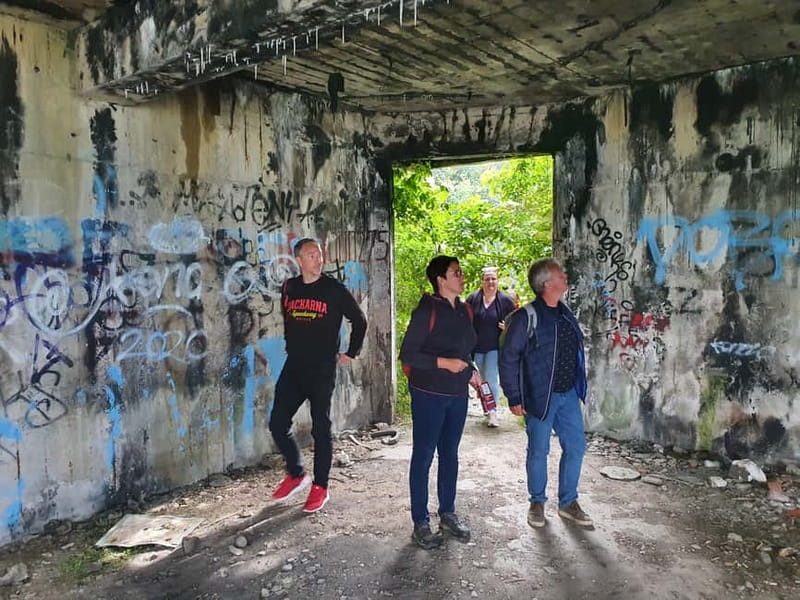
The route continues toward the old Ottoman part of Sarajevo for a stop at Yellow Bastion. The bastion provides another view over the city and connects the war tour to Sarajevo’s older urban story.
This is a photo stop and a guided visit, not a lengthy fortress tour. Its value comes from location and atmosphere. You get another angle on the city, along with a chance to place the modern conflict within Sarajevo’s much older past.
The final stop is the Shehidi, or Martyr, cemetery. It is the resting place of soldiers who died for an independent Bosnia and Herzegovina, and it includes the grave of Alija Izetbegovic, the country’s first president.
This ending is solemn rather than spectacular. It brings the tour back to individual loss after the broad views and military geography of Trebevic. I appreciate that the route finishes here instead of ending only with a scenic overlook. The closing stop gives the day a clear human focus.
What the guides add
The guide is the reason to choose this tour over a self-guided taxi trip. The museum already provides information, but a veteran or survivor can explain how the sites connect and answer questions that a display panel cannot.
Guide names reported for this experience include Adnan, Mustafa, Samira, Adis, Halid, Senka, Enes, and others. You cannot assume you will receive a particular person unless the operator confirms it, but the repeated pattern is clear: guides are selected for personal experience, strong English, and the ability to explain the conflict to an international audience.
Adnan has been praised for explaining military strategy and political context in a balanced way. Mustafa has spoken about living through the war as a child and teenager. Samira has guided families with a warm, patient style, while Adis has been noted for clear explanations and firsthand memories of the conflict.
Personal testimony needs to be handled with respect. You may hear painful stories, and different guides will naturally emphasize different parts of their experience. Ask questions politely, give the guide room to speak, and remember that this is lived memory, not simply a scripted museum performance.
Price, group size, and practical value
The listed price is $36 per person for four hours. That is fair value for a guided route covering several outlying locations, especially since the vehicle is air-conditioned and the tour uses a small-group format.
The value is strongest if you want context rather than just transport. A taxi can take you to the tunnel and Trebevic, but it will not automatically explain the connection between the valley, the mountain positions, the Olympic track, and the city’s memorial sites.
Check the booking option carefully. Private tours and small groups are available, hotel pickup is connected to the private option, and the Tunnel of Hope entrance fee of 10 EUR is included only if that option is selected. Personal expenses are not included.
The tour lasts four hours, so it fits well into a Sarajevo morning or afternoon. Starting times vary, and the route may finish back in Sarajevo or at the Info Bosnia Tours location. You can cancel up to 24 hours ahead for a full refund, and the reserve-now, pay-later option keeps your plans flexible.
The experience is in English unless another arrangement is requested. English-language ability is important here because much of the value comes from the guide’s explanations and conversation.
Who should book this tour?
I would choose this tour if you want to understand Sarajevo beyond its cafes, Ottoman streets, and handsome views. It suits history-minded visitors, people interested in the breakup of Yugoslavia, and anyone who wants to hear local experience rather than read only display text.
It also works well for a first full day in Sarajevo because the route gives you a quick grasp of the city’s shape and major wartime sites. Afterward, you will likely notice buildings and memorials in the center with more awareness.
Families can enjoy the bobsleigh track and vehicle-based route, but parents should prepare children for serious material. The tunnel and cemeteries are not amusement stops.
I would be less likely to recommend it to someone seeking only scenic photography or a relaxed mountain outing. The views are excellent, but the purpose is remembrance and explanation. The emotional tone is heavy at times, and the subject deserves your full attention.
Should you book the Sarajevo Tunnel Museum war tour?
Yes, if you want a serious, well-planned half-day that connects the Tunnel of Hope with the places around Sarajevo that made the siege understandable. The strongest reason to book is the guide: a person such as Adnan, Mustafa, Samira, or Adis can add human detail and answer the questions that a museum cannot.
Book it knowing that you will see damaged sites, cemeteries, and places tied to death and displacement. In return, you get a clear route, strong geographic context, the Olympic ruins on Trebevic, and a direct encounter with Sarajevo’s recent past.
At $36, it is a solid choice for the time and transport provided. Check the entrance-fee option, wear practical shoes, and leave some quiet time afterward. For most visitors who want to understand Sarajevo rather than simply photograph it, this is one of the more worthwhile outings from the city.
FAQ
How long does the Sarajevo Tunnel Museum war tour last?
The tour lasts four hours, including transportation between the central meeting point, the Tunnel of Hope, Trebevic, the Jewish cemetery, Yellow Bastion, and the final cemetery stop.
Where does the tour meet?
The standard meeting point is the Info Bosnia Tourist Information Center on Sarajevo’s main pedestrian street, close to the Sarajevo Meeting of Cultures marker.
Is hotel pickup available?
Hotel pickup and drop-off are available if you choose the private option. Other departures use the central meeting point.
Is the Tunnel of Hope entrance fee included?
The 10 EUR Tunnel of Hope Museum entrance fee is included if you select the option that includes it. Check your chosen booking option before paying.
What language is the tour in?
The tour is conducted in English unless another arrangement is requested.
Can I cancel the tour?
You can cancel up to 24 hours in advance for a full refund. A reserve-now, pay-later option is also available.
Just added around the world
- Girona, Figueres, Dalí Museum and Cadaqués Tour from Barcelona★ 4.5 · 36 reviews
- Football Club Barcelona Museum Immersive Tour Guided Visit★ 3.5 · 52 reviews
- Erotic Museum Admission Ticket with Audioguide★ 5.0 · 527 reviews
- Dali Museum and Costa Brava Small Group Day Trip from Barcelona★ 5.0 · 77 reviews
- White Rabbit Museum: The Best Immersive Experience in Catalonia★ 5.0 · 538 reviews
- Madrid by High-Speed Train with Prado Museum Private Tour★ 4.0 · 33 reviews
- Guitar Legends Hall: Entrance to the Immersive Rock Museum★ 5.0 · 25 reviews
- Private Dali Museum, Besalú & Girona Tour from Barcelona★ 5.0 · 15 reviews
Tours, compared.

Vatican Museums, Sistine Chapel & St. Peter’s Basilica Tour
Read our review →
Vatican Museums, Sistine Chapel & St Peter’s Basilica Guided Tour
Read our review →
Vatican Museums, Sistine Chapel and Basilica Tour
Read our review →
Vatican Museums, Sistine Chapel & Basilica Tour
Read our review →
Vatican Museums & Sistine Chapel Guided Tour
Read our review →
Louvre Museum Masterpieces Guided Tour with Access
Read our review →
Old Town, Creek, Museums, Souks, & Street Food Tour
Read our review →