
Review · ROME
Rome: National Etruscan Museum Ticket & App Audioguide
The most surprising part of this visit is the setting. The National Etruscan Museum is housed in Villa Giulia, a 16th-century papal villa with courtyards, frescoes, a nymphaeum, and gardens. You are not simply walking through display rooms. The building itself is part of the experience.
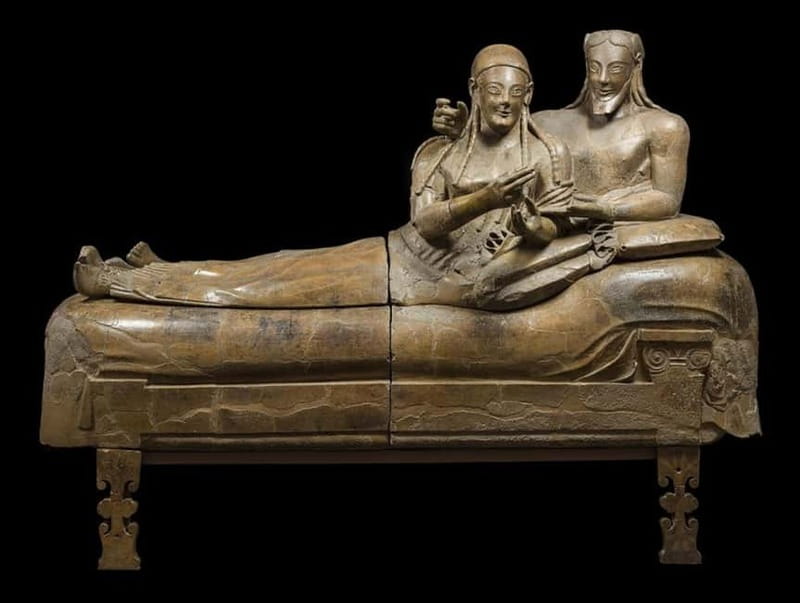
I like the chance to see the Sarcophagus of the Spouses from Cerveteri and the unusual Pyrgi Tablets, written in both Etruscan and Phoenician. I also like the museum’s calm gardens and the reproduction of the Temple of Alatri. The main drawback is the audioguide: it is offered only in English or Italian, and the app does not provide earphones, which can make listening awkward.
Key points
- Renaissance setting: Villa Giulia was built for Pope Julius III between 1550 and 1555, with courtyards, frescoes, and a graceful nymphaeum.
- Famous Etruscan sculpture: See the Sarcophagus of the Spouses from Cerveteri, one of the museum’s essential sights.
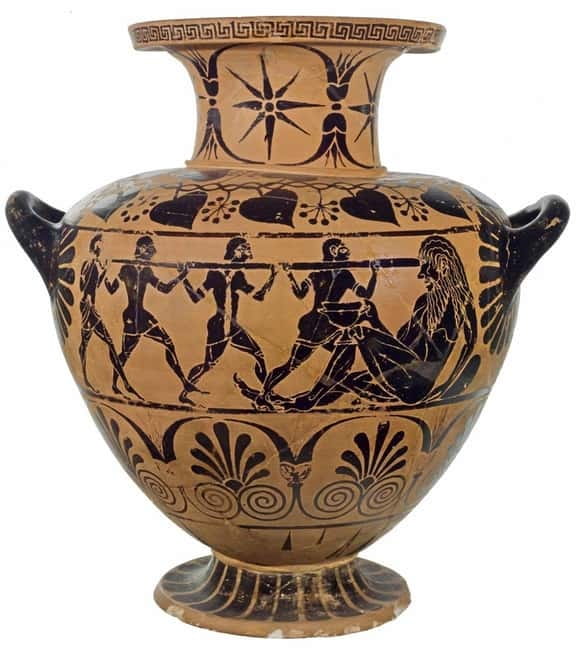
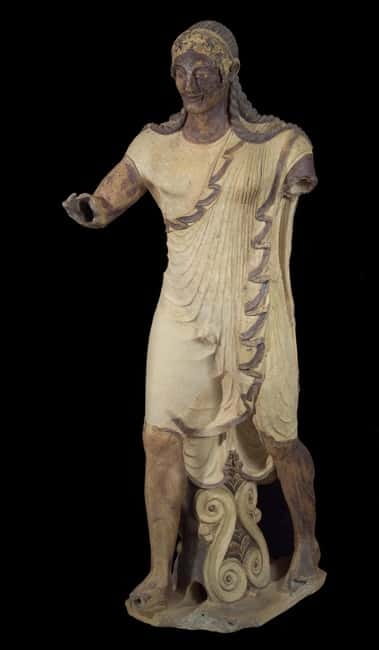
- Archaeological variety: Explore bronzes from Vulci, terracotta decoration from Veio, jewellery, inscriptions, and objects arranged by place and type.
- Useful audio option: The digital guide adds context, but you need your own earphones for a better listening experience.
- Quiet outdoor finish: The visit ends in Villa Giulia’s gardens, with a life-size reproduction of the Temple of Alatri.
- Simple two-hour plan: The museum suits a focused half-day stop, especially if you want ancient Italy without the crowds of the Colosseum area.
Why Villa Giulia is worth your time
Rome has no shortage of ancient sites, but the Etruscans can be easy to overlook. They lived in central Italy before Rome became the dominant power, and their art gives you a different view of the ancient world. At Villa Giulia, you can see how they treated death, religion, trade, clothing, writing, and daily life.
I find this museum especially useful because it brings objects from several important Etruscan sites into one place. Instead of visiting Vulci, Veio, Cerveteri, and Pyrgi separately, you can compare their work under one roof. That makes the museum a practical choice when your Rome schedule is already full.
The ticket costs about $20 per person. That is not a bargain-basement museum price, but it includes admission and the digital audioguide app. The value depends on your interests. If ancient art is high on your list, the combination of major objects and an important Renaissance building makes the price reasonable. If you want only Rome’s most famous landmarks, you may prefer to spend the money elsewhere.
Plan on about two hours. You can move faster, but doing so would reduce the visit to a checklist of famous objects. Give yourself enough time to read labels, listen to selected audio stops, study the building, and walk through the gardens.
More Museum Tours in Rome
- Vatican Museums, Sistine Chapel & St. Peter’s Basilica Tour
★ 4.3 · 73,970 reviews - Vatican Museums, Sistine Chapel & St Peter’s Basilica Guided Tour
★ 4.5 · 39,149 reviews - Rome: Vatican Museums, Sistine Chapel and Basilica Tour
★ 4.3 · 16,039 reviews
Arriving at Piazzale di Villa Giulia 9
The meeting point is Piazzale di Villa Giulia 9 in Rome. You exchange your voucher at the ticket office for the official entry ticket, so do not treat the digital voucher as the final museum ticket.
Arrive about 15 minutes early for check-in. That small cushion matters because the ticket exchange is part of your arrival process. It also gives you time to open the audioguide instructions before entering instead of trying to manage your phone while standing in the queue.
Your booking confirmation contains the instructions for the digital guide. Check those details before leaving your hotel. The app is the main added feature of this ticket, and it is more useful when your phone is charged and ready.
The museum is wheelchair accessible, and accessible services are available. The information provided does not specify every route or facility, so visitors who need a particular arrangement should confirm details with the museum before arrival.
Villa Giulia’s Renaissance courtyards
Start by paying attention to the villa before you focus on the cases. Pope Julius III had Villa Giulia built from 1550 to 1555, and its courtyards and formal design give the museum a sense of place that many archaeological collections lack.
The architecture is elegant without feeling remote. You see courtyards, frescoes showing the Seven Hills of Rome, and a nymphaeum that brings water and shade into the design. These details help explain how a Renaissance pope wanted to frame power, culture, and leisure.
The building also changes the rhythm of the visit. You move from ancient objects to Renaissance decoration, then back to Etruscan material. I like that contrast because it reminds you that Rome’s past has been collected, studied, and displayed by later generations.
The nymphaeum is one of the most distinctive parts of the complex. The museum also offers special routes into underground areas, including the nymphaeum and the Virgin aqueduct. Access to these areas can depend on the museum’s arrangements, so do not assume every underground space is part of the standard route at every visit.
How to use the app audioguide
The included digital audioguide can help you make sense of an unfamiliar culture. Etruscan names, sites, and objects are not always self-explanatory, especially if this is your first museum devoted to the subject.
The app is available in English or Italian. If you need another language, this ticket may not suit you. One booking note specifically points out that the audioguide is not available in every language, so check before paying.
Bring your own earphones. The app does not supply them, and listening directly from your phone can be poor in a quiet gallery. You may hear the guide, but you will need to hold the phone close, use the speaker, or share audio with the people in your group. Your own earphones make the visit much easier.
You do not have to listen to every stop. I would use the audio for the Sarcophagus of the Spouses, the Pyrgi Tablets, and the major site-based displays. Then pause it when the building or gardens deserve your full attention. Two hours is enough for a selective audio visit, but trying to hear every detail may make the experience feel rushed.
A few more museum visits around Rome worth comparing
- Rome: Borghese Gallery Ticket and Optional Audio Guide
★ 4.3 · 902 reviews - Borghese Gallery entry ticket and audioguide App
★ 4.7 · 570 reviews - Rome: Vatican Museums & Sistine Chapel Entry with Audio App
★ 4.3 · 240 reviews - Rome: Jewish Museum and Tempio Maggiore Entry with Audio
★ 3.9 · 36 reviews
The Etruscan collections from Vulci and Veio
The museum’s displays are arranged using topographical and typological criteria. In plain English, that means you can follow objects by their original place and by their type. This is helpful because it connects an object to a site instead of presenting ancient Italy as one large, undifferentiated collection.
Look for bronzes from Vulci. Bronze work is one of the pleasures of this collection because the material can show both technical skill and decorative taste. The exact selection may vary in how much time you give it, but the Vulci material gives the museum a strong archaeological anchor.
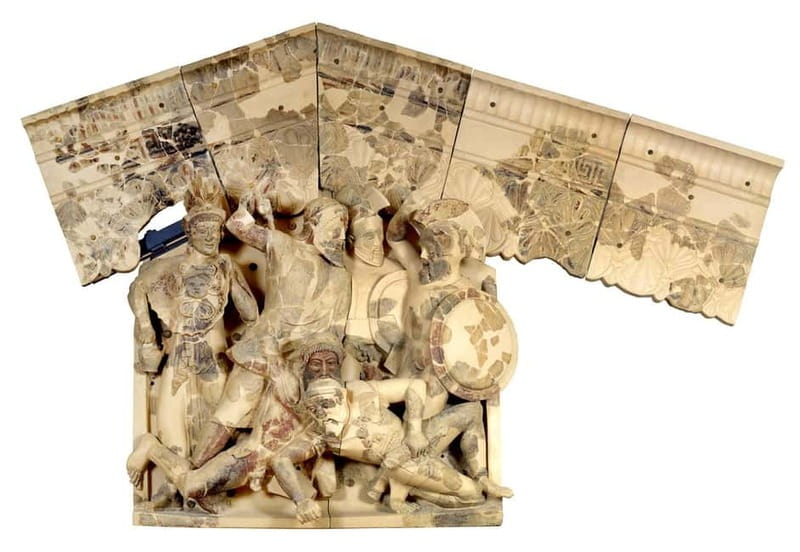
Veio is represented by terracotta decorations. These pieces help you picture how temples and buildings once looked, rather than imagining Etruscan sites as bare stone ruins. Terracotta can be easy to pass quickly, so listen to the audio or read the labels to understand why the fragments matter.
The arrangement by place also makes this stop useful for anyone planning future visits in Lazio. You can begin to see the differences between communities without needing to know every date or archaeological term. The museum gives you a framework for understanding central Italy before and around the rise of Rome.
The Sarcophagus of the Spouses from Cerveteri
The Sarcophagus of the Spouses is the museum’s must-see object. It comes from Cerveteri and shows a reclining couple on the lid of a large terracotta funerary container.
The figures are presented together, with a formal but warm quality. Their pose offers a glimpse into Etruscan ideas about marriage, status, and the afterlife. The sculpture is not a realistic portrait in the modern sense, but it communicates presence and social importance.
Give this piece more than a quick photograph. Look at the gestures, the clothing, the arrangement of the bodies, and the way the figures meet the viewer’s gaze. The object is powerful because it treats a tomb not only as a container for the dead, but also as a statement about a couple.
This is where the audioguide can earn its place in the ticket price. A short explanation can help you see why the sculpture is famous and what makes its style different from better-known Greek or Roman works.
The Pyrgi Tablets and Etruscan writing
The Pyrgi Tablets are another essential stop. They carry inscriptions in Etruscan and Phoenician, making them important for the study of language and contact between cultures.
You will not suddenly be able to read Etruscan after seeing them. That is part of the appeal. The tablets show how much ancient evidence can survive while still leaving major questions unanswered. The pairing of two languages also points to trade, diplomacy, and communication across the Mediterranean.
For me, this is one of the museum’s most rewarding displays because the object is both physical and intellectual. You can look at the metal tablets as ancient artefacts, then think about the limits of what scholars can translate and reconstruct.
Use the audioguide here if possible. Without context, inscriptions can look like lines of marks behind glass. With an explanation, they become evidence of a society negotiating with its neighbours.
Castellani jewellery and smaller treasures
The Castellani collection adds a change of scale. After large sculptures, architectural pieces, and funerary objects, the jewellery draws your attention to fine detail.
Jewellery is useful in a museum like this because it brings ancient people closer to everyday concerns. It suggests clothing, status, personal display, craftsmanship, and the movement of precious materials. Small pieces also reward a slower look, especially if you enjoy decorative arts.
Do not expect the same kind of visit as a modern jewellery exhibition. The collection sits within a larger archaeological museum, so its importance is tied to Etruscan material culture and collecting history. The display is best treated as one part of a broader story, not as the whole reason to come.
The underground areas and Virgin aqueduct
Villa Giulia has more than its main galleries. Unique routes can include underground spaces connected with the nymphaeum and the Virgin aqueduct.
These areas add physical depth to the visit. You are not just looking at ancient objects in bright cases. You may also see how water, foundations, and hidden service spaces shaped the villa’s design.
Access details are not fully specified, so ask at the museum when you arrive if the underground route is open during your visit. Do not build your entire plan around it. Treat it as a worthwhile extra when available.
The same advice applies to the nymphaeum. It is one of the architectural features that gives Villa Giulia its character, but the museum experience is still worthwhile if a special route is not operating.
Finishing in the gardens and at the Temple of Alatri
Save time for the gardens. They offer a welcome pause after the galleries and help you understand the villa as a place designed for both display and retreat.
The main outdoor attraction is a life-size reproduction of the Temple of Alatri. It is not an original ancient temple, but the full-scale reconstruction gives you a better sense of proportion and form than a small model could.
That distinction matters. You are looking at a modern reproduction within a historic villa, not an untouched ancient building. Still, it can help you picture how a temple might have appeared as an architectural space rather than as scattered archaeological remains.
I like ending here because the gardens slow the visit down. Rome can fill your day with grand churches, crowded piazzas, and major ruins. Villa Giulia gives you a quieter final stretch, with room to consider what you have seen.
Price, timing, and practical value
At about $20, this is best viewed as a focused museum visit rather than a bargain attraction. The ticket includes the museum entrance and the digital audioguide, but not meals, drinks, or a personal guide.
The two-hour duration is realistic for a solid first visit. You can see the major highlights, follow selected audio stops, and enjoy the gardens without turning the day into a marathon. If you want to examine every case, read every label, or take an underground route, you may need more time.
The free cancellation period extends to 24 hours before the visit, and the reserve-now, pay-later option helps if your Rome schedule is still shifting. These details are useful in a city where weather, train delays, and timed museum plans can rearrange a day.
Photography is allowed, but flash photography is not. Flash can harm sensitive objects and disturb other people in small galleries, so keep it switched off. Bring a charged phone, your own earphones, and enough time to exchange the voucher at the ticket office.
Who should book this Villa Giulia visit?
I would recommend this experience to anyone interested in archaeology, ancient Italy, museum architecture, or the cultures that came before imperial Rome. It also suits repeat visitors who have already seen the Vatican Museums and Colosseum and want a less predictable museum stop.
Families with older children may find the Sarcophagus of the Spouses and Temple of Alatri reproduction easy entry points. The audio language limit and phone-based listening may be less convenient for younger children, so keep the visit flexible.
This is not the right choice if you want a live guide leading a group or a broad survey of all Roman antiquity. There is no personal tour guide, and the audio app requires your own device. It is also a weaker match if you need a language other than English or Italian.
Should you book the National Etruscan Museum ticket?
Book it if you want a two-hour cultural stop with major Etruscan objects, a beautiful Renaissance setting, and a peaceful garden finish. The Sarcophagus of the Spouses, Pyrgi Tablets, Villa Giulia courtyards, and Temple of Alatri reproduction give the visit a clear shape and plenty of variety.
Think twice if you dislike app guides, need another audio language, or expect earphones to be supplied. Bring your own, and treat the audio as a useful aid rather than the entire reason to visit.
For the right visitor, this ticket offers a thoughtful break from Rome’s headline sights. You get ancient art, unusual inscriptions, Renaissance design, and open-air space in one manageable stop.
FAQ
Where is the National Etruscan Museum of Villa Giulia?
The museum is at Piazzale di Villa Giulia 9, 00196 Rome, Italy.
How long does the visit last?
The stated duration is two hours. This allows time for the main exhibits, selected audioguide stops, the villa, and the gardens.
What does the ticket include?
It includes entrance to the National Etruscan Museum of Villa Giulia and a digital audioguide app.
Is a personal tour guide included?
No. The ticket includes a digital audioguide app, not a personal tour guide.
Which languages are available for the audioguide?
The audioguide is available in English or Italian.
Do I receive earphones for the audioguide?
No. The app is provided without earphones, so bringing your own is advisable.
Where do I exchange the voucher?
Exchange the voucher at the ticket office for the official entry ticket.
How early should I arrive?
Arrive 15 minutes before your scheduled check-in time.
Is the museum wheelchair accessible?
Yes. Accessible services and facilities are available.
Can I take photographs inside?
Yes, photography is allowed, but flash photography is not permitted.
Just added around Rome
- Vatican City: Sistine Chapel, Museums, Basilica Private Tour★ 4.8 · 158 reviews
- Rome: Hop-on Hop-off Bus & Vatican Museums Ticket★ 3.5 · 41 reviews
- Rome: Vatican Museums, Sistine Chapel, and St. Peter’s Tour★ 4.5 · 49 reviews
- Skip-The-Ticket Line-Vatican Museum & Sistine Chapel★ 3.9 · 383 reviews
- Skip the line Vatican Museum Sistine & St.Peter Private Tour★ 4.7 · 40 reviews
- Skip-the-Line Vatican Museums and Sistine Chapel Guided Tour★ 4.3 · 130 reviews
- Skip-the-Line Tickets: Vatican Museum and Sistine Chapel★ 3.5 · 114 reviews
- MAXXI – Museum of Contemporary Art of 21st century★ 4.0 · 91 reviews
Museum Tours in Rome, compared.
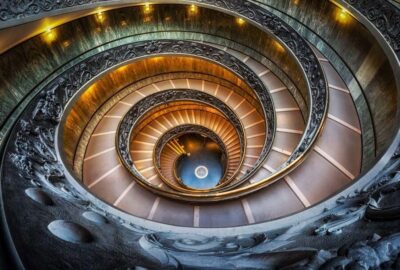
Vatican Museums, Sistine Chapel & St. Peter’s Basilica Tour
Read our review →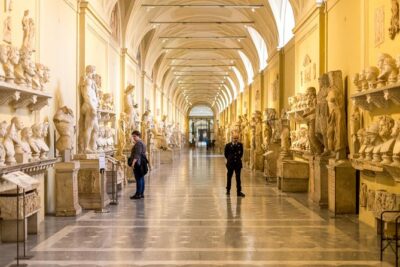
Vatican Museums, Sistine Chapel & St Peter’s Basilica Guided Tour
Read our review →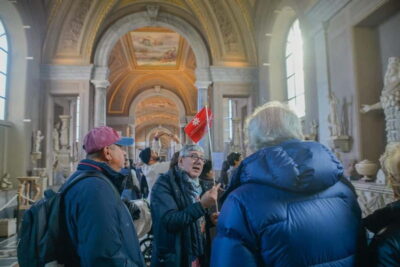
Vatican Museums, Sistine Chapel and Basilica Tour
Read our review →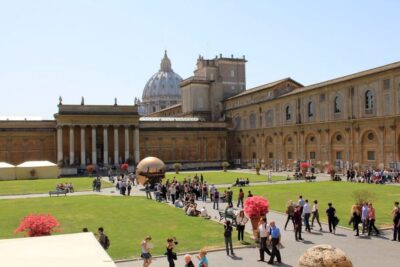
Vatican Museums & Sistine Chapel Skip-the-Line Entry Ticket
Read our review →
Vatican Museums, Sistine Chapel & Basilica Tour
Read our review →
Vatican Museums & Sistine Chapel Guided Tour
Read our review →
Vatican Museums & Sistine Chapel Skip-the-Ticket-Line Tour
Read our review →
Vatican Museums, Sistine Chapel and St. Peter’s Basilica Tour
Read our review →Browse the lists this tour appears in