
Review · ROME
Rome: National Roman Museum Entry Ticket
Rome’s National Roman Museum gives you something many Rome tickets do not: seven days to visit three separate museums at your own pace. Instead of rushing through one large building, you can see Roman art in historic settings, from the frescoes of Livia’s Villa to the immense Baths of Diocletian.
I especially like the chance to compare Palazzo Massimo’s archaeology collection with the refined sculptures at Palazzo Altemps. I also like the simple ticket setup, since you receive it by email and WhatsApp and can begin at whichever of the three sites suits your day. The main drawback is that this is admission only, with no guide, and the ticket does not include Crypta Balbi.
Key points to know before you book
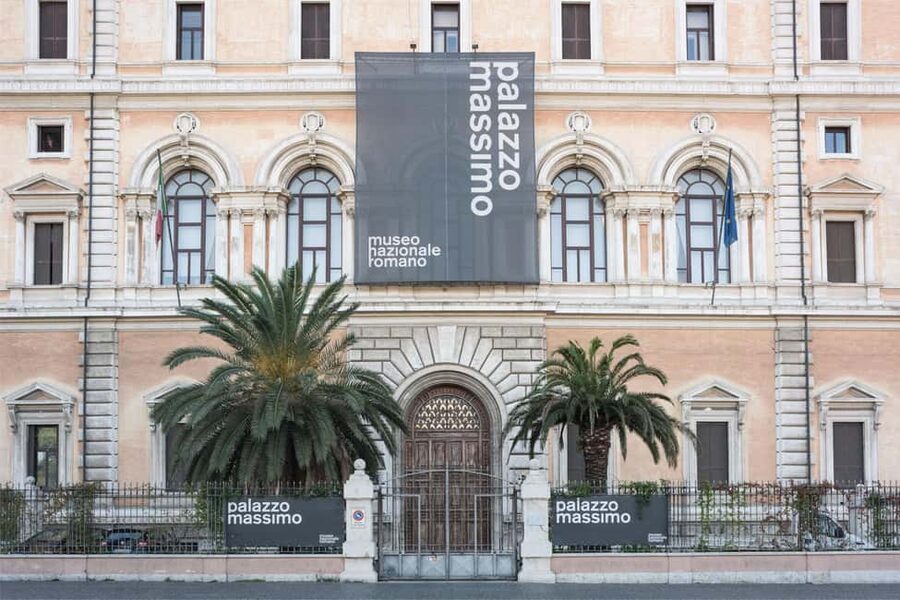
- Three museums in one ticket: Visit Palazzo Massimo, Palazzo Altemps, and the Baths of Diocletian.
- Seven days of flexibility: The ticket starts with your first scan, and each museum can be entered once.
- Livia’s Villa frescoes: Palazzo Massimo holds one of the most memorable Roman painting displays in the city.
- The empire’s largest bath complex: The Baths of Diocletian offer huge architectural remains and epigraphic collections.
- No guided tour: You explore independently, so bring your own context or plan to read the displays carefully.
- Crypta Balbi is not included: It requires a separate admission ticket.
Why this museum ticket works differently from most Rome visits
The National Roman Museum is spread across several locations rather than packed into one building. That arrangement can seem less tidy at first, but it gives you a better sense of how Roman objects fit into different kinds of spaces.
You can begin at Palazzo Massimo near Termini, visit Palazzo Altemps in the historic center, or go to the Baths of Diocletian. There is no meeting point, and your ticket is delivered electronically through email and WhatsApp. That makes this a useful choice if you prefer to set your own schedule instead of joining a fixed tour.
The ticket costs $35 per person. Its value depends on how many sites you plan to see. If you visit all three, you get access to major collections of sculpture, painting, mosaics, inscriptions, coins, and everyday objects over seven days. If you only have time for one short museum stop, the price is harder to justify.
You can visit each included museum once. That rule matters, since the seven-day validity does not mean unlimited re-entry. Plan your three visits with care, especially if you expect to split them across different days.
More Museum Tours in Rome
- Vatican Museums, Sistine Chapel & St. Peter’s Basilica Tour
★ 4.3 · 73,970 reviews - Vatican Museums, Sistine Chapel & St Peter’s Basilica Guided Tour
★ 4.5 · 39,149 reviews - Rome: Vatican Museums, Sistine Chapel and Basilica Tour
★ 4.3 · 16,039 reviews
Palazzo Massimo and the finest Roman interiors
Palazzo Massimo alle Terme is the natural starting point for many people because it offers a broad survey of Roman art in a traditional museum setting. Here you can expect classical sculptures, mosaics, frescoes, coins, and objects connected to daily life.
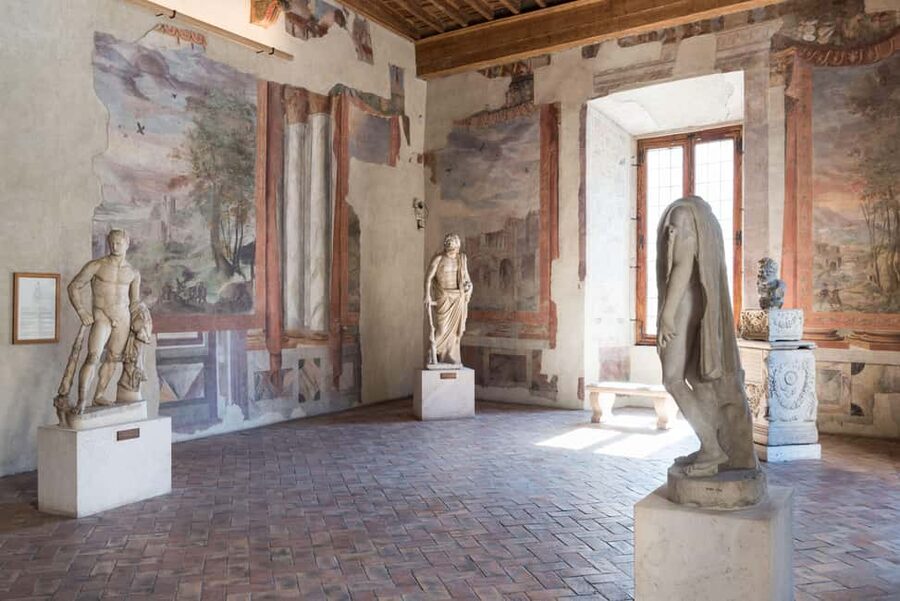
The most famous feature is the group of frescoes from Livia’s Villa. These paintings are known for their garden scenes, showing trees, plants, and birds in a carefully arranged setting. They offer a more personal view of Roman life than a monumental statue does. You are not only looking at public power and imperial images, but also at the decorative world created for a private residence.
Give yourself time with the wall paintings. The details reward a slower look, and the frescoes help explain how Roman homes used painted decoration to create the feeling of open space. If your interest is ancient painting rather than only marble sculpture, Palazzo Massimo is likely to be the most important stop on your ticket.
The sculpture collection adds another layer. You can see the Roman taste for idealized bodies, gods, emperors, and mythological figures, while mosaics show how floors and domestic spaces were decorated. Coins and ordinary objects help shift the focus from famous artworks to the economic and social life of the city.
I would allow a generous part of your museum time here, particularly if you like art history. The collection covers many types of material, so a hurried visit can become a quick march past objects that deserve attention.
Palazzo Altemps and aristocratic sculpture collections
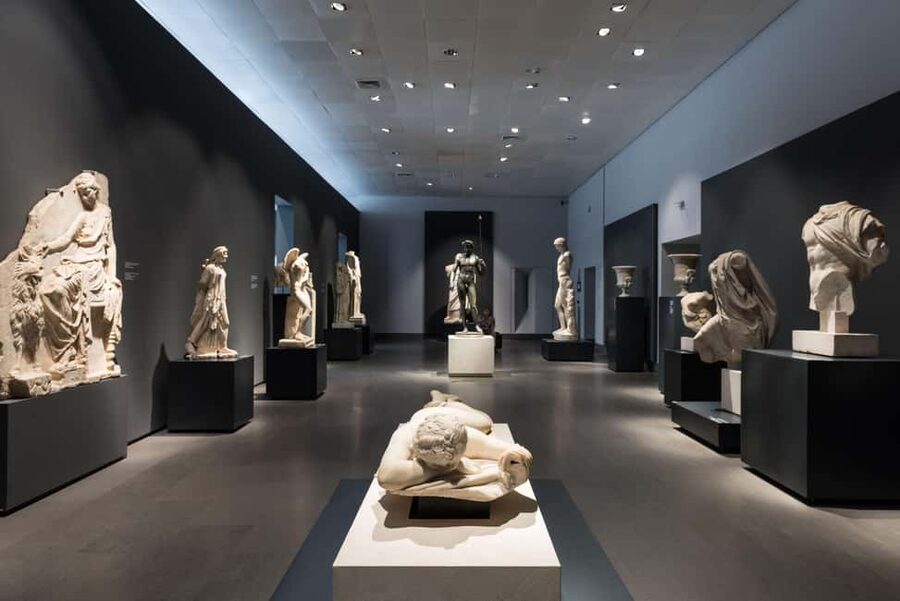
Palazzo Altemps offers a different mood. Its ancient sculptures once belonged to noble Roman families and Renaissance collectors, and the building provides a setting that feels more refined and intimate than a large modern gallery.
The collection is especially useful for seeing how ancient sculpture was preserved, collected, and displayed long after the Roman Empire ended. These works did not simply remain buried until modern archaeologists found them. Many passed through the hands of powerful families and collectors, becoming part of later Roman culture.
That story gives Palazzo Altemps a wider time frame. You are looking at ancient works, but also at the later taste that decided which objects were treasured, restored, and displayed. The result is a museum visit that connects antiquity with Renaissance collecting.
This stop suits you if sculpture is your main reason for visiting the National Roman Museum. It is also a good counterpoint to Palazzo Massimo. Massimo offers a wide archaeological range, while Altemps centers more strongly on ancient statues and the history of collecting.
The ticket allows one visit to Palazzo Altemps, so do not treat it as a quick spare stop unless your schedule leaves you no choice. Since there is no guide included, read the labels and take your time comparing the works. The experience depends on your willingness to build the story yourself.
The Baths of Diocletian and Rome on a huge scale
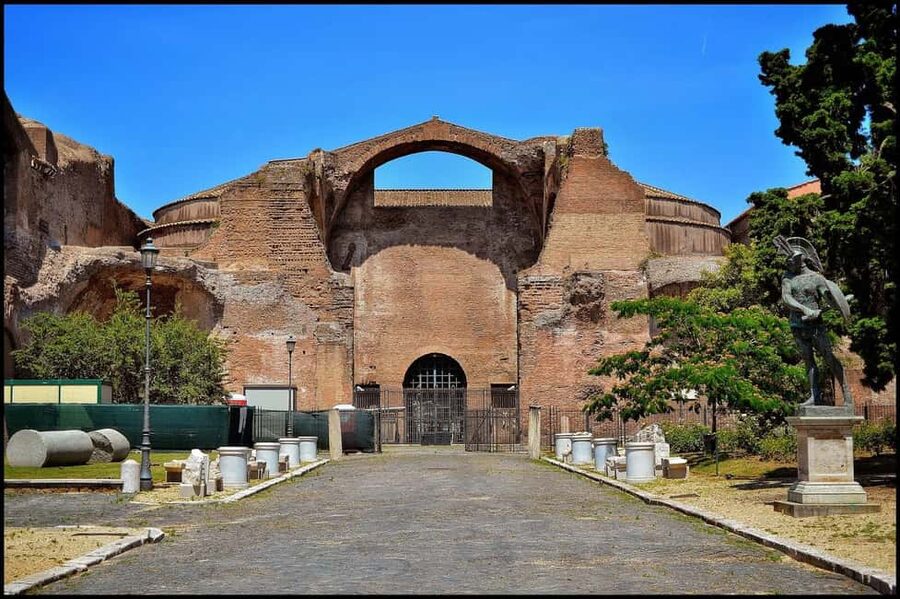
The Baths of Diocletian are the most architectural stop in this group. They were the largest thermal complex of the Roman Empire, and the scale of the remains helps you understand that Roman bathing was not a small neighborhood custom.
This was a major public institution, built for daily use and social life. The surviving halls and architectural remains give you a stronger sense of the size of Roman public buildings than a single statue or mosaic can provide.
The site also contains epigraphic collections. In plain terms, these inscriptions are valuable because they preserve names, titles, dedications, and other written traces connected with Roman society. They can feel less immediately dramatic than a grand sculpture, but they offer direct evidence of how Romans recorded public and private matters.
I like this stop for the change of pace. After the detailed interiors at Palazzo Massimo and the collected sculptures at Palazzo Altemps, the Baths of Diocletian let you think in terms of walls, halls, and public space. You may find the visit especially rewarding if architecture interests you.
The size can also be a drawback. A large ancient complex takes effort to understand without a guide, and not every remaining space will be equally easy to interpret. Still, the Baths are an important part of the ticket because they show Rome as a functioning city, not only as a collection of beautiful objects.
A few more museum visits around Rome worth comparing
- Vatican Museums & Sistine Chapel Skip-the-Line Entry Ticket
★ 4.4 · 13,838 reviews - Vatican Museums & Sistine Chapel Skip-the-Ticket-Line Tour
★ 4.3 · 10,486 reviews - Rome: Vatican Museums & Sistine Chapel Skip-the-Line Ticket
★ 4.3 · 8,103 reviews - Rome: Borghese Gallery Skip-the-Line Ticket & Audioguide
★ 4.3 · 4,318 reviews
What you will not see with this ticket
Crypta Balbi is associated with the National Roman Museum but is not included here. Admission to that site requires a separate ticket.
That distinction is easy to miss when planning a museum day, so check your route before setting out. This admission covers three locations only: Palazzo Massimo, Palazzo Altemps, and the Baths of Diocletian.
Crypta Balbi is known for presenting the evolution of Rome from antiquity into the Middle Ages, which makes it appealing if your main interest is the city’s long transition after the imperial period. Since it is excluded, you should budget separately if that part of Rome’s story matters to you.
How to plan seven days without wasting the ticket
The seven-day validity is the strongest practical feature. Your first scan activates the ticket, and you then have seven days to visit the three included museums. Each site can be entered once.
You might visit one museum on a day when you are already nearby, then save the other two for later. This is more useful than a same-day pass if you have several Rome plans competing for your time.
A sensible approach is to use Palazzo Massimo, Palazzo Altemps, and the Baths of Diocletian on separate days. That gives you room to look properly instead of treating the collections as a checklist. You can also combine two sites in one day and leave the third for another day, though the best arrangement depends on your energy and route.
There is no scheduled meeting point and no required group departure. You receive the ticket electronically, so keep access to the email or WhatsApp message when you arrive. Bring your passport or an identity card. A copy is accepted according to the provided instructions.
The ticket is advertised with skip-the-ticket-line access. That can save useful time, but it does not turn the visit into a guided entry. You still need to follow the museum’s entrance procedures and security rules.
Food and drinks are not allowed inside, and pets are not permitted. Assistance dogs are allowed.
What the lack of a guide means
This is an independent museum ticket, not a tour. No guide is included, and no guide name is provided because there is no hosted group experience.
That freedom is valuable if you already know what you want to see. You can spend longer with Livia’s Villa frescoes, focus on sculpture at Palazzo Altemps, or give the Baths of Diocletian the time they deserve without keeping pace with a group.
The tradeoff is context. The National Roman Museum covers many centuries and many kinds of objects, so you may need to read carefully to connect a statue, coin, inscription, or household object with the wider story of Rome. If you want a person explaining the collection as you go, this ticket will not provide that.
I would recommend looking over the three sites before you arrive and choosing one or two priorities at each. That small amount of planning will help you avoid museum fatigue and make the admission feel like a connected visit rather than three unrelated stops.
Who will get the most from this $35 ticket
This works best for you if you have several days in Rome and want more than the city’s headline monuments. It gives you access to art and objects that explain private homes, public buildings, elite collecting, and ordinary life.
It is also a good fit for repeat visitors. If you have already seen the Colosseum and the Roman Forum, these museums add another side of ancient Rome. Instead of walking through ruins, you can examine the objects and decoration that once filled Roman buildings.
Families and first-time museum visitors may find the number of sites more demanding, especially without a guide. The seven-day validity helps, since you can shorten each visit and avoid forcing everyone through three museums in one day.
The ticket is not suitable for wheelchair users, according to the provided accessibility information. If accessibility is an important factor for your visit, confirm current arrangements with the provider before booking.
The free cancellation policy allows you to cancel up to 24 hours in advance for a full refund. You can also reserve now and pay later, which is useful when your Rome schedule is still changing.
Should you book the National Roman Museum ticket?

Book it if you want Roman art, frescoes, sculpture, and architecture in a flexible format. The strongest reasons are Livia’s Villa frescoes, the three distinct museum settings, and the chance to spread your visits over seven days.
Think twice if you want a live guide, a single compact attraction, or entry to Crypta Balbi. The $35 price makes the most sense when you visit all three included sites and take advantage of the extra time.
For an independent museum day, this is a practical choice. Start at Palazzo Massimo for the broadest collection, make time for the Baths of Diocletian to see Rome at monumental scale, and use Palazzo Altemps for a closer look at ancient sculpture and later collecting. You will get the best value by treating the ticket as a flexible museum plan, not as a quick pass.
FAQ
Which museums are included in the ticket?
The ticket includes Palazzo Massimo alle Terme, Palazzo Altemps, and the Baths of Diocletian.
Is Crypta Balbi included?
No. Admission to Crypta Balbi is not included and requires a separate ticket.
How long is the ticket valid?
The ticket is valid for seven days from the first scan. Each included museum can be visited once with the same ticket.
Is a guided tour included?
No. This is an admission ticket without a guided tour.
How do I receive the ticket?
The ticket is delivered electronically by email and WhatsApp. There is no meeting point.
What identification should I bring?
Bring a passport or identity card. A copy is accepted according to the provided information.
Just added around Rome
- Vatican City: Sistine Chapel, Museums, Basilica Private Tour★ 4.8 · 158 reviews
- Rome: Hop-on Hop-off Bus & Vatican Museums Ticket★ 3.5 · 41 reviews
- Rome: Vatican Museums, Sistine Chapel, and St. Peter’s Tour★ 4.5 · 49 reviews
- Skip-The-Ticket Line-Vatican Museum & Sistine Chapel★ 3.9 · 383 reviews
- Skip the line Vatican Museum Sistine & St.Peter Private Tour★ 4.7 · 40 reviews
- Skip-the-Line Vatican Museums and Sistine Chapel Guided Tour★ 4.3 · 130 reviews
- Skip-the-Line Tickets: Vatican Museum and Sistine Chapel★ 3.5 · 114 reviews
- MAXXI – Museum of Contemporary Art of 21st century★ 4.0 · 91 reviews
Museum Tours in Rome, compared.
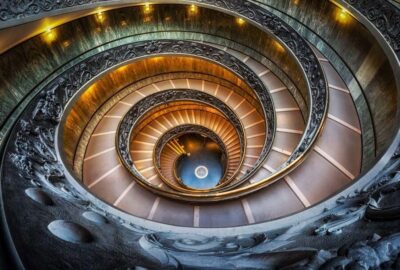
Vatican Museums, Sistine Chapel & St. Peter’s Basilica Tour
Read our review →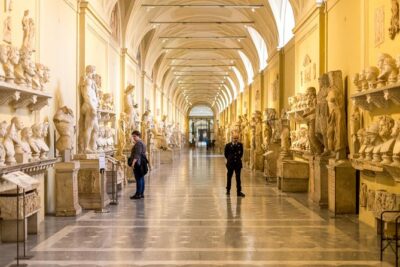
Vatican Museums, Sistine Chapel & St Peter’s Basilica Guided Tour
Read our review →
Vatican Museums, Sistine Chapel and Basilica Tour
Read our review →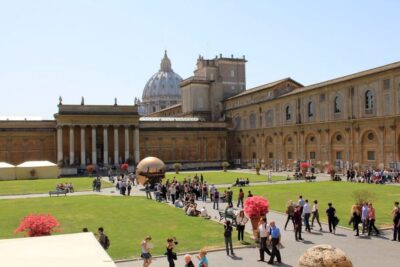
Vatican Museums & Sistine Chapel Skip-the-Line Entry Ticket
Read our review →
Vatican Museums, Sistine Chapel & Basilica Tour
Read our review →
Vatican Museums & Sistine Chapel Guided Tour
Read our review →
Vatican Museums & Sistine Chapel Skip-the-Ticket-Line Tour
Read our review →
Vatican Museums, Sistine Chapel and St. Peter’s Basilica Tour
Read our review →Browse the lists this tour appears in