
Review · ROME
Rome: Borghese Gallery Guided Tour with Entrance Ticket
The real prize here is not simply getting into the Borghese Gallery. It is having someone explain why Bernini’s marble figures seem to move, how Caravaggio turns a dark room into a stage, and what you might miss if you walk through alone. Apollo and Daphne alone is worth the visit, but the guided context gives the whole collection a clearer shape.
I like two things in particular: the direct entry saves you from wasting precious museum time in a ticket queue, and the English guide helps make a dense collection feel manageable. Guides Paula and Abruzza have earned especially strong praise for their lively, clear presentations. The main drawback is the fixed visit length. The museum allows roughly two hours, and there are very few places to sit, so this is not a slow, all-day museum stop.
Key points at a glance
- Bernini takes center stage: See Apollo and Daphne and David, two of the gallery’s most memorable sculptures.
- Caravaggio’s drama is close at hand: Look for Boy with a Basket of Fruit and Saint Jerome Writing.
- Raphael adds Renaissance balance: The tour includes Raphael’s Deposition among the gallery’s major works.
- A guide makes the collection easier to read: Paula and Abruzza are named guides praised for engaging, clear explanations.
- The visit is tightly timed: Plan on 1.5 to 2 hours, with little seating inside.
- Pack light: Bags of any size are not allowed, and food, drinks, sharp items, and large luggage must stay out.
Why the Borghese Gallery deserves a place in your Rome plans
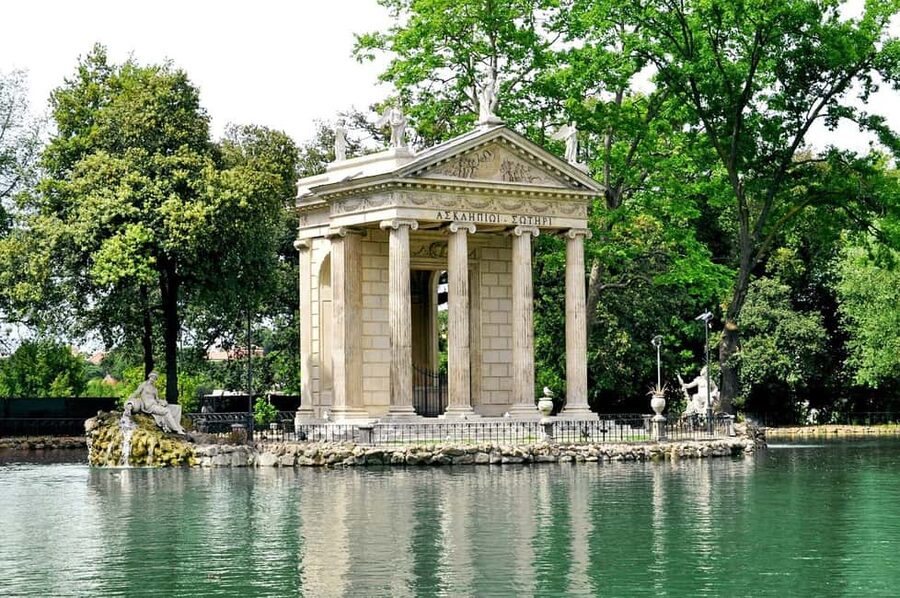
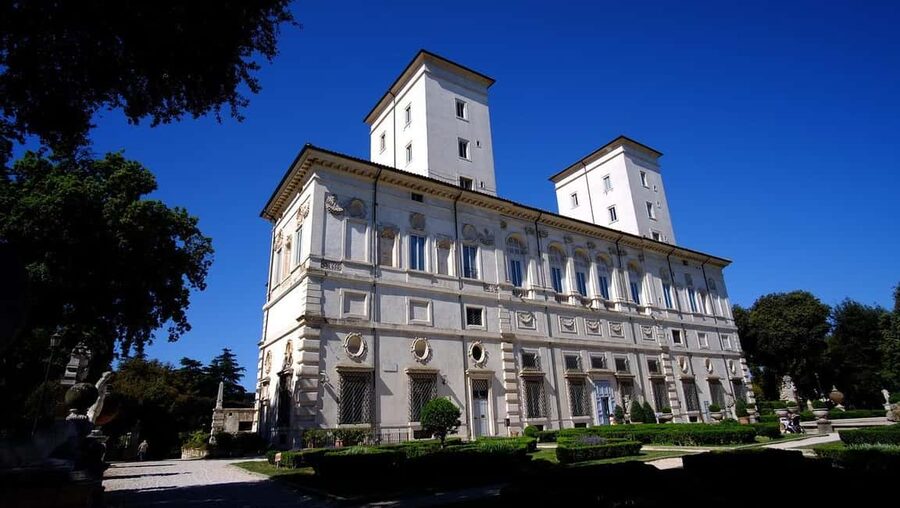
Rome has no shortage of famous museums, but the Borghese Gallery feels different from a huge national collection. It occupies the 17th-century home of Cardinal Borghese, whose private art collection still shapes the experience. Instead of crossing endless halls in search of one famous picture, you move through rooms where sculpture and painting were chosen to impress, surprise, and sometimes overwhelm.
That setting matters. The gallery is not just a neutral box for art. It was built around the taste and ambition of one powerful collector. The rooms connect Renaissance art, Baroque spectacle, and Roman subjects in a compact route. You can see how different artists handle the same broad human themes: beauty, violence, faith, grief, desire, and physical movement.
I especially like this format for a first visit to Rome. The gallery is famous enough to require advance planning, but small enough that a good guide can give you a strong introduction without turning the day into an endurance test.
The price is $57 per person. That is not a bargain basement museum ticket, but the cost includes the entrance ticket, guided tour, headphones, taxes, and fees. You are paying for the reserved access and for someone to organize the art into a meaningful story. If you already know the collection well and prefer to study each work alone, you may find the guided format less useful. For most first-time visitors, the price makes more sense because your limited time inside is put to work.
More Museum Tours in Rome
- Vatican Museums, Sistine Chapel & St. Peter’s Basilica Tour
★ 4.3 · 73,970 reviews - Vatican Museums, Sistine Chapel & St Peter’s Basilica Guided Tour
★ 4.5 · 39,149 reviews - Rome: Vatican Museums, Sistine Chapel and Basilica Tour
★ 4.3 · 16,039 reviews
Meeting C.I.S. Tours outside the gallery
Your meeting point is outside the Borghese Gallery entrance. Look for the C.I.S. Tours staff holding a sign with the company name. This detail sounds minor, but it is useful in a busy city where a large museum entrance can leave you wondering if you are standing in the right place.
The tour is offered in English, and a small group is available. The exact starting time depends on the date and availability, so you need to check the booking calendar before committing to other Rome plans. Allow a little breathing room before the start. You do not want to arrive at the last minute and then spend your first few minutes trying to find the meeting point.
Direct gallery entry is one of the practical strengths of this experience. The Borghese Gallery is a popular stop, and skipping the ticket line gives you more of the short museum window for the collection itself. Your guide handles the entry process, then leads the group inside.
You will receive headphones for the tour. That is important when a guide is speaking to a group in several rooms. You can keep your eyes on a sculpture or painting instead of leaning toward the guide and trying to hear every sentence.
Inside Cardinal Borghese’s former home
Once inside, you begin in the former residence of Cardinal Borghese. The building gives the art a sense of place. You are not looking at isolated objects on a checklist. You are moving through rooms created for a private collection, where paintings and sculptures were meant to shape the mood of the house.
The route covers art from the Renaissance, Baroque, and Roman periods. That range can sound broad, but the compact size of the gallery makes it possible to compare styles without losing your bearings. Your guide can point out how a Renaissance composition differs from Baroque movement, or how a painted figure communicates emotion through light and gesture.
This is where the tour format earns its keep. Without guidance, it is easy to spend all your attention on the names you already know and pass over works that explain the collection’s wider story. A guide can direct your eyes to details in a hand, fold of fabric, expression, or pose. Those details are often what turn a famous object from a photo opportunity into a work you can actually understand.
Some rooms or sections may be closed for maintenance. The available route can change, so you should not expect every part of the building to be open on every date.
Bernini’s Apollo and Daphne and David
Gian Lorenzo Bernini is the star of this visit. His sculptures are famous for their technical skill, but the best reason to see them in person is their sense of action. A photograph gives you one angle. In the gallery, you can walk around the work and watch the story change as the forms open up.
Apollo and Daphne is the clearest example. The scene captures the moment Daphne transforms while Apollo pursues her. Bernini turns marble into skin, hair, bark, and leaves, creating a sculpture that feels caught between one state and another. Your guide can help you follow the narrative and notice how the figures direct your gaze through the piece.
David presents a different kind of energy. Rather than showing a calm hero after victory, Bernini depicts David in the middle of his effort. The body twists, the face concentrates, and the pose reaches into the viewer’s space. You do not need a technical background to grasp the effect, but a few well-chosen comments can help you see why the sculpture feels so immediate.
These are not works you should rush past while trying to keep up with a group. The visit is timed, so listen closely while the guide explains the main points, then take a moment to look for yourself. Even a short pause can reveal details you miss during the first glance.
A few more museum visits around Rome worth comparing
- Rome: Borghese Gallery Skip-the-Line Ticket & Audioguide
★ 4.3 · 4,318 reviews - Rome: Borghese Gallery Ticket + Audioguide or Guided Tour
★ 4.6 · 3,219 reviews - Rome: Borghese Gallery Guided Tour with Skip-the-Line Entry
★ 4.8 · 2,649 reviews - Rome: Borghese Gallery Skip-the-Line Tickets with Audioguide
★ 4.6 · 2,562 reviews
Caravaggio’s fruit, shadows, and human faces
The Caravaggio paintings bring a different mood to the gallery. His work is less about marble movement and more about light, physical presence, and the uneasy edge between ordinary life and sacred subjects.
Boy with a Basket of Fruit is a useful example of his ability to make a simple subject feel direct and almost tangible. The fruit, the figure, and the light draw you into a scene that looks close enough to touch. A guide can help you notice how the arrangement works and why the painting remains memorable despite its straightforward subject.
Saint Jerome Writing has a stronger sense of age and reflection. The dramatic lighting focuses attention on the figure and the act of writing. The painting asks you to consider not only what the saint is doing, but also the physical cost and seriousness of his work.
Caravaggio’s paintings reward close looking, but the gallery’s other works compete for your attention. This is another point in favor of the tour. Your guide can make sure you do not hurry past a painting simply because Bernini’s sculptures have already taken the spotlight.
Photography without flash is permitted. Still, I would treat your camera as secondary here. Flash photography is not allowed, and trying to photograph every major work can turn a short art visit into a rushed exercise. Look first, take a few quiet pictures when permitted, and let the guide’s explanation set the pace.
Raphael’s Deposition and the Renaissance room
Raphael’s Deposition gives the tour a different visual rhythm. Compared with Bernini’s three-dimensional action and Caravaggio’s sharp contrasts, Raphael offers a carefully arranged painted scene with strong attention to balance and human emotion.
Your guide can place the work in the wider development of Renaissance art and show why it belongs in this collection. The painting also helps you see the range of Cardinal Borghese’s interests. This is not a single-artist museum or a room devoted only to Baroque drama. The collection moves across periods and styles, with Raphael providing a major Renaissance counterpoint.
I find this kind of comparison more useful than hearing isolated facts about each artist. After seeing Bernini’s figures appear to move through space, you can return to Raphael and think about how a painter creates movement on a flat surface. The visit becomes a conversation among artists rather than a series of unrelated stops.
What the guide adds to the experience
The strongest reason to choose this tour is the guide. A museum this concentrated can be less tiring than a huge collection, but it can also feel overwhelming because so many major names appear in a small space. You need help deciding what deserves your attention.
Paula is specifically praised for making the visit both educational and enjoyable. Abruzza is also described as engaging and well prepared, with explanations that make the art more special. Those comments point to the feature that matters most: not just having a guide present, but having someone who can connect facts to what you are seeing.
A strong guide should help you notice details you would otherwise miss, explain how a work was made, and give you enough background to understand why it matters. The supplied feedback repeatedly praises that kind of help, with the tour making the gallery feel less overwhelming and more rewarding than walking through without assistance.
The experience is conducted in English. If your interest in art is casual, you can simply follow the main stories and enjoy the famous works. If you already know Bernini or Caravaggio, you can use the guide’s explanations as a starting point, then spend your spare minutes looking more closely at the pieces that interest you most.
The two-hour limit and the need to pace yourself
The gallery visit lasts about 1.5 hours, with the full activity taking roughly 1.5 to 2 hours. The museum also limits how long you can remain inside, so you should expect a focused visit rather than a relaxed afternoon.
That time limit has two sides. It keeps the route from becoming exhausting, and it encourages you to concentrate on the gallery’s main works. On the other hand, you may leave wishing you had more time with a favorite sculpture or painting.
There are only about two benches in the whole place, so plan to stand and walk for most of the visit. This is worth taking seriously if you tire easily. The activity is not suitable for wheelchair users or people with mobility impairments, according to the provided accessibility information.
Bags of any size are not allowed inside. Large luggage, oversized items, food, drinks, weapons, sharp objects, and glass objects are also prohibited. Pack light and check the current storage arrangements before you go, since the tour information does not promise a cloakroom or luggage service.
A useful stop before or after the museum
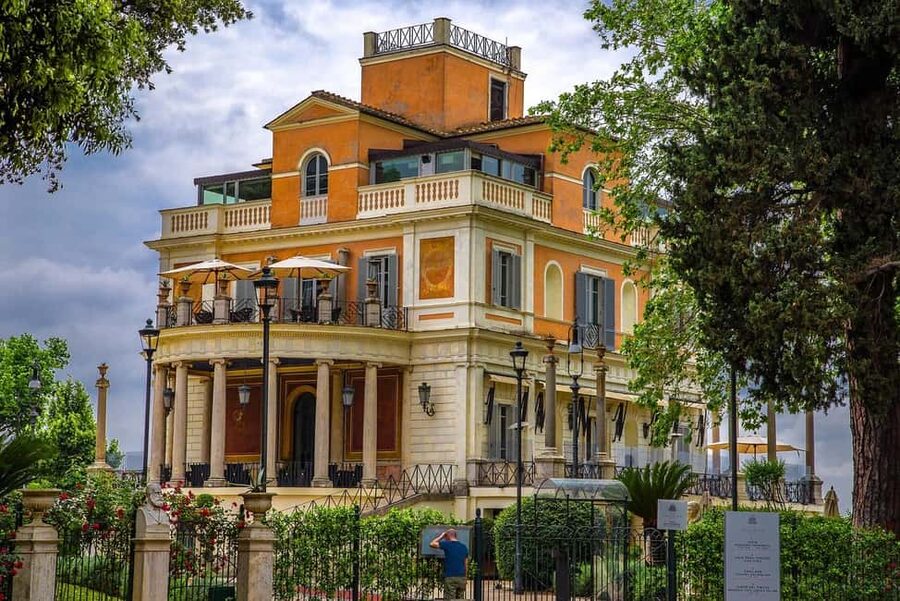
The Borghese Gallery sits within Villa Borghese, and you can enjoy a view of Rome from the surrounding park area. The tour itself focuses on the museum, not on a separate walking tour of the gardens, but the setting gives you a natural chance to pause before or after your timed visit.
I would use that outdoor time to slow down. The gallery asks you to concentrate on art, listen through headphones, and keep moving with the group. A short break outside can help you absorb what you have seen instead of rushing straight to the next major Roman sight.
Do not confuse this with a full Villa Borghese exploration. The stated itinerary is the gallery and a photo stop, with the guided museum visit taking about 1.5 hours. The park setting is a useful bonus, not a separate guided section.
Who will get the most from this tour
This tour suits you best if you are visiting the Borghese Gallery for the first time, want the major works explained, and prefer a clear route through a famous collection. It is also a good fit if art museums sometimes leave you unsure where to begin. The guide gives you a framework and keeps the short visit focused.
Families with young children should think about the limited sitting and the quiet museum setting. Unaccompanied minors are not permitted, and the activity is not designed for anyone needing wheelchair access.
Independent art lovers may prefer entry without a guide if they want to set their own pace. Keep in mind, however, that the guided ticket includes direct entry, headphones, and the museum admission. The tour is not simply a lecture added to a normal ticket. It is a way to make the available time count.
Free cancellation is available up to 24 hours before the activity for a full refund, and you can reserve now and pay later. Those terms are useful when your Rome schedule is still changing, but you should still check the exact start time before booking.
Should you book the Borghese Gallery guided tour?
I would book this tour if Bernini, Caravaggio, and Raphael are high on your Rome list and you want more than a quick look at their famous works. The combination of a reserved entrance, English guide, headphones, and a compact route gives you a practical way to handle one of Rome’s most sought-after museums.
The $57 price is easiest to justify if you value explanation and have limited time. Paula and Abruzza are especially promising guide names to look for, and the overall rating is 4.8 from 22 recorded ratings. Just arrive ready to stand, leave all bags behind, and accept that the two-hour limit means choosing attention over completeness.
Skip it if you want a long, solitary museum session or need wheelchair access. For most first-time visitors, though, this is a smart and focused introduction to the Borghese collection.
FAQ
Where does the Borghese Gallery tour meet?
Meet outside the entrance to the Galleria Borghese. C.I.S. Tours staff will be holding a sign with the company name.
How long does the experience last?
The activity lasts about 1.5 to 2 hours. The guided gallery visit itself is listed at around 1.5 hours.
What language is the tour conducted in?
The live guided tour is conducted in English.
Is the Borghese Gallery entrance ticket included?
Yes. The package includes entry to the Borghese Gallery and the guided tour.
Does the tour include headphones?
Yes. Headphones are included so you can hear the guide during the visit.
Can I skip the ticket line?
Yes. Skip-the-ticket-line entry is included.
Are bags allowed inside the gallery?
No. Bags of any size are not allowed inside the Borghese Gallery. Large luggage and oversized items are also prohibited.
Can I take photographs?
Photography without flash is permitted. Flash photography is not allowed.
Is the activity suitable for wheelchair users?
No. The activity is not suitable for wheelchair users or people with mobility impairments.
Can I cancel for a refund?
Yes. You can cancel up to 24 hours in advance for a full refund. Reserve now and pay later is also available.
Just added around Rome
- Vatican City: Sistine Chapel, Museums, Basilica Private Tour★ 4.8 · 158 reviews
- Rome: Hop-on Hop-off Bus & Vatican Museums Ticket★ 3.5 · 41 reviews
- Rome: Vatican Museums, Sistine Chapel, and St. Peter’s Tour★ 4.5 · 49 reviews
- Skip-The-Ticket Line-Vatican Museum & Sistine Chapel★ 3.9 · 383 reviews
- Skip the line Vatican Museum Sistine & St.Peter Private Tour★ 4.7 · 40 reviews
- Skip-the-Line Vatican Museums and Sistine Chapel Guided Tour★ 4.3 · 130 reviews
- Skip-the-Line Tickets: Vatican Museum and Sistine Chapel★ 3.5 · 114 reviews
- MAXXI – Museum of Contemporary Art of 21st century★ 4.0 · 91 reviews
Museum Tours in Rome, compared.
Vatican Museums, Sistine Chapel & St. Peter’s Basilica Tour
Read our review →
Vatican Museums, Sistine Chapel & St Peter’s Basilica Guided Tour
Read our review →
Vatican Museums, Sistine Chapel and Basilica Tour
Read our review →
Vatican Museums & Sistine Chapel Skip-the-Line Entry Ticket
Read our review →
Vatican Museums, Sistine Chapel & Basilica Tour
Read our review →
Vatican Museums & Sistine Chapel Guided Tour
Read our review →
Vatican Museums & Sistine Chapel Skip-the-Ticket-Line Tour
Read our review →
Vatican Museums, Sistine Chapel and St. Peter’s Basilica Tour
Read our review →Browse the lists this tour appears in