
Review · ROME
Rome: Borghese Gallery Experience
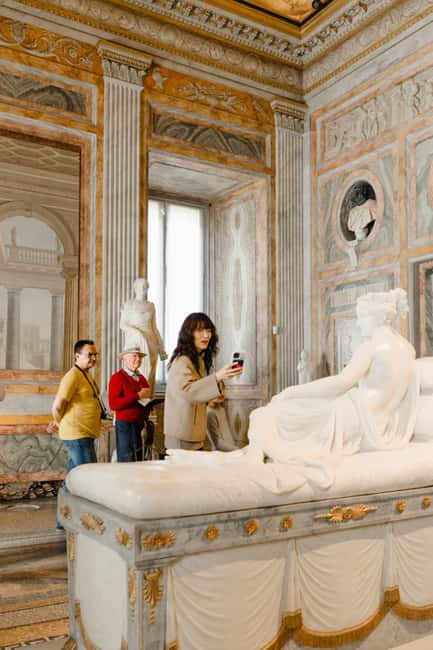
The great pleasure of this Borghese Gallery tour is its scale. You are not wandering through a giant museum for half a day, trying to remember which room held the important painting. In two focused hours, you move from Bernini’s dramatic sculptures to paintings by Caravaggio, Raphael, and Titian, with a guide helping you decide what deserves your attention.
I like the small-group format and the way the guides keep the art manageable. Dimitri is praised for being relaxed, funny, and clear, while Karen is described as passionate about both art and history. The tour also ends with access to the special collections, giving you more than the standard parade of famous names.
The main consideration is time. Two hours passes quickly in a collection this dense, and the guided option can sell out. Large bags and backpacks are not allowed, and the gallery is reached by a walk from Spagna or by bus or taxi, so plan your arrival rather than racing in at the last minute.
Key points at a glance
- Bernini takes center stage downstairs, where the tour starts among the gallery’s frescoed Baroque rooms.
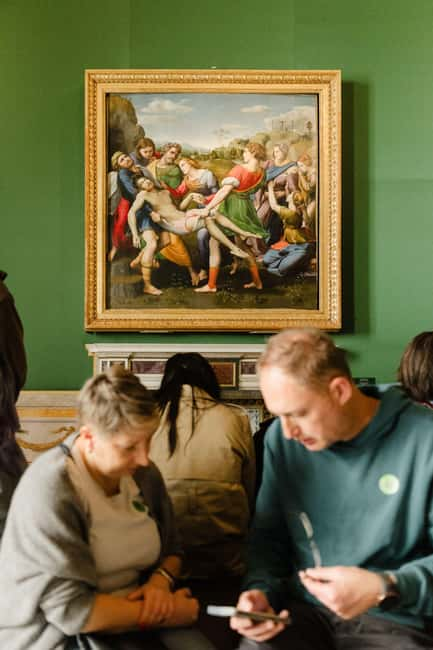
- Caravaggio, Raphael, and Titian fill the first-floor portion, giving you a compact survey of major Italian painting.
- Dimitri and Karen are named guides, both praised for clear, lively explanations rather than dry lectures.
- The special collections come at the end, adding unusual works and themes after the main highlights.
- Two hours is well judged for a first visit, though you may want more time if you study every room.
- The $71 price includes admission and guiding, but not transport, food, or drinks.
Why the Borghese Gallery deserves a place in your Rome plans
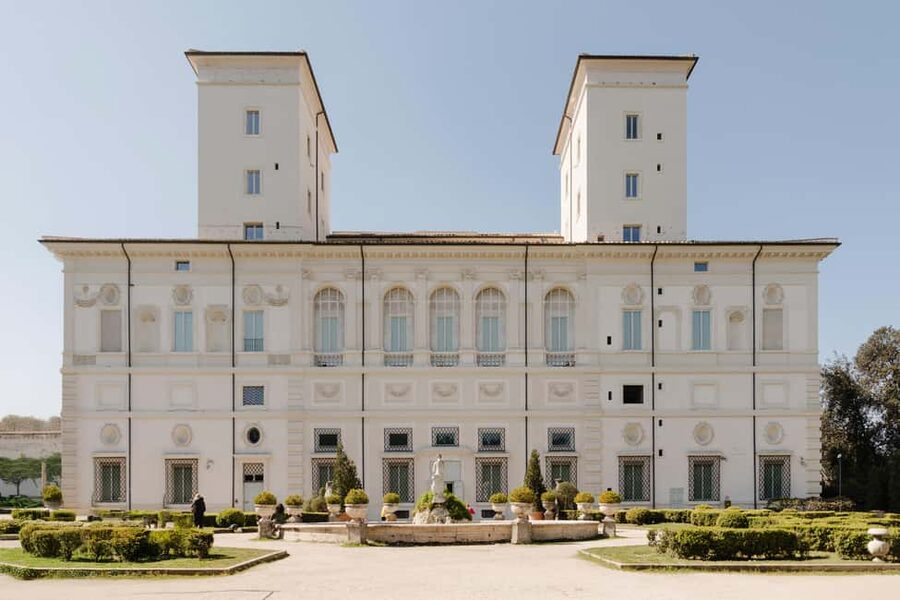
I would put the Galleria Borghese high on your Rome list if you prefer art in concentrated portions. The museum has a famous collection, but its compact setting makes the visit less tiring than a huge national museum. You can see major works by several of Europe’s best-known artists without giving up an entire day.
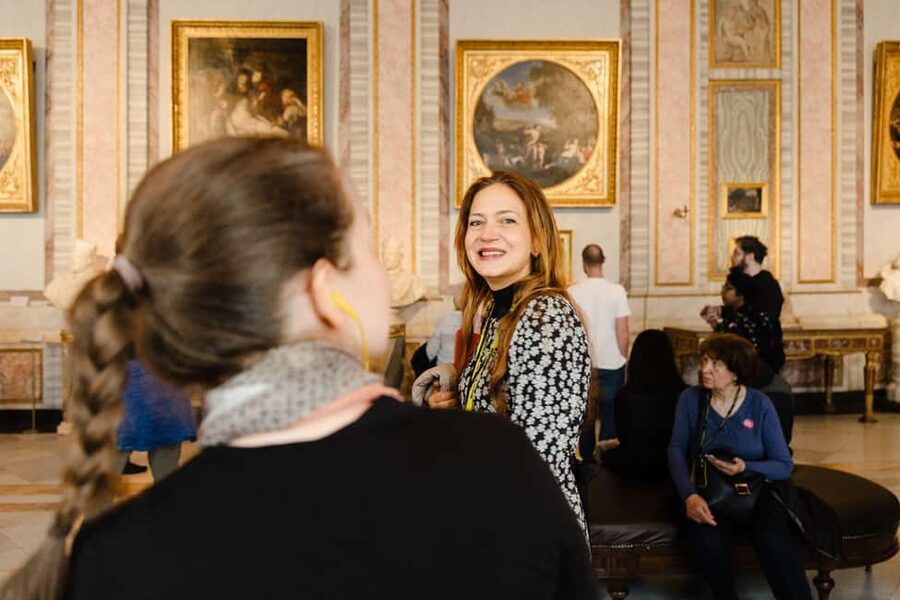
The building itself helps set the mood. You begin in frescoed Baroque rooms, where sculpture and decoration compete for your eye. The setting is not a plain white box. Rooms, ceilings, marble, and paintings all contribute to the experience, so your guide’s job is partly to help you sort the important details from the visual noise.
That is where this tour earns its place over a ticket-only visit. A good guide gives you a route and a reason to pause. Peter particularly appreciated being asked to focus closely on only a few works in each room. I like that approach. Art museums become tiring when every object receives the same amount of attention.
More Museum Tours in Rome
- Vatican Museums, Sistine Chapel & St. Peter’s Basilica Tour
★ 4.3 · 73,970 reviews - Vatican Museums, Sistine Chapel & St Peter’s Basilica Guided Tour
★ 4.5 · 39,149 reviews - Rome: Vatican Museums, Sistine Chapel and Basilica Tour
★ 4.3 · 16,039 reviews
Starting at Piazzale del Museo Borghese
Your meeting point is Piazzale del Museo Borghese, just outside the gallery’s main entrance, by the small door. Look for the coordinator with a blue BIBBOTOURS flag. You should arrive 15 to 20 minutes early, not merely on time.
From Metro Line A, get off at Spagna and allow about 20 minutes to walk to the gallery. You can also use buses 52, 53, 83, or 360, or take a taxi. The supplied directions do not promise a hotel pickup, so you are responsible for reaching the meeting point.
This is one of those Rome details worth handling before breakfast. The gallery sits in the Villa Borghese area, and a late arrival can be stressful if you are unfamiliar with the park and surrounding streets. Put the meeting point into your phone, allow a buffer, and keep your ticket or booking details handy.
The museum is wheelchair accessible. Large bags and backpacks are not allowed, so travel light. A small personal bag is the safer choice, but follow the gallery’s instructions when you arrive.
Ground-floor Bernini: the tour’s dramatic opening
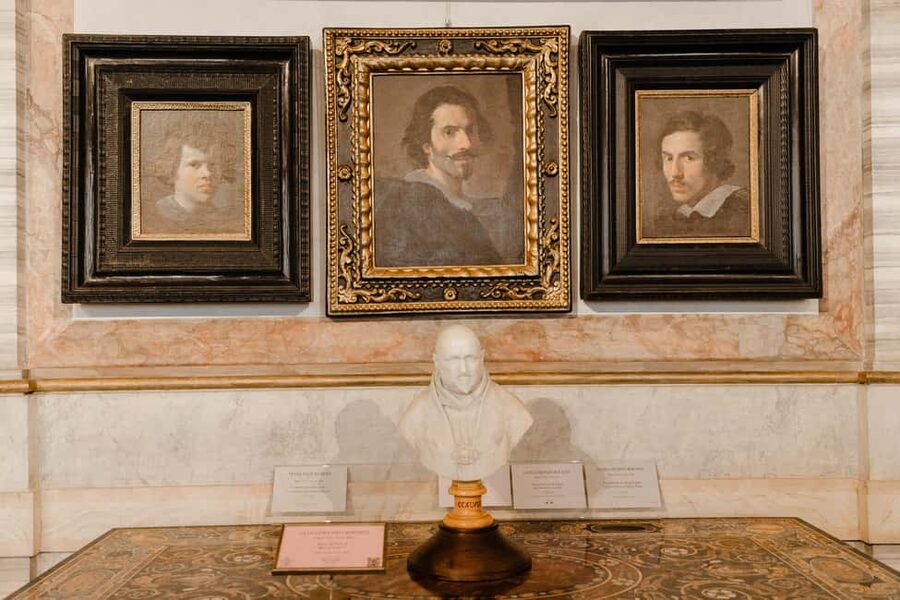
The tour begins on the ground floor, where Bernini’s sculptures provide the main event. Even if you do not normally think of yourself as an art specialist, Bernini is a strong starting point because his work is physical, theatrical, and easy to discuss.
Look closely at the surfaces and movement. Marble can appear soft, hair can seem loose, and fabric can look caught in motion. Your guide can point out how the sculptor creates action in a material that begins as a hard block.
The best guides do not bury you under dates and names. They explain what to look at first, then add context. The repeated praise for Dimitri centers on this balance. He is described as entertaining, relaxed, and skilled at choosing the most important pieces. That matters in a museum where every room can compete for your attention.
The ground-floor rooms are also a good place to notice the relationship between sculpture and architecture. Frescoes overhead, ornate decoration, and marble figures all work together. It can be tempting to keep moving because the next room looks equally impressive. I would instead follow the guide’s lead and spend real time with the selected works.
Colleen’s experience also points to a practical strength: her guide waited five minutes when she was delayed by a sore ankle. That does not mean you should arrive late, but it suggests that the tour can retain a human touch when a small problem arises.
First-floor paintings by Caravaggio, Raphael, and Titian
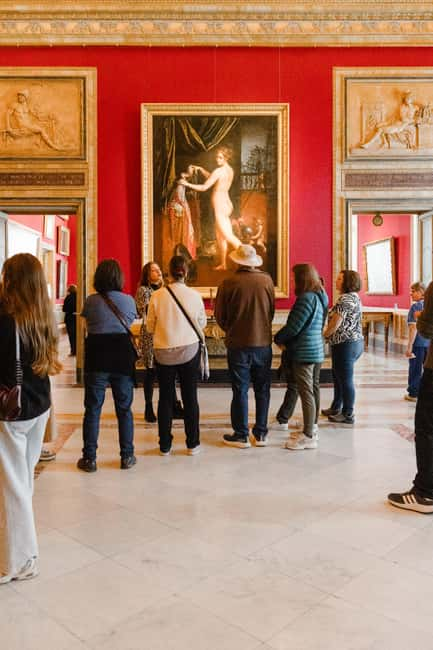
After the sculptures, you go upstairs to the paintings. This shift changes the pace. Instead of following the three-dimensional movement of Bernini’s figures, you begin looking at light, color, gesture, and the way a scene is arranged on a flat surface.
Caravaggio is likely to be one of the key stops. His work rewards close attention to light and human expression. A guide can show you how the darkest areas make illuminated faces, hands, or objects carry more weight. You may have seen reproductions of his paintings, but a direct look at the surface and scale gives the work a different force.
Raphael brings another kind of interest. His paintings invite you to consider balance, poise, and the arrangement of figures. Titian gives the tour another point of comparison, especially in the handling of color and painted texture. You do not need a background in art history to benefit from these contrasts. The guide can turn three famous names into three different ways of seeing.
I appreciate that the route does not pretend every painting deserves a full lecture. Two hours is enough for a strong introduction, not for a line-by-line account of the entire collection. One guide may spend more time on Caravaggio, another may linger over Bernini or Raphael. That variety is part of the human side of a live tour.
If you already know the major works and want quiet time with each one, a ticket-only visit may suit you better. If you want help identifying the essential pieces and understanding why they matter, the guided option offers better direction.
A few more museum visits around Rome worth comparing
- Rome: Borghese Gallery Skip-the-Line Ticket & Audioguide
★ 4.3 · 4,318 reviews - Rome: Borghese Gallery Ticket + Audioguide or Guided Tour
★ 4.6 · 3,219 reviews - Rome: Borghese Gallery Guided Tour with Skip-the-Line Entry
★ 4.8 · 2,649 reviews - Rome: Borghese Gallery Skip-the-Line Tickets with Audioguide
★ 4.6 · 2,562 reviews
The special collections at the end
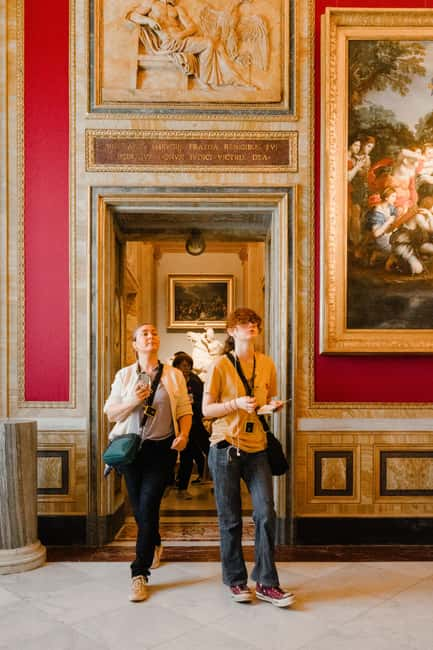
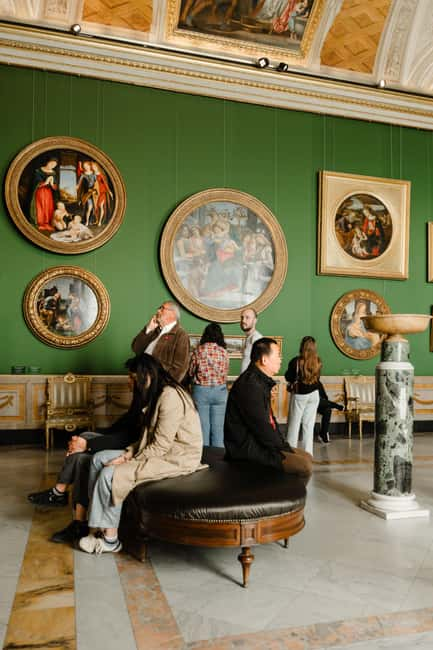
The tour finishes with access to the special collections. This is a useful feature because it keeps the visit from ending as soon as you have seen the headline artists. The special collections offer less familiar works and distinctive themes, giving you a chance to see another side of the gallery.
Do not expect this final section to feel identical to the Bernini and Caravaggio portion. It may be quieter in reputation, but that can be an advantage. Once you have seen the major masterpieces, you can look with less pressure to recognize a famous name.
The exact works emphasized can depend on the guide and the collection display available during your visit. The important point is that this access is part of the planned experience, not an afterthought. It gives the final part of the tour a sense of discovery without asking you to cross the whole museum again.
What the guides add to the experience
The strongest pattern in the feedback is guide quality. Dimitri is repeatedly described as entertaining, articulate, relaxed, and well informed. Karen is praised for her passion and clear command of the art and history. Other comments describe the guiding as intimate, friendly, and focused on the key works.
Those details tell you what kind of tour this is meant to be. You are not simply following a recorded audio route. You can expect a live English-speaking guide who decides where to pause and explains why a work deserves your time.
The intimate group size matters here. In a smaller group, it is easier to hear, ask a question, and stay connected to the guide. It also makes it more practical for the guide to adjust the pace. The group is not described by a specific maximum number, so I would not assume a particular size, but the experience is presented as small-group rather than a large crowd.
Art tours can sometimes become too serious. The comments about Dimitri’s wit and relaxed style are encouraging because humor can keep a two-hour museum visit from feeling like school. At the same time, this is still a structured art tour, so it should suit you if you want interpretation rather than casual sightseeing alone.
Is $71 a fair price?
At $71 per person, this is not the cheapest way to enter the gallery. The value depends on how much use you make of the guide. The price includes the entrance ticket, skip-the-ticket-line access, expert storytelling, special collections access, and the small-group guided experience when you select that option.
For a first visit, I think the price can make sense. The Borghese Gallery is not simply a place to wander through and check off famous artists. The main benefit is knowing which works to study and having someone explain the links between the building, the sculpture, the painting, and the collection.
The ticket-only option changes the calculation. The activity offers two choices: guided tour or just tickets. If only tickets are available on your date, the guided tour is already full. In that case, compare the price with what you want from the visit. You can still see the collection, but you will not receive the live commentary that forms the heart of the experience.
Food, drinks, hotel pickup, and drop-off are not included. Those omissions are normal for a two-hour museum visit, but remember to budget for transport and any food you want before or after. The gallery’s location makes it easy to combine with time in the Villa Borghese area, though no additional park activity is included in the tour.
Practical advice for a smooth two hours
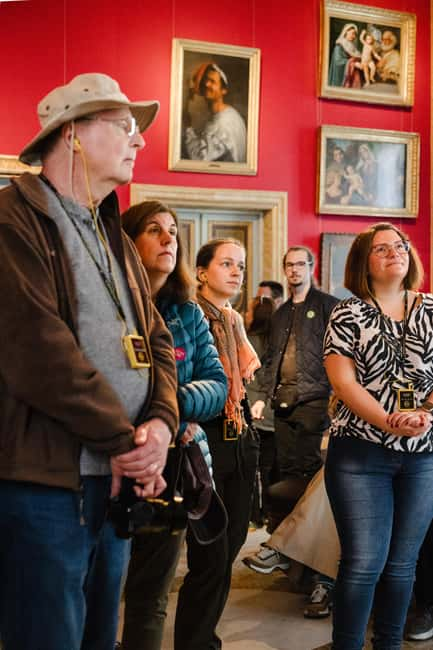
Arrive early. The instructions ask for 15 minutes, and I would use the full margin because the meeting point is outside the entrance rather than inside the museum.
Keep your luggage small. Large bags and backpacks are not allowed, and a bag problem can ruin an otherwise simple museum visit. Photography without flash is permitted, while flash photography is not.
Wear shoes you can manage for two hours. The museum visit involves moving through rooms and going upstairs to the painting collection. If your mobility is limited, the activity is listed as wheelchair accessible, but you should still allow extra time at the meeting point and tell the coordinator about any needs.
The tour is offered in English. That makes it a clear choice for English-speaking visitors who want live explanations. Starting times vary, so check availability for your date before building the rest of your Rome schedule around it.
The cancellation policy is flexible: you can cancel up to 24 hours in advance for a full refund. You can also reserve now and pay later, which helps if your Rome plans are still shifting.
Who will get the most from this gallery visit?
I would recommend the guided option to first-time visitors, art lovers who want context, and anyone who finds large museums tiring. The route gives you a clear beginning, middle, and end, with Bernini downstairs, major paintings upstairs, and special collections to finish.
It also suits couples, families with older children, and small groups of friends who want an art stop without spending an entire day indoors. The lively style associated with Dimitri and Karen should help keep the visit accessible even if you do not know much about Italian art.
You may prefer just tickets if you already have a strong art background or want to set your own pace. You might also want more than two hours if you plan to inspect every room carefully. The tour is an introduction with expert direction, not an unlimited museum pass.
The compact schedule is a benefit and a limit. You get a focused look at the gallery, but the guide must keep moving. If a particular painting captures you, make a note of it and return to it after the guided portion if the ticket conditions allow. The supplied information does not specify extra independent viewing time, so do not assume it is included.
Should you book the Borghese Gallery tour?
I would book it if you want the gallery’s most important art explained by a lively English-speaking guide. Bernini, Caravaggio, Raphael, and Titian make the collection worthwhile on their own, while Dimitri and Karen add the kind of clear storytelling that helps the works stay in your memory.
The $71 cost is easiest to justify when the guided option is available and you value a planned route, skip-the-ticket-line entry, and special collections access. Choose just tickets if you want independence or if the guided places are gone.
Arrive early, carry only a small bag, and protect the full two hours. For a concentrated look at one of Rome’s great art museums, this is a practical and rewarding choice.
FAQ
How long does the Borghese Gallery experience last?
The guided visit lasts two hours.
Where do I meet the guide?
Meet at Piazzale del Museo Borghese, just outside the main entrance by the small door. Look for a coordinator holding a blue BIBBOTOURS flag.
How early should I arrive?
Arrive 15 to 20 minutes before the scheduled start time.
Is the tour offered in English?
Yes. The live tour guide speaks English.
Can I take photographs inside?
Photography without flash is permitted. Flash photography is not allowed.
Is the Borghese Gallery wheelchair accessible?
Yes, the activity information lists the experience as wheelchair accessible.
Just added around Rome
- Vatican City: Sistine Chapel, Museums, Basilica Private Tour★ 4.8 · 158 reviews
- Rome: Hop-on Hop-off Bus & Vatican Museums Ticket★ 3.5 · 41 reviews
- Rome: Vatican Museums, Sistine Chapel, and St. Peter’s Tour★ 4.5 · 49 reviews
- Skip-The-Ticket Line-Vatican Museum & Sistine Chapel★ 3.9 · 383 reviews
- Skip the line Vatican Museum Sistine & St.Peter Private Tour★ 4.7 · 40 reviews
- Skip-the-Line Vatican Museums and Sistine Chapel Guided Tour★ 4.3 · 130 reviews
- Skip-the-Line Tickets: Vatican Museum and Sistine Chapel★ 3.5 · 114 reviews
- MAXXI – Museum of Contemporary Art of 21st century★ 4.0 · 91 reviews
Museum Tours in Rome, compared.
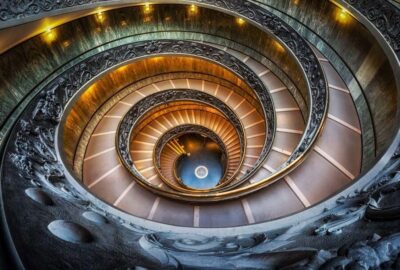
Vatican Museums, Sistine Chapel & St. Peter’s Basilica Tour
Read our review →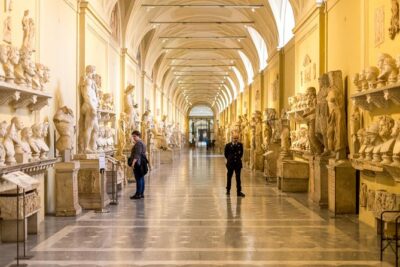
Vatican Museums, Sistine Chapel & St Peter’s Basilica Guided Tour
Read our review →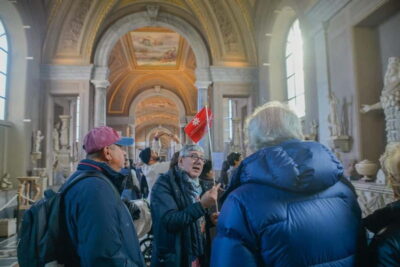
Vatican Museums, Sistine Chapel and Basilica Tour
Read our review →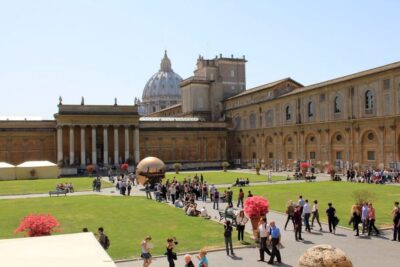
Vatican Museums & Sistine Chapel Skip-the-Line Entry Ticket
Read our review →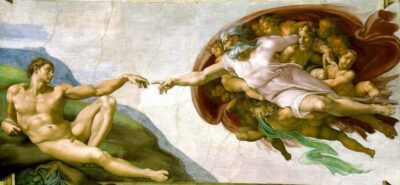
Vatican Museums, Sistine Chapel & Basilica Tour
Read our review →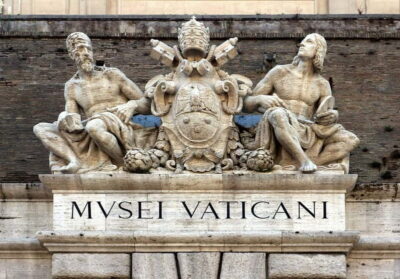
Vatican Museums & Sistine Chapel Guided Tour
Read our review →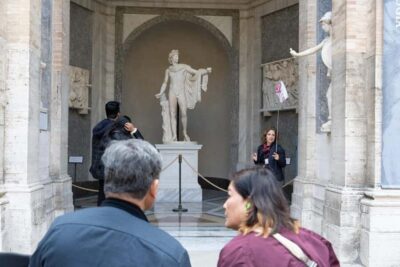
Vatican Museums & Sistine Chapel Skip-the-Ticket-Line Tour
Read our review →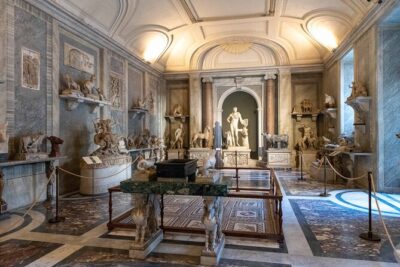
Vatican Museums, Sistine Chapel and St. Peter’s Basilica Tour
Read our review →Browse the lists this tour appears in