
Review · THE CZECH REPUBLIC
Prague: Museum of Communism Entrance Ticket
The Museum of Communism makes a difficult period feel personal. Instead of presenting only dates and political leaders, it puts you inside a classroom, child’s bedroom, shock worker’s workshop, and interrogation room, then explains how the system reached into work, school, art, sport, policing, and home life. The exhibition covers Czechoslovakia from the February putsch in 1948 to the Velvet Revolution in 1989.
I like the clear circular layout, which lets you move through the story without guessing where to go next. I also like the mix of original objects, propaganda, short films, and photographs from Czech archives and private collections. The main drawback is the amount of reading. Plan about two hours if you want to take in the text, and remember there is no live guide or audio guide to tell the story for you.
Key points
- A 1,500-square-meter exhibition: Follow 62 panels covering politics, education, economics, censorship, policing, the army, art, and daily life.
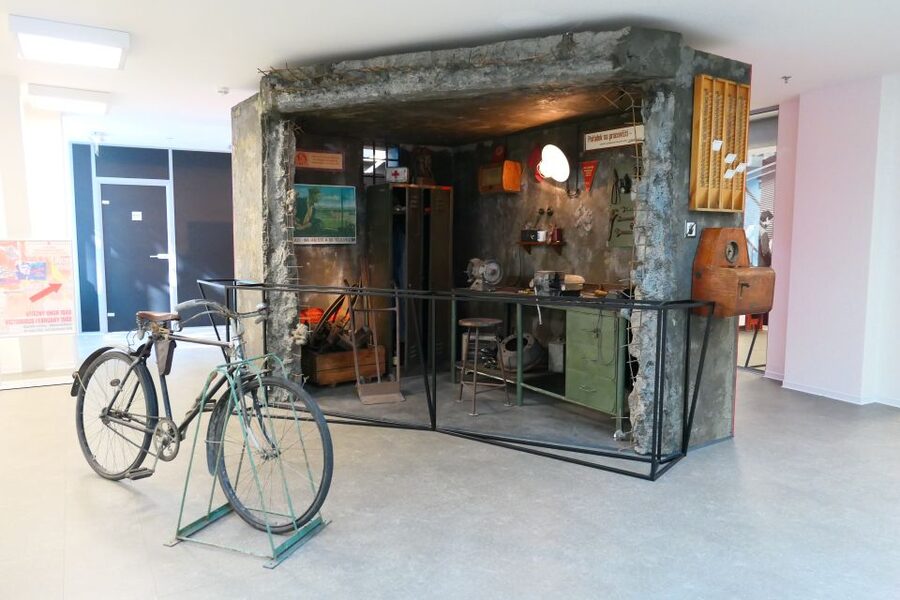
- Reconstructed rooms: Enter a classroom, child’s bedroom, worker’s workshop, and interrogation room for a more direct sense of the period.
- Strong visual archive: See photographs from the Czech News Agency, Security Services Archive, forced military camp labor archives, and leading Czech photographers.
- History beyond government offices: The displays explain show trials, political labor camps, propaganda, Socialist Realist art, and the role of the StB secret police.
- A useful time commitment: Some people finish in 90 minutes, but careful readers may spend two to three hours.
- Included documentary: A 15-minute film about communism in Czechoslovakia plays at regular intervals in the museum cinema.
What the Museum of Communism Covers
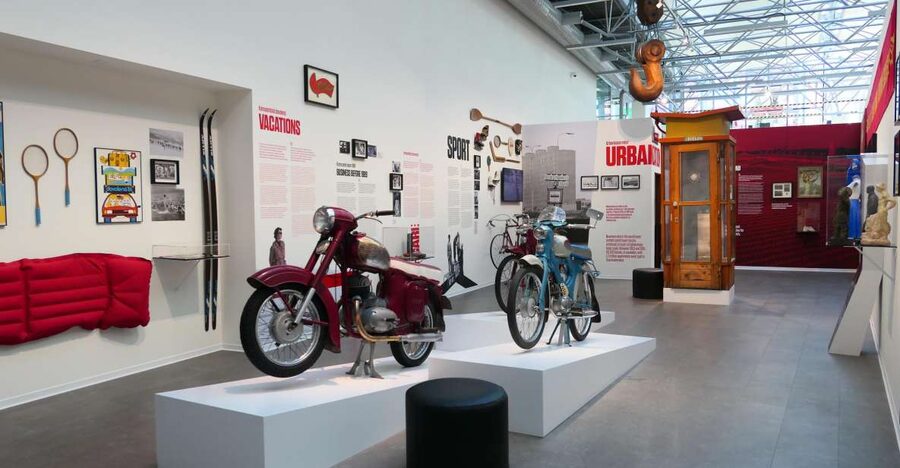
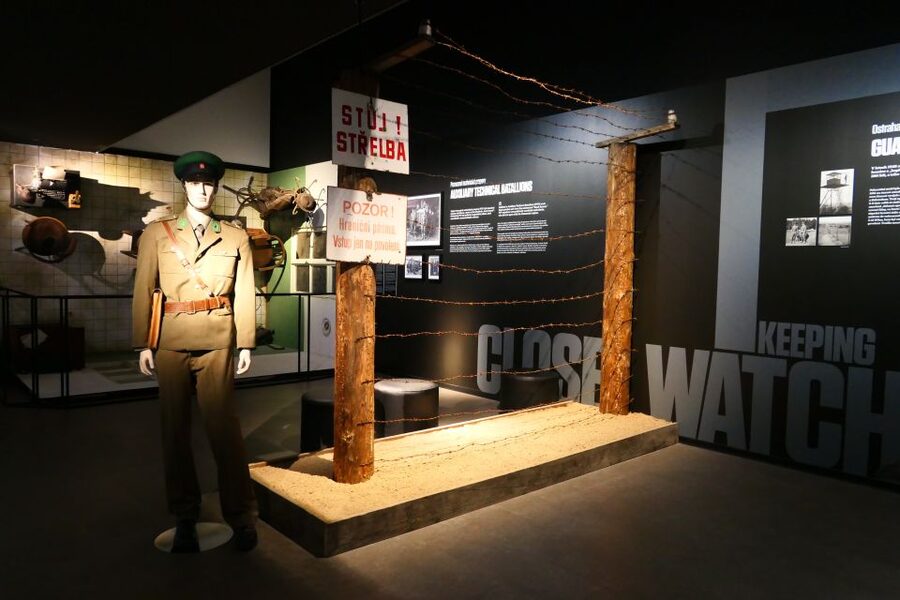
This is not a quick display of Soviet posters and old uniforms. The museum examines how the Communist regime shaped public and private life in Czechoslovakia between 1948 and 1989.
The exhibition is divided into themes rather than presented as one long political timeline. You move through sections on government, economics, education, sport, propaganda, Socialist Realist art, the army, the People’s Militias, the police, the StB secret police, courts, censorship, and political imprisonment.
That wide scope matters. If you know little about Czech history, the museum helps connect daily shortages and official propaganda with the larger machinery of power. If you already know about the Prague Spring or the 1968 Soviet invasion, the displays provide more detail about the institutions and habits that made the system work.
The tone is firmly critical of the Communist period. That is useful if you need a clear explanation of repression, censorship, show trials, and labor camps, but you should not expect a detached political debate about every possible interpretation of socialism or central planning. One section gives more space to the damage and control of the regime than to its claimed successes.
A few more museum visits around the Czech Republic worth comparing
- Prague: Museum of Fantastic Illusions Entry Ticket
★ 4.3 · 4,337 reviews - IAM Illusion Art Museum Entry Ticket
★ 4.2 · 1,664 reviews - Prague: Museum of Senses Admission Ticket
★ 4.0 · 1,445 reviews
Entering the Reconstructed Rooms
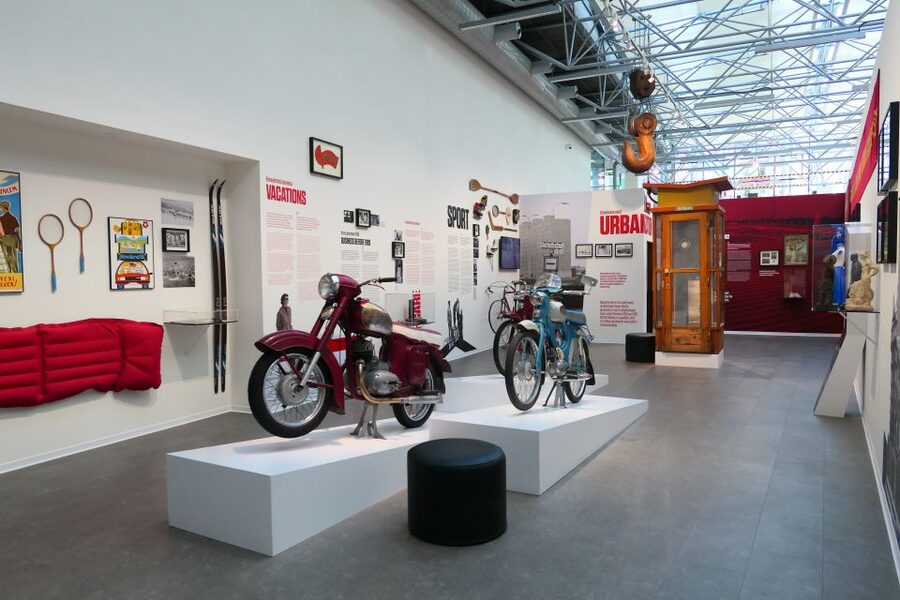
The most effective part of the museum is its use of recreated interiors. A panel can explain a policy, but a room gives you a sense of scale and routine.
The classroom shows how education could become a tool for political messaging. The child’s bedroom brings the subject closer to home, especially if you are trying to understand how official ideas entered family life and childhood. The shock worker’s workshop connects slogans about productivity with the physical world of labor.
The interrogation room is more severe. It points you toward the role of the police, courts, and StB, and helps explain that political control was not limited to speeches or newspapers. These rooms are mock-ups, not preserved locations, but they give the exhibition a physical rhythm and prevent it from becoming a wall of text.
You can enter and interact with the reconstructed spaces as you follow the route. The layout moves in a large circle, which makes the visit easy to manage without a guide. You can read the surrounding panels, look at the objects, and then return to the larger political story.
From the 1948 Putsch to the Velvet Revolution
The exhibition begins with the Communist takeover in February 1948 and follows the regime through four decades of control. You will see how power was organized and maintained, rather than only being told that Czechoslovakia was part of the Eastern Bloc.
The Stalinist era receives attention for its show trials and political labor camps. These sections are among the most important for understanding why fear and conformity became part of public life. The museum also examines censorship, official courts, the army, and the People’s Militias.
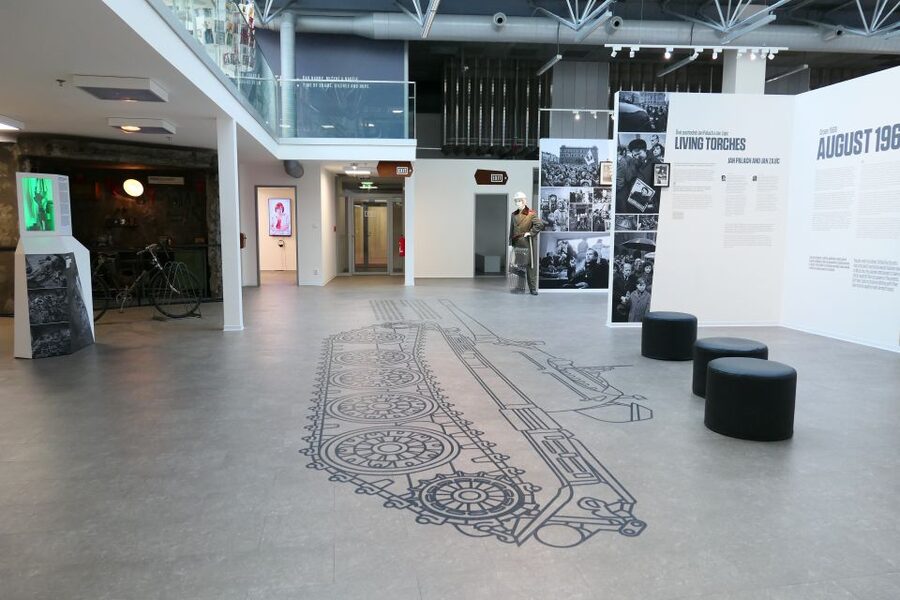
The displays then move through later decades, including the Prague Spring and the Soviet invasion of 1968. The museum addresses these events, though the space given to them may feel limited if you want a detailed explanation of the political forces behind the Prague Spring or the Velvet Revolution.
The final part leads toward 1989 and the collapse of the regime. It is a useful endpoint, but the exhibition is strongest when explaining the workings of the system itself. If you want a long, detailed account of the events that brought it down, you may need another source alongside the museum.
Photographs, Posters, and Original Objects
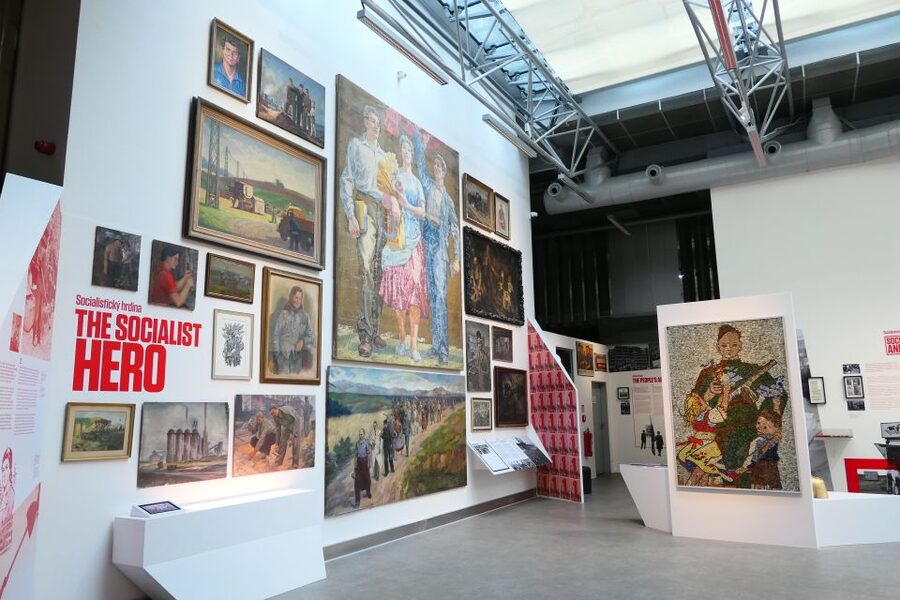
The photographs give the museum much of its human scale. The collection draws from the Archive of the Czech News Agency, the Security Services Archive, the Archive of the Association of Forced Military Camp Laborers, and personal collections belonging to leading Czech photographers.
These images help you compare official presentation with ordinary experience. Propaganda presents the ideal citizen, model worker, happy child, or successful state. Other photographs and artifacts point toward the harder realities behind that picture.
The museum also includes posters, short videos, and original objects. The media elements break up the reading and help explain events that may be unfamiliar if you did not grow up with this history.
Still, you should come prepared to read. The text is a major part of the visit, not a small label beside each object. A careful visit can easily take two hours, and one person reported spending three hours reading every part of the exhibition. If you prefer a museum built around large collections of objects, you may find the display less visually varied than expected.
Same city, a completely different collection:
- IAM Illusion Art Museum Prague Fast Pass Ticket
★ 5.0 · 957 reviews - Admission Ticket to Museum of Senses in Prague
★ 4.5 · 861 reviews - Prague: Museum of Bricks Entry Ticket
★ 4.2 · 851 reviews - Prague: Ticket to Audiovisual Light Art at Lumia Gallery
★ 4.4 · 607 reviews
Why Daily Life Is the Strongest Theme
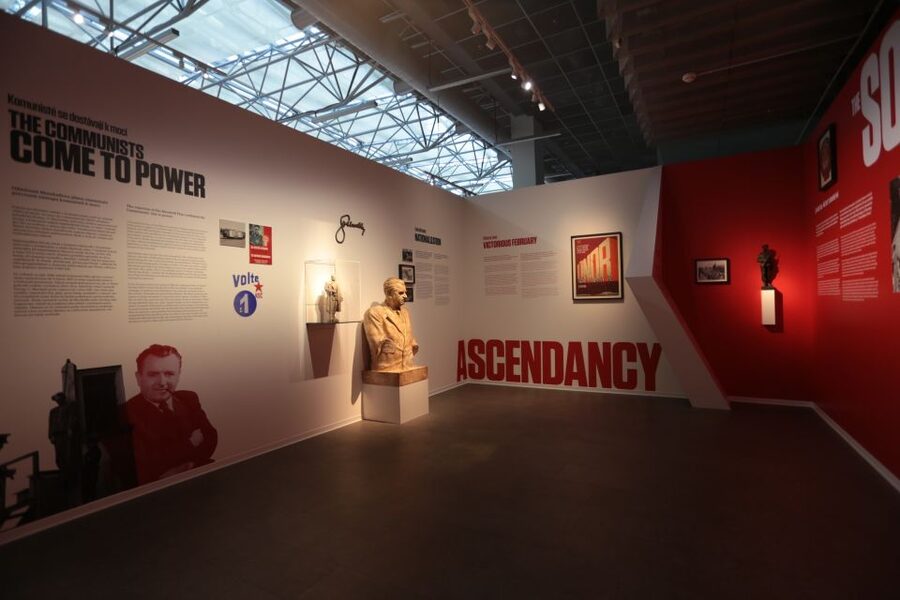
Political history can feel distant. The museum works best when it connects political decisions with ordinary routines.
The classroom and bedroom show how the system shaped children and families. The workshop links state demands to employment and productivity. The sections on economics and consumer life help you see how the official system affected the practical business of getting through the week.
Sport, education, and art are included because the regime did not operate only through police and courts. Socialist Realist art and propaganda helped define what success, loyalty, and patriotism were supposed to look like. Censorship limited what could be said or shown, while the StB and other institutions watched for opposition.
This is also why the collection may be useful for younger adults who were born after the fall of communism. It explains political habits and social memories that can otherwise seem hard to grasp from a standard sightseeing tour. The museum is not simply about old photographs. It is about how a government can shape the way people work, learn, speak, and remember.
The 15-Minute Documentary
A short documentary about communism in Czechoslovakia is included with admission. It plays at regular intervals in the museum cinema, so you do not need to arrive at one exact screening time.
I suggest watching it after you have seen some of the main displays. The film can then reinforce the names, events, and political changes you have just encountered. If you are short on time, it also gives you a compact overview before you leave.
The film is not a replacement for the exhibition. The museum’s main value is in the combination of text, rooms, photographs, artifacts, and political context. Think of the documentary as a useful closing piece rather than the central attraction.
How Much Time Should You Allow?
The advertised ticket is valid for one day from first activation, but most people will make one visit. The practical question is how much of the exhibition you want to read.
Allow about 90 minutes for a brisk visit. This gives you time to follow the route, examine the main rooms, and watch at least some of the visual material.
Plan two hours if you want to read the panels and see the documentary. Three hours is reasonable for a very careful visit, especially if you are interested in postwar European history or want to study the photographs and political sections closely.
The museum is easy to fit into a central Prague sightseeing day because you can set your own pace. You do not have to keep up with a group or wait for a guide. On the other hand, the absence of a guide means you must manage the story yourself. The layout helps, but the amount of text can feel demanding.
Location, Café, and Practical Details
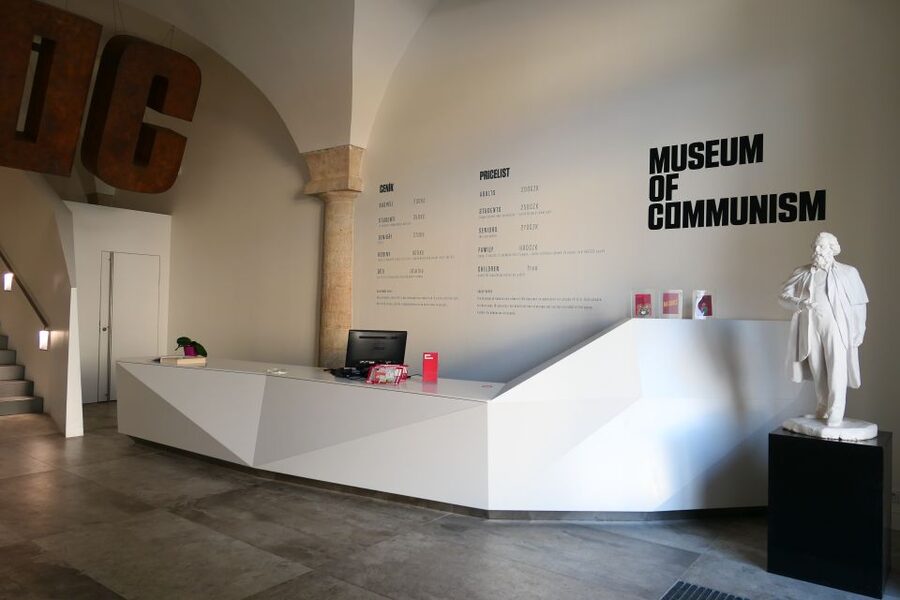
The museum is at V Celnici 1031/4, 110 00 Prague, in the Central Bohemian Region. The experience is indoors and wheelchair accessible.
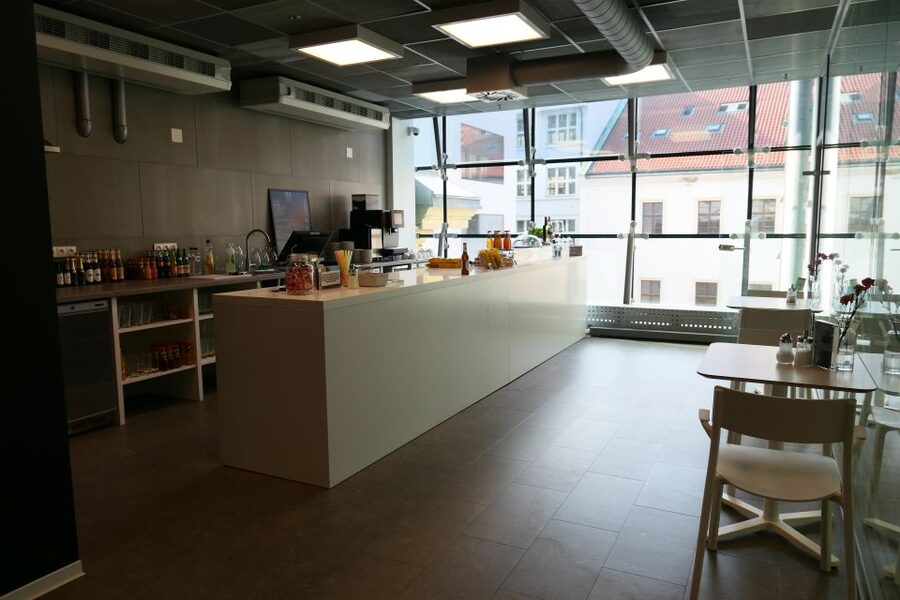
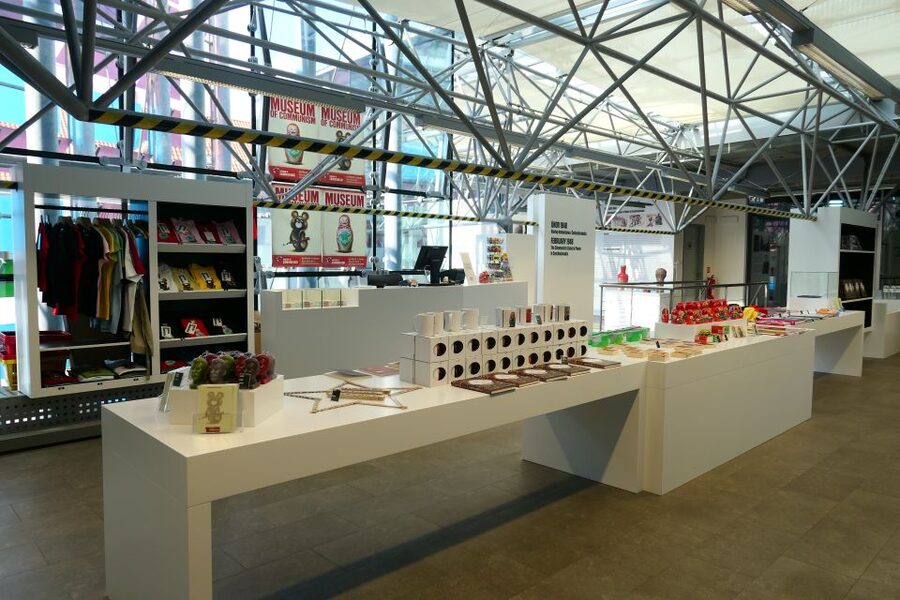
There is a café where you can take a break during the visit, and a cinema for the documentary. Do not count on the café as a major refreshment stop, though. Its drink and food service has been a weak point at times, and the café or gift shop may not always be open. If you want a book or souvenir connected with Czech history, check the opening arrangements rather than assuming the shop will be operating.
The cash desk closes 30 minutes before the museum itself. That matters if you are arriving late in the day. Build in enough time to enter before the ticket counter closes, then allow at least 90 minutes if you want the visit to feel worthwhile.
You can cancel up to 24 hours in advance for a full refund, and the reserve-now, pay-later option keeps your plans flexible. The ticket costs about $18 per person. That is fair value if you spend two hours with the exhibition and watch the film. It is less compelling if you only want a quick look at a few objects.
Who Will Get the Most From This Visit?
I would recommend the museum to anyone interested in 20th-century European history, the Cold War, the Soviet invasion of 1968, or the end of Communist rule in Central Europe.
It is especially useful if you are visiting Prague without much background knowledge. The exhibition gives you a framework for understanding Czech political memory and the long shadow of the Communist period.
It also suits solo visitors and independent sightseers. You can move at your own speed, pause at the rooms, skip a dense panel, or stay with a topic that catches your attention. Families with older children may find the reconstructed interiors helpful, though younger children may lose patience with the heavy reading.
You might want to skip it if your Prague plans are already full of museums and you prefer displays with little text. The museum asks for attention. It is not a quick, light stop between a castle and a café.
My Take on the Museum’s Balance
The museum’s direct criticism of the Communist regime is clear. That focus gives the exhibition moral force and makes the sections on political arrests, censorship, labor camps, and secret police easy to understand.
Some visitors may find the approach too one-sided. If you want a fuller discussion of the claims made by Communist governments, including areas where central planning may have achieved limited results, this museum does not spend equal time on those points.
That does not make the exhibition useless. It simply tells you what kind of museum it is: a record of repression and daily control, built to show how the system affected real people. The final comments and personal perspectives offer some room for more varied reactions, but the overall message remains strongly anti-authoritarian.
I find that clarity helpful for a first visit. You can always read a more neutral or political account later. Here, the museum makes sure you do not lose sight of the human cost behind official slogans.
Should You Book the Museum of Communism?
Book it if you want a serious, self-guided look at Czech life from 1948 to 1989. The recreated rooms, photographs, propaganda, and documentary make the subject easier to follow than a purely chronological history display.
The $18 ticket is good value if you allow two hours and read at a steady pace. Go earlier rather than at the last moment, since the cash desk closes 30 minutes before closing time. Bring patience for the text, and do not expect a live guide or a polished café break.
I would not make this your only history stop in Prague, but I would include it if you want to understand more than the city’s castles, churches, and pretty streets. The museum gives you a useful look at the recent past that still shapes Czech memory today.
FAQ
Where is the Museum of Communism?
The museum is at V Celnici 1031/4, 110 00 Prague, Czech Republic.
How much does admission cost?
The listed price is $18 per person.
How long is the ticket valid?
The ticket is valid for one day from the time you first activate it.
Is a guided tour included?
No. Admission includes entry to the exhibition, but there is no live tour guide.
Is the documentary included?
Yes. Admission includes a 15-minute documentary about communism in Czechoslovakia, shown at regular intervals in the museum cinema.
Is the museum wheelchair accessible?
Yes, the museum is wheelchair accessible.
When does the cash desk close?
The cash desk closes 30 minutes before the museum closes.
Just added around the Czech Republic
- Terezin: Guided Tour of the Concentration Camp and Museum★ 4.3 · 54 reviews
- Prague: Steel Art Museum Entry Ticket★ 4.8 · 572 reviews
- Prague: Signal Space Digital Art Gallery Entry Ticket★ 4.6 · 38 reviews
- Prague:Interactive Museum of the National Drink with tasting★ 4.7 · 113 reviews
- Prague: Tickets for the Franz Kafka Museum★ 4.2 · 188 reviews
- Prague: Old Town Tour & National Museum Skip-the-Line Ticket★ 4.6 · 81 reviews
- Prague: Railway Kingdom Giant Model Railway Museum★ 4.4 · 54 reviews
- Prague: River Cruise, Charles Bridge Museum, & Walking Tour★ 4.7 · 62 reviews
Museum Tours in the Czech Republic, compared.
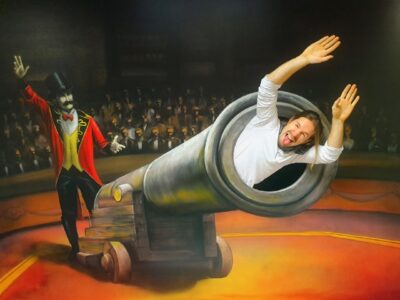
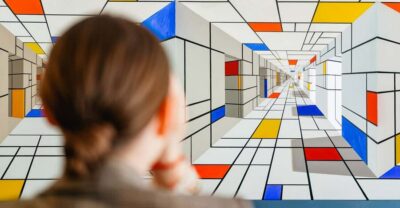
IAM Illusion Art Museum Prague Fast Pass Ticket
Read our review →
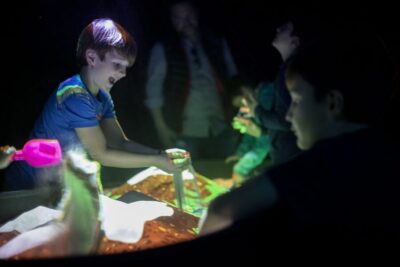
Ticket to Audiovisual Light Art at Lumia Gallery
Read our review →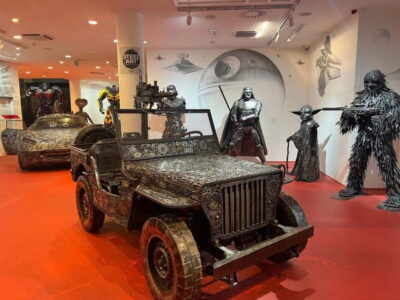
Browse the lists this tour appears in