
Review · PRAGUE
Prague: Kafka Museum Entry Ticket
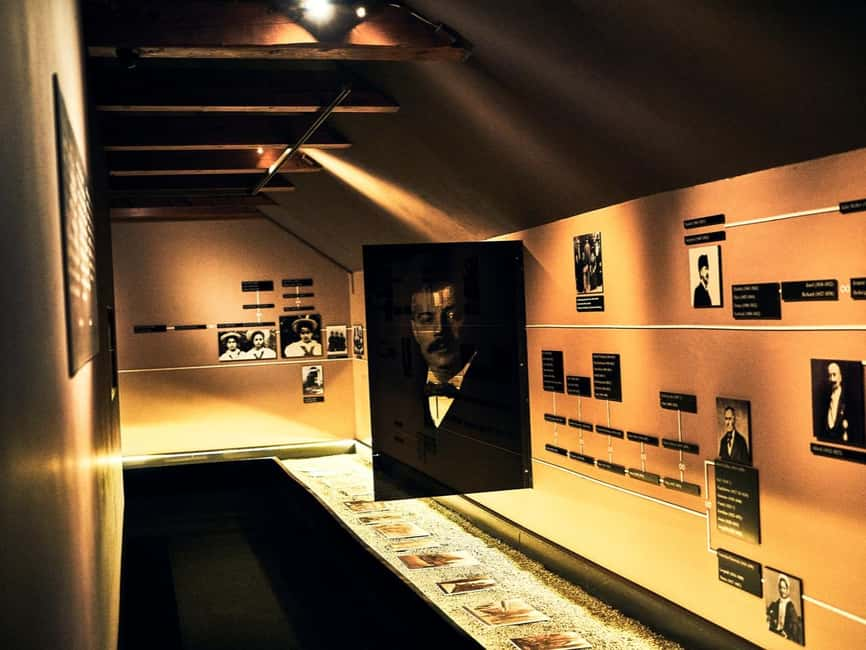
Kafka’s world is not presented here as a dusty row of glass cases. At the Kafka Museum, rare manuscripts, diaries, and first editions sit alongside sound, images, and three-dimensional displays that reflect his uneasy view of modern life. The setting, historic Hergetova Cihelna on the Lesser Town side of the Vltava, adds a fitting sense of place.
I like the mix of original documents and audiovisual installations, since it gives you both the facts of Kafka’s life and a feel for his strange, tense imagination. I also like the photographs and drawings of Prague in Kafka’s time, which connect his writing to the city around you. The main consideration is that this is an entry ticket, not a guided tour, so you will need to make sense of the material at your own pace.
Key points to know before you go
- Original Kafka material: See first editions, correspondence, diaries, manuscripts, photographs, and drawings.
- A sensory presentation: Three-dimensional exhibits, audiovisual work, and music composed for the museum shape the visit.
- A symbolic route: The exhibition reflects alienation, existential anxiety, and absurdity rather than offering a simple biography.
- A historic Lesser Town setting: The museum occupies Hergetova Cihelna beside the Vltava River.
- A flexible one-day ticket: You can reserve now and pay later, with cancellation available up to 24 hours before the visit.
- A self-guided visit: Entry and exhibits are included, but guided tours, food, drinks, and souvenirs are not.
Entering Kafka’s Prague at Hergetova Cihelna
The Kafka Museum sits in Hergetova Cihelna, a historic building on the Lesser Town bank of the Vltava River. The location matters. Kafka’s writing is closely tied to Prague, and the museum’s photographs and drawings help you see the city as more than a pretty backdrop of bridges, churches, and grand facades.
You begin with material linked directly to Kafka’s life and work. First editions show how his books appeared to early readers. Personal letters and correspondence bring in the private side of a writer often associated with isolation. Diaries and manuscripts reveal writing in progress, where a finished sentence may still look uncertain, crowded, or raw.
For me, this is the museum’s strongest foundation. It gives the strange displays that follow a factual anchor. You are not simply walking through a mood built from shadows and sound. You are seeing documents connected to a real writer, then considering how those documents relate to the themes in his work.
The museum covers a major figure in 20th-century literature, but you do not need to arrive as a Kafka expert. The exhibits are intended to lead you toward his concerns with social pressure, inner anxiety, alienation, and absurdity. If you already know The Metamorphosis, The Trial, or The Castle, the displays may add texture to familiar ideas. If you have read little or nothing by Kafka, the museum can give you a useful introduction, though it will not replace reading the books themselves.
More Museum Tours in Prague
- Prague: Museum of Fantastic Illusions Entry Ticket
★ 4.3 · 4,337 reviews - IAM Illusion Art Museum Entry Ticket
★ 4.2 · 1,664 reviews - Prague: Museum of Senses Admission Ticket
★ 4.0 · 1,445 reviews
First editions, diaries, and manuscripts
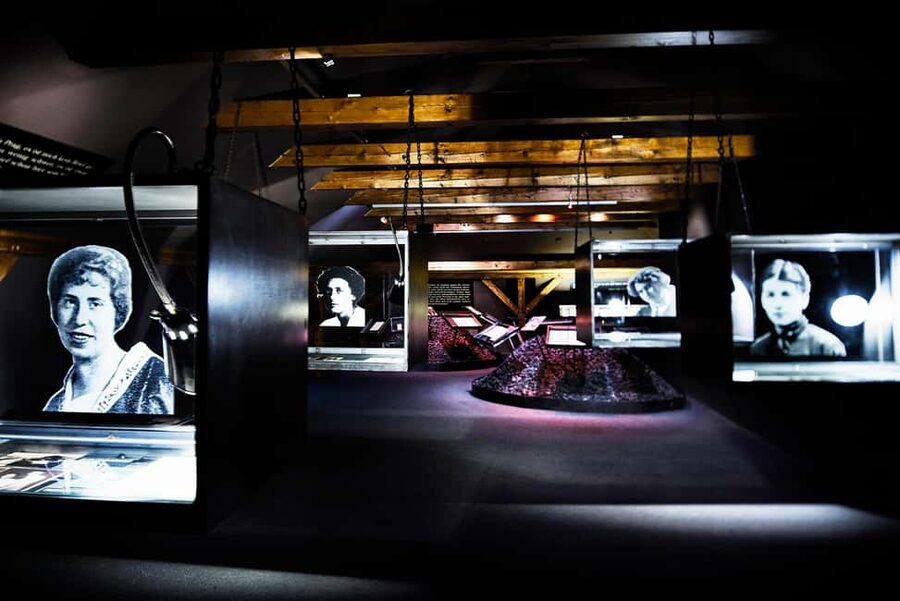
The rare documents deserve your careful attention. A first edition is more than an old copy behind glass. It places Kafka’s writing in its original publishing world and reminds you that these works were once new, uncertain, and not yet fixed in literary history.
The correspondence and diaries shift the focus toward Kafka the person. They can help you consider the gap between an author’s public work and his private struggles. The exhibition presents his difficulties with societal expectations and his own inner anxieties, giving the visit a personal edge without reducing Kafka to a gloomy character from one of his stories.
Manuscripts can be especially rewarding if you enjoy the physical side of literature. You see writing as a process, not just as clean text on a printed page. The material is also valuable for visitors interested in libraries, archives, and book history, even if Kafka’s fiction is not your main reason for visiting.
Some works on display have never been shown before. Since the available information does not identify each item, it is best to treat this as a reason to look closely rather than expect a particular famous manuscript. Museum displays can change, and the pleasure lies partly in noticing what is presented during your visit.
Take your time with the documents. The audiovisual rooms may draw your attention quickly, but the letters, diaries, and first editions provide the context that keeps the exhibition from becoming only an atmospheric presentation.
Photographs and drawings of early 20th-century Prague
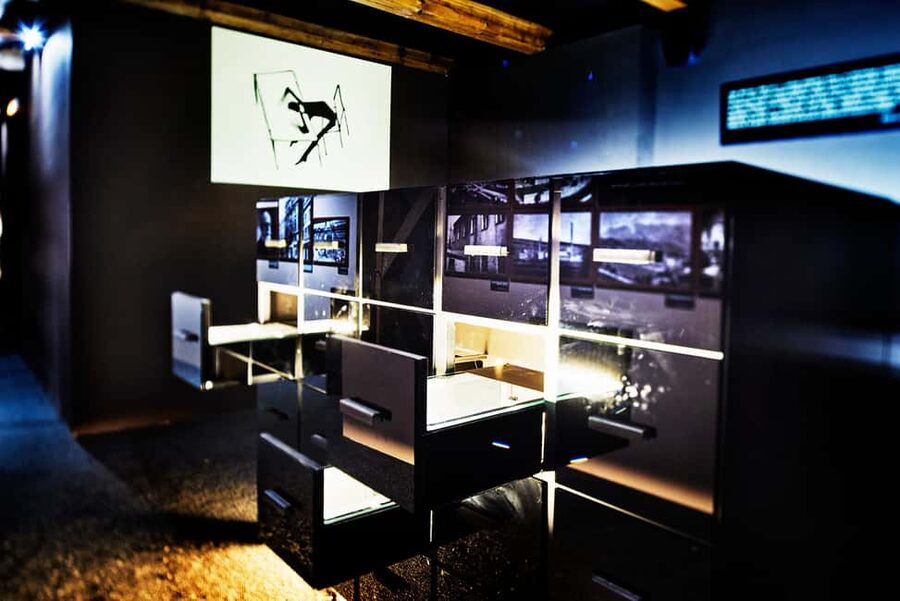
The photographs and drawings connect Kafka’s personal story with the Prague he knew. They offer a visual record of the city during his lifetime and give you another way to approach his writing.
This section should appeal even if you are visiting Prague for architecture rather than literature. You can look at the images as historical records, then compare them with the city you see outside. The museum is in Lesser Town, near the Vltava, so the setting provides a natural link between the exhibition and the streets of Prague.
Do not expect the photographs to turn the museum into a general survey of Prague. Their purpose is narrower. They help place Kafka in time and show the urban world behind the books. That focus is useful because Kafka is often treated as a universal symbol of fear and bureaucracy, while these images bring him back to one particular city.
I especially like this part of the visit because it gives you a pause from the darker emotional material. You can study faces, streets, buildings, and everyday scenes. The result is a more grounded picture of Kafka’s world.
Audiovisual rooms and the museum’s symbolic route
The exhibition is arranged as a symbolic journey through the ideas that shape Kafka’s literary reputation. Expect an approach based on mood and meaning rather than a simple room-by-room timeline of his life.
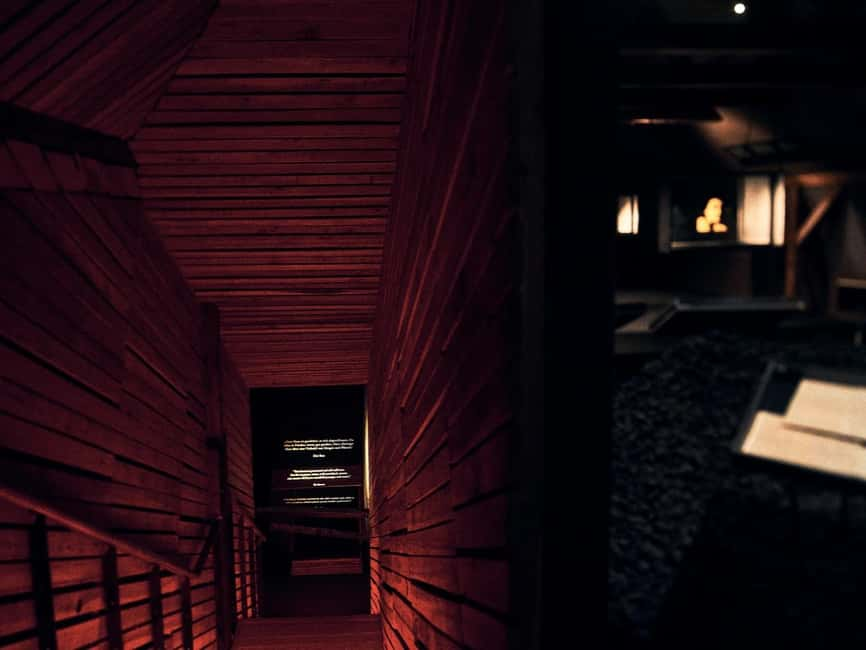
Audiovisual installations add sound and movement to the documents. Three-dimensional exhibits give the presentation a physical quality, while music composed specifically for the museum helps create its atmosphere. These elements are not just decoration. They are intended to suggest Kafka’s sense of uncertainty, estrangement, and the absurd.
This can be the most memorable part of the museum, but it is also the part most likely to divide visitors. If you prefer clear labels, dates, and a straightforward biography, the symbolic presentation may feel indirect. If you enjoy museums that ask you to react and interpret, the combination of images, objects, and sound gives Kafka’s ideas more force.
I would not rush through these rooms. The museum’s value is not measured only by how many objects you can list afterward. Give yourself time to notice how the presentation changes your sense of the manuscripts and photographs you have already seen.
The music was composed exclusively for the Kafka Museum, so it belongs to this exhibition rather than serving as general background. Listen for how it affects your pace and attention. You may find the sound helps tie the rooms together, or you may prefer to focus on the written material. Either response is reasonable.
A few more museum visits around Prague worth comparing
- IAM Illusion Art Museum Prague Fast Pass Ticket
★ 5.0 · 957 reviews - Admission Ticket to Museum of Senses in Prague
★ 4.5 · 861 reviews - Prague: Museum of Bricks Entry Ticket
★ 4.2 · 851 reviews - Prague: Ticket to Audiovisual Light Art at Lumia Gallery
★ 4.4 · 607 reviews
What the visit explains about Kafka
The museum centers on several themes: existential anxiety, alienation, absurdity, and pressure from society. These ideas can sound abstract when listed in a guidebook. Here, they become a way to connect Kafka’s life with the tone of his writing.
Existential anxiety refers to the unease that comes from feeling unsure of your place, your choices, or the forces controlling your life. Alienation concerns separation from other people and from the systems around you. Absurdity appears when events follow rules that seem both official and completely unreasonable. Kafka’s work is famous for bringing these feelings into ordinary settings, and the exhibition uses its displays to show how those concerns shaped his literary legacy.
The museum also gives attention to Kafka’s personal struggles. That does not mean every story should be read as a direct record of his life. It does mean you can see how personal pressure and creative work occupied the same world.
For a first-time reader, this context may make Kafka less intimidating. His books can feel strange or bleak, but the museum helps explain why they continue to matter. For someone already familiar with his work, the documents and visual material offer a more personal route back into the texts.
How much time should you allow?
The ticket is valid for one day, but no fixed visit length is provided. That gives you flexibility, though it also means you should check the available starting times before booking.
I would plan the museum as a focused cultural stop rather than assume it will fill an entire day. The exhibition includes substantial material, and the audiovisual installations reward a slower pace, but the ticket covers the museum itself. It does not include a guided city walk, meals, or other Prague attractions.
The best time for your visit depends on your day in Lesser Town. You can pair it with a walk along the Vltava or with other nearby sightseeing, but keep enough space to read the documents and watch the installations. A quick pass may cover the rooms, yet it will miss much of the point.
Since there is no guide included, your pace is your own. You can linger over a manuscript, move more quickly through a display that speaks to you less, and return to a photograph or audiovisual work before leaving.
Is the $14 ticket good value?
At $14 per person, the ticket is reasonably priced for a specialized museum built around original documents and a purpose-made presentation. You are paying for more than basic entry: the ticket includes the audiovisual installations and access to rare manuscripts and other exhibits.
The value depends on what you want from a museum. If you like literature, archives, modern European culture, or unusual exhibition design, the price is easier to justify. You receive a concentrated look at Kafka’s life and work, along with visual and sound elements that a standard biography display would not provide.
The value is less clear if you want a broad survey of Prague or a long, guided explanation. This is not a general city museum, and no guided tour is included. You should also budget separately for food, drinks, and souvenirs if those matter to your visit.
The reserve-now-and-pay-later option can help if your Prague plans are still moving around. You can hold a place without paying at once, and cancellation is available up to 24 hours in advance for a full refund. Check the available starting times before choosing a date.
Who will get the most from this museum?
I would recommend the Kafka Museum to readers who enjoy seeing original sources rather than only reproductions or summaries. Literature students, book lovers, and visitors curious about Prague’s cultural history should find plenty to consider.
It also suits people who like museums with a strong visual and emotional style. The audiovisual installations, three-dimensional exhibits, and original music make the visit more active than a standard display of framed documents.
You do not need to be a devoted Kafka reader. The photographs, drawings, and explanation of his major themes give newcomers a way in. Still, you will get more from the museum if you know at least the basic outline of Kafka’s writing or plan to read one of his works afterward.
I would be more cautious if you want a light, cheerful attraction or a simple chronological biography. Kafka’s subjects are serious, and the exhibition reflects that. The presentation can feel intense, especially for visitors who prefer bright, direct displays with plenty of practical information.
A practical plan for your visit
Before booking, check the available starting times. The ticket is valid for one day, but the activity information does not provide a fixed schedule or visit length.
At the museum, begin with the historical documents rather than rushing toward the audiovisual sections. Read enough of the letters, diaries, and manuscript material to understand the person behind the literary image.
Next, give the photographs and drawings of Prague your full attention. They provide a needed sense of place and help you connect Kafka’s ideas with the city where he lived and worked.
Then spend time with the symbolic displays, three-dimensional works, music, and audiovisual installations. Think of these as an interpretation of Kafka’s concerns, not as a literal retelling of each event in his life.
Since the ticket does not include a guide, you may want to read a short introduction to Kafka before arriving. That is not required, but it can help you recognize the importance of the documents and follow the themes more easily.
Should you book the Kafka Museum?
Book it if you want a focused look at Franz Kafka through manuscripts, first editions, personal papers, images of Prague, and a strong audiovisual presentation. The $14 price is fair for a specialized museum, especially if you plan to take your time with the documents and installations.
Skip it if you are looking for a guided tour, a broad introduction to all of Prague, or a relaxed attraction with little reading. This museum asks you to think, and its symbolic style will not suit every mood.
For literature lovers and curious visitors in Lesser Town, I think the ticket is a worthwhile cultural stop. It gives you both the writer’s physical world and the uneasy ideas that made his work so lasting.
FAQ
Where is the Kafka Museum located?
The Kafka Museum is located in historic Hergetova Cihelna on the Lesser Town bank of the Vltava River in Prague.
What does the entry ticket include?
The ticket includes entry to the Kafka Museum, access to audiovisual installations, and viewing of rare manuscripts and other exhibits.
Are guided tours included?
No. Guided tours are not included with this entry ticket.
What can I see inside the museum?
You can see first editions of Kafka’s works, personal correspondence, diaries, manuscripts, photographs, drawings, three-dimensional exhibits, and audiovisual installations.
Is music part of the exhibition?
Yes. The museum features music composed specifically for the Kafka Museum.
How long is the ticket valid?
The ticket is valid for one day. Available starting times should be checked before booking.
Can I cancel the booking?
Yes. You can cancel up to 24 hours in advance for a full refund.
Can I reserve now and pay later?
Yes. The reserve-now-and-pay-later option lets you book without paying anything today.
Just added around Prague
- Prague: Steel Art Museum Entry Ticket★ 4.8 · 572 reviews
- Prague: Signal Space Digital Art Gallery Entry Ticket★ 4.6 · 38 reviews
- Prague: Tickets for the Franz Kafka Museum★ 4.2 · 188 reviews
- Prague: River Cruise, Charles Bridge Museum, & Walking Tour★ 4.7 · 62 reviews
- Prague: National Museum Ticket & Online Audioguide City Tour★ 4.3 · 325 reviews
- Choco Art Museum in Prague Entry Ticket★ 3.6 · 29 reviews
- Prague: Story of Prague Immersive Museum Experience★ 4.5 · 176 reviews
- Prague: Museum of Torture Entry Ticket★ 3.6 · 317 reviews
Museum Tours in Prague, compared.
IAM Illusion Art Museum Prague Fast Pass Ticket
Read our review →
Ticket to Audiovisual Light Art at Lumia Gallery
Read our review →
Browse the lists this tour appears in