
Review · ROME
Pamphilj Gallery Skip The Line Tickets and Audio Guide
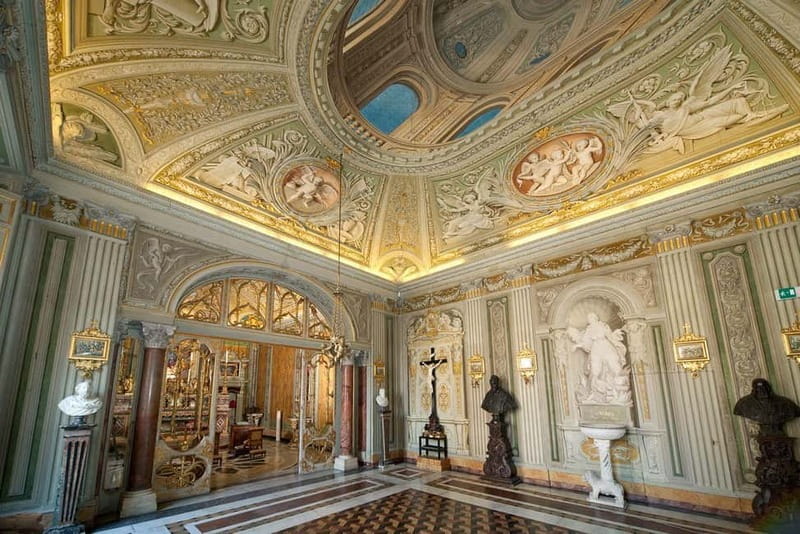
Rome’s Doria Pamphilj Gallery gives you something many major museums cannot: the feeling of entering a family palace that still revolves around its own collection. Paintings cover the reception rooms, gallery wings, and private apartments, so you are not simply walking from one isolated masterpiece to the next. You are seeing art as part of a grand private home. I especially like the chance to see Caravaggio, Raphael, Titian, and Velázquez in one place, and I like having an audio guide to provide order in a collection that can otherwise feel wonderfully overwhelming.
The main caution is value. The advertised price is $46 per person, while an Italian customer reported paying 78 euros and later finding a much lower price for an entrance ticket with audio guide at the palace. I would compare the direct price before booking, particularly if you are not visiting during a crowded period and the skip-the-line benefit matters less to you.
Key points at a glance
- Caravaggio and Raphael anchor the visit: You can see major Italian names alongside Titian, Carracci, and Bernini.
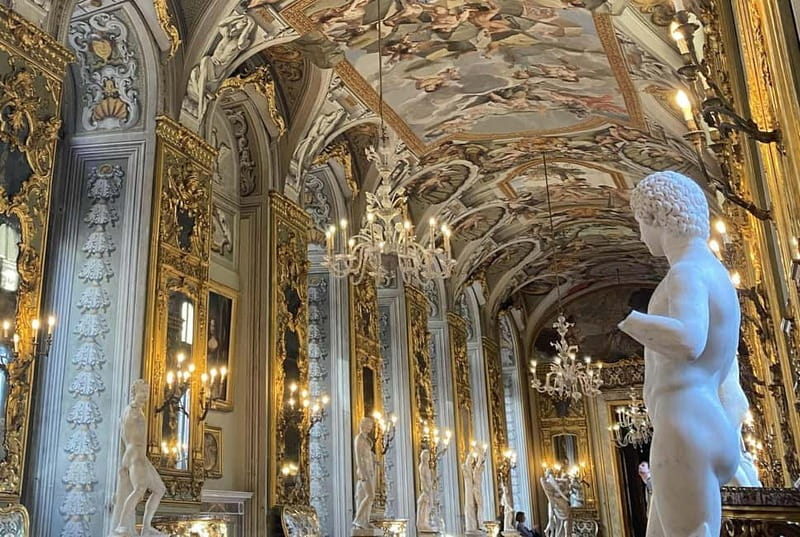
- The palace is part of the experience: Art fills reception rooms, gallery wings, and private apartments rather than sitting in a plain museum building.
- Flemish and Spanish works broaden the collection: Look for paintings by Flemish Baroque artists, Lorrain, and Velázquez.
- The audio guide shapes your two hours: There is no live guided tour, so the recorded commentary is your main source of explanation.
- Skip-the-line access saves time: This matters most when the entrance is busy, though it may not justify a large booking premium on a quiet day.
- You stay in central Rome: The ticket covers gallery entry, but transportation is not included.
A private palace filled wall to wall with art
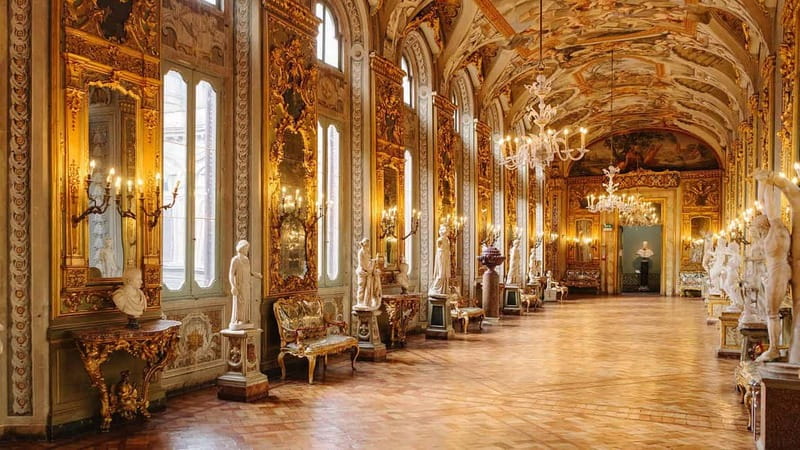
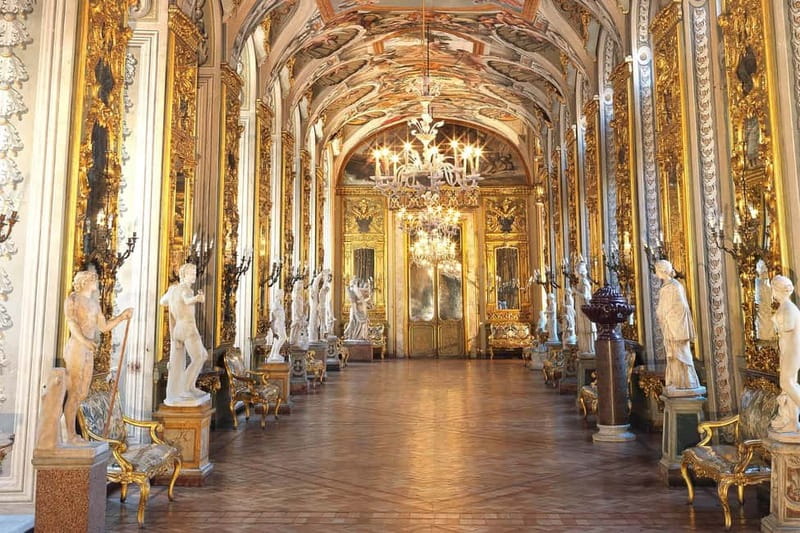
The first surprise here is quantity. The collection does not appear in a few carefully spaced galleries with wide stretches of empty wall. Instead, paintings fill the palace rooms, wings, and apartments. That density is part of the character of the Doria Pamphilj collection, but it also changes how you should plan your visit.
I would not arrive expecting to inspect every picture closely. In two hours, you need to choose. Start with the major artists named in the collection, then allow yourself time to look at the rooms themselves. The setting helps explain how powerful families displayed art: paintings were part of daily life, entertaining, status, and family memory.
The palace includes reception rooms where formal guests would have been welcomed, as well as private apartments. That mix gives the visit more variety than a standard sequence of museum halls. You might pause for a celebrated religious or mythological work, then turn your attention to the room around it: its scale, decoration, and the way one painting relates to another.
I like this kind of museum because it rewards both the focused art lover and the curious browser. You can follow the famous names, or you can simply enjoy the sense of moving through an old Roman household whose walls became a family record in paint.
More Museum Tours in Rome
- Vatican Museums, Sistine Chapel & St. Peter’s Basilica Tour
★ 4.3 · 73,970 reviews - Vatican Museums, Sistine Chapel & St Peter’s Basilica Guided Tour
★ 4.5 · 39,149 reviews - Rome: Vatican Museums, Sistine Chapel and Basilica Tour
★ 4.3 · 16,039 reviews
Finding Caravaggio, Raphael, and Titian
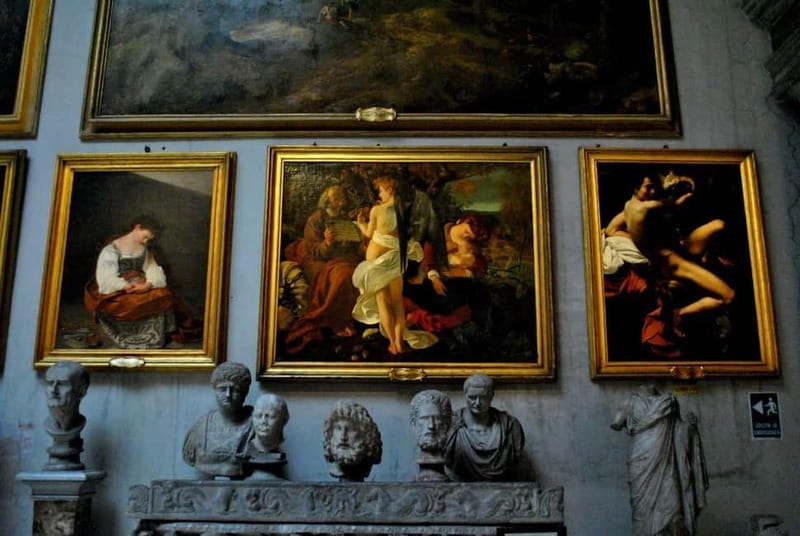
The Italian works provide the clearest reason to book this visit. Caravaggio, Raphael, Titian, Carracci, and Bernini represent several important strands of Italian art, and seeing them within one family collection gives the experience a strong center.
Caravaggio is likely to draw the most attention. His name alone can shape a museum visit, but you should resist rushing from his work to the next famous picture. Give the audio guide time to explain the painting, then look at the surrounding collection. The contrast between Caravaggio’s dramatic style and works by other Italian masters is part of the pleasure.
Raphael and Titian offer a different kind of appeal. Raphael is associated with clarity and balance, while Titian’s work brings the color and force of Venetian painting into the collection. Carracci and Bernini add further context, showing how Italian art moved through different ideas and periods rather than following one single style.
The information provided for this experience does not identify individual artwork titles, so I would not build your visit around a fixed checklist of pictures. Instead, use the audio guide to locate the principal works and listen for the connections between artists. If you already know the collection well, you may prefer to use the guide selectively and spend more time looking on your own.
Flemish, French, and Spanish art beyond the Italian masters
The collection becomes more interesting when you move past the best-known Italian names. Flemish Baroque paintings bring a different visual language, with their own approach to detail, color, and religious or secular subjects. These works keep the visit from feeling like a narrow survey of Italian painting.
You will also find works by French landscape painter Lorrain. Here, landscape is meant literally, as painted countryside and scenery rather than a broad description of the collection. Lorrain’s presence adds a quieter change of pace after the drama of the Baroque rooms.
Diego Velázquez supplies another important point of comparison. The Spanish Baroque artist is a major name in his own right, and his work helps show how artistic ideas circulated across Europe. You can look at the Italian, Flemish, French, and Spanish pictures not only as separate masterpieces, but also as evidence of the broad collecting interests of the Doria Pamphilj family.
This international range is one of the strongest reasons to use the audio guide. Without some explanation, a crowded room of paintings from different countries and periods can blur together. The guide can help you identify why a work matters and where it fits within the palace collection.
Reception rooms, gallery wings, and private apartments
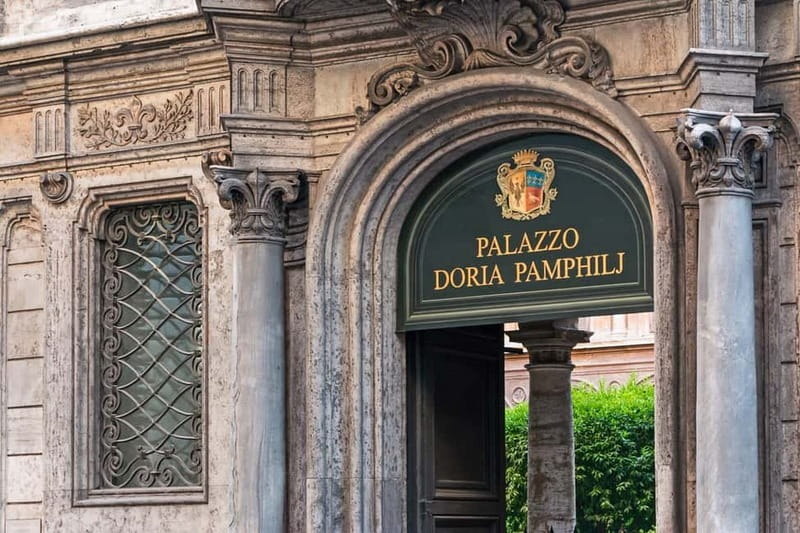
The route is not described as a rigid stop-by-stop itinerary, and that is worth understanding before you arrive. Your ticket gives access to the private collection inside Palazzo Doria Pamphilj, including reception rooms, gallery wings, and private apartments. The experience is therefore more about exploring a connected palace than following a theatrical presentation.
The reception rooms show how art worked in formal spaces. These rooms were designed to impress, and the paintings contribute to that effect through their size and number. I would take a moment to look away from the individual canvases and notice how the entire room is arranged.
The gallery wings provide the most concentrated art viewing. You may find yourself moving from one famous artist to another with little empty wall between them. That abundance is exciting, but it can also create fatigue. Take brief pauses rather than trying to absorb every label and every audio-guide entry.
The private apartments offer a different mood. They make the collection feel less like a public institution and more like an old family residence. The presence of art in these spaces helps you picture how the family lived with its collection, rather than treating each picture as a detached object.
Because the collection is so full, I would plan a short pause halfway through your visit if the rooms allow it. Two hours is enough for a satisfying look, but only if you accept that you will not see every work in equal detail.
More skip-the-line museum tickets in Rome:
- Vatican Museums & Sistine Chapel Skip-the-Line Entry Ticket
★ 4.4 · 13,838 reviews - Rome: Vatican Museums & Sistine Chapel Skip-the-Line Ticket
★ 4.3 · 8,103 reviews - Skip the Line: Vatican Museum, Sistine Chapel + Optional Basilica
★ 4.5 · 6,181 reviews - Rome: Borghese Gallery Skip-the-Line Ticket & Audioguide
★ 4.3 · 4,318 reviews
How the audio guide changes the visit
This is an audio-guided visit, not a live tour. No named guide is provided, and the activity information identifies English as the language. The general description refers to listening in your language, so if language choice matters to you, check the available option when booking.
An audio guide is useful here because the palace contains many works and several artistic traditions. It can help you decide which pictures deserve more attention and explain the story of the family collection. That structure is valuable for a first visit, especially if you do not already know the artists.
The tradeoff is flexibility. A live guide can respond to your questions and adjust the pace. An audio guide cannot. You will need to manage the sequence yourself, pause when a room catches your eye, and skip commentary that does not interest you.
I would use the audio guide as a tool rather than a command. Listen to the entries for Caravaggio, Raphael, Titian, Velázquez, and the other major artists, then put the device aside for a few minutes and look. The palace deserves some quiet time without narration.
Is the two-hour duration enough?
Two hours is a sensible first visit. It gives you time to see the main rooms, hear selected commentary, and appreciate the palace setting without turning the experience into an all-day museum session.
Still, two hours is not a promise that you will study every painting. The collection is described as vast, and the art covers the walls of several types of rooms. If you read every audio entry and examine every canvas, you may need to move quickly.
I would divide the time into three loose parts:
- Begin with the principal Italian works, especially Caravaggio, Raphael, Titian, Carracci, and Bernini.
- Move through the wider collection, giving attention to the Flemish Baroque painters, Lorrain, and Velázquez.
- Finish by revisiting the room or picture that made the strongest impression.
That approach gives you both the famous works and the pleasure of discovery. It also prevents the common museum mistake of spending all your energy in the first rooms.
What the $46 price really buys you
At $46 per person, the ticket is not a simple low-cost museum admission. You are paying for access to a major private collection, skip-the-line entry, and an audio guide. The price may make sense if you value saved time or are visiting when the entrance is busy.
The calculation changes if the palace is quiet. One Italian booking experience reported paying 78 euros while later discovering that an entrance ticket with audio guide could cost 16 euros at the venue. That difference is large enough to make a price check essential.
I would compare the direct admission price, the current third-party price, and the value of skip-the-line access before paying. Prices can change, so the 16 euro figure should not be treated as a guaranteed current rate. Still, the reported gap is a useful warning: convenience can carry a heavy markup.
The booking also includes free cancellation up to 24 hours in advance and a reserve-now, pay-later option. Those features have real value if your Rome schedule is still changing. They do not, however, solve a large price difference.
Skip-the-line access and meeting details
Skip-the-line entry is the main practical advantage beyond the ticket and audio guide. It can protect your sightseeing time, especially if you have several fixed plans in Rome.
The meeting-point information is limited, with the entrance indicated as the place from which you can enter the gallery. I would read the booking instructions carefully before setting out, since no transportation or separate transfer is included. You are responsible for reaching Palazzo Doria Pamphilj on your own.
An English-speaking host or greeter is listed, but the experience itself is not a live guided tour. Think of that person as help with entry rather than a private art historian accompanying you through every room.
Who will enjoy this palace visit most?
I would recommend it to you if you enjoy major paintings but also want to see them in a historic family setting. It suits someone who likes to set their own pace, listen to selected commentary, and spend time comparing Italian works with Flemish, French, and Spanish examples.
It is also a good choice if you have limited time in Rome. Two hours gives you a manageable cultural stop, and skip-the-line entry can help keep your day moving.
I would be more cautious if you are highly price-sensitive or if you prefer a personal guide. The audio guide offers structure, but it cannot answer questions or tailor the visit. I would also hesitate if you want a quiet, minimalist museum layout. The crowded walls are part of the palace’s character, but they can feel visually heavy.
Should you book the Doria Pamphilj Gallery?
Book it if Caravaggio, Raphael, Titian, and Velázquez are high on your Rome list, and if you want to see them inside a private palace rather than a modern gallery. The reception rooms, gallery wings, and apartments give the collection a strong sense of place, while the audio guide helps you make sense of the large number of works.
Before paying, compare the price with direct admission. The skip-the-line benefit and flexible cancellation may justify a premium, but the reported difference between third-party pricing and a much cheaper venue ticket is too large to ignore.
My practical call: this is a worthwhile two-hour art visit for people who value the collection and the palace setting. It is not the best deal automatically. Check the current direct price first, then book this option if the time savings and flexible terms are worth the extra cost to you.
FAQ
Where does the experience take place?
It takes place at Palazzo Doria Pamphilj in Rome, in Italy’s Lazio region.
How long does the visit last?
The stated duration is two hours.
What does the ticket include?
It includes access to the private collection at Palazzo Doria Pamphilj and an audio guide.
Is a live guided tour included?
No. A guided tour is not included. The experience provides an audio guide instead.
Which artists can I see?
The collection includes works by Caravaggio, Titian, Raphael, Carracci, Bernini, Flemish masters, Lorrain, and Diego Velázquez.
Can I see the private apartments?
Yes. Access includes the palace’s private apartments, along with reception rooms and gallery wings.
Is transportation included?
No. Transportation is not included.
What language is available?
The additional activity information lists English. The general description refers to an audio guide in your language, so check the available language option before booking if English is not suitable.
Can I cancel for a refund?
Yes. You can cancel up to 24 hours in advance for a full refund. The booking also offers a reserve-now, pay-later option.
More Audio-Guided Visits in Rome
- Istanbul: Topkapi Palace & Harem Museum Ticket & Audio Guide
★ 4.1 · 3,977 reviews - Paris: Orsay Museum Entry Ticket and Digital Audio Guide App
★ 4.4 · 3,170 reviews - Florence: Uffizi Gallery Timed Entry Ticket & Audio Guide
★ 4.2 · 2,794 reviews - Athens: Acropolis Museum Ticket with optional Audio Guide
★ 4.4 · 2,652 reviews
More Self-Guided Tours in Rome
- Rome: Borghese Gallery Ticket and Optional Audio Guide
★ 4.3 · 902 reviews - Borghese Gallery entry ticket and audioguide App
★ 4.7 · 570 reviews - Rome: Vatican Museums & Sistine Chapel Entry with Audio App
★ 4.3 · 240 reviews - Rome: Jewish Museum and Tempio Maggiore Entry with Audio
★ 3.9 · 36 reviews
Just added around Rome
- Vatican City: Sistine Chapel, Museums, Basilica Private Tour★ 4.8 · 158 reviews
- Rome: Hop-on Hop-off Bus & Vatican Museums Ticket★ 3.5 · 41 reviews
- Rome: Vatican Museums, Sistine Chapel, and St. Peter’s Tour★ 4.5 · 49 reviews
- Skip-The-Ticket Line-Vatican Museum & Sistine Chapel★ 3.9 · 383 reviews
- Skip the line Vatican Museum Sistine & St.Peter Private Tour★ 4.7 · 40 reviews
- Skip-the-Line Vatican Museums and Sistine Chapel Guided Tour★ 4.3 · 130 reviews
- Skip-the-Line Tickets: Vatican Museum and Sistine Chapel★ 3.5 · 114 reviews
- MAXXI – Museum of Contemporary Art of 21st century★ 4.0 · 91 reviews
Museum Tours in Rome, compared.
Vatican Museums, Sistine Chapel & St. Peter’s Basilica Tour
Read our review →
Vatican Museums, Sistine Chapel & St Peter’s Basilica Guided Tour
Read our review →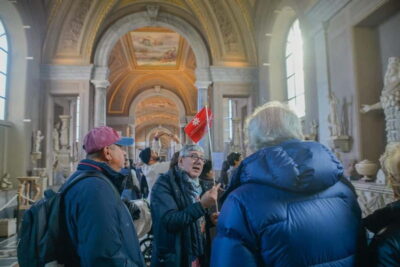
Vatican Museums, Sistine Chapel and Basilica Tour
Read our review →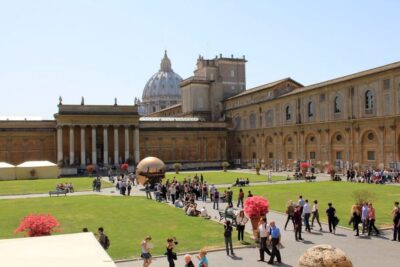
Vatican Museums & Sistine Chapel Skip-the-Line Entry Ticket
Read our review →
Vatican Museums, Sistine Chapel & Basilica Tour
Read our review →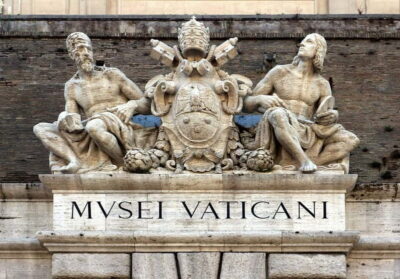
Vatican Museums & Sistine Chapel Guided Tour
Read our review →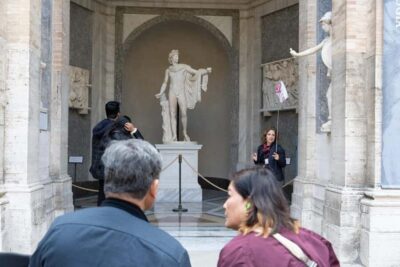
Vatican Museums & Sistine Chapel Skip-the-Ticket-Line Tour
Read our review →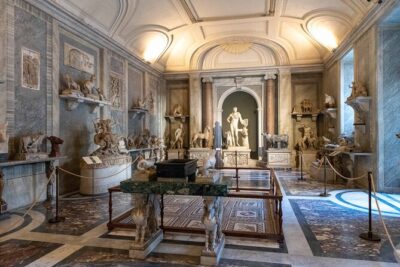
Vatican Museums, Sistine Chapel and St. Peter’s Basilica Tour
Read our review →Browse the lists this tour appears in