
Review · CAIRO
Grand Egyptian Museum Private Guided Tour(GEM)
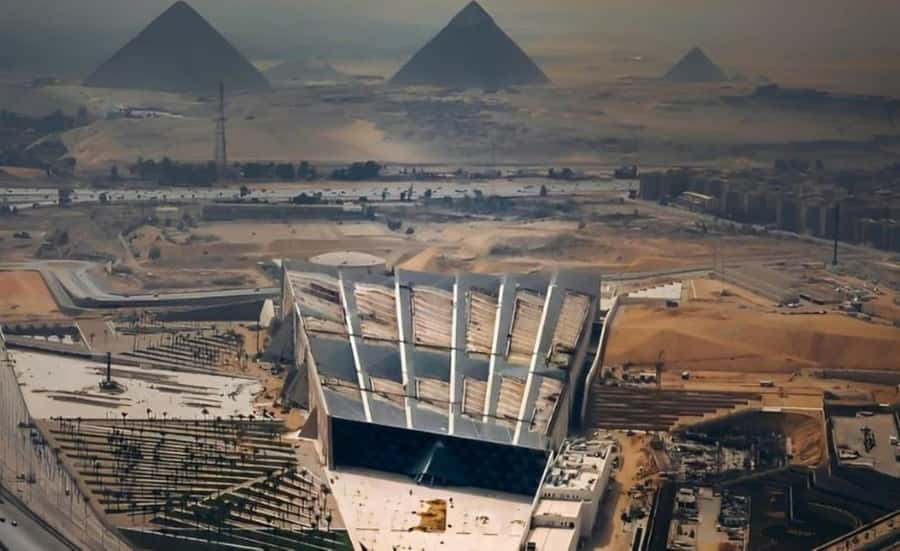
The most remarkable part of this five-hour visit is the chance to see Tutankhamun’s complete collection together, including his golden mask, jewelry, chariots, and personal belongings. The museum also gives you a grand introduction with the Hanging Obelisk, Ramses II, and the monumental Grand Staircase.
I like the private format, since your guide can shape the pace around your interests. I also like that hotel transfers, entry, and a modern air-conditioned vehicle are included, which removes several common Cairo hassles. The main caution is language availability: guides in French, German, or Spanish are subject to availability, so your booking may switch to English with an audio guide.
Key points
- Tutankhamun’s full collection: See the boy king’s mask, jewelry, chariots, and personal items displayed together.
- A private five-hour visit: Travel by modern air-conditioned vehicle and explore with your own guide rather than a large group.
- Grand Staircase views: Climb past royal statues and artifacts arranged to tell Egypt’s dynastic story.
- 12 galleries and more than 5,000 artifacts: Follow Egypt’s story from prehistoric times through the Roman era.
- Strong architectural opening: The Grand Hall, Hanging Obelisk, and Ramses II statue make an immediate impression.
- Flexible language support: Live guiding is offered in Arabic, English, French, German, and Spanish, with audio options in many additional languages.
Why five hours matters at the Grand Egyptian Museum
The Grand Egyptian Museum is not a quick stop to squeeze between pyramids. Its scale alone calls for time. This private tour lasts about five hours, allowing for transport, the guided visit, and a proper look at the museum’s main displays.
You begin with the museum gardens before entering the Grand Hall. That gentle start matters. Instead of arriving straight at a crowded display case, you get a little space to take in the size and design of the complex.
Inside, the building itself becomes part of the visit. The Grand Hall is meant to feel ceremonial, and it sets the tone for the royal statues and major objects ahead. I like this approach because it gives you a sense of occasion before the detailed museum work begins.
The tour then moves through key displays and 12 galleries holding more than 5,000 artifacts. The collection covers a long stretch of Egyptian history, from prehistoric times through the Roman era. A guide helps turn that long timeline into something easier to follow, especially if this is your first serious museum visit in Egypt.
Five hours is still not enough to study every object closely. One useful advantage of the private arrangement is that you can ask for more time in areas that interest you. If you prefer a quick overview, the guide can keep things moving. If you want to linger over royal objects or the Tutankhamun displays, you have more room to do so than you would on a tightly timed group visit.
More Museum Tours in Cairo
- Tour to Giza Pyramids and The Egyptian Museum
★ 5.0 · 6,016 reviews - Cairo 8 Hour Private Tour of Pyramids, Egyptian Museum and Bazaar
★ 5.0 · 2,931 reviews - Cairo: Grand Egyptian Museum, Pyramids, Sphinx Tour & Lunch
★ 4.7 · 2,282 reviews
From the gardens to the Grand Hall
The first stage is a walk through the museum gardens. The gardens are not the main reason to book this experience, but they provide a calmer entry and a chance to get your bearings before the large indoor spaces.
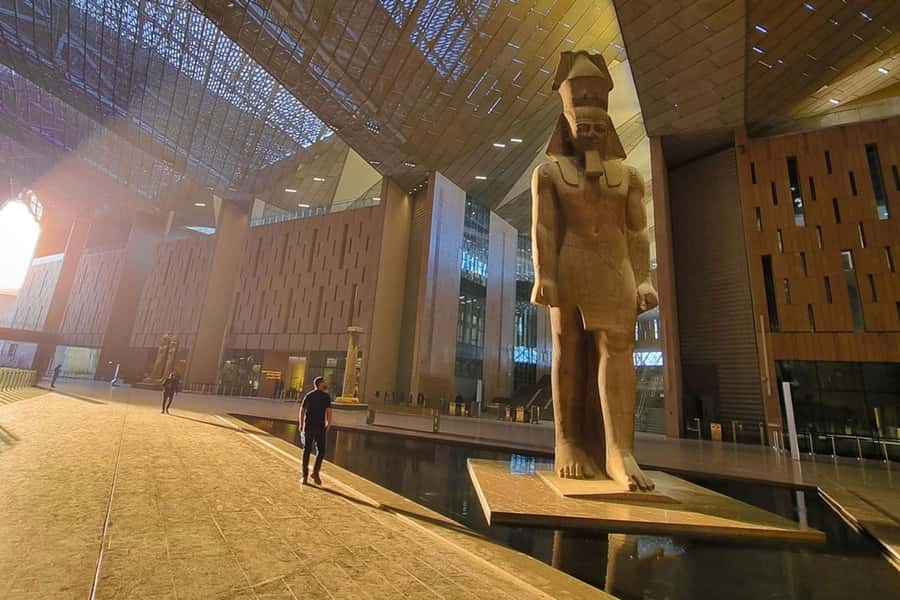
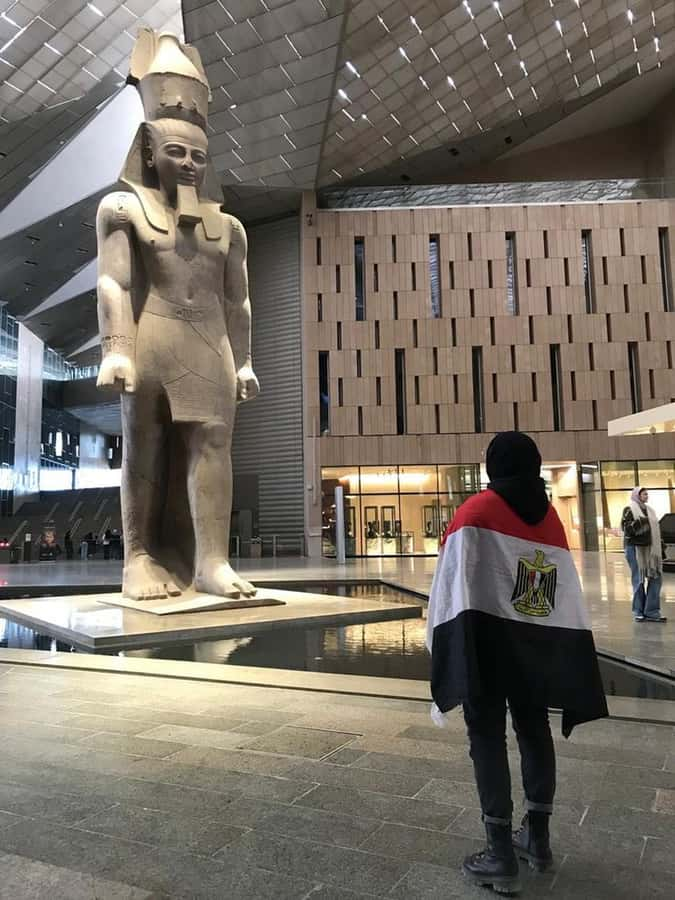
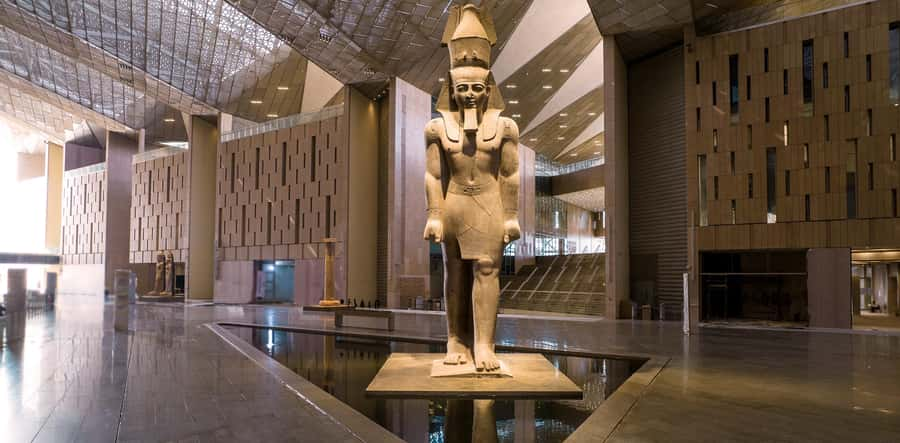
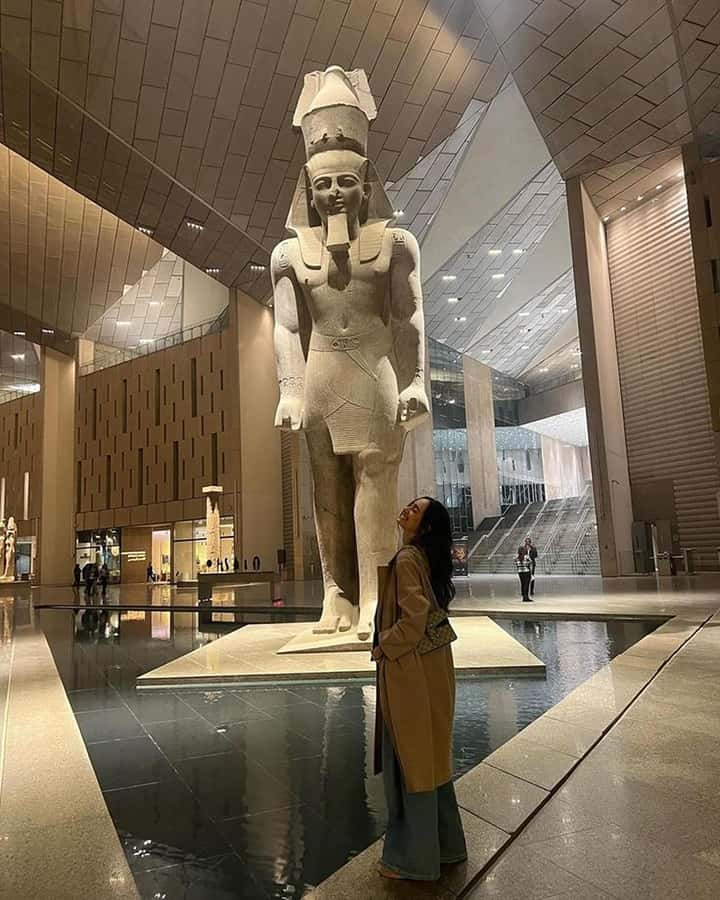
The Grand Hall is the first major interior stop. Its size and architecture are designed to impress, and they do much of the work before the guide begins explaining individual objects. Look up, take in the broad space, and resist the urge to rush immediately toward the famous exhibits.
Two early highlights are the Hanging Obelisk and the statue of Ramses II. They give you a quick sense of the museum’s range. The obelisk is presented as an unusual architectural feature, while Ramses II brings the familiar image of pharaonic power into the hall.
This part of the tour is especially useful for first-time visitors. You do not need to know the difference between every dynasty before arriving. The guide can provide the basic framework, then point out why certain statues and objects matter.
The drawback is that the opening areas can make you feel as if the visit is already complete. They are dramatic and spacious, but the more intimate experience comes later in the galleries and Tutankhamun collection.
Climbing the Grand Staircase past royal statues
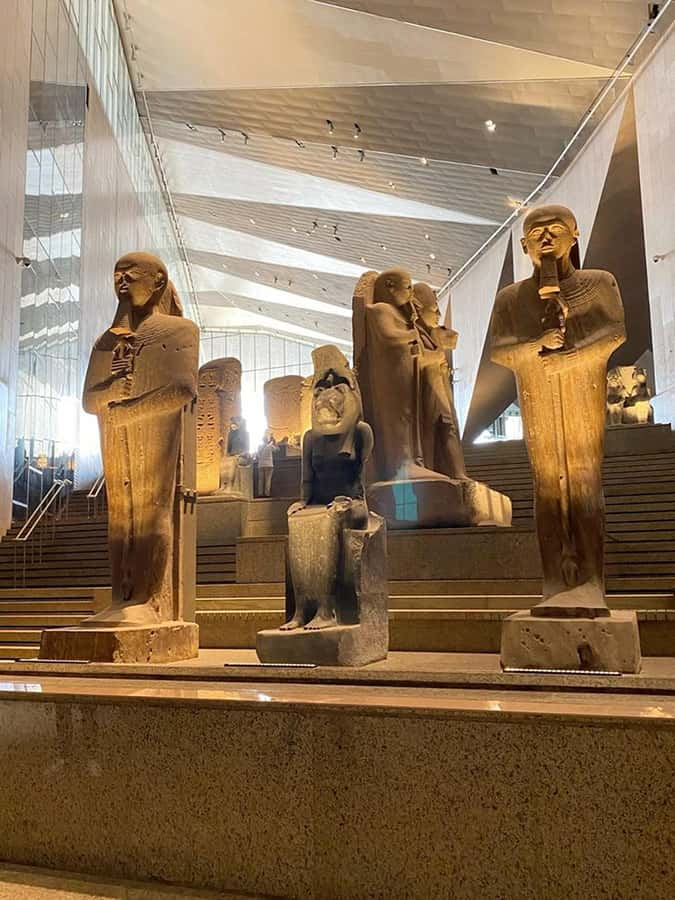
The Grand Staircase is more than a route to the next floor. It is arranged with statues and artifacts connected to Egypt’s dynastic rulers, so the climb becomes part of the museum presentation.
You move upward among royal figures and large objects rather than walking through a series of identical rooms. This gives the visit a strong sense of movement. It also creates natural places to pause for photographs, especially if your guide points out the more important pieces.
The staircase is one of the tour’s best photo opportunities, but it is worth looking beyond the camera. The arrangement helps you see the size of Egyptian sculpture and the role of royal imagery in the country’s ancient culture.
Because this is a private tour, you can ask questions as you go. That is useful here. A short explanation of a ruler, statue, or symbol can make the staircase feel like a connected story rather than a grand collection of objects.
The physical climb is worth keeping in mind if you have limited mobility. The activity is listed as wheelchair accessible, but the description does not explain the exact route or how the staircase section is handled for wheelchair users. If this is important to you, confirm the arrangements before booking.
Twelve galleries and more than 5,000 artifacts
After the large architectural features, the tour reaches the museum’s main gallery areas. Together, the 12 galleries display more than 5,000 artifacts from prehistoric Egypt through the Roman era.
That span is valuable because it keeps the visit from becoming only a story about pharaohs and gold. You can see how Egyptian civilization changed over time, with the guide helping you connect objects to different periods.
A private guide is most useful in a collection this large. Without help, you may spend your energy trying to decide what deserves attention. With guidance, you can focus on major pieces and ask for background when a particular object catches your eye.
Still, do not expect to understand every object in one visit. The museum is simply too large for that. The best plan is to choose a few themes, such as royal power, burial customs, daily life, or craftsmanship, and let the guide use the displays to build those themes.
One practical advantage is that you may be able to remain in the museum after the guided portion. The available information specifically notes that continued time inside the museum was possible for one booking. Treat this as a useful possibility, not a guaranteed feature, and confirm it when arranging your tour.
More Egyptian Museum tours and tickets:
- Private tour to Giza Pyramids,Sphinx,Egyptian Museum with Local Lunch
★ 5.0 · 1,530 reviews - Best Private Giza Pyramids,Sphinx, New Grand Egyptian Museum
★ 4.5 · 1,056 reviews - Cairo: Egyptian Museum, Citadel, and Old Cairo Guided Tour
★ 4.7 · 853 reviews - Museum of Egyptian Civilization, Citadel & Old Cairo Tour
★ 4.7 · 530 reviews
Tutankhamun’s collection, from the golden mask to personal items
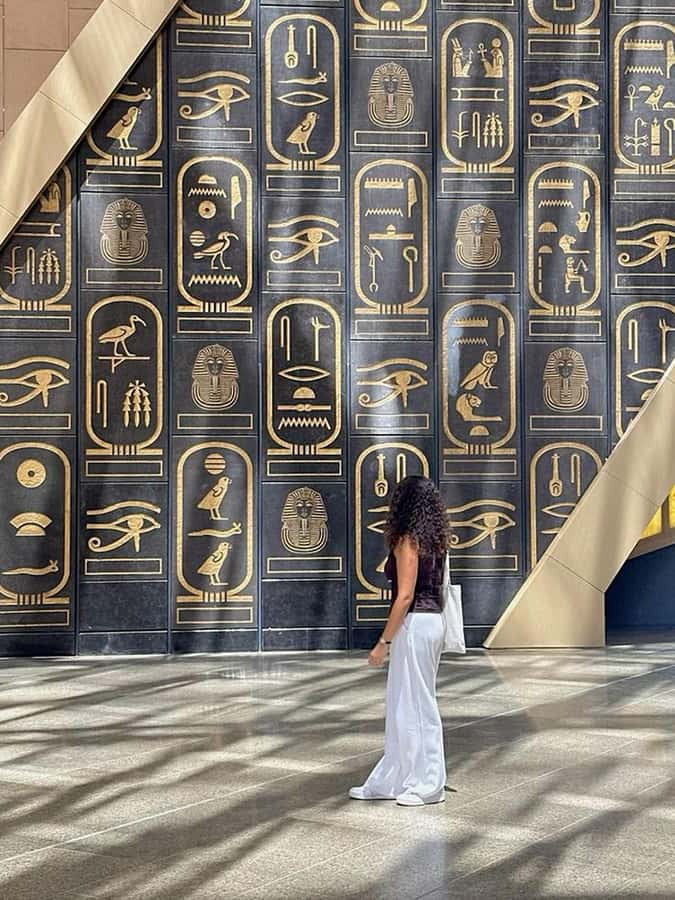
The main reason many people choose this tour is the Tutankhamun collection. The complete collection is presented together for the first time, creating a much fuller picture of the young ruler than a single famous mask ever could.
You can expect to see the legendary golden mask, ornate jewelry, ceremonial chariots, and personal belongings. The value here is not only visual. Taken as a group, these objects show how royal identity, burial, ceremony, and personal life were tied together.
The golden mask is the obvious star, but do not stop there. Jewelry reveals the skill and resources available to the royal court. Chariots show the ceremonial and military side of kingship. Personal items bring the story down to a more human level, helping you picture the boy king beyond the familiar image of a museum treasure.
This is where a live guide can add the most value. A guide can explain what you are looking at, point out less famous objects, and answer questions in real time. If your guide spends too long on the mask alone, ask to see more of the collection. The complete display is the point.
The Tutankhamun galleries may also be the busiest or most in-demand part of your visit, though no crowd conditions are guaranteed. Keep your group together, listen for the guide’s meeting points, and allow time for photographs without blocking other people’s view.
Private guiding and language choices
The private format is a clear advantage for couples, families, or small groups with different interests. You are not locked into the questions or pace of strangers. If one person wants more detail about royal sculpture and another wants to move quickly to Tutankhamun, the guide can usually balance both needs.
Live guiding is listed in Arabic, English, French, German, and Spanish. The supplied information does not provide guide names, so you should not expect to select a particular individual in advance.
Language availability needs careful attention. A guide in a language other than English is subject to availability. If that guide cannot be provided, the arrangement is a live English-speaking guide with an audio guide in your requested language.
That backup may work well for someone who reads and listens comfortably in another language. It may be less satisfying for a partner who depends on live interpretation. One booking involved a German audio guide that was not received as expected, so confirm the language plan before the day of the tour, especially if your group includes someone who does not speak English.
Audio support is available in a very broad range of languages. The listed options include Arabic, English, French, German, Spanish, Chinese, Dutch, Hindi, Italian is not listed, and many others. Since the language list is specific, check that your preferred language is included rather than assuming every major language is available.
Transport, timing, and what the $115 price covers
The cost is $115 per person for about five hours. That is not a budget museum ticket, but the price includes several services that can be useful in Giza and Cairo: private transportation, a private guide, entrance fees, service charges, and taxes.
The vehicle is modern and air-conditioned. That matters in Egypt, where moving between hotel and museum in a private vehicle can be more comfortable than arranging separate transport. You also return to your hotel after the visit, so you do not need to plan a second ride.
Skip-the-ticket-line access is included. It does not mean every part of the museum will be empty, but it can save time at the entry point and make the five-hour schedule more practical.
I see the strongest value here for people who want convenience and interpretation in one package. If you already have transport, museum entry, and a strong plan for exploring on your own, $115 may feel high. If you want an organized private visit with a guide and no need to coordinate each piece yourself, the price is easier to justify.
Tips are not included. The same applies to extras not listed in the package. Carry some flexibility for that final cost, and ask your guide or operator about customary tipping if you are unsure.
Who will get the most from this museum visit
I would choose this experience for a first visit to the Grand Egyptian Museum, especially if you want a clear introduction rather than a self-guided wander through thousands of objects.
It suits you particularly well if:
- You want to see Tutankhamun’s full collection with context.
- You prefer a private group and your own pace.
- You value hotel transfers and an air-conditioned vehicle.
- You want help making sense of a huge collection.
- You are visiting with relatives or friends who have different levels of interest.
- You want time for photographs at the Grand Hall and Grand Staircase.
It may be less suitable if you want a very slow, scholarly museum study. Five hours gives you a strong overview, but the museum contains more than any single guided route can cover. It may also be a poor fit if a non-English live guide is essential and you cannot accept an audio guide as a backup.
The experience is listed as wheelchair accessible, which is useful for planning. Because the route details are not provided, confirm how the Grand Staircase portion and other level changes are handled before you reserve.
A practical plan for making the most of five hours
Before setting out, decide what matters most to you. If Tutankhamun is your priority, tell the guide at the start. If you care more about sculpture, architecture, or the long timeline from prehistoric times to the Roman era, say so early.
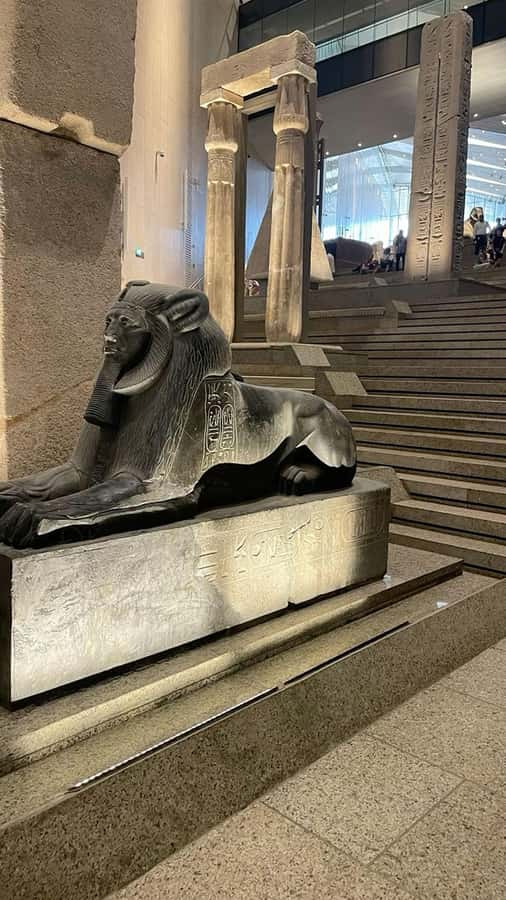
Keep your phone or camera ready for the Grand Hall, Hanging Obelisk, Ramses II, and Grand Staircase. These are the locations most clearly suited to memorable photographs.
Do not spend the whole visit photographing the first impressive statue. The museum’s best feature is its scale and variety. Save enough attention for the galleries and the complete Tutankhamun collection.
If you want to stay longer after the guided route, ask about it during the visit. The option has been available, but it should not be treated as a fixed promise. You may find that extra independent time is the best way to revisit the objects that caught your eye.
Free cancellation up to 24 hours before the start and reserve-now, pay-later booking make this easier to fit into a changing Egypt itinerary. Starting times vary, so check availability for your chosen date.
Should you book the Grand Egyptian Museum private tour?
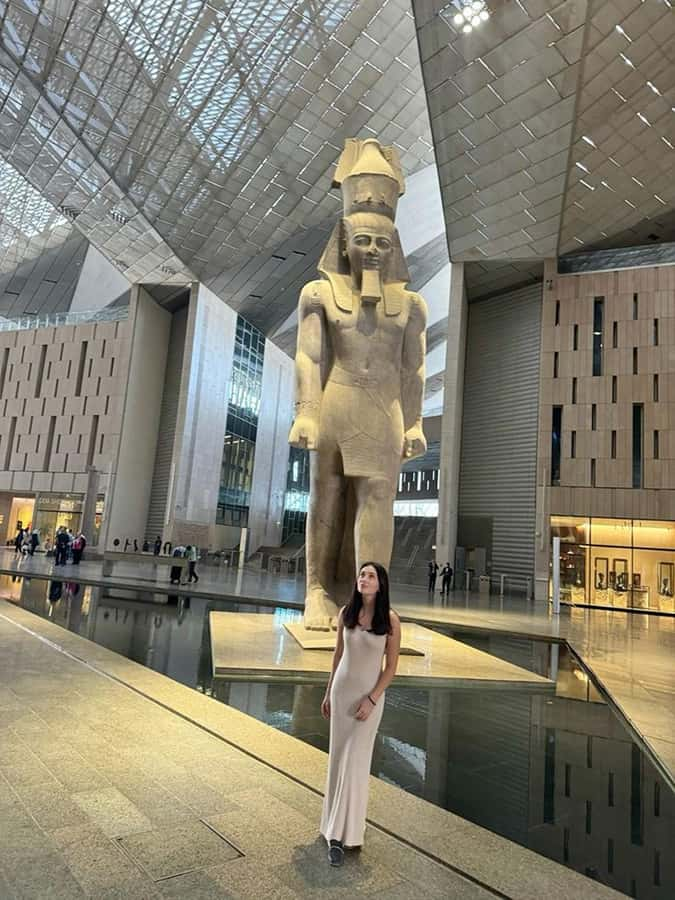
I would book this tour if you want the museum’s major highlights explained in a private setting, with transport and entry handled for you. The complete Tutankhamun collection, Grand Staircase, Ramses II statue, and Grand Hall give the visit plenty of substance.
The strongest reasons to choose it are the private guide, the included vehicle, and the chance to see far more than the golden mask alone. The main points to check are your preferred guide language, the exact audio backup, and whether you can remain inside after the guided portion.
At $115 per person, this is a convenience-and-guidance purchase rather than the cheapest way into the museum. For a first visit to Giza, that convenience can be worth it. If you are comfortable exploring alone and already have transportation, compare the cost carefully. For most people who want structure, context, and a calm private ride back to the hotel, it is a sensible museum day.
FAQ
How long does the Grand Egyptian Museum private tour last?
The tour lasts five hours, including the organized museum experience and transport arrangements.
What is included in the $115 price?
The price includes all transfers in a modern air-conditioned vehicle, a private tour, a tour guide, entrance fees, service charges, and taxes.
Is the tour private?
Yes. It is offered as a private group experience.
Does the tour include Tutankhamun’s complete collection?
Yes. The visit includes the complete Tutankhamun collection, including his golden mask, jewelry, ceremonial chariots, and personal belongings.
Can I skip the ticket line?
Skip-the-ticket-line entry is included in the activity.
Which live guide languages are offered?
Live guides are listed for Arabic, English, French, German, and Spanish.
What happens if my preferred non-English guide is unavailable?
You may be provided with a live English-speaking guide and an audio guide in your requested language.
Is an audio guide included?
Yes. An audio guide is included, with a broad list of available languages.
Is the experience wheelchair accessible?
Yes, the activity is listed as wheelchair accessible. The exact route for every part of the museum is not specified, so confirm details before booking if you need a particular access arrangement.
Can I cancel for a full refund?
You can cancel up to 24 hours in advance for a full refund. You can also reserve now and pay later to keep your plans flexible.
Just added around Cairo
- Half Day tour to National Museum of Egyptian Civilization★ 4.0 · 25 reviews
- Cairo: Giza Pyramids & Grand Egyptian Museum Tour with Lunch★ 4.7 · 203 reviews
- Cairo: Entry Ticket and Guided Tour of Grand Egyptian Museum★ 4.0 · 68 reviews
- Cairo: Grand Egyptian Museum, Giza Pyramids and Sphinx Tour★ 4.3 · 58 reviews
- Giza: Egyptian Museum & Optional Khan el-Khalili Tour★ 4.5 · 71 reviews
- Cairo: Private Giza Pyramids, Egyptian Museum, & Bazaar Tour★ 4.3 · 14 reviews
- Egyptian Museum, National Museum of Egyptian Civilization★ 4.6 · 15 reviews
- Cairo: Great Pyramids of Giza and Egyptian Museum Tour★ 4.6 · 38 reviews
Museum Tours in Cairo, compared.

Tour to Giza Pyramids and The Egyptian Museum
Read our review →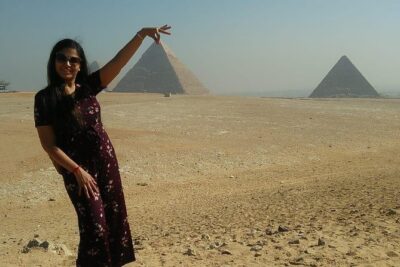
Cairo 8 Hour Private Tour of Pyramids, Egyptian Museum and Bazaar
Read our review →
Grand Egyptian Museum, Pyramids, Sphinx Tour & Lunch
Read our review →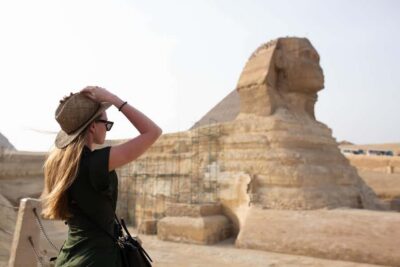
Female-Guided Pyramids, Sphinx & Museum City Tour
Read our review →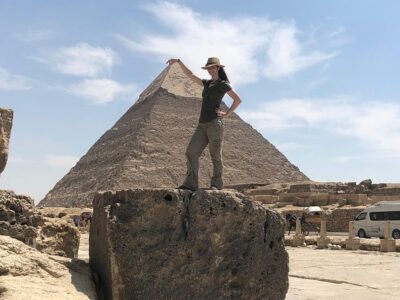
Private tour to Giza Pyramids,Sphinx,Egyptian Museum with Local Lunch
Read our review →
Best Private Giza Pyramids,Sphinx, New Grand Egyptian Museum
Read our review →
Egyptian Museum, Citadel, and Old Cairo Guided Tour
Read our review →
Hurghada Day Trip to Giza Pyramids, Sphinx, Museum and lunch
Read our review →Browse the lists this tour appears in